Spacewrecked on Venus, a classical book, has been considered important throughout the human history, and so that this work is never forgotten we at Alpha Editions have made efforts in its preservation by republishing this book in a modern format for present and future generations. This whole book has been reformatted, retyped and designed. These books are not made of scanned copies of their original work and hence the text is clear and readable.
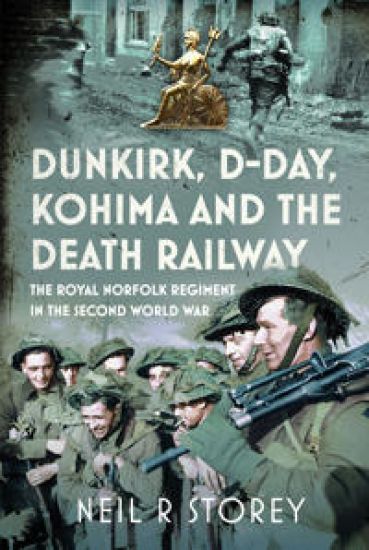
The Royal Norfolk Regiment had a fighting record second to none. Five members of the Regiment were awarded the Victoria Cross, the greatest number to any Line Infantry Regiment during the Second World War. 1st Battalion landed on Sword Beach on D-Day and fought with distinction through France, Holland and Germany 2nd Battalion was the first complete infantry battalion of the British Expeditionary Force to land in France in 1939. Members of this battalion earned the first gallantry decorations of the war. Tragically, 97 men of this battalion were massacred at Le Paradis during the retreat to Dunkirk in 1940. The battalion was rebuilt and fought in Burma and the hellish Battle of Kohima. 4th, 5th and 6th Battalions fought doggedly at Singapore but after the surrender of the island in 1942, spent the rest of the war as Japanese Prisoners of War on the infamous 'Death Railway' and forced labour camps. 7th Battalion fought in France in 1940. Only fifty men made it back, but the battalion was rebuilt and returned again to fight in Normandy in 1944. Drawing on the diaries, memoirs and memories of those who were there, this book is a fitting tribute to the brave men of The Royal Norfolk Regiment.
The Oxford University Studies in the Enlightenment series, previously known as SVEC (Studies on Voltaire and the Eighteenth Century), has published over 500 peer-reviewed scholarly volumes since 1955 as part of the Voltaire Foundation at the University of Oxford. International in focus, Oxford University Studies in the Enlightenment volumes cover wide-ranging aspects of the eighteenth century and the Enlightenment, from gender studies to political theory, and from economics to visual arts and music, and are published in English or French.
The naked and frozen body of Norah Fornario (33) was discovered lying on a roughly hewn cross on the ground, far from her London home, in the wilds of the remote Hebridean island of Iona in November 1929. The doctor declared she had simply died of exposure, officially, no regard was paid to the strange circumstances under which she had been found, no post-mortem was carried out, no inquest was ordered and there was no major police investigation. Award-winning historian Neil Storey investigates the case and throws new light on the life and mysterious death of Norah Fornario in a gripping story akin to the plot of an Agatha Christie murder mystery novel blended with one of the darkest stories of the occult by Dennis Wheatley. A story that involves the notorious occultist Aleister Crowley, 'The Wickedest Man in the World,' elite secret societies in London, an 'occult college' in the Home Counties, mystical Glastonbury, vampires, demons, fairy folk, and curses set against the backdrop of the roaring 1920s. A story that culminates on a remote Scottish island where folklore and superstition were still believed and feared, and an apparent case of murder by black magic … or was it?
In ""Personality-Guided Therapy for Depression"", Neil R. Bockian describes a promising new approach to treating complicated depression, cases in which progress is painfully slow, elusive, or followed by relapse. The causes and experience of depression are influenced by personality style, or deeply rooted patterns of functioning in the world. Depression in a person with a dependent style, for example, differs markedly from that in someone with an antisocial personality. This volume demonstrates how, drawing insights from major theoretical orientations, psychotherapy can be tailored to address patients' varying issues and communication styles. As treating personality disorders alleviates depression, and vice versa, this approach offers new hope for progress in both realms. Using Theodore Millon's personality-guided psychology as framework, Dr. Bockian illuminates how specific personality types play into depression, and how taking personality into account enables psychologists to tailor their interventions to the patient and thus improve the prospects for long-term recovery. For each personality type, the author explores how prevalent depression is, what promotes and maintains it, how psychological, biological, and social factors contribute to it, and the role of medications and of therapist reactions to the patient. This groundbreaking book offers practitioners, researchers, and students a framework for understanding how personality factors increase vulnerability to depression or help buffer against it.
In spring 1940 Hitler unleashed his blitzkrieg, and as the British Expeditionary Force fell back to Dunkirk Britain was in imminent danger. In response to the threat of enemy paratroopers, Anthony Eden, Secretary of State for War made a radio appeal on 14 May 1940 for men 'who were for one reason or another not at present engaged in military service, and who wish to do something for the defence of their country' to join a new force named The Local Defence Volunteers. The men of Britain answered the call, not in hundreds as anticipated, but in thousands. Over 250,000 signed up in the first 24 hours and thousands more followed. Badly equipped and with no more uniform than an armband, the organisation was taken under the wing of Winston Churchill in July 1940 and re-christened The Home Guard. This book tells the Home Guard's story, using original training manuals, photographs, and memoirs, and covers all aspects of their history.
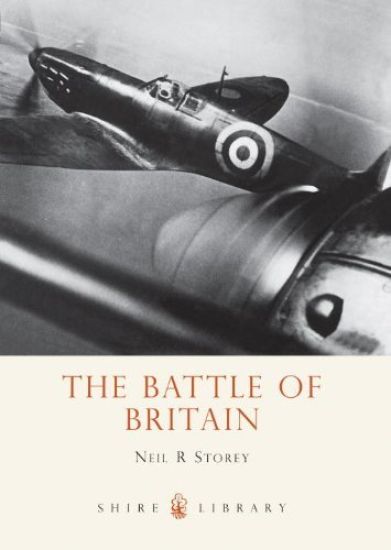
In the skies above south-east England in 1940, battle was waged between the men and machines of the Royal Air Force and Hitler's Luftwaffe. At stake was air superiority, and the Germans intended this to be a first step in the invasion of Britain. Squadrons of Hurricanes and Spitfires – then among the best and most modern fighter aircraft in the world – took on the threat and, over a period of months, defeated the Luftwaffe, which ultimately withdrew. This fully illustrated history looks at the origins and events of the battle, but focuses especially on the men and women of the RAF and on the ordinary people of the nation, above whose heads the great battle for freedom was waged.
With contributions from over 75 of the foremost experts in the field, the third edition of best-selling Respiratory Care: Principles and Practice represents the very best in clinical and academic expertise. Taught in leading respiratory care programs, it continues to be the top choice for instructors and students alike. The Third Edition includes numerous updates and revisions that provide the best foundational knowledge available as well as new, helpful instructor resources and student learning tools. Respiratory Care: Principles and Practice, Third Edition is a complete and up-to-date exploration of the technical and professional aspects of respiratory care. With foundations in evidence-based practice, this essential resource reviews respiratory assessment, respiratory therapeutics, respiratory diseases, basic sciences and their application to respiratory care, the respiratory care profession, and much more. Respiratory Care: Principles and Practice, Third Edition incorporates the latest information on the practice of respiratory care into a well-organized, cohesive, reader-friendly guide to help students learn to develop care plans, critical thinking skills, strong communication and patient education skills, and the clinical leadership skills needed to succeed. This text provides essential information in a practical and manageable format for optimal learning and retention. Including a wealth of student and instructor resources, and content cross-referencing the NBRC examination matrices, Respiratory Care: Principles and Practice, Third Edition is the definitive resource for today’s successful respiratory care practitioner. FEATURES More user-friendly content specifically for the anatomy and physiology of respiratory, cardiac, renal, and neural systems. Expanded, revised, and enhanced resources for students and instructors More than 580 photos and illustrations, and more than 300 tables and equations KEY CONTENT 2015 NBRC Competencies AARC Clinical Practice Guidelines Patient Safety and Protocols Ventilator Associated Events Patient Education Critical Thinking Prevention of Re-admissions Affordable Care Act NEW CHAPTERS Extracorporeal Life Support for Respiratory Failure Respiratory Anatomy Respiratory Mechanics Control of Breathing Cardiovascular, Renal, and Neural Anatomy and Physiology CHAPTER FEATURES Chapter Outline Chapter Learning Objectives - correlated to the NBRC Key Terms Boxed Features Respiratory Recap – review of key study points for core content Stop and Think – provides an opportunity for critical thinking Age-Specific Angle - provides unique differences that are age specific—usually pediatric/neo-natal focused or geriatric Case Studies Equations Clinical Practice Guidelines Key Points References INSTRUCTOR RESOURCES Instructor's Manual Transition Guide Conversion Guide Sample Syllabus Over 4000 Revised and Improved Slides in PowerPoint format Test Bank Each new print copy includes Navigate 2 Advantage Access that unlocks a comprehensive and interactive eBook, student practice activities and assessments, a full suite of instructor resources, and learning analytics reporting tools. STUDENT RESOURCES Navigate 2 Advantage Access, includes: eBook Knowledge Check Questions Interactive Glossary Chapter Quizzes Practice Activities Flashcards Discussion Questions Case Studies Key Image Review Animations Mid Term Exam Final Exam
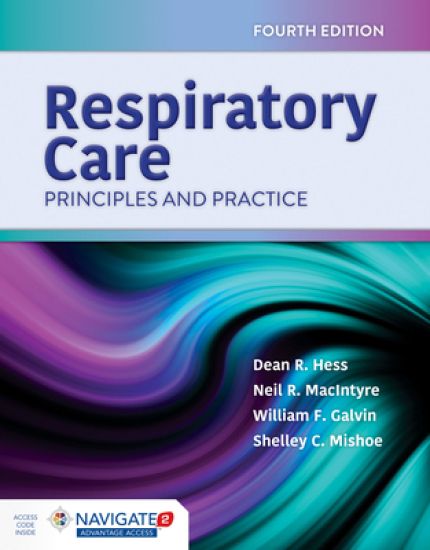
With contributions from over 75 of the foremost experts in the field, the fourth edition of best-selling Respiratory Care: Principles and Practice continues to represent the very best in clinical and academic expertise. The Fourth Edition includes numerous updates and revisions that provide strong foundational knowledge. More than an introductory text, this comprehensive resource will be referenced and utilized by students throughout their educational and professional careers. Respiratory Care: Principles and Practice, Fourth Edition has been thoroughly reviewed and updated with the latest content to reflect current trends and topics important to contemporary respiratory care practice. With foundations in evidence-based research, the fourth edition covers patient assessment, respiratory therapeutics, respiratory diseases, applied sciences, and the professional aspects of respiratory care. Brand new chapters have been added to cover topics such as lung transplantation and sepsis, and the inclusion of new contributors has infused new perspectives and more modern coverage of important topics.Respiratory Care: Principles and Practice, Fourth Edition incorporates up to date and essential information on the practice of respiratory care into a well-organized, cohesive, reader-friendly guide, helping students learn skills such as critical thinking, care plan development, patient education, and clinical leadership. Including a wealth of student and instructor resources, this text provides essential information in a practical and manageable format for optimal learning and retention. This new edition was constructed with content cross-referencing the National Board for Respiratory Care's (NBRC) examination matrix, ensuring that all the topics on the board exams are included. The fourth edition of Respiratory Care: Principles and Practice continues to assist students in mastering the art and science of respiratory care, contributing to improvements in the stature of the respiratory care profession, and—most importantly—improvements in the care of patients with respiratory disorders.
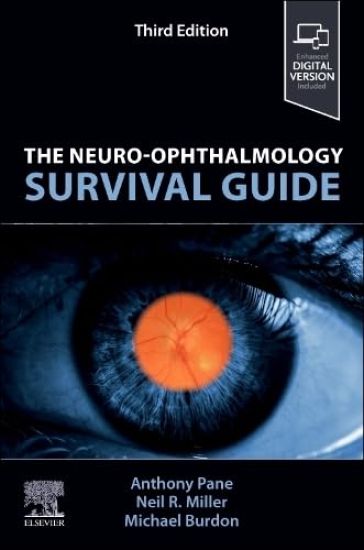
The Neuro-Ophthalmology Survival Guide, Third Edition is a practical, symptom-based, 'how-to' guide to neuro-ophthalmology for all trainee and practising ophthalmologists, optometrists, and physicians whose practice includes patients with eye or brain issues. Each chapter focusses on a specific clinical symptom and includes an introduction to the clinical assessment of a symptom; an examination checklist; a management flowchart to be followed; clinical diagnostic criteria checklists; and further information on the diseases that can cause the symptom with a brief discussion of appropriate management. A practical and accessible handbook for the ophthalmologist, optometrist, or other physician without a specialist interest in neuro-ophthalmology Simplifies a subject that is often a cause of litigation against practising ophthalmologists and exam failure for trainees and residents Aids diagnosis in a field in which mistakes may lead to serious consequences, e.g. patients with brain tumours presenting with blurred or double vision Uniquely guides the reader from presenting symptoms, through a series of simple but safe flowcharts and checklists, to the necessary tests, diagnosis, and timely treatment The first chapter presents 20 'golden rules' to keep you and your patients out of trouble Updates throughout the text include recent advances in diagnosis and treatment for conditions with improved pathophysiological insights; genetic aspects of several conditions and their impact on management; imaging and laboratory tests available for diagnosis of disorders New self-assessment quizzes to consolidate everyday clinical skills or for exam preparation More than 60 online videos demonstrate examination techniques as well as abnormal eye movements, eyelid problems and pupil abnormalities
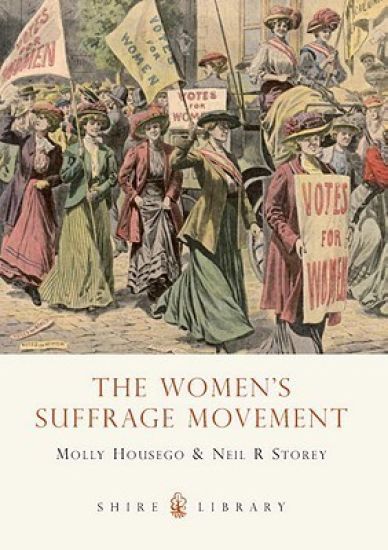
A colourfully illustrated history of the Women's Suffrage movement, which eventually gained the vote for all British women in 1918.The popular image of a women's suffrage activist is a stoical woman chained to railings or committing criminal acts to attract publicity for the cause. While such women as Emmeline Pankhurst and Emily Wilding Davison embody this image, these militant 'Suffragettes' of the Women's Social and Political Union were in fact a small part of a wider movement that operated mainly through peaceful means. Molly Housego and Neil Storey here trace the evolution of the women's suffrage movement from its emergence in the nineteenth century, through the various divisions that emerged over how to conduct the campaign, to its apogee before the First World War – an event that highlighted the abilities of British women and helped to gain them the vote in 1918.
The Norwich Society was founded in 1923 to prevent the demolition of the city's ancient Bishop's Bridge. Since then the Society has actively campaigned to preserve Norwich's heritage - saving historic buildings and preventing over-development in historically sensitive areas. Together with the City Council, the Society founded the Norwich Preservation Trust in the 1960s: since then many properties have been restored, and modern developments are closely monitored. Neil Storey has compiled a selection of images from the Norwich Society collections to mark the Society's eighth anniversary. The city's changing character is revealed through historic photographs of individual buildings, features and streets; battles that were won (and lost) are considered; and notable Society personalities are featured as well.
Despite – or perhaps because of – the privations of war, the 1940s was one of the greatest decades for fashion in Britain. The designs and fashions of the 1930s would linger on through the early years of the Second World War but with shortages and rationing firmly in place, the Utility clothing available in the shops had to overcome these restrictions and still look new and vivid. Because so much of the war effort depended on Britain’s women, fashion was considered important for morale. Fashion in the 1940s ranged from military uniforms (for men and women) to siren suits to be worn to keep warm in air raid shelters at night and the demob suits issued to those leaving the services at the end of the war. The mantra of ‘make-do and mend’ would spawn a decade of creativity, and a generation who would not let austerity prevent them from looking good. Transatlantic and military influences were everywhere, and after the war was over Dior’s ‘New Look’ set the scene for the fashions of the prosperous 1950s. This book is part of the Britain’s Heritage series, which provides definitive introductions to the riches of Britain’s past, and is the perfect way to get acquainted with 1940s fashion in all its variety.
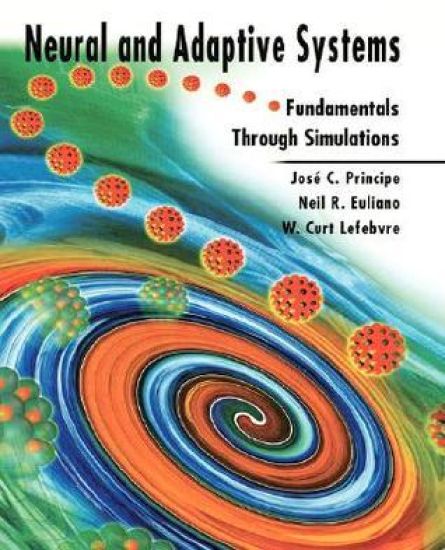
This text provides for the development of intuition about the behavior of adaptive systems by experimenting with them using real data. It is an interactive learning tool thereby introducing a new teaching methodology, offering over 200 fully functional simulations.
One of the most lamentable aspects of Christendom’s history has been the long-standing antipathy of some of its members toward persons of the Jewish faith. However, the writer of Mark’s gospel did not intend to promulgate such antipathy. Parker’s groundbreaking re-assessment of how the evangelist applies Jewish scriptures serves to establish the true nature of Mark’s unfavourable depiction of Judaism’s custodians as a theological construct. The overriding purpose behind Mark’s caricature of Jesus’ compatriots was to explain the presence of «faulty» belief, or even unbelief, among a Gentile readership. Subsequent generations have mistakenly given historical credence to Mark’s account of Jesus’s ministry. Regrettably, this has resulted in the erroneous theological legitimization of atrocities against the Jews.
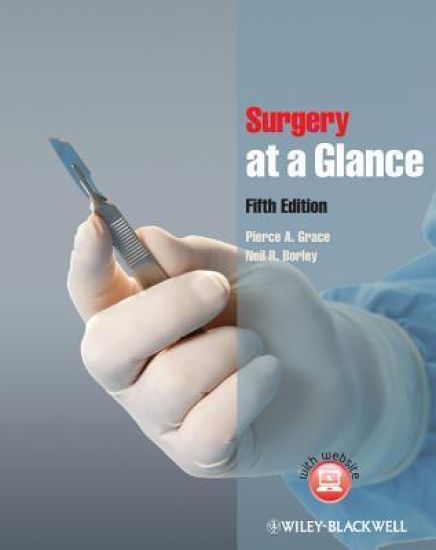
This new edition of Surgery at a Glance provides a concise and visually-orientated summary of a comprehensive lecture course in surgery. Following the easy-to-use at a Glance format, each topic is presented with clear illustrations and key facts encapsulating all that you need to know. The book is coherently divided into clinical presentations followed by major surgical conditions. Exploring core principals and important diseases, it is an accessible companion to any surgery core text, and is ideally placed to support the current curriculum. Surgery at a Glance: • Features brand new chapters on Orthopaedics and updates on the management of surgical conditions • Includes more revision-friendly elements for quick reference • Is fully supported by a resource website at www.testgeneralsurgery.com containing both MCQs and short answer questions