The traditions about Jesus and his teaching circulated in oral form for many years, continuing to do so for decades following the writing of the New Testament Gospels. James Dunn is one of the major voices urging that more consideration needs to be given to the oral use and transmission of the Jesus tradition as a major factor in giving the Synoptic tradition its enduring character.
1. Valuing the Subjective Experience: Oral History as Qualitative Research / 2. Using Theoretical Perspectives for Oral History Research in Social Work and Social Work Education / 3. Making a Bridge: Moving from Social Work Practice Knowledge and Skill to Oral History Research Skill / 4. Generating and Recording Oral Histories: Process and Method / 5. Analyzing and Interpreting Data and Writing Up the Project / 6. Black Family Adaption, Survival, and Growth Strategies: An Oral History Project / 7. The Realities of Soviet Jewish Migration: Illustrated Through Slava's Narratives / 8. Recapturing the Purpose of Settlements Through Oral History / 9. Oral History Methodology to Examine Issues of Adolescent Mothers / 10. Understanding Communities: The Pliny Street Block Association / 11. Concluding Remarks: Incorporating Oral History in Social Work Research / References
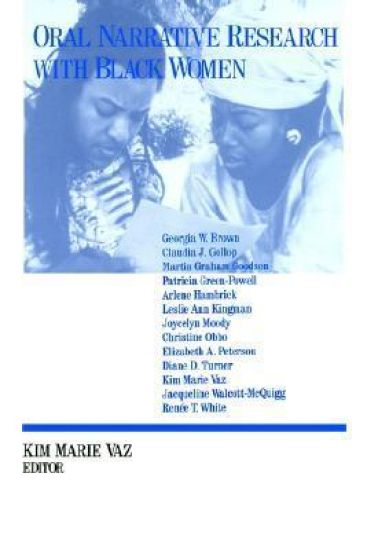
This book consists of essays on methodological issues by Africana (African and African American) women scholars who have successfully employed oral narrative methods in their research. Some themes covered in these essays are the strengths of oral narrative research for expanding and transforming knowledge about black women and how these scholars learned to conduct oral narrative research; descriptions of the types of narratives they have gathered, the difficulties they have encountered and how these were overcome; and the ethical dilemmas faced while undertaking their research endeavors. What makes this book a valuable teaching tool are the pedagogical suggestions and research artifacts contained within. Contributors have described one or two activities that may assist instructorÆs efforts to teach oral narrative methodologies. Methodological essays about the phenomenological and empirical aspects of carrying out oral narrative research from an Afrafeminist/womanist standpoint are rare and book-length works are almost nonexistent. Oral Narrative Research with black women participates in the growing movement of Afrafeminist/womanist scholarship that fills this void. This is an insightful, thought-provoking resource for researchers, students, and scholars interested in conducting qualitative research or who want to include black women in their research.
This book consists of essays on methodological issues by Africana (African and African American) women scholars who have successfully employed oral narrative methods in their research. Some themes covered in these essays are the strengths of oral narrative research for expanding and transforming knowledge about black women and how these scholars learned to conduct oral narrative research; descriptions of the types of narratives they have gathered, the difficulties they have encountered and how these were overcome; and the ethical dilemmas faced while undertaking their research endeavors. What makes this book a valuable teaching tool are the pedagogical suggestions and research artifacts contained within. Contributors have described one or two activities that may assist instructorÆs efforts to teach oral narrative methodologies. Methodological essays about the phenomenological and empirical aspects of carrying out oral narrative research from an Afrafeminist/womanist standpoint are rare and book-length works are almost nonexistent. Oral Narrative Research with black women participates in the growing movement of Afrafeminist/womanist scholarship that fills this void. This is an insightful, thought-provoking resource for researchers, students, and scholars interested in conducting qualitative research or who want to include black women in their research.
A manual addressed to students rather than to teachers or researchers, Oral History: An Introduction for Students is unique among the ""how to"" books in the field, adapting some of the best methods of group oral history projects to the needs of individual students. Useful in courses devoted entirely to oral history, the book also addresses the wider audience of students who may choose to do oral research in the context of otherwise traditional courses. The emphasis is on humanistic, imagininative, and intellectual challenge for students in integrating oral accounts with written documents. Only by achieving such flexibility, argues the author, can oral history fully realize its potential as a learning and teaching technique. A signficant contribution to theory and methodology as well as an introductory manual, this book will be of interest to professional oral history researchers and those individual scholars interested in adding oral history to their research techniques. James Hoopes has explored the writings of sociology and communications specialists in order to present a richly detailed and helpful analysis of the interview situation from a transactional point of view. Of particular interest is the section of the book devoted to the ways in which oral history can be related to other areas of research such as biography and family history and to the broader fields of cultural and social history. Hoopes' s central theme is that oral history, whether viewed primarily as a learning or research technique, can fulfill its promise as an important and humanistic resource only if it becomes part of general historical study wherever it is applicable.
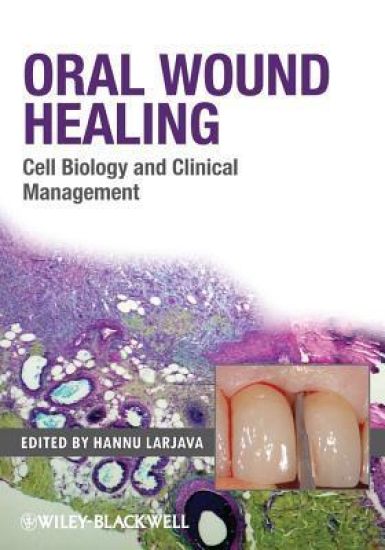
Oral Wound Healing: Cell Biology and Clinical Management brings experts from around the world together to provide an authoritative reference on the processes, principles and clinical management of wound healing in the oral mucosa. Promoting a thorough understanding of current research on the topic, this new resource draws together thinking on the basic biological processes of wound healing in the oral environment, as well as providing more detailed information and discussion on processes such as inflammation, reepithelialization and angiogenesis. Beyond this, the book goes on to examine topics pertinent to the effective clinical management of oral wound healing, bringing together chapters on large dento-facial defects, dental implants, periodontal regeneration, and pulp healing.An essential synthesis of current research and clinical applications, Oral Wound Healing will be an indispensable resource for dental specialists, oral and maxillofacial surgeons as well as researchers in oral medicine and biology.
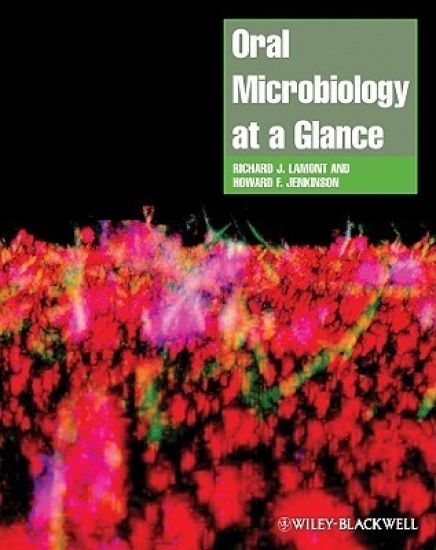
Oral Microbiology At A Glance is a title in the highly popular at a Glance series. It provides a concise and accessible introduction and revision aid. Following the familiar, easy-to-use at a Glance format, each topic is presented as a double-page spread with key facts accompanied by clear diagrams encapsulating essential information. Systematically organized and succinctly delivered, Oral Microbiology At A Glance covers: Oral microbial origins of health or disease Various infections ranging from dental caries, periodontal and endodontic infections to oral mucosal, bone, and systemic infections Local and systemic extensions of oral infections Sterilization, disinfection, infection control methods, and bioterrorism Oral Microbiology At A Glance is the ideal companion for students of microbiology, all students of dentistry, and early career clinicians. In addition the text will provide valuable insight for general dental practitioners wanting to update their knowledge of oral microbiology and immunology, as well as dental hygienists, therapists and technicians.
Proposing a fresh approach to scholarship on the topic, this volume explores the cultural meanings, especially the gendered meanings, of material associated with oral traditions. The collection is divided into three sections. Part One investigates the evocations of the 'old nurse' as storyteller so prominent in early modern fictions. The essays in Part Two investigate women's fashioning of oral traditions to serve their own purposes. The third section disturbs the exclusive associations between the feminine and oral traditions to discover implications for masculinity, as well. Contributors explore the plays of Shakespeare and writings of Spenser, Sidney, Wroth and the Cavendishes, as well as works by less well known or even unknown authors. Framed by an introduction by Mary Ellen Lamb and an afterword by Pamela Allen Brown, these essays make several important interventions in scholarship in the field. They demonstrate the continuing cultural importance of an oral tradition of tales and ballads, even if sometimes circulated in manuscript and printed forms. Rather than in its mode of transmission, contributors posit that the continuing significance of this oral tradition lies instead in the mode of consumption (the immediacy of the interaction of the participants). Oral Traditions and Gender in Early Modern Literary Texts confirms the power of oral traditions to shape and also to unsettle concepts of the masculine as well as of the feminine. This collection usefully complicates any easy assumptions about associations of oral traditions with gender.
Northeast India is home to many distinct communities and is an area of incredible ethnic, religious, and linguistic diversity. This book explores the shared cultural heritage among the highland and river valley communities of Northeast India and mainland South East Asia, including South China, through oral traditions. It looks at these shared cultural traditions and suggests new ways of understanding and interpreting the heritage of Northeast India. Oral traditions often bring forward an unexpected twist in understanding historical and cultural links, and this volume explores this using local knowledge and innovative engagements with oral traditions in multiple ways, from folklore and language to performative traditions. The essays in this volume examine how communities build new meanings from old traditions, often as a recognition of the tension between conservation and creation, between individual interpretation and social consensus. They offer interesting parallels on how oral traditions behave in different socio-economic contexts, and also examine how oral traditions and memory interact with the digital world’s penetration in the remote areas. This volume will be useful for scholars and researchers of Northeast India, sociology, sociology of culture, cultural studies, ethnic studies, anthropology, folkloristics, and political sociology.
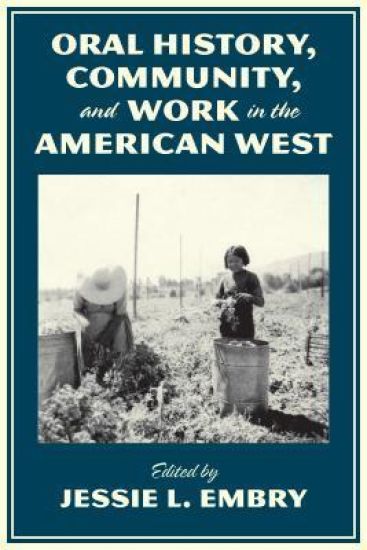
Nurses, show girls, housewives, farm workers, casino managers, and government inspectors—together these hard-working members of society contributed to the development of towns across the West. The essays in this volume show how oral history increases understanding of work and community in the twentieth century American West. In many cases occupations brought people together in myriad ways. The Latino workers who picked lemons together in Southern California report that it was baseball and Cinco de Mayo Queen contests that united them. Mormons in Fort Collins, Colorado, say that building a church together bonded them together. In separate essays, African Americans and women describe how they fostered a sense of community in Las Vegas. Native Americans detail the “Indian economy” in Northern California. As these essays demonstrate, the history of the American West is the story of small towns and big cities, places both isolated and heavily populated. It includes groups whose history has often been neglected. Sometimes, western history has mirrored the history of the nation; at other times, it has diverged in unique ways. Oral history adds a dimension that has often been missing in writing a comprehensive history of the West. Here an array of oral historians—including folklorists, librarians, and public historians—record what they have learned from people who have, in their own ways, made history.
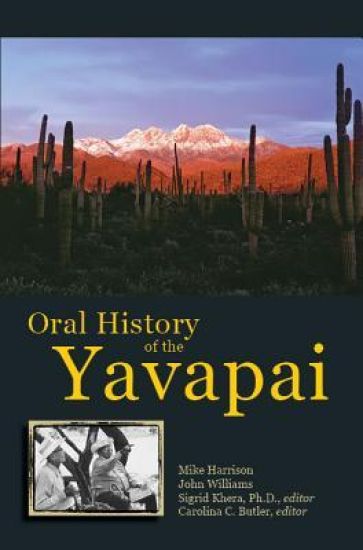
In the 1970s, the Fort McDowell Reservation in Arizona came under threat by a dam construction project that, if approved, would potentially flood most of its 24,680 acres of land. As part of the effort to preserve the reservation, Mike Harrison and John Williams, two elders of the Yavapai tribe, sought to have their history recorded as they themselves knew it, as it had been passed down to them from generation to generation, so that the history of their people would not be lost to future generations. In March 1974, Arizona State University anthropologist Sigrid Khera first sat down with Harrison and Williams to begin recording and transcribing their oral history, a project that would continue through the summer of 1976 and beyond. Although Harrison and Williams have since passed away, their voices shine through the pages of this book and the history of their people remains to be passed along and shared. Thanks to the efforts of Scottsdale, AZ resident and Orme Dam activist Carolina Butler, this important document is being made available to the public for the first time. Oral History of the Yavapai offers a wide range of information regarding the Yavapai people, from creation beliefs to interpretations of historical events and people. Harrison and Williams not only relate their perspective on the relationship between the ""White people"" and the Native American peoples of the Southwest, but they also share stories about prayers, songs, dreams, sacred places, and belief systems of the Yavapai.
This book aims to provide an analytical study of the sources, the art and the presentation of oral, or spoken, poetry. Paul Zumthor, a literary theorist, discusses the development of oral poetry from antiquity to the present in all its aspects: the forms of oral poetry; the epic in the West, Africa and other parts of the globe; styles of performance across the world; roles played in oral poetry (the poet as interpreter, the listeners, the variable duration of oral poetry in time and space, etc.); and oral ritual actions from archaic times to the present.
This interdisciplinary volume centers on the interrelations of storytelling and various manifestations of cultural identity, from written to oral and from autobiographical to regional and national. Indigenous storytelling, as well as storytelling for and by children and the elderly, are the main focus of these essays. Together, these fifteen texts make a significant contribution toward a deeper understanding of various aspects of textual and oral narrative: they broaden the lines of inquiry into multidisciplinary and multicultural interests, particularly those centering on the construction, expression, and contextualization of various types of identity; and they illustrate the deployment of storytelling not only as testimony, contestation, and subversion but also as peacebuilding. Many countries, languages and cultures are herein represented from the United States and Canada to Japan, Singapore, and Malaysia, from English to Japanese to Greek to Italian to the languages of indigenous peoples of Latin America and the Philippines."
Oral lipid-based formulations are attracting considerable attention due to their capacity to facilitate gastrointestinal absorption and reduce or eliminate the effect of food on the absorption of poorly water-soluble, lipophilic drugs. Despite the obvious and demonstrated utility of these formulations for addressing a persistent and growing problem of major significance, the pharmaceutical industry has been slow to apply and further develop this technology. This title provides a comprehensive summary of the theoretical and practical aspects of oral lipid-based formulations for use in industry, and provides further insights into a developing technology expected to assume increasing prominence in years to come.
Oral Traditions as Philosophy is a study of the Ugandan poet and cultural critic Okot p'Bitek. In his poems and critical essays, Okot engages with the oral traditions of his people—the songs, dances, funeral dirges, and so forth—seeing them as manifestations of the people's philosophy of life. Imbo's book makes explicit the philosophical questions raised in Okot's work and places them within the wider picture of contemporary African philosophy.
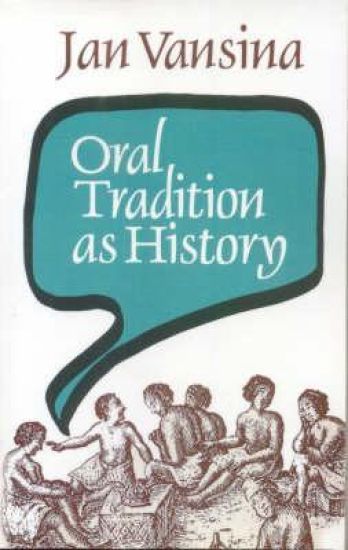
Since the publication of Vansina's earlier book, oral traditions have now become widely accepted as a legitimate source of history. Although written by a leading historian of Africa, Vansina's work on oral traditions ranges far beyond Africa, so has a wider relevance. Vansina explains not only how oral traditions have been used in the past but also how they should be used by historians in their research. North America: University of Wisconsin Press; Kenya: EAEP
Examines the relationship between orality and performance in the southern African context. This work draws together contributions from literary studies, anthropology, enthnomusicology and African language studies in an analysis of the complex functioning of oral texts and models in differing contexts. The work examinesthe continuing role of orality in modern society, the adaptation of oral models to printed forms, and the ability of oral forms to talk back to the technology of print. North America: Ohio U Press; South Africa: David Philip(NAB)
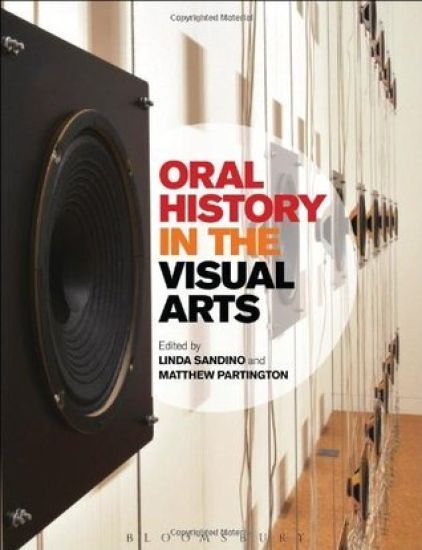
Interviews are becoming an increasingly dominant research method in art, craft, design, fashion and textile history. This groundbreaking text demonstrates how artists, writers and historians deploy interviews as creative practice, as 'history', and as a means to insights into the micro-practices of arts production and identity that contribute to questions of 'voice', authenticity, and authorship. Through a wide range of case studies from international scholars and practitioners across a variety of fields, the volume maps how oral history interviews contribute to a relational practice that is creative, rigorous and ethically grounded. Oral History in the Visual Arts is essential reading for students, researchers and practitioners across the visual arts.