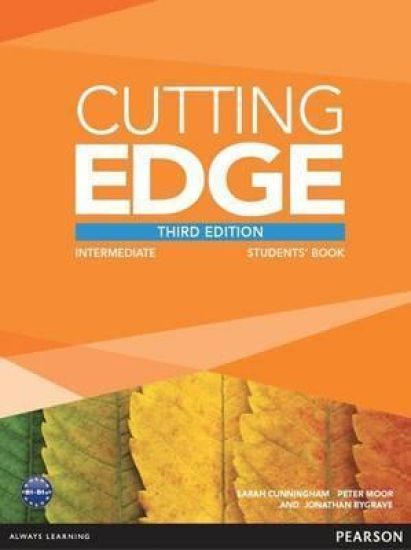
Cutting Edge Third Edition builds on the distinctive task-based approach that has made this course so popular. Engaging texts, new video content and a comprehensive digital package are just some of the features that make this fully revised edition even more effective.
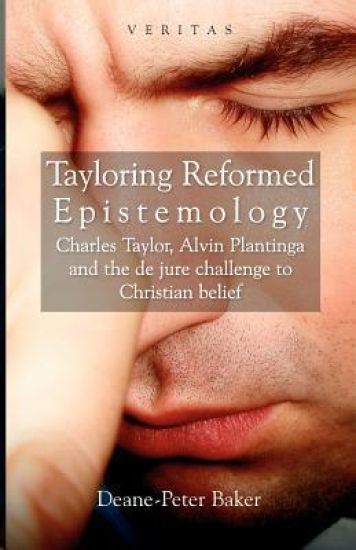
In recent philosophical discourse, there has been a proliferation of work in the field of philosophy of religion, and in particular at the intersection between epistemology and philosophy of religion. Much of that interest has centred on the emergence of what has come to be known as 'Reformed Epistemology'. The central claim of Reformed epistemologists is that belief in God is properly basic. The purpose of the arguments offered by Reformed epistemologists is to oppose what Plantinga calls the 'de jure' objection to theistic belief - the idea that it is somehow irrational, a dereliction of epistemic duty, or in some other sense epistemically unacceptable, to believe in God. This objection is distinct from what Plantinga labels the 'de facto' objection - the objection that, whatever the rational status of belief in God, it is, in fact, a false belief. The primary goal of Reformed epistemology, then, is to defend Christian belief against the de jure objection, thereby showing that everything really depends on the truth of Christian belief. This book demonstrates the feasibility of combining the Reformed epistemologist's position with an argument for theism that the author draws from Charles Taylor's work. In it, he shows the value that would be added to the Reformed epistemologist's position by such a combination.
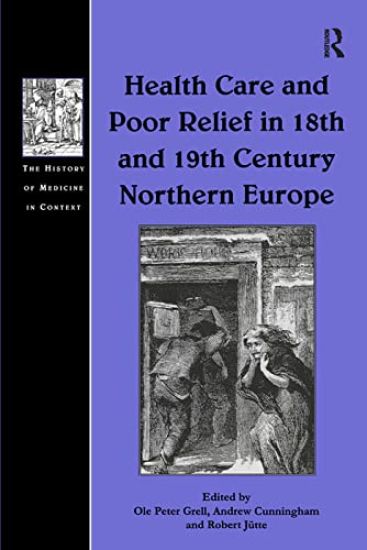
Throughout history governments have had to confront the problem of how to deal with the poorer parts of their population. During the medieval and early modern period this responsibility was largely borne by religious institutions, civic institutions and individual charity. By the eighteenth century, however, the rapid social and economic changes brought about by industrialisation put these systems under intolerable strain, forcing radical new solutions to be sought to address both old and new problems of health care and poor relief. This volume looks at how northern European governments of the eighteenth and nineteenth centuries coped with the needs of the poor, whilst balancing any new measures against the perceived negative effects of relief upon the moral wellbeing of the poor and issues of social stability. Taken together, the essays in this volume chart the varying responses of states, social classes and political theorists towards the great social and economic issue of the age, industrialisation. Its demands and effects undermined the capacity of the old poor relief arrangements to look after those people that the fits and starts of the industrialisation cycle itself turned into paupers. The result was a response that replaced the traditional principle of 'outdoor' relief, with a generally repressive system of 'indoor' relief that lasted until the rise of organised labour forced a more benign approach to the problems of poverty. Although complete in itself, this volume also forms the third of a four-volume survey of health care and poor relief provision between 1500 and 1900, edited by Ole Peter Grell and Andrew Cunningham.
Throughout history governments have had to confront the problem of how to deal with the poorer parts of their population. During the medieval and early modern period this responsibility was largely borne by religious institutions, civic institutions and individual charity. By the eighteenth century, however, the rapid social and economic changes brought about by industrialisation put these systems under intolerable strain, forcing radical new solutions to be sought to address both old and new problems of health care and poor relief. This volume looks at how northern European governments of the eighteenth and nineteenth centuries coped with the needs of the poor, whilst balancing any new measures against the perceived negative effects of relief upon the moral wellbeing of the poor and issues of social stability. Taken together, the essays in this volume chart the varying responses of states, social classes and political theorists towards the great social and economic issue of the age, industrialisation. Its demands and effects undermined the capacity of the old poor relief arrangements to look after those people that the fits and starts of the industrialisation cycle itself turned into paupers. The result was a response that replaced the traditional principle of 'outdoor' relief, with a generally repressive system of 'indoor' relief that lasted until the rise of organised labour forced a more benign approach to the problems of poverty. Although complete in itself, this volume also forms the third of a four-volume survey of health care and poor relief provision between 1500 and 1900, edited by Ole Peter Grell and Andrew Cunningham.
Cutting Edge Third Edition builds on the distinctive task-based approach that has made this course so popular. Engaging texts, new video content and a comprehensive digital package are just some of the features that make this fully revised edition even more effective.
Cutting Edge Third Edition builds on the distinctive task-based approach that has made this course so popular. Engaging texts, new video content and a comprehensive digital package are just some of the features that make this fully revised edition even more effective.
Cutting Edge Third Edition builds on the distinctive task-based approach that has made this course so popular. Engaging texts, new video content and a comprehensive digital package are just some of the features that make this fully revised edition even more effective.
When "Friday the 13th" premiered in 1980, the film introduced moviegoers to a new kind of cinematic terror - shocking, visceral, graphic and relentless. Spawning ten popular sequels to date, the series has become the most successful horror franchise of all time, and the character of 'Jason' an icon known around the world as the first name in evil. Now, uncensored and in their own words, over 200 alumni of the series recall a quarter-century's worth of behind-the-scenes stories - the struggles, feuds, foibles, controversies and calamities. Fully illustrated with nearly 600 never-before-seen photos, rare archival documents and production materials, this huge hardback volume is the ultimate oral and visual memoir of the series - a must-have for fans and cinema historians alike.
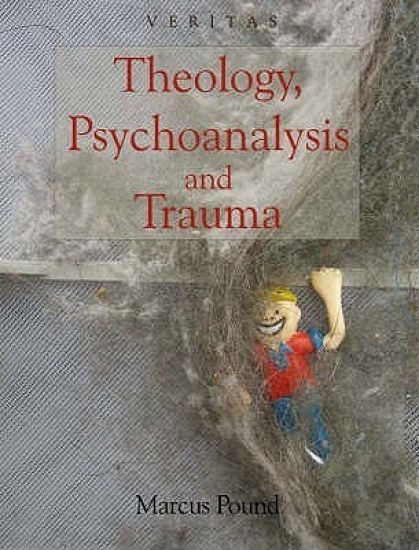
Marcus Pound’s book develops a specifically theological form of psychotherapy rooted in liturgy and arising from engagement with postmodern psychoanalysis. Jacques Lacan’s claim that ‘the unconscious is structured like a language’ radically challenged psychoanalysis and Pound uses this as the basis for his work in this volume. Postmodern psychoanalysis has been anticipated by theology, and Pound goes further in this claim to argue there has been a return to theology in psychoanalysis
Cutting Edge 3rd Edition builds on the distinctive task-based approach that has made this course so popular. Engaging texts, new video content and a comprehensive digital package are just some of the features that make it even more effective.
Cutting Edge 3rd Edition builds on the distinctive task-based approach that has made this course so popular. Engaging texts, new video content and a comprehensive digital package are just some of the features that make it even more effective.
Cutting Edge Third Edition builds on the distinctive task-based approach that has made this course so popular. Engaging texts, new video content and a comprehensive digital package are just some of the features that make this fully revised edition even more effective.
Cutting Edge 3rd Edition builds on the distinctive task-based approach that has made this course so popular. Engaging texts, new video content and a comprehensive digital package are just some of the features that make it even more effective.
Cutting Edge Third Edition builds on the distinctive task-based approach that has made this course so popular. Engaging texts, new video content and a comprehensive digital package are just some of the features that make this fully revised edition even more effective.
Cutting Edge 3rd Edition builds on the distinctive task-based approach that has made this course so popular. Engaging texts, new video content and a comprehensive digital package are just some of the features that make it even more effective.
By Horse and Wagon: The Diary of Alpheus Sherman is a historical book that features the personal diary entries of Alpheus Sherman, a farmer from upstate New York, during the late 19th century. The diary chronicles Sherman's daily life, including his work on the farm, interactions with family and neighbors, and his travels by horse and wagon to nearby towns. The book offers a glimpse into the challenges and joys of life in rural America during a time of great change and technological advancement. With vivid descriptions and personal insights, the diary provides a unique perspective on the social and economic landscape of the era. The book is a valuable resource for historians, genealogists, and anyone interested in the history of rural America.From The New York History, V37, No. 4, October, 1956.This scarce antiquarian book is a facsimile reprint of the old original and may contain some imperfections such as library marks and notations. Because we believe this work is culturally important, we have made it available as part of our commitment for protecting, preserving, and promoting the world's literature in affordable, high quality, modern editions, that are true to their original work.