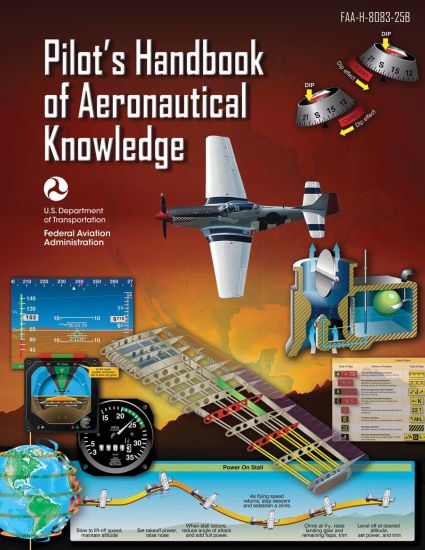
WITH UPDATES THROUGH MARCH 2023! This official Federal Aviation Administration (FAA) handbook provides basic knowledge essential for pilots on topics like decision making, aerodynamics, flight controls, weather theory, airport operations, and more. This updated handbook introduces pilots to the broad spectrum of knowledge that will be needed as they progress in their pilot training. Written for the pilot preparing for a Remote, Sport, Private, Commercial, or Flight Instructor Pilot Certificate, it is a key reference for all the information necessary to operate an aircraft and to pass the FAA Knowledge Exam and Practical Test. The table of contents includes: Introduction to Flying Aeronautical Decision-Making Aircraft Construction Principles of Flight Aerodynamics of Flight Flight Controls Aircraft Systems Flight Instruments Flight Manuals and Other Documents Weight and Balance Aircraft Performance Weather Theory Aviation Weather Services Airport Operations Airspace Navigation Aeromedical Factors This handbook introduces readers to flying and a history of flight, then explores the role of the FAA, criteria for earning the various pilot certificates, how to plan their flight education, and the examinations associated with earning a pilot certificate. Beginners and advanced pilots alike will find the Pilot's Handbook of Aeronautical Knowledge to be their primary resources for all things aviation. In addition to the most current FAA information, this edition features full-color drawings and photographs, an index, a glossary, and appendices of common acronyms, abbreviations and NOTAM contractions, and airport signs.
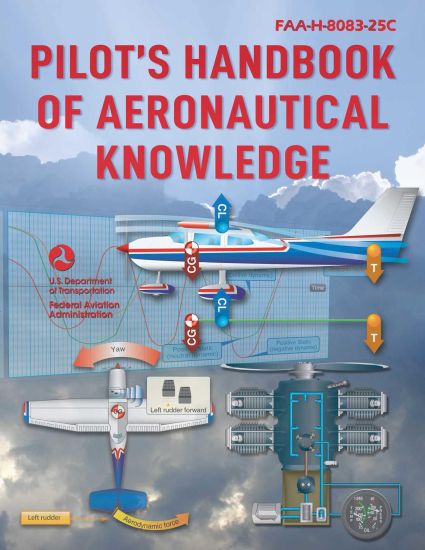
THE ESSENTIAL FULL-COLOR HANDBOOK FOR PILOTS, IN A NEW EDITION FOR USE IN 2025 AND BEYOND This handbook, first released by the Federal Aviation Administration in 2023, supersedes the previous edition FAA-H-8083-25B, dated 2016 (with addenda released February 2021, January 2022, and March 2023). This official Federal Aviation Administration (FAA) handbook provides basic knowledge essential for pilots on topics like decision-making, aerodynamics, flight controls, weather theory, airport operations, and more. Pilot's Handbook of Aeronautical Knowledge introduces pilots to the broad spectrum of information that will be needed as they progress in their pilot training. Written for the pilot preparing for a remote, sport, private, commercial, or flight instructor certificate, it is a key reference with all the information necessary to operate an aircraft and to pass the FAA Knowledge Exam and Practical Test. Chapter subjects include the following: Introduction to Flying Aeronautical Decision-Making Aircraft Construction Principles of Flight Aerodynamics of Flight Flight Controls Aircraft Systems Flight Instruments Flight Manuals and Other Documents Weight and Balance Aircraft Performance Weather Theory Aviation Weather Services Airport Operations Airspace Navigation Aeromedical Factors Readers are introduced to flying and a history of flight, criteria and examinations required for earning various pilot certificates, how to plan their flight education, and more. With dozens of full-color illustrations, photographs, diagrams, graphs, and charts, this handbook provides crucial tools for aspiring pilots in their knowledge exams and beyond. Beginners and advanced pilots alike will find the Pilot's Handbook of Aeronautical Knowledge to be a critical resource for all things aviation, updated with the most current FAA information, an index, a glossary, and appendices of common acronyms, abbreviations, NOTAM contractions, and airport signs.
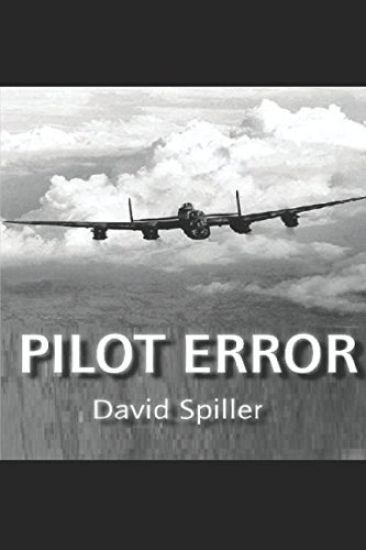
It is 1964, and Chris Nash is 20. His mother is married to Reg, whom Chris thinks is his father. He is therefore astonished when she tells him that his real father was a pilot, John Gregson, killed during the 2nd World War in an accident training Australian air crews. Chris sets out to discover more about the little-known incident. He tracks down his father's only living relative, and visits the site of the crash, near a small church in Bedfordshire. In flashback we see what happened to Gregson during the three days before the accident. He conducted his last bombing flight over Germany, and was seduced by an actress called Sarah. He visited his fianc e (Chris's mother), who broke off their engagement; unknown to him she was pregnant with Chris.To commemorate the airmen who died in the crash, Chris organises a memorial stone in the Bedfordshire churchyard, and a church service. To his amazement a surprise guest turns up: an Australian who was the one survivor. In talking to local people who were involved in the accident, and to his father's former engineer, Chris comes to believe there were seven airmen on the plane, not six as previously believed. And when he locates Sarah, the actress who seduced his father 20 years earlier, she tells him something that plays havoc with the lives of his whole family.