Kirjojen hintavertailu. Mukana 11 244 527 kirjaa ja 12 kauppaa.

Kirjahaku

Etsi kirjoja tekijän nimen, kirjan nimen tai ISBN:n perusteella.

1000 tulosta hakusanalla Randolph T Perry-Smith

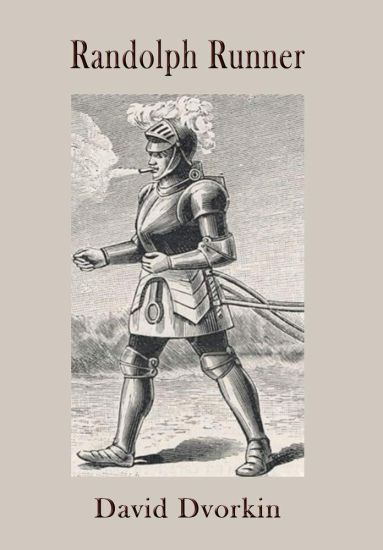
Randolph Runner

Randolph Runner

David Dvorkin

David Dvorkin
2020
sidottu
Butler, warrior, moral philosopher, robot. Randolph is all that and more.Randolph is the prized product of Superior Domestics, a Silicon Valley firm dedicated to producing robot servants for people who grew up watching British period costume dramas on PBS. The company's motto is, "All the gracious living of Upstairs with none of the unseemly drama of Downstairs."When the novel opens with the assassination of King Donald II and a coup d' tat, Randolph epitomizes that motto. He is calm, quiet, supremely competent, always in the background, and never interfering. He is a mere witness to great events. He is focused on supervising his staff and properly running the household of General Henry Redgrave, architect of the coup and would-be power behind the throne.But Redgrave's ambitions go far beyond standing behind the throne. He wants to be king himself, and eventually an emperor. Using the crazies of the Hundred Star Flag movement, he begins his intended wave of southern conquest at the Mexican border.Others have similar ambitions. Anton Moravec, president of a unified, revitalized, and aggressively expansionist European Union, is at war with Russia. His ally, China, is eating up Russian territory at the other end. India watches nervously.Two beautiful women, natural enemies, are the objects of passion of both men. Lurking in the background are the surviving members of the Trump family, scheming to get back into power.War Romance Sex Skulduggery Artificial Intelligence And lots of other stuff, too.It's all really terribly complicated. Randolph, whose personal motto is, "A place for everything and everything in its place," could probably organize all this and bring about peace and quiet, but what human would knowingly hand that much responsibility over to a machine?In fact, unthinking, humans have already done so. Increasingly, autonomous machines have taken over tedious duties such as transporting cargo, performing minor surgery, and blowing away trespassers. Randolph is aware of these machines but looks down on them. He and his fellow robot servants are true artificial intelligence, but the digital brains operating these other machines are merely very advanced computers. In Randolph's opinion, they only simulate AI. However, those other machines have thoughts of their own.As the world descends further into chaos, Randolph is drawn in, ever less the observer and ever more the participant, until at the end he is the very center of all.

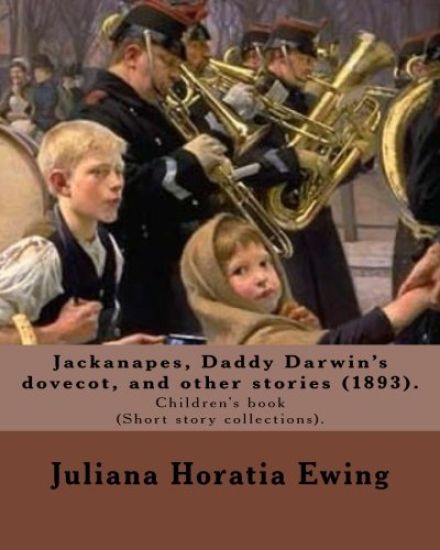
Jackanapes, Daddy Darwin's dovecot, and other stories: By: Juliana Horatia Ewing, Illustrated By: Randolph Caldecott (22 March 1846 -12 February 1886)
Randolph Caldecott ( 22 March 1846 - 12 February 1886) was an English artist and illustrator, born in Chester. The Caldecott Medal was named in his honour. He exercised his art chiefly in book illustrations. His abilities as an artist were promptly and generously recognised by the Royal Academy. Caldecott greatly influenced illustration of children's books during the nineteenth century. Two books illustrated by him, priced at a shilling each, were published every Christmas for eight years. Caldecott also illustrated novels and accounts of foreign travel, made humorous drawings depicting hunting and fashionable life, drew cartoons and he made sketches of the Houses of Parliament inside and out, and exhibited sculptures and paintings in oil and watercolour in the Royal Academy and galleries............................. Juliana Horatia Ewing (n e Gatty) (3 August 1841 - 13 May 1885) was an English writer of children's stories. She displayed sympathetic insight into children's lives, admiration for things military, and strong religious faith. Youth and marriage: Known as Julie, she was the second of ten children of the Reverend Alfred Gatty, vicar of Ecclesfield in Yorkshire, and Margaret Gatty, who was herself a children's author. The children were educated mainly by her mother, but Julie was often the driving force behind their various activities: drama, botany etc. Later she was responsible for setting up a village library in Ecclesfield and helped out in the parish with her three sisters. Early stories of hers appeared in Charlotte Yonge's magazine Monthly Packet. On 1 June 1867, she married Major Alexander Ewing (1830-1895) of the army pay department. He was also a keen churchgoer, who shared his wife's interest in literature. Within a week of their marriage, the Ewings left England for Fredericton, New Brunswick, Canada, where he had received a new posting. They remained there for two years, before returning to England in 1869 and spending eight years in the army town of Aldershot. Although her husband was sent overseas again, to Malta in 1879 and Sri Lanka in 1881, Ewing's poor health would not allow her to accompany him. The Ewings moved to Trull, Somerset, on his return in 1883, and in 1885, to Bath, in the hopes that the change of air would do her good. However, her health continued to deteriorate, and after two operations, she died there on 13 May 1885.She was given a military funeral at Trull three days later. Her sister Horatia Katharine Frances Gatty (1846-1945) published a memorial of Julie's life and works which includes a publication history of her stories. A later selection includes some of Julie's letters and drawings about Canada. A biography by Gillian Avery appeared in 1961. "Child-novels" Roger Lancelyn Green calls her works the "first outstanding child-novels" in English literature. Her works are notable for their sympathetic insight into child life, their admiration for things military, and their reflection of her strong Anglican faith. They include Mrs. Overtheway's Remembrances (1869), A Flat Iron for a Farthing (1872), Six to Sixteen (1875), Jackanapes (1884), Daddy Darwin's Dovecot (1884), and The Story of a Short Life (1885). The latter story inspired Grace Kimmins to start the Guild of the Poor Brave Things to help children with disabilities in London. Grace (and later Ada Vachell took their motto Laetus sorte mea (Happy in my lot) from Ewing's book. Rudyard Kipling claimed to know her novel Jan of the Windmill (1872-3, 1876) almost by heart. He wrote in his autobiography, Something of Myself, "One book] I have still, a bound copy of Aunt Judy's Magazine of the early 'seventies, in which appeared Mrs. Ewing's Six to Sixteen. I owe more in circuitous ways to that tale than I can tell. I knew it, as I know it still, almost by heart. Here was a history of real people and real things."Her story The Brownies (1865) gave the Baden-Powells the idea and the name for the junior level of the
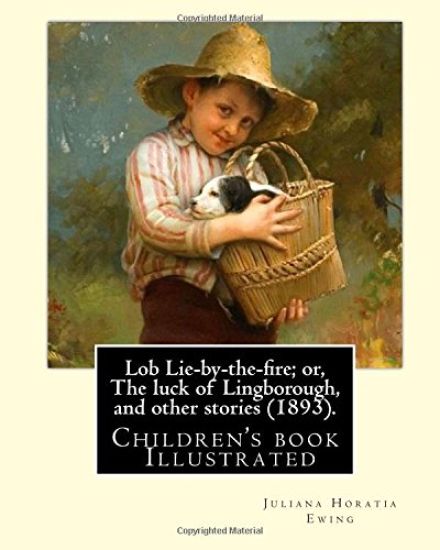
Lob Lie-by-the-fire; or, The luck of Lingborough, and other stories (1893). By: Juliana Horatia Ewing, Illustrated By: Randolph Caldecott: (children's
Randolph Caldecott ( 22 March 1846 - 12 February 1886) was an English artist and illustrator, born in Chester. The Caldecott Medal was named in his honour. He exercised his art chiefly in book illustrations. His abilities as an artist were promptly and generously recognised by the Royal Academy. Caldecott greatly influenced illustration of children's books during the nineteenth century. Two books illustrated by him, priced at a shilling each, were published every Christmas for eight years. Caldecott also illustrated novels and accounts of foreign travel, made humorous drawings depicting hunting and fashionable life, drew cartoons and he made sketches of the Houses of Parliament inside and out, and exhibited sculptures and paintings in oil and watercolour in the Royal Academy and galleries.......................... Juliana Horatia Ewing (n e Gatty) (3 August 1841 - 13 May 1885) was an English writer of children's stories. She displayed sympathetic insight into children's lives, admiration for things military, and strong religious faith. Youth and marriage: Known as Julie, she was the second of ten children of the Reverend Alfred Gatty, vicar of Ecclesfield in Yorkshire, and Margaret Gatty, who was herself a children's author. The children were educated mainly by her mother, but Julie was often the driving force behind their various activities: drama, botany etc. Later she was responsible for setting up a village library in Ecclesfield and helped out in the parish with her three sisters. Early stories of hers appeared in Charlotte Yonge's magazine Monthly Packet. On 1 June 1867, she married Major Alexander Ewing (1830-1895) of the army pay department. He was also a keen churchgoer, who shared his wife's interest in literature. Within a week of their marriage, the Ewings left England for Fredericton, New Brunswick, Canada, where he had received a new posting. They remained there for two years, before returning to England in 1869 and spending eight years in the army town of Aldershot. Although her husband was sent overseas again, to Malta in 1879 and Sri Lanka in 1881, Ewing's poor health would not allow her to accompany him. The Ewings moved to Trull, Somerset, on his return in 1883, and in 1885, to Bath, in the hopes that the change of air would do her good. However, her health continued to deteriorate, and after two operations, she died there on 13 May 1885.She was given a military funeral at Trull three days later. Her sister Horatia Katharine Frances Gatty (1846-1945) published a memorial of Julie's life and works which includes a publication history of her stories. A later selection includes some of Julie's letters and drawings about Canada. A biography by Gillian Avery appeared in 1961. "Child-novels" Roger Lancelyn Green calls her works the "first outstanding child-novels" in English literature. Her works are notable for their sympathetic insight into child life, their admiration for things military, and their reflection of her strong Anglican faith. They include Mrs. Overtheway's Remembrances (1869), A Flat Iron for a Farthing (1872), Six to Sixteen (1875), Jackanapes (1884), Daddy Darwin's Dovecot (1884), and The Story of a Short Life (1885). The latter story inspired Grace Kimmins to start the Guild of the Poor Brave Things to help children with disabilities in London. Grace (and later Ada Vachell took their motto Laetus sorte mea (Happy in my lot) from Ewing's book. Rudyard Kipling claimed to know her novel Jan of the Windmill (1872-3, 1876) almost by heart. He wrote in his autobiography, Something of Myself, "One book] I have still, a bound copy of Aunt Judy's Magazine of the early 'seventies, in which appeared Mrs. Ewing's Six to Sixteen. I owe more in circuitous ways to that tale than I can tell. I knew it, as I know it still, almost by heart. Here was a history of real people and real things.".....
Randolph Caldecott: A Personal Memoir of His Early Art Career
Moon of Treason, a classical book, has been considered essential throughout the human history, and so that this work is never forgotten we at Alpha Editions have made efforts in its preservation by republishing this book in a modern format for present and future generations. This whole book has been reformatted, retyped and designed. These books are not made of scanned copies of their original work and hence the text is clear and readable.