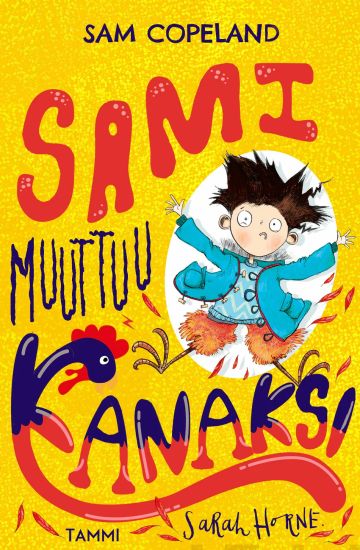
Kaikesta voi selvitä!Lämmin ja hullunhauska tarina yhdeksänvuotiaasta Samista, jonka huolet muuttavat yhtäkkiä milloin miksikin eläimeksi.Ongelmana on se, että Sami muuttuu eläimeksi vain silloin, kun hänellä on huolia - ja tällä hetkellä Samilla on tosi paljon huolia. Hän on huolissaan veljestään (joka on sairaalassa), vanhemmistaan (jotka ovat huolissaan veljestä), öykkärikaverista (joka kiusaa Samia). Onneksi Samilla on kolme hyvää ystävää, jotka auttavat häntä pähkähulluissa tilanteissa muodonmuutosten keskellä. Lämmin ja hullunhauska tarina Samista ja hänen perheestään osoittaa kuinka kaikesta voi selvitä - vaikka muuttuisi kanaksi.Jaana Kapari-Jatan riemastuttava suomennos.Sam Copeland on kotoisin Manchesterista. Nykyään hän asuu Lontoossa vaimonsa, kolmen lapsensa ja kahden kissansa kanssa. Hän työskentelee kanakuiskaajana ja matkustaa ympäri maailmaa kesyttämässä villikanoja. Sami muuttuu kanaksi on Sam Copelandin ensimmäinen lastenkirja. Hän on uhannut kirjoittaa lisää.
Samin hillittömät muodonmuutokset jatkuvat!Kolmas hullunhauska teos Samista, jonka huolet muuttavat yhtäkkiä milloin miksikin eläimeksi.Pystyykö Sami ratkaisemaan kadonneiden lemmikkieläinten arvoituksen? Tai vaikuttamaan siihen miksi eläimeksi hän itse muuttuu?Hervotonta huumoria ja merkillisiä käänteitä Roald Dahlin ja David Walliamsin tapaan Jaana Kapari-Jatan riemastuttavasti suomentamana.Copelandin kirjaa lukiessa tuli monessa paikkaa kohdalle sellainen ongelma, että oli kertakaikkiaan pakko pysähtyä ja lukea pätkä heti jollekulle ääneen. Ehdottomasti raikas ja virkistävä lastenkirjauutuus! Siniset helmetNiin hauska! Nauraa kihersin julkisesti lukiessani kirjaa. Ja se myös hyvin käsittelee taitavasti huolia ja pelkoa. Erittäin ovela ja viisas kirja. Ja kiitos kirjan, olen täysin liekeissä puluun nimeltä Jean-Claude. Rashmi Sirdeshpande, My Year 2019 in BooksSam Copeland on kotoisin Manchesterista. Nykyään hän asuu Lontoossa vaimonsa, kolmen lapsensa ja kahden kissansa kanssa. Hän työskentelee myös mammuttien trimmaajana, trimmaten mammutteja niin että ne voivat rauhassa piiloutua norsujen joukkoon pakoon uteliailta tutkijoilta. Sami muuttuu mammutiksi on Sam Copelandin kolmas lastenkirja. Hän ei aio lopettaa kirjoittamista, huolimatta lakimiesten uhkailuista...
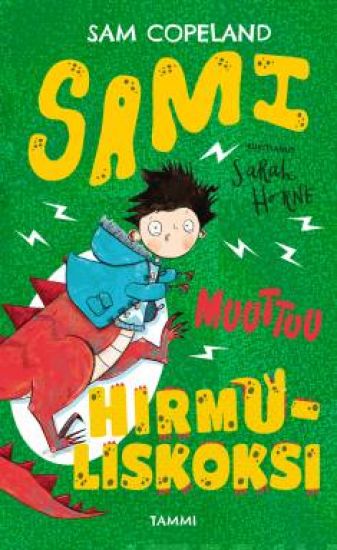
Mitä tekisit, jos huomaisit muuttuneesi hirmuliskoksi?Toinen hullunhauska teos Samista, jonka huolet muuttavat yhtäkkiä milloin miksikin eläimeksiJuuri kun veli parani ja koulussakin alkoi sujua, Samin elämä menee uudestaan mullin mallin. Isällä on talousongelmia ja perhe joutuu ehkä myymään kotinsa ja muuttamaan Brenda-tädin luo. Tädillä on seitsemäntoista kissaa ja puujalka...Pystyykö Sami enää vaikuttamaan siihen, milloin hän muuttuu eläimeksi? Ja pystyykö hän muuttumaan takaisin Samiksi vai jääkö ikuisesti vaikka kyyhkyseksi?Hervotonta huumoria ja merkillisiä käänteitä Roald Dahlin ja David Walliamsin tapaan. Jaana Kapari-Jatan riemastuttava suomennos.”Moderni mestariteos” Daily TelegraphSam Copeland on kotoisin Manchesterista. Nykyään hän asuu Lontoossa vaimonsa, kolmen lapsensa ja kahden kissansa kanssa. Hän työskentelee kanakuiskaajana ja matkustaa ympäri maailmaa kesyttämässä villikanoja. Sami muuttuu hirmuliskoksi on Sam Copelandin toinen lastenkirja. Hän on uhannut jatkaa kirjoittamista.
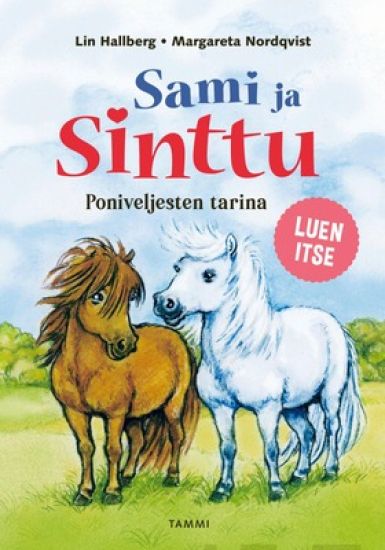
Kurkista veijariponien menneisyyteen!Helppolukuisessa romaanissa ratsastuksenopettaja Inka muistelee poikiensa kanssa, miten suosikkishettikset Sami ja Sinttu päätyivät heidän luokseen.On ilta, ja veljekset Erkki ja Simo pyytävät äitiään kertomaan heille lapsuusmuistoja ajoilta, jolloin he asuivat vielä Englannissa. Tänään vuorossa on tarina siitä, kuinka pojat tapasivat ensimmäistä kertaa rakkaat poninsa Samin ja Sintun. Vaikka kummankin ponin kanssa oli omat kommervenkkinsa, oli alusta asti selvää, että poniveljekset olivat löytäneet oikean kotinsa.Kirjailija Lin Hallberg on vuosikymmenten kokemus hevosista ja ratsastuksen opettamisesta. Nykyisin hän kirjoittaa Sinttu-sarjan kirjoja paitsi Tukholman-asunnossaan myös hevostilallaan Österlenissä, jossa hevoset laiduntavat aivan hänen ikkunansa alla. Myös kuvittaja Margareta Nordqvistilla on hevostaustaa, mikä tuo hänen kuvituksiinsa aitoa tallitunnelmaa.
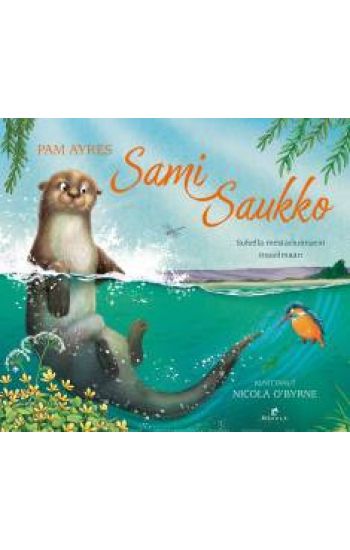
”Olen Sami Saukko, minä asun joen rannalla...” Viehättävä riimitelty tarina sukeltaa puhtaisiin ja kalaisiin vesiin, joissa leikkisät saukot viihtyvät. Sami Saukko tapaa retkillään Saijan, ja kohta kotipesässä tuhisee ponteva saukkopoikue. Eikä aikaakaan, kun pennut ovat valmiit pulahtamaan uimakouluun! Upeasti kuvitettu kirja täydentyy saukoista kertovalla tieto-osuudella.
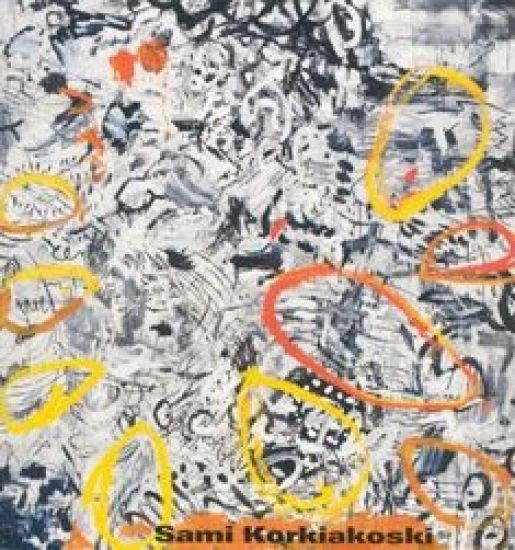
"Työskentelyni on pitkäjänteistä kokeilua. Leikin maalilla ja viivojen rytmeillä. Niillä pyrin ilmaisemaan tuntemuksia, jotka heräävät minussa musiikkia kuunnellessa ja elämääni pohtiessa. Kutsun maalauksiani piirustuksiksi, koska viivat ja niiden muodot ovat teoksissani usein avainasemassa. Kuvaan näkymätöntä todellisuutta ja alitajuntaa. Olen tunnemaalari."" My work is longterm experimentation. I play with paint and the rythm of lines. I try to express feelings with them, feelings that are awakened when I listen to music and contemplate my life. I call my paintings drawings because the lines and forms in them often play a key role. I depict an invisible reality and the subconscious. I am a painter of feelings."Sami Korkiakoski
The most comprehensive collection of Sámi folktales ever translated into English From the vast region of Northern Sápmi comes Sámi Folktales from the Near and Far Worlds, the most extensive compilation of Sámi narratives recorded from Sámi storytellers ever published in English translation. Comprising more than 300 folktales and legends from northern Norway, including many from the coastal Sámi and the Skolt Sámi of eastern Finnmark, this volume illuminates an oral storytelling tradition and shares narratives told by fishers, farmers, reindeer herders, lay preachers, and teachers from the interior plateaus and valleys to the Arctic fjords. Originally recorded in the late nineteenth and early twentieth centuries by the Norwegian philologist Just Knud Qvigstad and the Sámi politician and folklorist Isak Saba, this collection spans centuries of storytelling in multiple genres, from migratory fairytales with kings and princesses to legends of ghosts and the Devil to fables with talking animals. A young lad from a poor family embarks on a quest through the wilderness to find treasure, receiving help from a wise female elder along his path. A Sámi boy falls in love with a háldi girl from another world, and they find a way to marry. A man carries sickness out of a village and stops the plague from spreading. Cunning foxes outsmart bears and humans alike. The villainous Chudes are tricked, foiled in their plans to steal from and kill the Sámi. People are turned into wolves, able to turn back only if they don't taste the blood of a reindeer or if they are given cooked food. The ogre Stállu appears again and again, terrorizing the community until he's outwitted or subdued. Rávgas, undead creatures of the sea, drag themselves out of the depths to lure others to their demise. With historical context that reveals the cultural resilience of the Sámi people, Sámi Folktales from the Near and Far Worlds honors these traditional narratives, often overlooked in other folktale anthologies from the Nordic countries. Translator Barbara Sjoholm's insightful introduction describes Qvigstad's and Saba's backgrounds and their work in gathering and translating these essential texts, and she introduces Sámi storytellers Johan Aikio, Efraim Pedersen, and Elen Utsi, who contributed dozens of stories. An unprecedented trove of Sámi narratives, this expansive collection brings most of these tales to English readers for the first time, marking a major contribution to Indigenous folk literature and enhancing a broader understanding of Sámi and Nordic cultures. Retail e-book files for this title are screen-reader friendly with images accompanied by short alt text and/or extended descriptions.
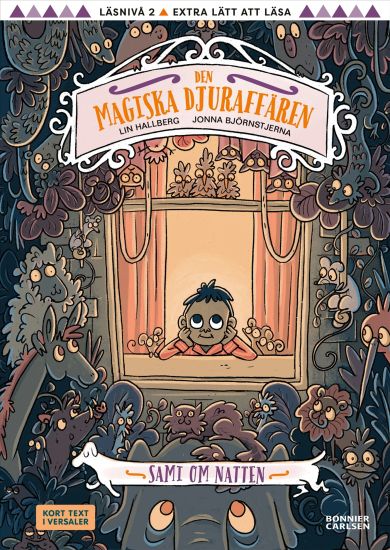
I den tionde boken i Lin Hallberg och Jonna Björnstjernas populära Extra lätt att läsa-serie (med text i versaler) har turen kommit till Sami som har svårt att sova. Ljuden från staden utanför sovrumsfönstret skrämmer honom. De påminner om ljud han hört förut. Kan det finnas ett djur som passar för Sami hos tanten i Den magiska djuraffären? Kanske ett vaksamt nattdjur som hjälper honom att komma till ro på kvällen. Läs också: ”Novas hemlighet”, ”En kompis till Leo”, ”Ester längtar”, ”Brunos Bus”, ”Rädda Rut”, ”Bos bästis”, ”Noas resa”, ”Titta på Indy” och ”Ella vågar”.
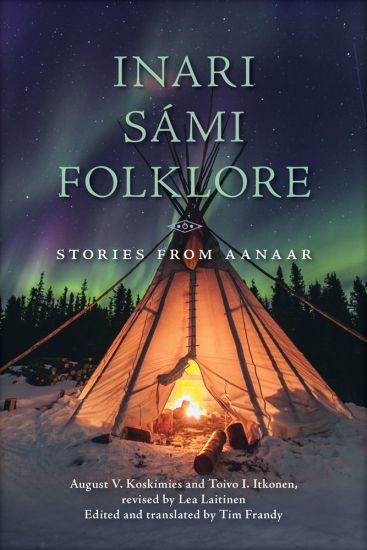
A rich multivoiced anthology of folktales, legends, joik songs, proverbs, riddles, and other verbal art, this is the most comprehensive collection of Sámi oral tradition available in English to date. Collected by August V. Koskimies and Toivo I. Itkonen in the 1880s from nearly two dozen storytellers from the arctic Aanaar (Inari) region of northeast Finland, the material reveals a complex web of social relations that existed both inside and far beyond the community.First published in 1918 only in the Aanaar Sámi language and in Finnish, this anthology is now available in a centennial English-language edition for a global readership. Translator Tim Frandy has added biographies of the storytellers, maps and period photos, annotations, and a glossary. In headnotes that contextualize the stories, he explains such underlying themes as Aanaar conflicts with neighboring Sámi and Finnish communities, the collapse of the wild reindeer populations less than a century before, and the pre-Christian past in Aanaar. He introduces us to the bawdy humor of Antti Kitti, the didacticism of Iisakki Mannermaa, and the feminist leanings of Juho Petteri Lusmaniemi, emphasizing that folktales and proverbs are rooted in the experiences of individuals who are links in a living tradition.
A rich multivoiced anthology of folktales, legends, joik songs, proverbs, riddles, and other verbal art, this is the most comprehensive collection of Sámi oral tradition available in English to date. Collected by August V. Koskimies and Toivo I. Itkonen in the 1880s from nearly two dozen storytellers from the arctic Aanaar (Inari) region of northeast Finland, the material reveals a complex web of social relations that existed both inside and far beyond the community.First published in 1918 only in the Aanaar Sámi language and in Finnish, this anthology is now available in a centennial English-language edition for a global readership. Translator Tim Frandy has added biographies of the storytellers, maps and period photos, annotations, and a glossary. In headnotes that contextualize the stories, he explains such underlying themes as Aanaar conflicts with neighboring Sámi and Finnish communities, the collapse of the wild reindeer populations less than a century before, and the pre-Christian past in Aanaar. He introduces us to the bawdy humor of Antti Kitti, the didacticism of Iisakki Mannermaa, and the feminist leanings of Juho Petteri Lusmaniemi, emphasizing that folktales and proverbs are rooted in the experiences of individuals who are links in a living tradition.
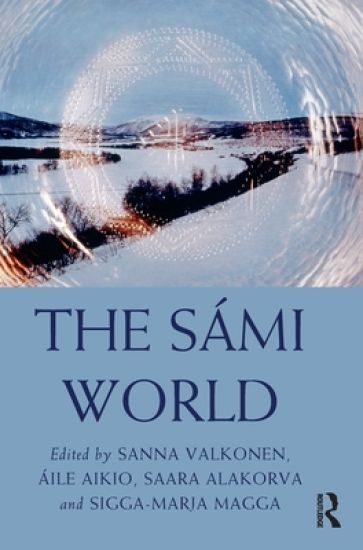
This book provides a comprehensive and multifaceted analysis of the Sámi society and its histories and people, offering valuable insights into how they live and see the world. The chapters examine a variety of social and cultural practices, and consideration is given to environment, legal and political conditions and power relations. The contributions by a range of experts of Sámi studies and Indigenous scholars are drawn from across the Sápmi region, which spans from central Norway and central Sweden across Finnish Lapland to the Kola Peninsula in Russia. Sámi perspectives, concepts and ways of knowing are foregrounded throughout the volume. The material connects with wider discussions within Indigenous studies and engages with current concerns relating to globalization, environmental and cultural change, Arctic politics, multiculturalism, postcolonialism and neoliberalism. The Sámi World will be of interest to scholars from a number of disciplines, including Indigenous studies, anthropology, sociology, geography, history and political science.
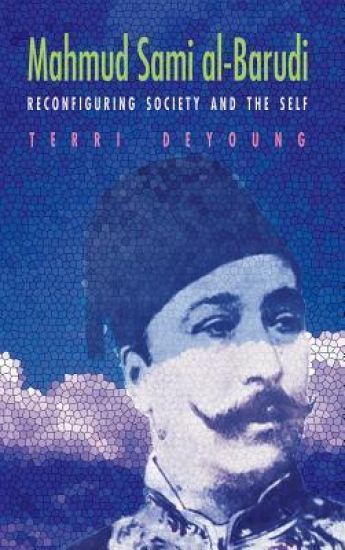
To explore the life of Mahmud Sami al-Barudi is to gain a nuanced perspective on the many facets - the perils and promises - of change in the rapidly modernizing Egypt of the nineteenth century. Al-Barudi, sole scion of a Turko-Circassian elite family that clung precariously to a legacy of position and power, turned his military education into a government career that ended with his elevation to the office of prime minister. He served briefly before the British invasion in 1882 put an end to Egypt’s independence for seventy years.As prime minister, al-Barudi focused on drafting and passing into law Egypt’s first constitution, an achievement that was summarily swept aside by the British occupation. Similarly, the prime minister’s efforts to modernize and improve the educational system were systematically undermined by the policies of colonial rule in the 1880s and 1890s. Although his reforms ultimately failed, al-Barudi was recognized among his contemporaries as the most consistent supporter of liberalism and eventually democratic representation and constitutionalism. For his boldness, he paid a price. He was exiled by the British to Ceylon for seventeen years and returned to Egypt in 1901 as a blind, prematurely aged, and broken man.Even before he made an impact as a political leader, al-Barudi had made a name for himself as the most original and adventurous poet of his generation. DeYoung charts the development of al-Barudi’s poetry through his youth, his career in government, his philosophical and elegiac reflections while in exile, and his return to Egypt at the beginning of a new century. Connecting the themes found in his more influential poems - among the more than 400 lyrics he composed - to the turbulent events of his political life and to his equally fierce desire to innovate artistically throughout his literary career, DeYoung offers a vivid portrait of one of the most influential pioneers of Arabic poetry.
This book sets out to document and analyse the Sámi narrative tradition. It considers the worldviews inherent in the narratives and links them to traditional cosmology and other cultural expressions (such as joik and duodji). The chapters address a variety of issues, including care for children, the perception of nature, disputes over land and natural resources, local justice, the spiritual world of everyday life, and Læstadianism. Sketching Sámi history and the cultural context of storytelling, Nergård also considers the modern challenge for the narrative tradition. Drawing on long-term fieldwork and research, the volume is valuable reading for Indigenous studies and disciplines such as anthropology.
This book sets out to document and analyse the Sámi narrative tradition. It considers the worldviews inherent in the narratives and links them to traditional cosmology and other cultural expressions (such as joik and duodji). The chapters address a variety of issues, including care for children, the perception of nature, disputes over land and natural resources, local justice, the spiritual world of everyday life, and Læstadianism. Sketching Sámi history and the cultural context of storytelling, Nergård also considers the modern challenge for the narrative tradition. Drawing on long-term fieldwork and research, the volume is valuable reading for Indigenous studies and disciplines such as anthropology.
This book provides a comprehensive and multifaceted analysis of the Sámi society and its histories and people, offering valuable insights into how they live and see the world. The chapters examine a variety of social and cultural practices, and consideration is given to environment, legal and political conditions and power relations. The contributions by a range of experts of Sámi studies and Indigenous scholars are drawn from across the Sápmi region, which spans from central Norway and central Sweden across Finnish Lapland to the Kola Peninsula in Russia. Sámi perspectives, concepts and ways of knowing are foregrounded throughout the volume. The material connects with wider discussions within Indigenous studies and engages with current concerns relating to globalization, environmental and cultural change, Arctic politics, multiculturalism, postcolonialism and neoliberalism. The Sámi World will be of interest to scholars from a number of disciplines, including Indigenous studies, anthropology, sociology, geography, history and political science.
Why Sámi Sing is an anthropological inquiry into a singing practice found among the Indigenous Sámi people, living in the northernmost part of Europe. It inquires how the performance of melodies, with or without lyrics, may be a way of altering perception, relating to human and non-human presences, or engaging with the past. According to its practitioners, the Sámi "yoik" is more than a musical repertoire made up by humans: it is a vocal power received from the environment, one that reveals its possibilities with parsimony through practice and experience. Following the propensity of Sámi singers to take melodies seriously and experiment with them, this book establishes a conversation between Indigenous and Western epistemologies and introduces the "yoik" as a way of knowing in its own right, with both convergences and divergences vis-à-vis academic ways of knowing. It will be of particular interest to scholars of anthropology, ethnomusicology, and Indigenous studies.*Honourable Mention - International Council for Traditions of Music and Dance Book Prize 2024*
Why Sámi Sing is an anthropological inquiry into a singing practice found among the Indigenous Sámi people, living in the northernmost part of Europe. It inquires how the performance of melodies, with or without lyrics, may be a way of altering perception, relating to human and non-human presences, or engaging with the past. According to its practitioners, the Sámi "yoik" is more than a musical repertoire made up by humans: it is a vocal power received from the environment, one that reveals its possibilities with parsimony through practice and experience. Following the propensity of Sámi singers to take melodies seriously and experiment with them, this book establishes a conversation between Indigenous and Western epistemologies and introduces the "yoik" as a way of knowing in its own right, with both convergences and divergences vis-à-vis academic ways of knowing. It will be of particular interest to scholars of anthropology, ethnomusicology, and Indigenous studies.*Honourable Mention - International Council for Traditions of Music and Dance Book Prize 2024*
North Sámi: An Essential Grammar is the most up-to-date work on North Sámi grammar to be published in English. The book provides: a clear and comprehensive overview of modern Sámi grammar including examples drawn from authentic texts of various genres. a systematic order of topics beginning with the alphabet and phonology, continuing with nominal and verbal morphology and syntax, and concluding with more advanced topics such as discourse particles, complex sentences, and word formation. full explanations of the grammatical terminology for the benefit of readers without a background in linguistics. Suitable for linguists, as well as independent and classroom-based students, North Sámi: An Essential Grammar is an accessible but thorough introduction to the essential morphology and syntax of modern North Sámi, the largest of the Sámi languages.