Kirjojen hintavertailu. Mukana 11 244 527 kirjaa ja 12 kauppaa.

Kirjahaku

Etsi kirjoja tekijän nimen, kirjan nimen tai ISBN:n perusteella.

1000 tulosta hakusanalla Tracy Tandy

Understanding Tracy Letts

Understanding Tracy Letts

Thomas Fahy

University of South Carolina Press
2020
sidottu
Winner of the Pulitzer Prize in drama as well as Tony Awards for best play and best actor, Tracy Letts has emerged as one of the greatest playwrights of the twenty-first century.Understanding Tracy Letts, the first book dedicated to his writing, is an introduction to his plays and an invitation to engage more deeply with his work--both for its emotional power and cultural commentary.Experiencing a Tracy Letts play often feels akin to reading a Cormac McCarthy novel, watching a Cohen Brothers film, and seeing an episode of Breaking Bad at the same time. His characters can be ruthlessly cruel and funny, selfish and generous, delusional and incisive, and deceptive and painfully honest. They keep secrets. They harbor biases and misconceptions. And in their quest to find love and understanding, they often end up being the greatest impediments to their own happiness. As a writer, Letts can move seamlessly from the milieu of a Texas trailer park to the pulsating nightlife of London's countercultural scene, the stifling quiet of small-town Ohio to the racial tensions of urban Chicago. He thrives in the one-act format, in plays like Mary Page Marlow and The Minutes, as well as the epic scope of August: Osage County and Linda Vista. With a musician's sense of timing, Letts shifts between humor and heartache, silence and sound, and the mundane and the poetic. And he fearlessly tackles issues such as gender bias, racism, homophobia, and disability rights. Contemporary American life thus becomes a way to comment on the country's troubled history from Native American genocide to the civil rights movement. The personal narratives of his characters become gateways to the political.Understanding Tracy Letts celebrates the range of Letts's writing, in part, by applying different critical approaches to his works. Whether through the lens of disability studies, the conspiracy genre, food studies, the feminist politics of quilting, or masculinity studies, these readings help bring out the thematic richness and sociopolitical dimensions of Letts's work.
Understanding Tracy Letts

Understanding Tracy Letts

Thomas Fahy

University of South Carolina Press
2020
nidottu
Winner of the Pulitzer Prize in drama as well as Tony Awards for best play and best actor, Tracy Letts has emerged as one of the greatest playwrights of the twenty-first century.Understanding Tracy Letts, the first book dedicated to his writing, is an introduction to his plays and an invitation to engage more deeply with his work--both for its emotional power and cultural commentary.Experiencing a Tracy Letts play often feels akin to reading a Cormac McCarthy novel, watching a Cohen Brothers film, and seeing an episode of Breaking Bad at the same time. His characters can be ruthlessly cruel and funny, selfish and generous, delusional and incisive, and deceptive and painfully honest. They keep secrets. They harbor biases and misconceptions. And in their quest to find love and understanding, they often end up being the greatest impediments to their own happiness. As a writer, Letts can move seamlessly from the milieu of a Texas trailer park to the pulsating nightlife of London's countercultural scene, the stifling quiet of small-town Ohio to the racial tensions of urban Chicago. He thrives in the one-act format, in plays like Mary Page Marlow and The Minutes, as well as the epic scope of August: Osage County and Linda Vista. With a musician's sense of timing, Letts shifts between humor and heartache, silence and sound, and the mundane and the poetic. And he fearlessly tackles issues such as gender bias, racism, homophobia, and disability rights. Contemporary American life thus becomes a way to comment on the country's troubled history from Native American genocide to the civil rights movement. The personal narratives of his characters become gateways to the political.Understanding Tracy Letts celebrates the range of Letts's writing, in part, by applying different critical approaches to his works. Whether through the lens of disability studies, the conspiracy genre, food studies, the feminist politics of quilting, or masculinity studies, these readings help bring out the thematic richness and sociopolitical dimensions of Letts's work.
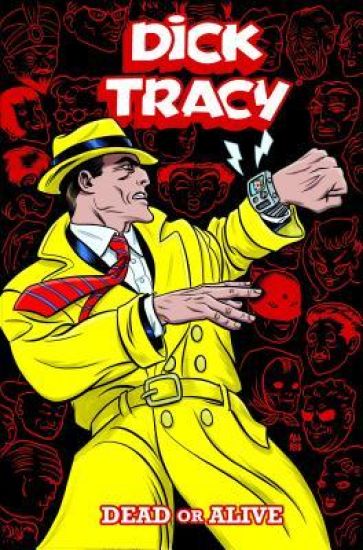
Dick Tracy: Dead or Alive

Dick Tracy: Dead or Alive

Michael Allred; Lee Allred

Idea Design Works
2019
pokkari
The AllAmerican detective just made the biggest collarof his career, and it only cost him his job! But now the honest cop has packedhis bags for "the city by the lake," and its criminals better watch out. It'sbizarre villains, crooked cops, and gunfights galore!Reimagined for the 21st century through aretro lens by the superstar team of Michael Allred, Lee Allred, Rich Tommaso andLaura Allred, Dick Tracy: Dead or Alive is a lock to be the popart event of theyear! Collects the fourissueseries.
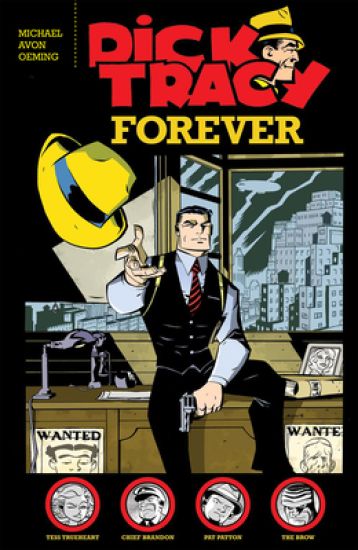
Dick Tracy Forever

Dick Tracy Forever

Michael Avon Oeming

Idea Design Works
2019
pokkari
Dick Tracy is Sisyphus, pushing the law boulder up thehill as he struggles for reason and order in a world with none. His attempts atlaw and order are met with crime and chaos, in the form of unpredictable andabsurd villains. But Dick Tracy will never give up trying, no matter the era orincarnation. Join Eisner Awardwinning creator Michael Avon Oeming (Powers, TheMice Templar) on a startling case through time and space! Collects thefourissue miniseries.
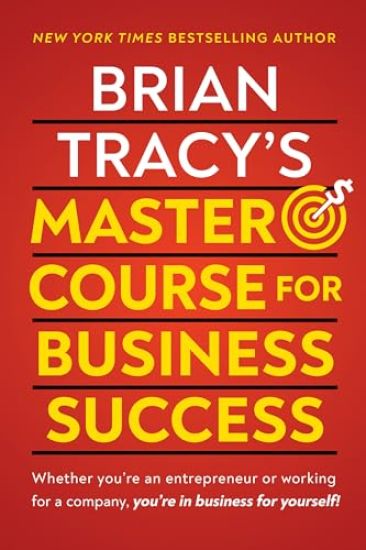
Brian Tracy's Master Course For Business Success
Whether you're an entrepreneur or working for a company, you're in business for yourself. You are selling products and services. You have to persuade buyers--employers as well as customers--that what you're offering is worth more than what they're paying. In this lively, concise, but thorough guide to the basic principles of business, Brian Tracy takes you through the skills you need to succeed, no matter who you are or what you're doing. You'll learn: The four communication styles and how to talk to each one. How to negotiate for a better deal on anything. Why you need to know how to sell. How to double your efficiency at work. Whether you have what it takes to start your own business. How to use other people's money to leverage yourself to success. How to gain access to your own creative genius. The art of managing money. A sure track to financial independence. The quickest and surest ways to make your fortune in real estate. And much, much more.Business success doesn't come from luck. As Brian shows, it's the result of setting clear, written goals and outlining precise steps for accomplishing them. Distilling decades of business and consulting experience, Brian provides a concentrated and high-powered dose of business expertise that will help you reach your highest aims.
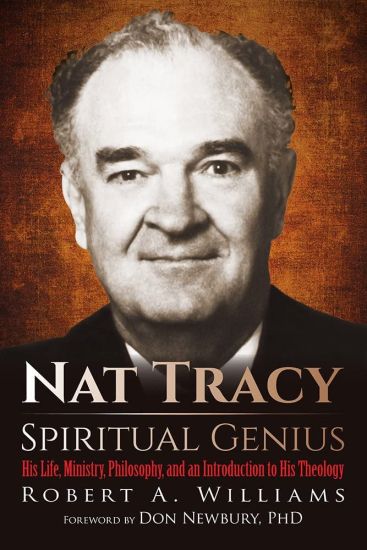
Nat Tracy - Spiritual Genius

Nat Tracy - Spiritual Genius

Robert A. Williams

Carpenter's Son Publishing
2018
pokkari
Nat Tracy-Spiritual Genius augments a tribute to a great man as contributing to education in general and especially to his genius with respect to his philosophical and theological world-views. It conveys his life, marking his childhood, education, early adulthood and vocation, first as pastor and ultimately as university professor. These include his commendation as chaplain in the United States Armed Forces during World War II, his successful pastorates, remarkable teaching tenure of twenty-five years, and founding and directing of the Conference on Spiritual Renewal. Precepts in his Christian world-view won him marked approbation by his students. Sixteen chapters convey his remarkable biblical insight that borders on theological genius unlike anything in print. These include three chapters on God, four on Christ, two on Man and the problem of Sin, two on the Christian Life, three on the Church, and two final chapters on Last Things, which deal with the Consummation and what we should do in light of the truths that have been presented throughout the book.
The bartlett mystery. By: Louis Tracy

The bartlett mystery. By: Louis Tracy

Louis Tracy

Createspace Independent Publishing Platform
2017
nidottu
Louis Tracy (1863 - 1928) was a British journalist, and prolific writer of fiction. He used the pseudonyms Gordon Holmes and Robert Fraser, which were at times shared with M. P. Shiel, a collaborator from the start of the twentieth century. He was born in Liverpool to a well-to-do middle-class family. At first he was educated at home and then at the French Seminary at Douai. Around 1884 he became a reporter for a local paper - 'The Northern Echo' at Darlington, circulating in parts of Durham and North Yorkshire; later he worked for papers in Cardiff and Allahabad. During 1892-1894 he was closely associated with Arthur Harmsworth, in 'The Sun' and 'The Evening News and Post'
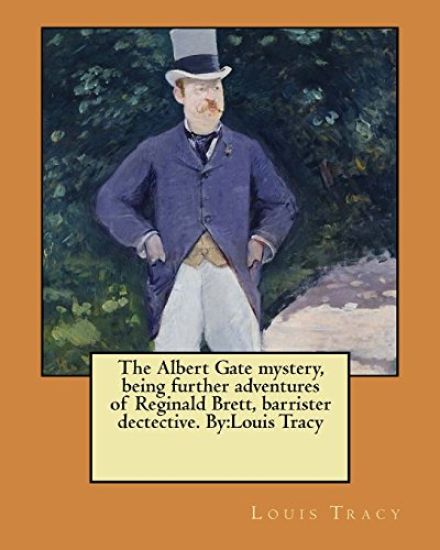
The Albert Gate mystery, being further adventures of Reginald Brett, barrister dectective. By: Louis Tracy
Louis Tracy (1863 - 1928) was a British journalist, and prolific writer of fiction. He used the pseudonyms Gordon Holmes and Robert Fraser, which were at times shared with M. P. Shiel, a collaborator from the start of the twentieth century. He was born in Liverpool to a well-to-do middle-class family. At first he was educated at home and then at the French Seminary at Douai. Around 1884 he became a reporter for a local paper - 'The Northern Echo' at Darlington, circulating in parts of Durham and North Yorkshire; later he worked for papers in Cardiff and Allahabad. During 1892-1894 he was closely associated with Arthur Harmsworth, in 'The Sun' and 'The Evening News and Post'
Spencer Tracy and Katharine Hepburn: Hollywood's Most Famous Couple

Spencer Tracy and Katharine Hepburn: Hollywood's Most Famous Couple

Charles River

Createspace Independent Publishing Platform
2018
nidottu
*Includes pictures. *Includes Hepburn and Tracy's quotes about their lives and careers. *Includes a bibliography for further reading. "Acting is the most minor of gifts and not a very high-class way to earn a living. After all, Shirley Temple could do it at the age of four." - Katharine Hepburn Of all the screen legends whose names remain synonymous with Hollywood, few took as long to become a star as Spencer Tracy, who is today recognized as one of the greatest actors ever but whose career did not truly take off until he was already in his mid-30s. After languishing with Fox for 5 years and over two dozen movies, one biographer had summed up his career to that point in time: "Tracy was scarcely a blip on the box office barometer in 1935, a critics' darling and little more." However, after joining MGM in 1935, Tracy catapulted to fame with one of the most impressive runs in Hollywood history, winning Oscars for Best Actor in 1938 and 1939 after already being nominated in 1937. Over the next three decades, Tracy would appear in classics like Captains Courageous and Judgment at Nuremburg, appear in 9 films with Katharine Hepburn, and receive 9 Oscar nominations over a span of 32 years, including for his final film, Guess Who's Coming to Dinner. Several contemporaries considered Tracy the greatest actor of his era, a sentiment summed up by actor Richard Widmark, who once said, "He's the greatest movie actor there ever was...I've learned more about acting from watching Tracy than in any other way." Tracy's career earned him an unbelievable number of accolades, and a place in the American Film Institute's Top 10 actors of the 20th century, but it's also an open question how much more he could have accomplished without a litany of health problems brought on by alcohol. Even as he went years at a time without drinking, the effects gradually wore him down physically, and by his early 60's, he needed full-time care, provided mostly by his most famous co-star and lover, Katharine Hepburn. Ironically, his relationship with Hepburn has actually served to overshadow his own acting career among modern viewers, even as his acting abilities remain universally recognized. Early in her career, there was no actress more controversial than Katharine Hepburn. By the end of her career, there was no actress more beloved than Katharine Hepburn. Famously labeled "box office poison" in 1938, it is clear that Hollywood was not prepared for the young Hepburn. Yet, even after being scorned by the general public, Hepburn still retained a magnetism that would endear her to the public for decades to come, and after a tumultuous first decade as an actress, Hepburn became arguably the biggest box office sensation in the industry. Moreover, in an era when most actresses were unable to secure starring roles after reaching middle age, Hepburn remained a leading lady even after turning 60. Hepburn acted in some capacity from the start of the 1930s through the early-1990s, and it is important to view how the nature of Hepburn's roles changed from her youth to old age. Aside from being one of the most recognized and acclaimed actresses in history, Hepburn's career is also of great importance because she forced Americans to reevaluate their expectations for female behavior, both in films themselves and off the movie set as well. As society began to pay greater attention to the importance of strong roles for women, Hepburn's career gained an even greater importance, and at a time in which women were expected to be passive, she was a fiercely individual figure who offered a daring alternative to the conventions of femininity that had long existed in American culture. This biography profiles the lives and careers of two of Hollywood's biggest icons. Along with pictures of important people, places, and events, you will learn about Tracy and Hepburn like you never have before.
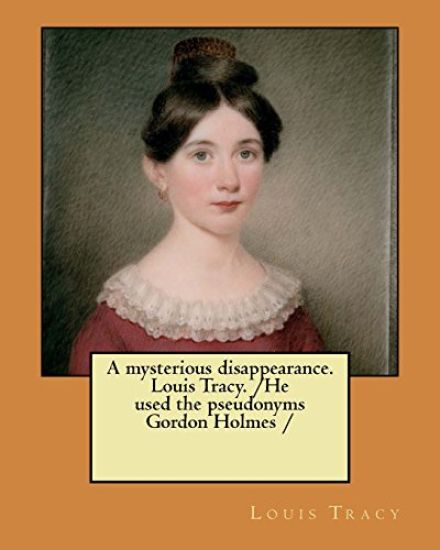
A Mysterious Disappearance - The Original Classic by Louis Tracy

A Mysterious Disappearance - The Original Classic by Louis Tracy

Louis Tracy

Createspace Independent Publishing Platform
2018
nidottu
The set is 1903, Upper Class London, Lady Dyke disappears. A close friend of her husband Mr. Claude Bruce, an eminent Barrister, vows to solve this mysterious disappearance. Be prepared for twists and turns as the plot unravels... " A brilliant convoluted Victorian crime novel " Fist published in 1905, this is the original classic novel written by master detective novelist Louis Tracy.
Pack Brian Tracy. (Contiene: Si Lo Crees Lo Creas / Habla Menos, Actúa Más / Multiplica Tu Dinero) / Brian Tracy Pack
CREA EL FUTURO DE TUS SUE OS USANDO LA PSICOLOG A DEL XITO. Prep rate para cambiar tus h bitos y aprender a pensar como un emprendedor. Con Brian Tracy puedes desbloquear todo tu potencial para el xito, conquistar tus objetivos y liberar tu potencial. Puedes lograr m s de lo que nunca so aste posible. Contiene: Si lo crees, lo creas un libro que te ayudar a desterrar pensamientos negativos y desbloquear todo tu potencial para alcanzar el xito. Habla menos, act a m s un m todo probado de siete pasos que te ayudar n a conseguir, en pocos meses, m s de lo que la mayor a de las personas logra en toda su vida. Multiplica tu dinero con ejemplos pr cticos y de manera asequible, en estas p ginas encontrar s el conocimiento necesario para que t tambi n puedas lograr m s de lo que nunca so aste posible. ENGLISH DESCRIPTION BUILD THE FUTURE OF YOUR DREAMS USING THE PSYCHOLOGY OF ACHIEVEMENT. Get ready to change your habits and learn to think like an entrepreneur. Brian Tracy will teach you to empower yourself for success, conquer your goals and release your potential, allowing you to achieve more than you ever thought possible. This set contains: Believe It to Achieve It a book that will help you banish negative thoughts and unlock your full potential for success. Just Shut Up and Do It a proven seven-step method that teaches how to achieve more in a few months than most people do in a lifetime. Get Rich Now a practical and accessible guide to achieving more than you ever dreamed possible.
The Tracy diamonds (Edition1)

The Tracy diamonds (Edition1)

Thomas E Sanders

Alpha Editions
2024
nidottu
Twenty Talks to Teachers, is a classical book and has been considered important throughout the human history. So that this book is never forgotten we at Alpha Editions have made efforts in its preservation by republishing this again in a modern format book for present and future generations. This whole book has been reformatted, retyped and designed. These books are not made of scanned copies of their original work and hence the text is clear and readable.
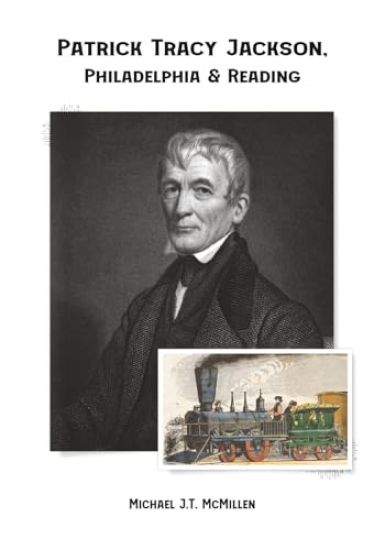
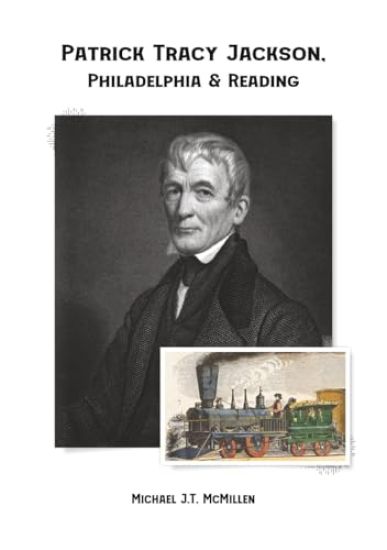
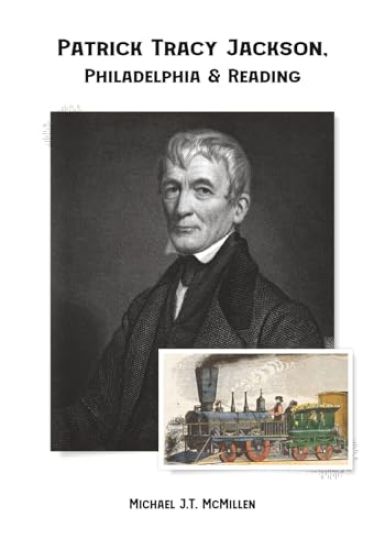
Patrick Tracy Jackson, Philadelphia & Reading

Patrick Tracy Jackson, Philadelphia & Reading

Michael J T McMillen

River Stone Publishing Group
2025
pokkari
After the Panic of 1837, the Locks & Canals machine shop had little work; it was to be sold or converted to a twist mill. The L&C treasurer, Patrick Tracy Jackson, strove to keep the shop busy pending sale or conversion. An 1841 plea to Jackson from Elihu Chauncey, president of the Philadelphia & Reading railroad, seemed salvation. Despite incomplete infrastructure, the P&R would begin operating in 1842. It urgently needed coal cars and locomotives to carry anthracite from Pennsylvania fields to Philadelphia. But its financial situation was dire, its debt in default, its assets being seized by sheriffs. It struggled to borrow. Its bridges suffered arson; its trains were derailed. Statutory completion deadlines loomed. Despite the risks, L&C built P&R cars and engines.There were conditions to award of the teased building contracts. Chauncey wanted L&C to make loans to the P&R. L&C had no interest in lending. Jackson sought P&R equity enabling participation in two infant industries: railroads and coal. Chauncey concocted a surreptitious scheme to acquire P&R stock from the Bank of the United States for sale to L&C, thereby diminishing the bank's power over the P&R.Nine months later, the P&R and L&C entered into the 1842 Running Gear Contract for running gear for wood jimmies. Developing a financial structure for the locomotives transaction consumed a year: the Engines Contract for locomotives and coal cars was signed in 1843. For the contracts, Jackson developed unique financial structures to protect L&C, as builder and financier, while allowing P&R use of the equipment for revenue generation. How could L&C sell equipment to, and ensure receipt and retention of payments from, an insolvent railroad (the P&R) that had not yet, or had only recently, commenced operations, during a severe economic depression or other adverse financial circumstances?The transaction went badly. Neither Jackson nor the P&R anticipated new iron coal cars or Baldwin's flexible beam truck: they rendered small L&C engines inadequate. Builders of large engines were paid; L&C received little. Payment defaults were continuous (for years), diminishing L&C's ability to sell the machine shop.This is a story of desperation, debt, and default: of balancing on the brink of bankruptcy. Jackson began with payment admonitions, eventually including favonian, then whetted, threats of resort to legal remedies. L&C acquired P&R stock and bonds and aligned with P&R stockholders and bond holders. His focus expanded beyond the equipment debt to the P&R's financial health, especially elimination of floating debt. In 1845, L&C and P&R bond holders initiated one of the first audits of managerial custodianship in U.S. corporate history. A Pennsylvania law was enacted allowing bond holders voting rights on a parity with stockholders.When further efforts at suasion and blandishment failed, Jackson sought legal advice from the eminent Philadelphia lawyer Horace Binney. Binney and Jackson developed an elegant four-step plan to take control of the trusts and debt under the Rolling Stock Contracts and neutralize the P&R. The plan derived from contract terms, threats of legal remedies (including personal liability for trustees), and extra-legal mechanisms. Within two months, L&C took control of the remedies relating to the P&R debt from the trustees, neutralized the P&R, and forced a P&R financial restructuring. Its value enhanced, L&C rid itself of the P&R debt. But more was needed.
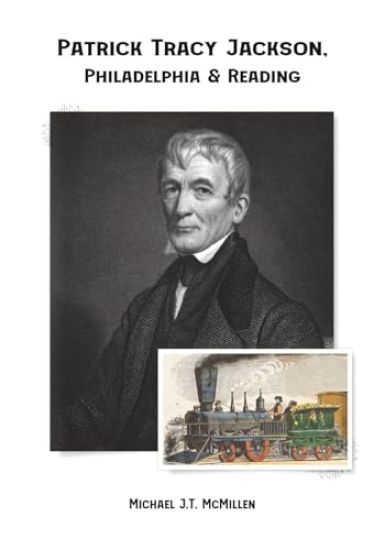
Patrick Tracy Jackson, Philadelphia & Reading

Patrick Tracy Jackson, Philadelphia & Reading

Michael J T McMillen

River Stone Publishing Group
2025
pokkari
After the Panic of 1837, the Locks & Canals machine shop had little work; it was to be sold or converted to a twist mill. The L&C treasurer, Patrick Tracy Jackson, strove to keep the shop busy pending sale or conversion. An 1841 plea to Jackson from Elihu Chauncey, president of the Philadelphia & Reading railroad, seemed salvation. Despite incomplete infrastructure, the P&R would begin operating in 1842. It urgently needed coal cars and locomotives to carry anthracite from Pennsylvania fields to Philadelphia. But its financial situation was dire, its debt in default, its assets being seized by sheriffs. It struggled to borrow. Its bridges suffered arson; its trains were derailed. Statutory completion deadlines loomed. Despite the risks, L&C built P&R cars and engines.There were conditions to award of the teased building contracts. Chauncey wanted L&C to make loans to the P&R. L&C had no interest in lending. Jackson sought P&R equity enabling participation in two infant industries: railroads and coal. Chauncey concocted a surreptitious scheme to acquire P&R stock from the Bank of the United States for sale to L&C, thereby diminishing the bank's power over the P&R.Nine months later, the P&R and L&C entered into the 1842 Running Gear Contract for running gear for wood jimmies. Developing a financial structure for the locomotives transaction consumed a year: the Engines Contract for locomotives and coal cars was signed in 1843. For the contracts, Jackson developed unique financial structures to protect L&C, as builder and financier, while allowing P&R use of the equipment for revenue generation. How could L&C sell equipment to, and ensure receipt and retention of payments from, an insolvent railroad (the P&R) that had not yet, or had only recently, commenced operations, during a severe economic depression or other adverse financial circumstances?The transaction went badly. Neither Jackson nor the P&R anticipated new iron coal cars or Baldwin's flexible beam truck: they rendered small L&C engines inadequate. Builders of large engines were paid; L&C received little. Payment defaults were continuous (for years), diminishing L&C's ability to sell the machine shop.This is a story of desperation, debt, and default: of balancing on the brink of bankruptcy. Jackson began with payment admonitions, eventually including favonian, then whetted, threats of resort to legal remedies. L&C acquired P&R stock and bonds and aligned with P&R stockholders and bond holders. His focus expanded beyond the equipment debt to the P&R's financial health, especially elimination of floating debt. In 1845, L&C and P&R bond holders initiated one of the first audits of managerial custodianship in U.S. corporate history. A Pennsylvania law was enacted allowing bond holders voting rights on a parity with stockholders.When further efforts at suasion and blandishment failed, Jackson sought legal advice from the eminent Philadelphia lawyer Horace Binney. Binney and Jackson developed an elegant four-step plan to take control of the trusts and debt under the Rolling Stock Contracts and neutralize the P&R. The plan derived from contract terms, threats of legal remedies (including personal liability for trustees), and extra-legal mechanisms. Within two months, L&C took control of the remedies relating to the P&R debt from the trustees, neutralized the P&R, and forced a P&R financial restructuring. Its value enhanced, L&C rid itself of the P&R debt. But more was needed.
Patrick Tracy Jackson, Philadelphia & Reading

Patrick Tracy Jackson, Philadelphia & Reading

Michael J T McMillen

River Stone Publishing Group
2025
sidottu
After the Panic of 1837, the Locks & Canals machine shop had little work; it was to be sold or converted to a twist mill. The L&C treasurer, Patrick Tracy Jackson, strove to keep the shop busy pending sale or conversion. An 1841 plea to Jackson from Elihu Chauncey, president of the Philadelphia & Reading railroad, seemed salvation. Despite incomplete infrastructure, the P&R would begin operating in 1842. It urgently needed coal cars and locomotives to carry anthracite from Pennsylvania fields to Philadelphia. But its financial situation was dire, its debt in default, its assets being seized by sheriffs. It struggled to borrow. Its bridges suffered arson; its trains were derailed. Statutory completion deadlines loomed. Despite the risks, L&C built P&R cars and engines.There were conditions to award of the teased building contracts. Chauncey wanted L&C to make loans to the P&R. L&C had no interest in lending. Jackson sought P&R equity enabling participation in two infant industries: railroads and coal. Chauncey concocted a surreptitious scheme to acquire P&R stock from the Bank of the United States for sale to L&C, thereby diminishing the bank's power over the P&R.Nine months later, the P&R and L&C entered into the 1842 Running Gear Contract for running gear for wood jimmies. Developing a financial structure for the locomotives transaction consumed a year: the Engines Contract for locomotives and coal cars was signed in 1843. For the contracts, Jackson developed unique financial structures to protect L&C, as builder and financier, while allowing P&R use of the equipment for revenue generation. How could L&C sell equipment to, and ensure receipt and retention of payments from, an insolvent railroad (the P&R) that had not yet, or had only recently, commenced operations, during a severe economic depression or other adverse financial circumstances?The transaction went badly. Neither Jackson nor the P&R anticipated new iron coal cars or Baldwin's flexible beam truck: they rendered small L&C engines inadequate. Builders of large engines were paid; L&C received little. Payment defaults were continuous (for years), diminishing L&C's ability to sell the machine shop.This is a story of desperation, debt, and default: of balancing on the brink of bankruptcy. Jackson began with payment admonitions, eventually including favonian, then whetted, threats of resort to legal remedies. L&C acquired P&R stock and bonds and aligned with P&R stockholders and bond holders. His focus expanded beyond the equipment debt to the P&R's financial health, especially elimination of floating debt. In 1845, L&C and P&R bond holders initiated one of the first audits of managerial custodianship in U.S. corporate history. A Pennsylvania law was enacted allowing bond holders voting rights on a parity with stockholders.When further efforts at suasion and blandishment failed, Jackson sought legal advice from the eminent Philadelphia lawyer Horace Binney. Binney and Jackson developed an elegant four-step plan to take control of the trusts and debt under the Rolling Stock Contracts and neutralize the P&R. The plan derived from contract terms, threats of legal remedies (including personal liability for trustees), and extra-legal mechanisms. Within two months, L&C took control of the remedies relating to the P&R debt from the trustees, neutralized the P&R, and forced a P&R financial restructuring. Its value enhanced, L&C rid itself of the P&R debt. But more was needed.
Patrick Tracy Jackson, Philadelphia & Reading

Patrick Tracy Jackson, Philadelphia & Reading

Michael J T McMillen

River Stone Publishing Group
2025
pokkari
After the Panic of 1837, the Locks & Canals machine shop had little work; it was to be sold or converted to a twist mill. The L&C treasurer, Patrick Tracy Jackson, strove to keep the shop busy pending sale or conversion. An 1841 plea to Jackson from Elihu Chauncey, president of the Philadelphia & Reading railroad, seemed salvation. Despite incomplete infrastructure, the P&R would begin operating in 1842. It urgently needed coal cars and locomotives to carry anthracite from Pennsylvania fields to Philadelphia. But its financial situation was dire, its debt in default, its assets being seized by sheriffs. It struggled to borrow. Its bridges suffered arson; its trains were derailed. Statutory completion deadlines loomed. Despite the risks, L&C built P&R cars and engines.There were conditions to award of the teased building contracts. Chauncey wanted L&C to make loans to the P&R. L&C had no interest in lending. Jackson sought P&R equity enabling participation in two infant industries: railroads and coal. Chauncey concocted a surreptitious scheme to acquire P&R stock from the Bank of the United States for sale to L&C, thereby diminishing the bank's power over the P&R.Nine months later, the P&R and L&C entered into the 1842 Running Gear Contract for running gear for wood jimmies. Developing a financial structure for the locomotives transaction consumed a year: the Engines Contract for locomotives and coal cars was signed in 1843. For the contracts, Jackson developed unique financial structures to protect L&C, as builder and financier, while allowing P&R use of the equipment for revenue generation. How could L&C sell equipment to, and ensure receipt and retention of payments from, an insolvent railroad (the P&R) that had not yet, or had only recently, commenced operations, during a severe economic depression or other adverse financial circumstances?The transaction went badly. Neither Jackson nor the P&R anticipated new iron coal cars or Baldwin's flexible beam truck: they rendered small L&C engines inadequate. Builders of large engines were paid; L&C received little. Payment defaults were continuous (for years), diminishing L&C's ability to sell the machine shop.This is a story of desperation, debt, and default: of balancing on the brink of bankruptcy. Jackson began with payment admonitions, eventually including favonian, then whetted, threats of resort to legal remedies. L&C acquired P&R stock and bonds and aligned with P&R stockholders and bond holders. His focus expanded beyond the equipment debt to the P&R's financial health, especially elimination of floating debt. In 1845, L&C and P&R bond holders initiated one of the first audits of managerial custodianship in U.S. corporate history. A Pennsylvania law was enacted allowing bond holders voting rights on a parity with stockholders.When further efforts at suasion and blandishment failed, Jackson sought legal advice from the eminent Philadelphia lawyer Horace Binney. Binney and Jackson developed an elegant four-step plan to take control of the trusts and debt under the Rolling Stock Contracts and neutralize the P&R. The plan derived from contract terms, threats of legal remedies (including personal liability for trustees), and extra-legal mechanisms. Within two months, L&C took control of the remedies relating to the P&R debt from the trustees, neutralized the P&R, and forced a P&R financial restructuring. Its value enhanced, L&C rid itself of the P&R debt. But more was needed.