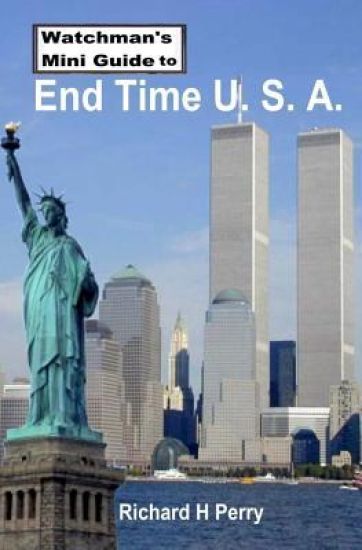
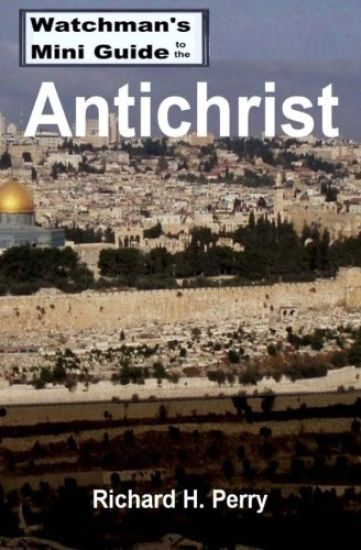
In spite of the fact that the Antichrist is the most prophetically described End Time character; he is relatively unknown to Christians today. This is because Christian's generally don't read Scripture and rely heavily on the teachings of man and organized religion to guide their beliefs. They do this even though the Bible warns them against trusting in man.The teachings I have received from Yehovah are different from what has been preached and taught in organized religion. Yehovah has shown me the harmony of biblical prophecy concerning the Antichrist and the Time of the End and I will pass that along so you can see from the Bible what I see.
In Yehovah's plan for His people, His household is very important. This book provides a history of Yehovah's household from His ancient Tabernacle to His Millennial Temple. The future third Jewish Temple is also explained; when it will be built and what role it will play in the Time of the End. However, one of the most important aspects of this study are Yehovah's instructions for organizing and leading His household, often called churches, until the Messiah's return.
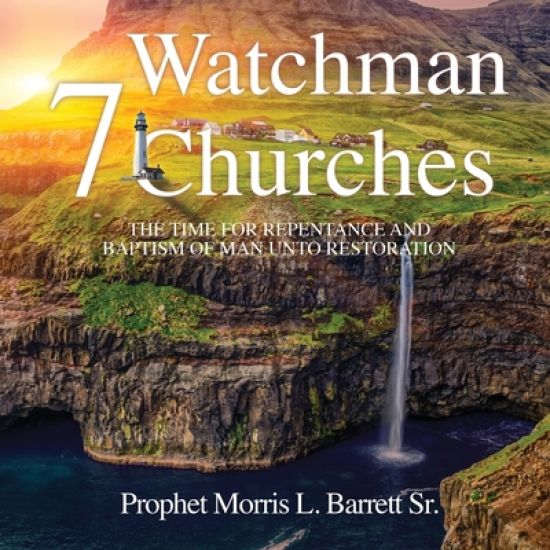
Gods word is true. Ask Seek Knock 1 Peter 5:4 King James Version (KJV) 4 And when the chief Shepherd shall appear, ye shall receive a crown of glory that fadeth not away. What I have learned on this journey is that we should never forget the Lord, and hold on to his promise. To think someone could love even me knowing all of me.
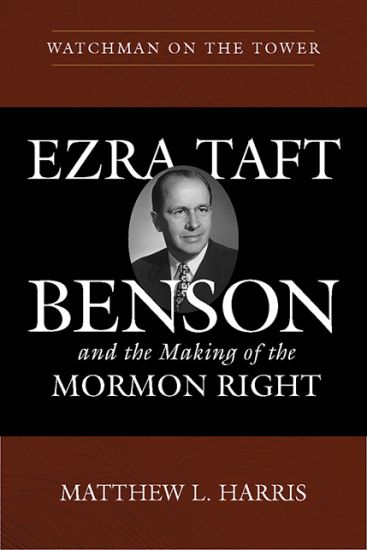
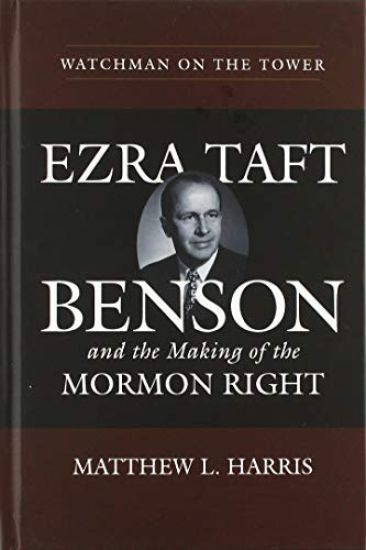
Ezra Taft Benson is perhaps the most controversial apostle-president in the history of the Church of Jesus Christ of Latter-day Saints. For nearly fifty years he delivered impassioned sermons in Utah and elsewhere, mixing religion with ultraconservative right-wing political views and conspiracy theories. His teachings inspired Mormon extremists to stockpile weapons, predict the end of the world, and commit acts of violence against their government. The First Presidency rebuked him, his fellow apostles wanted him disciplined, and grassroots Mormons called for his removal from the Quorum of the Twelve. Yet Benson was beloved by millions of Latter-day Saints, who praised him for his stances against communism, socialism, and the welfare state, and admired his service as secretary of agriculture under President Dwight D. Eisenhower. Using previously restricted documents from archives across the United States, Matthew L. Harris breaks new ground as the first to evaluate why Benson embraced a radical form of conservatism, and how under his leadership Mormons became the most reliable supporters of the Republican Party of any religious group in America.
Ezra Taft Benson is perhaps the most controversial apostle-president in the history of the Church of Jesus Christ of Latter-day Saints. For nearly fifty years he delivered impassioned sermons in Utah and elsewhere, mixing religion with ultraconservative right-wing political views and conspiracy theories. His teachings inspired Mormon extremists to stockpile weapons, predict the end of the world, and commit acts of violence against their government. The First Presidency rebuked him, his fellow apostles wanted him disciplined, and grassroots Mormons called for his removal from the Quorum of the Twelve. Yet Benson was beloved by millions of Latter-day Saints, who praised him for his stances against communism, socialism, and the welfare state, and admired his service as secretary of agriculture under President Dwight D. Eisenhower. Using previously restricted documents from archives across the United States, Matthew L. Harris breaks new ground as the first to evaluate why Benson embraced a radical form of conservatism, and how under his leadership Mormons became the most reliable supporters of the Republican Party of any religious group in America.
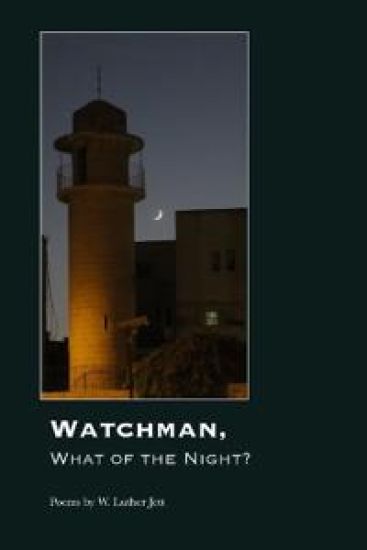
W. Luther Jett's newest collection, Watchman, What of the Night? bears witness to a world in turmoil, as tyrants rise with the warming seas, while entire generations are displaced by war and catastrophe.
Known for their lyrical intensity and thematic range, David Rigsbee’ s poems have appeared prominently in literary magazines for five decades, as well as in a dozen full-length collections. Watchman in the Knife Factory: New and Selected Poems features the key works of his career, gathering poems from volumes long out of print, as well as presenting a generous selection of work from the new millennium. As Peter Makuck noted, “ Few other poets so powerfully capture both the ignorant cruelty and profound love we bear one another.”
The title Watchman Watchman What of the Night? was selected on the basis of the soon-to-unfold Great Tribulation Period (GTP). The purpose of the title is to attract an interest in the reply that the watchman gave: "I see the dawn coming, and also a Night " It is this approaching "Night" that the watchman saw--which represents the judgments of God and the wrath of man that will unfold during the GTP. In essence the GTP will last for seven years-- "the last week" in Daniel's prophecy that concludes "the 367 weeks" upon the Children of Israel. There is a strong indication that "this Night," which horrified the watchman, is likely to commence anytime between mid-2023 AD and mid-2025 AD.You can follow my deliberations in this regard in this second book; however, there is also complimentary information in Who's Paying Attention? Please refer.
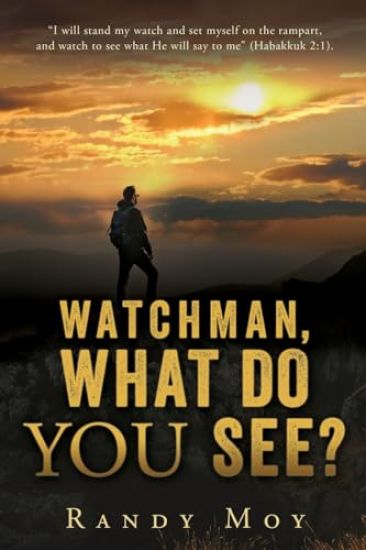
Most people acknowledge that challenging days lie ahead, and God has a lot to say about these days. I take to heart the Lord's command to be watchful, for almost everyone recognizes that these are perilous times. This book is the prayerful result of the Lord's guidance as to what the Bible says about the days in which we live...and the days to come. I hope that you will find hope and assurance in Jesus as you read this book.
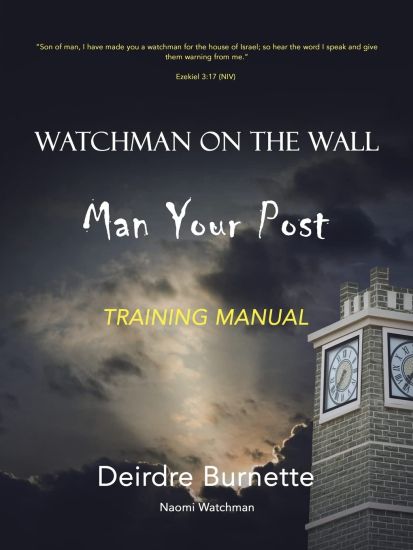
The Watchman's Manual is a CLARION CALL designed to teach, provoke, and guide Watchmen into strategic, skillful, engagement with purpose. The Lord has called you for such a time as this. You are on active duty. Man Your Post my fellow Watchman.
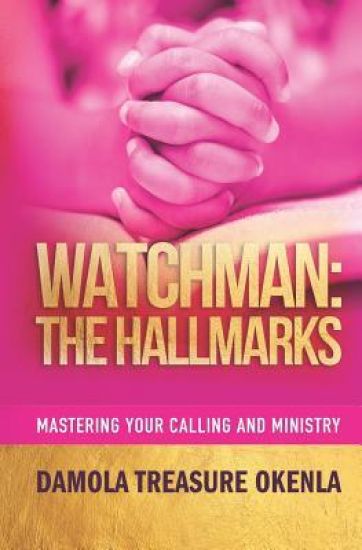
The word "WATCHMAN'' comes from the Hebrew word 'tsaphah' meaning to lean forward, to peer into the distance, to observe, to behold, to spy, to wait for.A Watchman is that person that has been appointed by God to watch over the performance of His promise for a place or over a people. The Watchman will, therefore, be a person that has had insight into the will of God and carefully by prayer keeps observing by looking and keeping attention towards the fulfillment of the promise. He keeps a lookout for the appearance or happenings to usher in the promise.I wrote this book for new entrants and the seasoned Watchman to educate, support, and inspire them with a fresh perspective on their calling and the importance of the Watchman, not only positioned in churches, but over families, causes, cities, and nations.
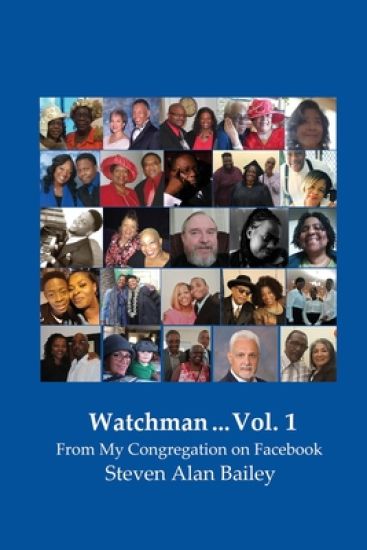
Have your eyes opened to things in the Word of God you may never have considered before, all in an easy-to-read daily format -- 365 days of Bible study drawn from the Facebook wall of a San Francisco pastor and community servant, turned into a book at the request of his worldwide congregation
Spanning nearly 500 years of cultural and social history, this book examines the ways that literature and surveillance have developed together, as kindred modern practices. As ideas about personhood—what constitutes a self—have changed over time, so too have ideas about how to represent, shape, or invade the self. The authors show that, since the Renaissance, changes in observation strategies have driven innovations in literature; literature, in turn, has provided a laboratory and forum for the way we think about surveillance and privacy. Ultimately, they contend that the habits of mind cultivated by literature make rational and self-aware participation in contemporary surveillance environments possible. In a society increasingly dominated by interlocking surveillance systems, these habits of mind are consequently necessary for fully realized liberal citizenship.