

Kirjahaku
Etsi kirjoja tekijän nimen, kirjan nimen tai ISBN:n perusteella.
1000 tulosta hakusanalla Wright Stuart Thomas
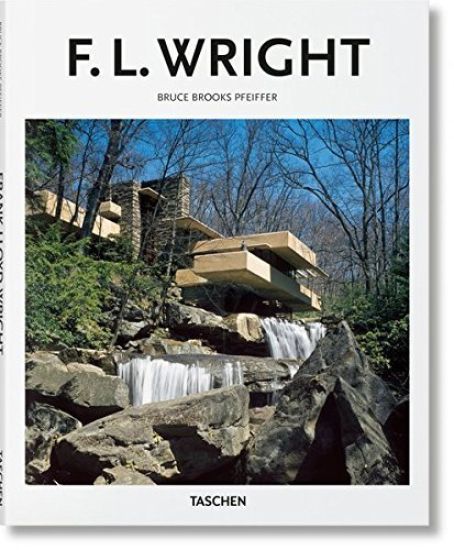
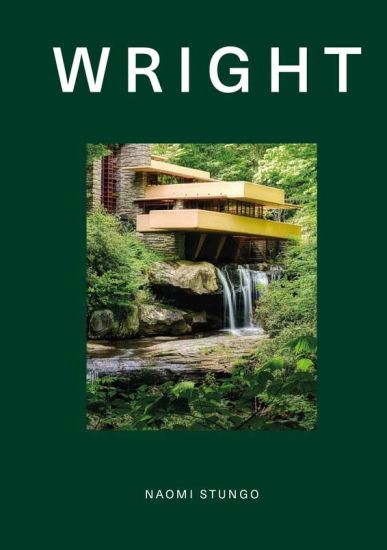
Frank Lloyd Wright var 1900-talets mest inflytelserika amerikanska arkitekt. Under hans fantastiska karriär, som varade i mer än 70 år, ritade han närmare tusen arkitektoniskt utmanande och innovativa byggnader. Han detaljstyrde hela processen och såg varje uppdrag som en helhet, ett integrerat allkonstverk.I denna bok presenteras hans arkitektoniska mästerverk från Oak Park i Illinois, som han skapade åt sig själv och som introducerade hans egen experimentella hustyp präriehus , till hans ikoniska Fallingwater. Boken innehåller en kurerad samling bilder tillsammans med en essä om arkitektens liv och verk.
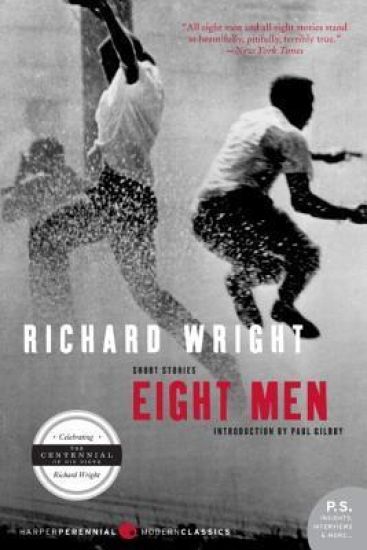
Here, in these powerful stories, Richard Wright takes readers into this landscape once again. Each of the eight stories in Eight Men focuses on a black man at violent odds with a white world, reflecting Wright's views about racism in our society and his fascination with what he called "the struggle of the individual in America." These poignant, gripping stories will captivate all those who loved Black Boy and Native Son.
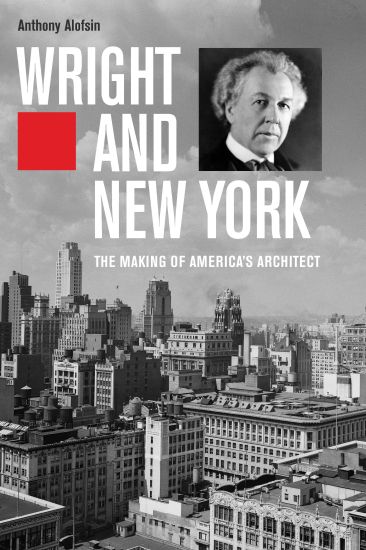
A dazzling dual portrait of Frank Lloyd Wright and early twentieth-century New York, revealing the city’s role in establishing the career of America’s most famous architect“Traces the transitive relationship of the architect and the city, as well as the genesis of the bohemian culture of the East Village."—Patti Smith, New York Times Frank Lloyd Wright (1867–1959) took his first major trip to New York in 1909, fleeing a failed marriage and artistic stagnation. He returned a decade later, his personal life and architectural career again in crisis. Booming 1920s New York served as a refuge, but it also challenged him and resurrected his career. The city connected Wright with important clients and commissions that would harness his creative energy and define his role in modern architecture, even as the stock market crash took its toll on his benefactors. Wright denounced New York as an “unlivable prison” even as he reveled in its culture. The city became an urban foil for Wright’s work in the desert and in the “organic architecture” he promoted as an alternative to American Art Deco and the International Style. New York became a major protagonist at the end of Wright’s life, as he spent his final years at the Plaza Hotel working on the Guggenheim Museum, the building that would cement his legacy. Anthony Alofsin has broken new ground by mining the recently opened Wright archives held by Columbia University and the Museum of Modern Art. His foundational research provides a crucial and innovative understanding of Wright’s life, his career, and the conditions that enabled his success. The result is at once a stunning biography and a glittering portrait of early twentieth-century Manhattan.
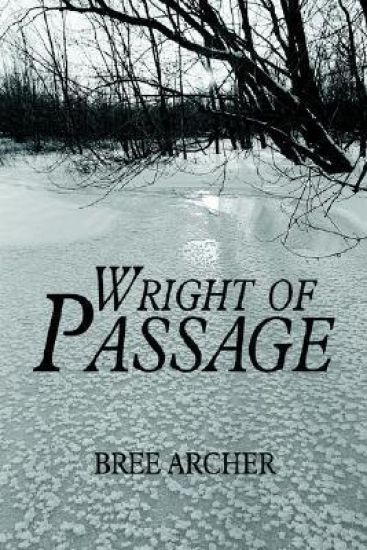
"We were all used to Mom being away. I hated when Mom went away. To be horribly truthful, it wasn't that I missed her a whole lot but it was the fact my dad would take full advantage of the situation. He would sort of pay me back for all the things I had done wrong in my life. Over half the time Mom went away, she'd come back to me either in the hospital or with some injury I couldn't explain that well." Rachel Wright has never been a typical teenage girl. Since she moved from Fort Madison with her parents and five siblings, everything has turned from bad to worse. Drugs, alcohol, and gang run-ins can't make her forget her hidden, deadly past. Even if she could leave the past behind, her crazy, abusive father won't let her, and Rachel has done a good job of keeping her secrets. But Rachel and her family soon realize that they're not the only ones in town with dark secrets.

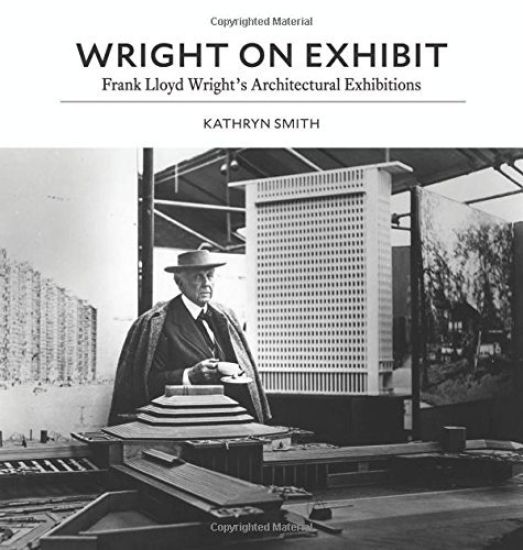
The first history of Frank Lloyd Wright's exhibitions of his own work--a practice central to his career More than one hundred exhibitions of Frank Lloyd Wright's work were mounted between 1894 and his death in 1959. Wright organized the majority of these exhibitions himself and viewed them as crucial to his self-presentation as his extensive writings. He used them to promote his designs, appeal to new viewers, and persuade his detractors. Wright on Exhibit presents the first history of this neglected aspect of the architect's influential career. Drawing extensively from Wright's unpublished correspondence, Kathryn Smith challenges the preconceived notion of Wright as a self-promoter who displayed his work in search of money, clients, and fame. She shows how he was an artist-architect projecting an avant-garde program, an innovator who expanded the palette of installation design as technology evolved, and a social activist driven to revolutionize society through design. While Wright's earliest exhibitions were largely for other architects, by the 1930s he was creating public installations intended to inspire debate and change public perceptions about architecture. The nature of his exhibitions expanded with the times beyond models, drawings, and photographs to include more immersive tools such as slides, film, and even a full-scale structure built especially for his 1953 retrospective at the Guggenheim Museum. Placing Wright's exhibitions side by side with his writings, Smith shows how integral these exhibitions were to his vision and sheds light on the broader discourse concerning architecture and modernism during the first half of the twentieth century. Wright on Exhibit features color renderings, photos, and plans, as well as a checklist of exhibitions and an illustrated catalog of extant and lost models made under Wright's supervision.
Helps readers see how inventors, scientists and businesspeople have shaped the world.

Wright Family Census Records, Franklin County, Virginia, 1810-1900
Robert N Grant
Heritage Books
2013
pokkari

Wright Family Birth Records, 1853 to 1896, and Marriage Records, 1782 to 1900, Campbell County, Virginia
Robert N Grant
Heritage Books
2013
pokkari

Wright Family Death Records (1853-1920), Cemetery Records by Cemetery, and Probate Records (1782-1900), Campbell County, Virginia
Robert N Grant
Heritage Books
2013
pokkari


Wright Family Birth Records, 1853-1896, Marriage Records, 1761-1900, Census Records, 1810-1900 in Amherst County, Virginia
Robert N Grant
Heritage Books
2009
pokkari
Wright Family Personal Property Tax Lists Amherst County, Virginia, 1782-1850
Robert N Grant
Heritage Books
2009
pokkari