Kirjahaku
Etsi kirjoja tekijän nimen, kirjan nimen tai ISBN:n perusteella.
1000 tulosta hakusanalla Aisha Hadi Al-Rashdi
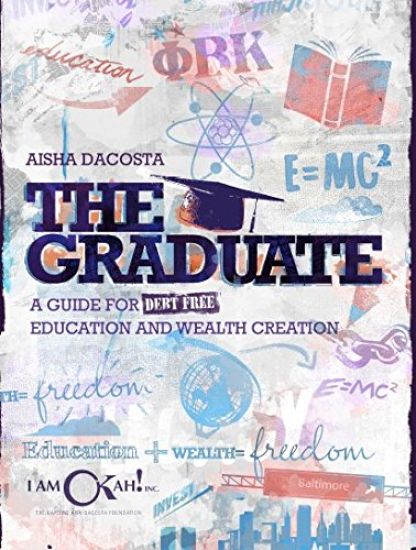
The Graduate: A Guide for Debt-Free Education and Wealth Creation
Aisha D. Dacosta
I Am O'Kah! Inc
2017
sidottu
When Kahdine DaCosta enrolled at Morgan State University in the fall of 1995, she was the first in her family to attend and eventually graduate college. While at Morgan State, Kahdine realized that having the money to go to college was not enough. There was so much about navigating higher education that she did not understand. Kahdine wanted to help first generation college students like herself, get the money they needed for college and the guidance required to become successful. Unfortunately, Kahdine passed away from breast cancer, at the age of 26, and her younger sister Aisha picked up her initial vision and created a not-for-profit in her honor, called I AM O'Kah Today, I AM O'Kah is dedicated to helping minority youth get to and through college debt.The Graduate was written for first generation students that lack ample guidance and grooming for college. With continued cuts to the budgets of urban schools, Guidance Counselors are overworked and understaffed. Parents and students can longer leave their college readiness solely in the hands of school administrators. To ensure that our youth are prepared to gradaute and step into their future careers - it will take a team effort and full-court press to and through college. The Graduate is meant to serve as a guide as for young people as they create a strategic plan for higher education and the development of personal financial goals. Readers are presented with multiple strategies to reduce the cost of higher education and given the tools to build an actionable plan for financial stability. The work is broken down into sections and chapters that directly address the three tenants of wealth: education, controlled expenses, and investments.
Chasing F.E.A.R.: 7 Principles to Murder Self Doubt
Aisha D. Crews
Brannubyaishaj/Esteem
2017
nidottu
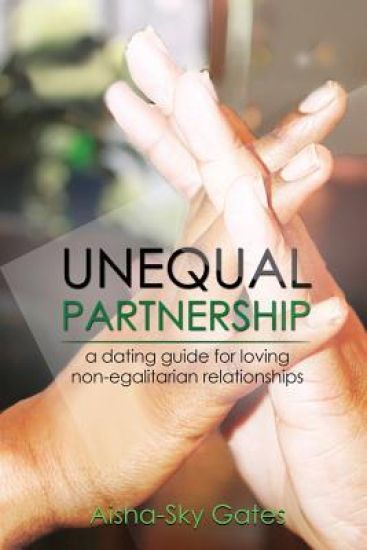
Do you want to create a healthy and sustainable intimate relationship? Are you already dating or married and want to strengthen what you have?American society assumes that an egalitarian relationship is for everyone but the divorce rate is higher than fifty percent. The Unequal Partnership model has a deliberate consensual power imbalance as the main element of a strong foundation for the couple's love. It's an alternative option that might be a better fit for some. Unequal Partners set up a deliberate, consensual power imbalance in the relationship. Their agreements create mutual respect, relationship sustainability, and continuous support for individual growth. Their agreements create a strong foundation for their love and romance. Read Unequal Partnership and discover: excellent relationship advice for everyone, how to create relationship contracts, how to negotiate in your personal life, solid relationship structure for the purpose of long-term sustainability, and how alternative lifestyle choices can be foundational for relationship stability.Get your copy of Unequal Partnership now and see what a difference it can make in the pursuit of your and your partner's personal happiness. Sometimes, an alternative lifestyle choice can be the key to creating a healthy, loving relationship.
End of Silent Suffering: What Every Spouse of a Sex Addict Should know
Aisha Isreal
ABI Concepts, LLC
2019
nidottu
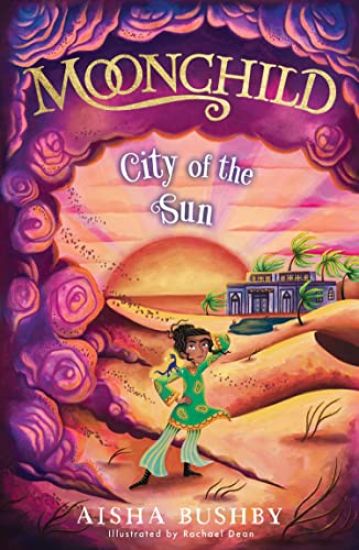
The second book in a magical middle grade adventure series, inspired by The Arabian Nights and perfect for readers of Kiran Millwood Hargrave, Michelle Harrison and Sophie McKenzie. The Sahar Peninsula lies just beyond the horizon, but it isn't the easiest place to get to. No maps will take you there, nor can it be charted by gazing up at the stars, or down at a compass… Farah is a Moonchild with a very special kind of magic and a jinni of her own. But although she loves her magical animal companion – a lizard called Layla – Farah isn’t entirely convinced that she’s cut out for the life of adventure, which seems to bring endless danger!When it becomes clear that Farah and her fellow Moonchildren – Leo and Amira – have unlocked moon magic that could destroy the Sahar Peninsula, Farah and her friends are thrust into another accidental adventure. And it takes them to a burning desert and another mysterious city which holds deadly secrets of its own … Go on more magical adventures in Moonchild: Voyage of the Lost and Found, the stunning prequel to Moonchild: City of the Sun
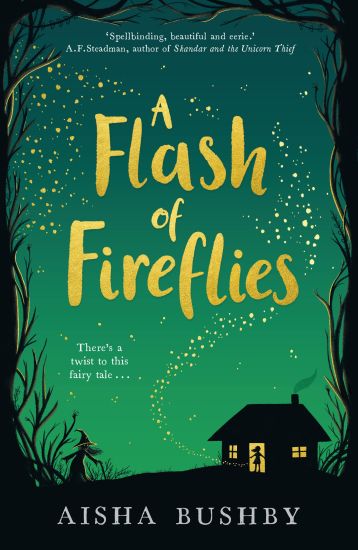
A magical middle grade book about family, friendship and finding your place, with a delicate touch of magic. Perfect for 10-12 year olds and fans of Jacqueline Wilson, Michelle Harrison and Kiran Millwood-Hargrave and The Girl Who Speaks Bear. Hazel’s new life in England should have been the stuff of fairy tales; after all her Great Aunt’s cottage looked just like a gingerbread house, with a magical garden and whispering fireflies promising quests and adventures. But as Hazel struggles to deal with the challenges of the everyday world –? making friends, missing her family –? shealso learns that every fairy tale has a dark side. And there are terrifying creatures that lurk in the shadows . . .
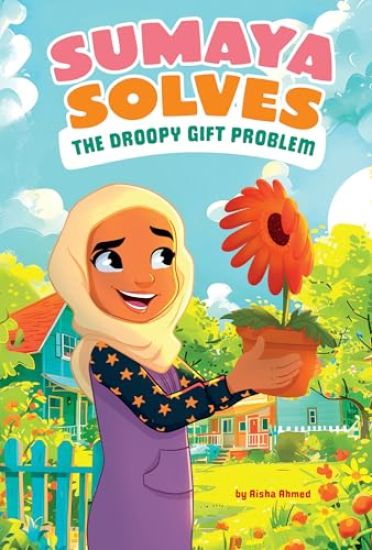
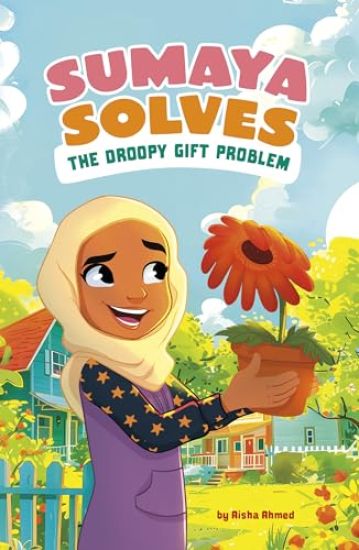
Sumaya's cousin is graduating from high school, and Sumaya wants to give her a flowering plant as a gift. But the plant begins to droop before graduation day. Can Sumaya solve her droopy plant problem before it's too late?
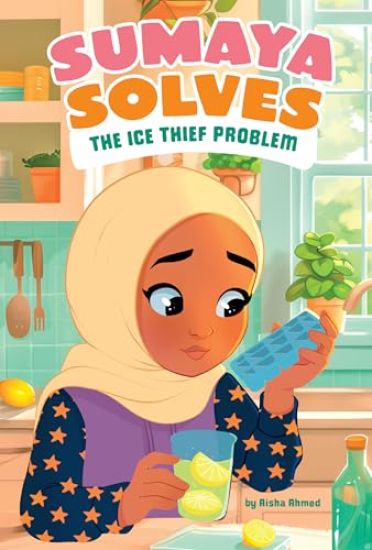
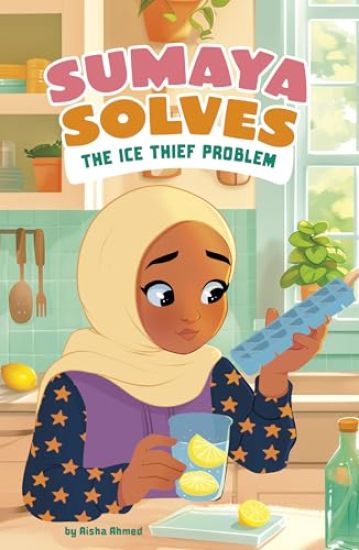
On a hot summer day, Sumaya is all set to make some lemonade. But before she is able to fix her refreshment, the ice goes missing. Where did it go? Is there an ice thief in the house?
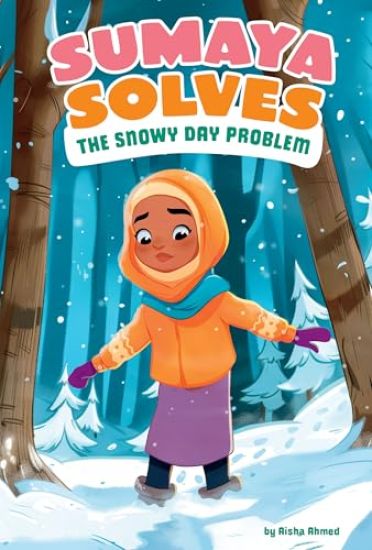
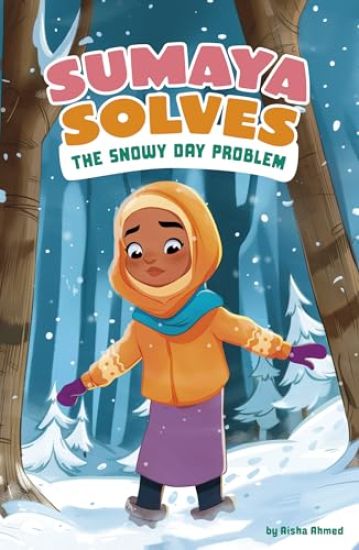
After a fresh snowstorm, Sumaya is excited to play in the snow, but before long, she's freezing cold and needs to head inside. She starts to wonder, how do polar animals live outside in the cold? Can learning more about polar animals help her stay warm outside even on a cold day?
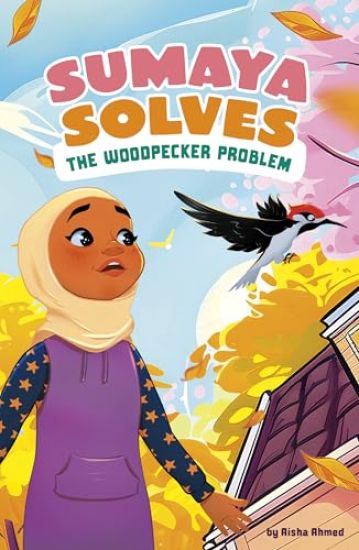
When Sumaya discovers a busy woodpecker in her backyard, she worries the bird could be hurting its head and neck. She sets out to create some inventions to help protect the bird. How will Sumaya solve the woodpecker problem?
Sumaya's cousin is graduating from high school, and Sumaya wants to give her a flowering plant as a gift. But the plant begins to droop before graduation day. Can Sumaya solve her droopy plant problem before it's too late?
After a fresh snowstorm, Sumaya is excited to play in the snow, but before long, she's freezing cold and needs to head inside. She starts to wonder, how do polar animals live outside in the cold? Can learning more about polar animals help her stay warm outside even on a cold day?
On a hot summer day, Sumaya is all set to make some lemonade. But before she is able to fix her refreshment, the ice goes missing. Where did it go? Is there an ice thief in the house?
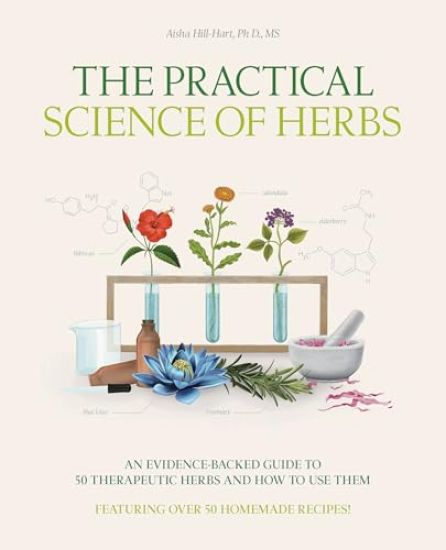
Explore and harness the real science behind 50 healing herbs with in-depth profiles, DIY recipes, and simple practices for natural wellness.Have you ever wondered why ginger is good for digestion? Or why raspberry leaf helps with menstrual cramps? Have you considered trying ashwagandha to reduce stress, but are skeptical that the effects are “real?” Good news—they are. And this book will tell you why. Blending traditional herbal wisdom with modern research, The Practical Science of Herbs is a meticulously researched and scientifically grounded guide to therapeutic herbalism. Authored by renowned plant scientist, biomedical researcher, and herbal practitioner Aisha Hill, PhD, this book empowers you to safely incorporate plant-based remedies into your life by unveiling the science behind 50 common herbs. Without ever losing sight of the traditional and indigenous roots of herbal medicine, Dr. Hill goes deep into the chemical reactions and active compounds that make these plants effective—with reference to over 100 modern clinical studies. Then she gives you the tools you need to incorporate them into your regular wellness routine, with over 50 easy recipes for tinctures, teas, oils, extracts, and more.Whether you’re looking to boost your immunity, relieve stress, improve hormonal functioning, or simply deepen your understanding of herbal medicine, this book has something for you. You will learn how to:Find relief from seasonal illness with Elderberry Syrup for Cold and Flu PreventionEase insomnia with Valerian Gummies for Better SleepModulate cortisol production with Reishi Mushroom Extract for RelaxationSoothe irritated skin with Calendula-Infused Oil for Skin HealingEnhance focus and vitality with Potent Ginseng Elixir for EnergyAnd more!Fully comprehensive and beautifully illustrated, The Practical Science of Herbs will help you gain confidence in herbal remedies, reap their natural health benefits, and develop a deeper bond with nature. Whether you’re a health enthusiast, an aspiring herbalist, or simply curious about natural remedies, this book is your trusted resource for exploring the science of herbs and their transformative effects on your health.
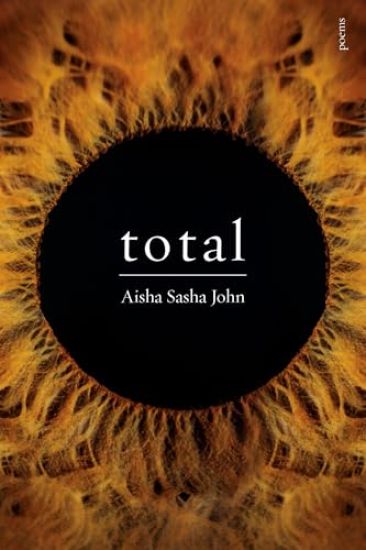
"John is brilliant at communicating. She's also really funny. Poems don't get more direct and precise and unforgettable than this." --National Post The highly anticipated new collection from Griffin Poetry Prize finalist Aisha Sasha John.
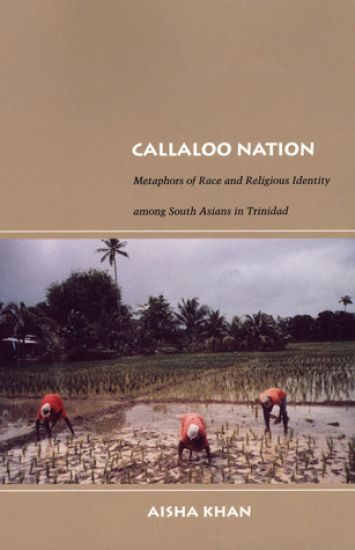
Mixing-whether referred to as mestizaje, callaloo, hybridity, creolization, or multiculturalism-is a foundational cultural trope in Caribbean and Latin American societies. Historically entwined with colonial, anticolonial, and democratic ideologies, ideas about mixing are powerful forces in the ways identities are interpreted and evaluated. As Aisha Khan shows in this ethnography, they reveal the tension that exists between identity as a source of equality and identity as an instrument through which social and cultural hierarchies are reinforced. Focusing on the Indian diaspora in the Caribbean, Khan examines this paradox as it is expressed in key dimensions of Hindu and Muslim cultural history and social relationships in southern Trinidad. In vivid detail, she describes how disempowered communities create livable conditions for themselves while participating in a broader culture that both celebrates and denies difference.Khan combines ethnographic research she conducted in Trinidad over the course of a decade with extensive archival research to explore how Hindu and Muslim Indo-Trinidadians interpret authority, generational tensions, and the transformations of Indian culture in the Caribbean through metaphors of mixing. She demonstrates how ambivalence about the desirability of a callaloo nation-a multicultural society-is manifest around practices and issues, including rituals, labor, intermarriage, and class mobility. Khan maintains that metaphors of mixing are pervasive and worth paying attention to: the assumptions and concerns they communicate are key to unraveling who Indo-Trinidadians imagine themselves to be and how identities such as race and religion shape and are shaped by the politics of multiculturalism.
This is one of the I Can Series of books that introduces and illustrates some basic yet important concepts and terms for young Muslim children. These are explained with reference to their everyday life and in the settings with which children are familiar. In simple, easy-to-understand language the series presents Islam as a living reality to be experienced in daily life. It answers many questions about Islam as faith which arise in the young, curious minds. For ages 3-5 years and the young at heart. How do we pray to Allah? As we go about our busy lives, we pray to Him at home, in the mosque, in the park, on the train or the bus, and everywhere else we can go—even on the moon!