In this funny look at money, Brian P. Cleary and Brian Gable explain the basics of bills and coins. The comical cats of the wildly popular Words Are CATegorical(R) series show young readers how to count and combine pennies, nickels, fives, tens, and more. Peppy rhymes, goofy illustrations, and kid-friendly examples take the mystery out of money.From the author and illustrator duo of the best-selling Words Are CATegorical(R) series, Math Is CATegorical(R) introduces basic math concepts for young readers and reveals that sometimes math is easier to show than explain Pairing clever rhyming verse with comical cartoon cats, Brian P. Cleary and Brian Gable help children add up just how fun math can be
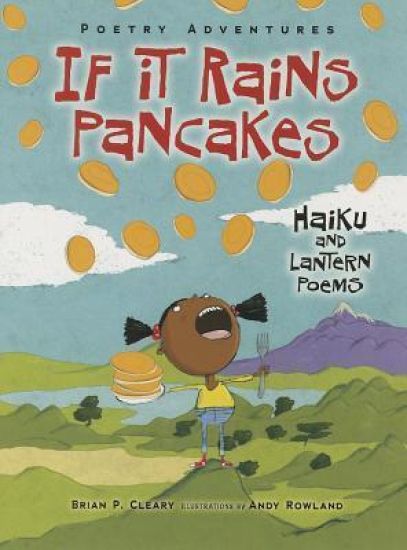
What is a haiku? It sounds like a sneeze. And isn't a lantern a light source? Actually, they are two types of ancient Japanese poetry. Award-winning author Brian P. Cleary explains how each form works--and shows how these little poems can contain big surprises If It Rains Pancakes is packed with poems to make you chuckle, puzzle, and ponder. And when you've finished reading, you can try your hand at writing your own haiku and lanterns
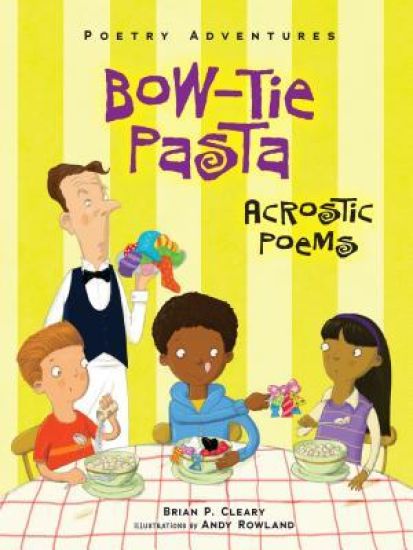
Acrostic? What kind of stick is that? Actually, it's a poem Acrostic poems are created from a word or phrase written vertically down the page. Each letter becomes part of a line in the poem, revealing a thought or a clue about the poem's topic. Award-winning author Brian P. Cleary shows how even the wackiest words can make an acrostic poem. Bow-Tie Pasta is packed with acrostics to make you snicker and snort. And when you've finished reading, you can try your hand at writing your own poems
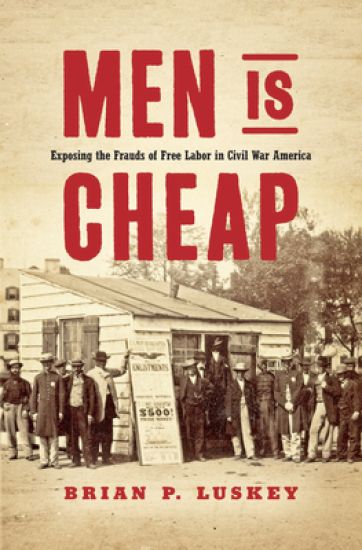
When a Civil War substitute broker told business associates that "Men is cheep here to Day," he exposed an unsettling contradiction at the heart of the Union's war effort. Despite Northerners' devotion to the principles of free labor, the war produced rampant speculation and coercive labor arrangements that many Americans labeled fraudulent. Debates about this contradiction focused on employment agencies called "intelligence offices," institutions of dubious character that nevertheless served the military and domestic necessities of the Union army and Northern households. Northerners condemned labor agents for pocketing fees above and beyond contracts for wages between employers and employees. Yet the transactions these middlemen brokered with vulnerable Irish immigrants, Union soldiers and veterans, former slaves, and Confederate deserters defined the limits of independence in the wage labor economy and clarified who could prosper in it.Men Is Cheap shows that in the process of winning the war, Northerners were forced to grapple with the frauds of free labor. Labor brokers, by helping to staff the Union military and Yankee households, did indispensable work that helped the Northern state and Northern employers emerge victorious. They also gave rise to an economic and political system that enriched the managerial class at the expense of laborers--a reality that resonates to this day.
When a Civil War substitute broker told business associates that "Men is cheep here to Day," he exposed an unsettling contradiction at the heart of the Union's war effort. Despite Northerners' devotion to the principles of free labor, the war produced rampant speculation and coercive labor arrangements that many Americans labeled fraudulent. Debates about this contradiction focused on employment agencies called "intelligence offices," institutions of dubious character that nevertheless served the military and domestic necessities of the Union army and Northern households. Northerners condemned labor agents for pocketing fees above and beyond contracts for wages between employers and employees. Yet the transactions these middlemen brokered with vulnerable Irish immigrants, Union soldiers and veterans, former slaves, and Confederate deserters defined the limits of independence in the wage labor economy and clarified who could prosper in it.Men Is Cheap shows that in the process of winning the war, Northerners were forced to grapple with the frauds of free labor. Labor brokers, by helping to staff the Union military and Yankee households, did indispensable work that helped the Northern state and Northern employers emerge victorious. They also gave rise to an economic and political system that enriched the managerial class at the expense of laborers--a reality that resonates to this day.
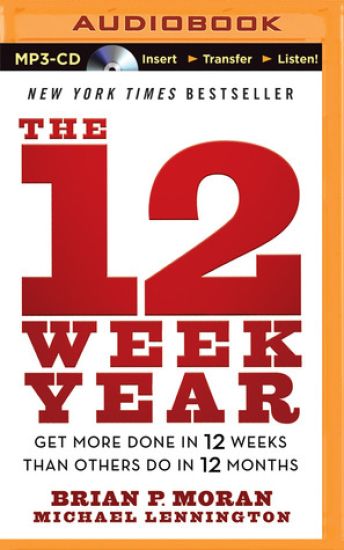
The guide to shortening your execution cycle down from one year to 12 weeks Most organizations and individuals work in the context of annual goals and plans; a 12-month execution cycle. Instead, The 12 Week Year avoids the pitfalls and low productivity of annualized thinking. This audiobook redefines your "year" to be 12 weeks long. In 12 weeks, there just isn't enough time to get complacent, and urgency increases and intensifies. The 12 Week Year creates focus and clarity on what matters most and a sense of urgency to do it now. In the end more of the important stuff gets done and the impact on results is profound. - Explains how to leverage the power of a 12-week year to drive improved results in any area of your life- Offers a how-to book for both individuals and organizations seeking to improve their execution effectiveness- Authors are leading experts on execution and implementation. Turn your organization's idea of a year on its head, and speed your journey to success.
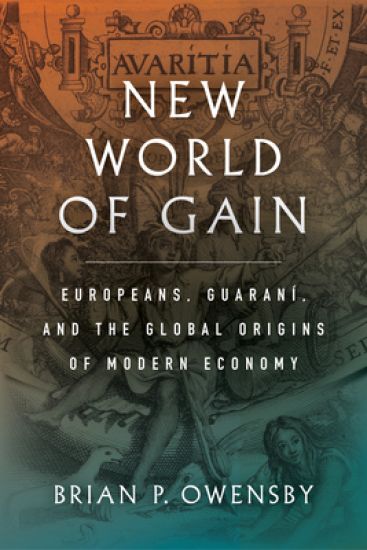
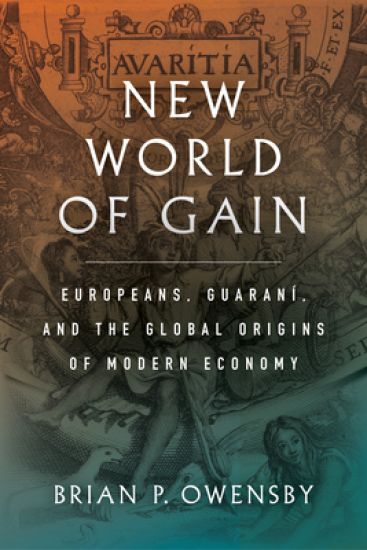
In the centuries before Europeans crossed the Atlantic, social and material relations among the indigenous Guaraní people of present-day Paraguay were based on reciprocal gift-giving. But the Spanish and Portuguese newcomers who arrived in the sixteenth century seemed interested in the Guaraní only to advance their own interests, either through material exchange or by getting the Guaraní to serve them. This book tells the story of how Europeans felt empowered to pursue individual gain in the New World, and how the Guaraní people confronted this challenge to their very way of being. Although neither Guaraní nor Europeans were positioned to grasp the larger meaning of the moment, their meeting was part of a global sea change in human relations and the nature of economic exchange. Brian P. Owensby uses the centuries-long encounter between Europeans and the indigenous people of South America to reframe the notion of economic gain as a historical development rather than a matter of human nature. Owensby argues that gain—the pursuit of individual, material self-interest—must be understood as a global development that transformed the lives of Europeans and non-Europeans, wherever these two encountered each other in the great European expansion spanning the sixteenth to nineteenth centuries.
In the centuries before Europeans crossed the Atlantic, social and material relations among the indigenous Guaraní people of present-day Paraguay were based on reciprocal gift-giving. But the Spanish and Portuguese newcomers who arrived in the sixteenth century seemed interested in the Guaraní only to advance their own interests, either through material exchange or by getting the Guaraní to serve them. This book tells the story of how Europeans felt empowered to pursue individual gain in the New World, and how the Guaraní people confronted this challenge to their very way of being. Although neither Guaraní nor Europeans were positioned to grasp the larger meaning of the moment, their meeting was part of a global sea change in human relations and the nature of economic exchange. Brian P. Owensby uses the centuries-long encounter between Europeans and the indigenous people of South America to reframe the notion of economic gain as a historical development rather than a matter of human nature. Owensby argues that gain—the pursuit of individual, material self-interest—must be understood as a global development that transformed the lives of Europeans and non-Europeans, wherever these two encountered each other in the great European expansion spanning the sixteenth to nineteenth centuries.