Kirjojen hintavertailu. Mukana 11 456 867 kirjaa ja 12 kauppaa.

Kirjahaku

Etsi kirjoja tekijän nimen, kirjan nimen tai ISBN:n perusteella.

1000 tulosta hakusanalla Chartier-E

George-Etienne Cartier

George-Etienne Cartier

Brian J. Young

McGill-Queen's University Press
1981
nidottu
Through the use of new sources, this study gives prominence to Cartier's business, social, and family milieu. It examines his emergence as a corporation lawyer, company director, landlord, and railway promoter as well as his political battles with his in-laws, his disintegrating marriage, and his long liaison with the unorthodox Luce Cuvillier. A rebel and political exile in 1837, Cartier by the 1850s was a member of the militia, a government minister, and a perennial defender of British traditions. His solid conservatism brough him support and rewards from the English-speaking bourgeoisie, the Grand Trunk Railway, and the Seminary of Montreal. After confederation, Cartier's political energies lessened, and his interest turned to his country estate and to pleasures of the table, drawing room, and stable. His degenerative disease and his alienation from his working-class voters in east-end Montreal made him vulnerable to his opponents, and his life ended in political defeat and implication in the Pacific scandal. His career, Young concludes, illustrates the development of bourgeois hegemony in Montreal after 1840 and the progressive integration of institutional, political, and economic structures to preserve that power.
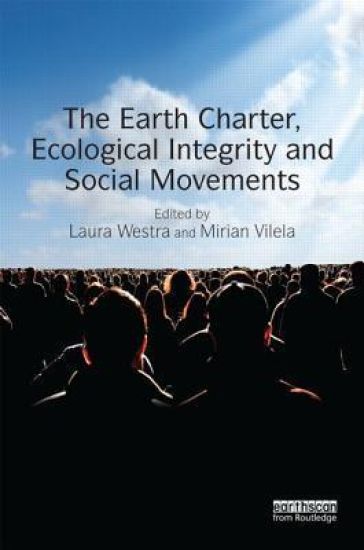
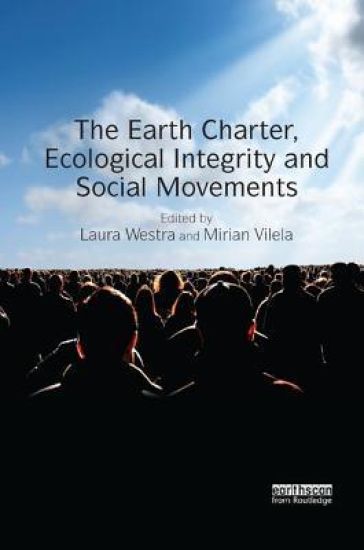
The Earth Charter, Ecological Integrity and Social Movements
The Earth Charter is a declaration of fundamental ethical principles for building a just, sustainable and peaceful global society, with ecological integrity as a major theme. This book provides a series of analyses of ecological integrity as it relates to the Earth Charter, social movements and international law for human rights. It is shown how the Earth Charter project began as a United Nations initiative, but it was carried forward and completed by a global civil society initiative. The drafting of the Earth Charter involved the most inclusive and participatory process of its time ever associated with the creation of an international declaration. This process is the primary source of its legitimacy as a guiding ethical framework. The Earth Charter was finalized and then launched in 2000 and its legitimacy has been further enhanced by its endorsement by over 6,500 organizations, including many governments and international organizations. In the light of this legitimacy, an increasing number of international lawyers recognize that the Earth Charter is acquiring the status of a soft law document. The book also shows the strong connection between ecological integrity and social justice, particularly in the defence of indigenous people, and includes contributions from both the North and the global South, specifically from Central and South America.
The Earth Charter, Ecological Integrity and Social Movements
The Earth Charter is a declaration of fundamental ethical principles for building a just, sustainable and peaceful global society, with ecological integrity as a major theme. This book provides a series of analyses of ecological integrity as it relates to the Earth Charter, social movements and international law for human rights. It is shown how the Earth Charter project began as a United Nations initiative, but it was carried forward and completed by a global civil society initiative. The drafting of the Earth Charter involved the most inclusive and participatory process of its time ever associated with the creation of an international declaration. This process is the primary source of its legitimacy as a guiding ethical framework. The Earth Charter was finalized and then launched in 2000 and its legitimacy has been further enhanced by its endorsement by over 6,500 organizations, including many governments and international organizations. In the light of this legitimacy, an increasing number of international lawyers recognize that the Earth Charter is acquiring the status of a soft law document. The book also shows the strong connection between ecological integrity and social justice, particularly in the defence of indigenous people, and includes contributions from both the North and the global South, specifically from Central and South America.
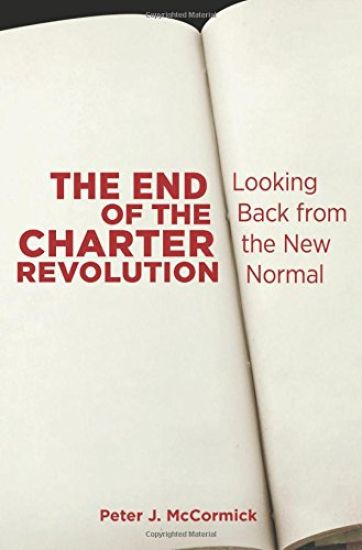
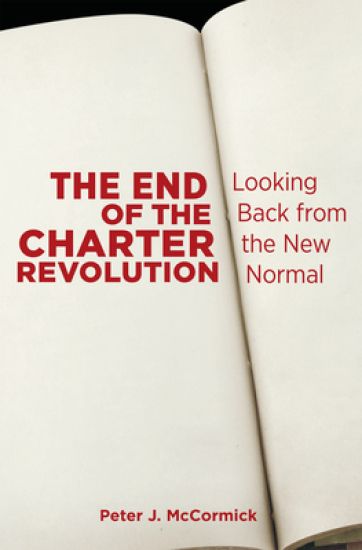
The End of the Charter Revolution

The End of the Charter Revolution

Peter J. McCormick

University of Toronto Press
2014
pokkari
The Canadian Charter of Rights and Freedoms became an entrenched part of the Canadian Constitution on April 17, 1982. The Charter represented a significant change in Canadian constitutional order and carried the courts, and the Supreme Court in particular, decisively into some of the biggest controversies in Canadian politics. Although the impact of the Charter on Canadian law and society was profound, a new status quo has been established. Even though there will be future Charter surprises and decisions that will claim news headlines, Peter J. McCormick argues that these cases will be occasional rather than frequent, and that the Charter "revolution" is over. Or, as he puts it in his introduction, "I will tell a story about the Charter, about the big ripples that have gradually but steadily died away such that the surface of the pond is now almost smooth." The End of the Charter Revolution explores the Canadian Charter of Rights and Freedoms, beginning with a general historical background, followed by a survey of the significant changes brought about as Charter decisions were made. The book addresses a series of specific cases made before the Dickson, Lamer, and McLachlin Courts, and then provides empirical data to support the argument that the Charter revolution has ended. The Supreme Court has without question become "a national institution of the first order," but even though the Charter is a large part of why this has happened, it is not Charter decisions that will showcase the exercise of this power in the future.
The End of the Charter Revolution

The End of the Charter Revolution

Peter J. McCormick

University of Toronto Press
2014
sidottu
The Canadian Charter of Rights and Freedoms became an entrenched part of the Canadian Constitution on April 17, 1982. The Charter represented a significant change in Canadian constitutional order and carried the courts, and the Supreme Court in particular, decisively into some of the biggest controversies in Canadian politics. Although the impact of the Charter on Canadian law and society was profound, a new status quo has been established. Even though there will be future Charter surprises and decisions that will claim news headlines, Peter J. McCormick argues that these cases will be occasional rather than frequent, and that the Charter "revolution" is over. Or, as he puts it in his introduction, "I will tell a story about the Charter, about the big ripples that have gradually but steadily died away such that the surface of the pond is now almost smooth." The End of the Charter Revolution explores the Canadian Charter of Rights and Freedoms, beginning with a general historical background, followed by a survey of the significant changes brought about as Charter decisions were made. The book addresses a series of specific cases made before the Dickson, Lamer, and McLachlin Courts, and then provides empirical data to support the argument that the Charter revolution has ended. The Supreme Court has without question become "a national institution of the first order," but even though the Charter is a large part of why this has happened, it is not Charter decisions that will showcase the exercise of this power in the future.
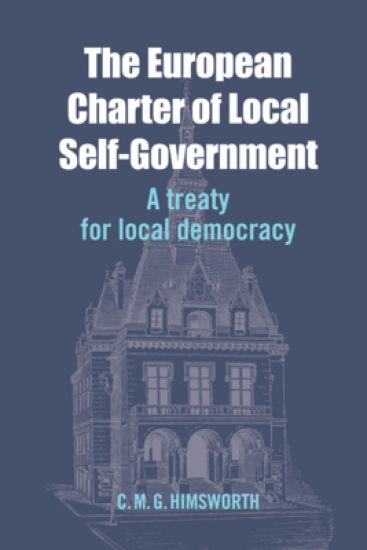
The European Charter of Local Self-Government

The European Charter of Local Self-Government

Chris Himsworth

Edinburgh University Press
2015
sidottu
The 1985 European Charter of Local Self-Government secures the autonomy of local government within states and sets the standards for subsidiary at the local level. Chris Himsworth analyses the text of the 1985 European Charter of Local Self-Government, traces its historical emergence and explains how it has been applied and interpreted throughout Europe, including the 2014' Local and regional democracy in the United Kingdom' report published by the Council of Europe in March 2014. Locating the Charter's own history within the broader recent history of the Council of Europe and the European Union, the book closes with an assessment of the Charter's future prospects.
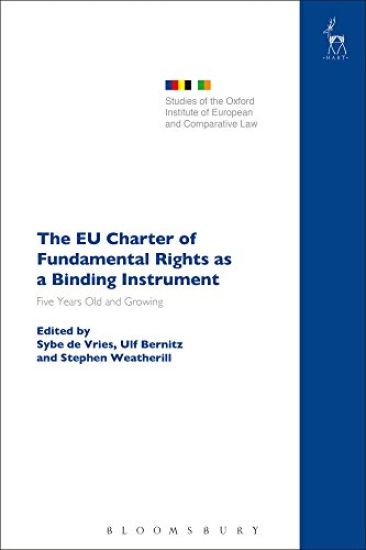
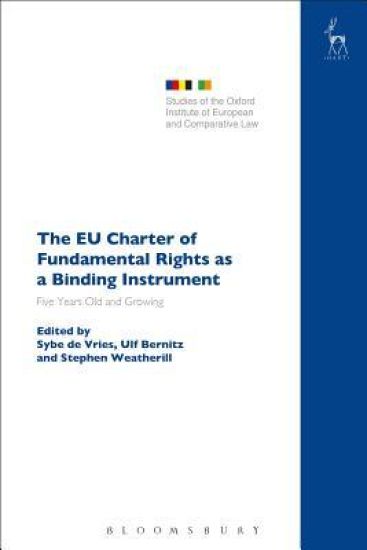
The EU Charter of Fundamental Rights as a Binding Instrument
The entry into force of the Treaty of Lisbon in 2009 caused the EU's Charter of Fundamental Rights to be granted binding effect. This raised a host of intriguing questions. Would this transform the EU's commitment to fundamental rights? Should it transform that commitment? How, if at all, can we balance competing rights and principles? (The interaction of the social and the economic spheres offers a particular challenge). How deeply does the EU conception of fundamental rights reach into and bind national law and practice? How deeply does it affect private parties? How much flexibility has been left to the Court in making these interpretative choices? What is the likely effect of another of the reforms achieved by the Lisbon Treaty, the commitment of the EU to accede to the ECHR? This book addresses all of these questions in the light of five years of practice under the Charter as a binding instrument.
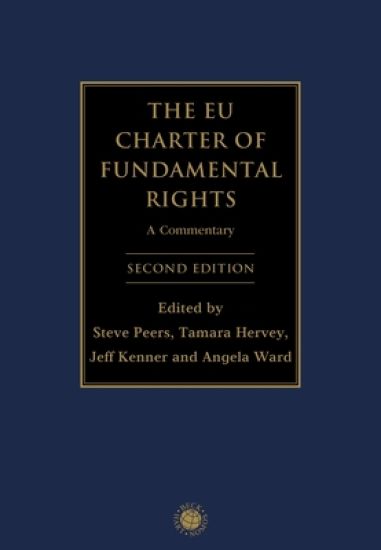
The EU Charter of Fundamental Rights
“..this most thorough commentary must be regarded as the Bible on the Charter”Peter Oliver, Common Market Law ReviewThis second edition of the first commentary of the EU Charter of Fundamental Rights in English, written by experts from several EU Member States, provides an authoritative but succinct statement of how the Charter impacts upon EU, domestic and international law. Following the conventional article-by-article approach, each commentator offers an expert view of how each article is either already being interpreted in the courts, or is likely to be interpreted. Each commentary is referenced to the case law and is augmented with extensive references to further reading. This is a much-welcomed new edition of the authoritative guide to the Charter.
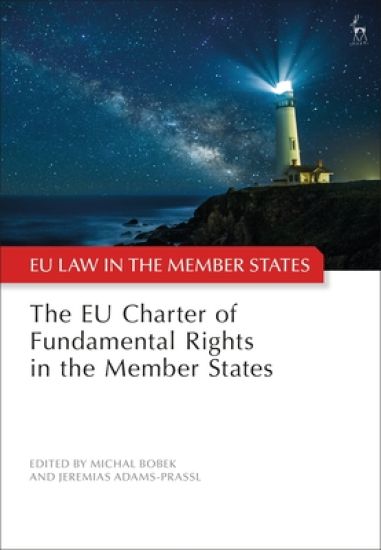
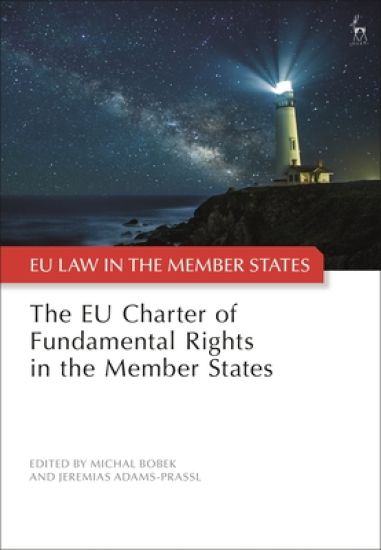
The EU Charter of Fundamental Rights in the Member States
Ten years after the Charter of Fundamental Rights of the European Union became part of binding primary law, and twenty years since its adoption, this volume assess the application of the EU Charter in the Member States. How often, and in particular by which actors, is the EU Charter invoked at the national level? In what type of situations is it used? Has the approach of national courts in general, and of constitutional courts in particular, to EU law to EU fundamental rights law changed following the entry into force of the Charter? What sort of interplay does the Charter generate with the national bill of rights and the European Convention? Is the life with the Charter on the national level a harmonious 'praktische Konkordanz' or rather a messy 'ménage à trois'? These and other questions are discussed in the four parts that form the book. Part I is dedicated to the normative foundations. Part II sets out Member States’ Perspectives, providing a structured, in-depth account of the Charter’s operation in 16 different Member States. Part III provides a detailed evaluation of selected rights contained within the Charter. Part IV synthesises the materials presented up to that point to develop a series of broader perspectives, looking to discover underlying lessons about the relationship between EU fundamental rights law and national legal systems.
The EU Charter of Fundamental Rights in the Member States
Ten years after the Charter of Fundamental Rights of the European Union became part of binding primary law, and twenty years since its adoption, this volume assess the application of the EU Charter in the Member States. How often, and in particular by which actors, is the EU Charter invoked at the national level? In what type of situations is it used? Has the approach of national courts in general, and of constitutional courts in particular, to EU law to EU fundamental rights law changed following the entry into force of the Charter? What sort of interplay does the Charter generate with the national bill of rights and the European Convention? Is the life with the Charter on the national level a harmonious 'praktische Konkordanz' or rather a messy 'ménage à trois'? These and other questions are discussed in the four parts that form the book. Part I is dedicated to the normative foundations. Part II sets out Member States’ Perspectives, providing a structured, in-depth account of the Charter’s operation in 16 different Member States. Part III provides a detailed evaluation of selected rights contained within the Charter. Part IV synthesises the materials presented up to that point to develop a series of broader perspectives, looking to discover underlying lessons about the relationship between EU fundamental rights law and national legal systems.
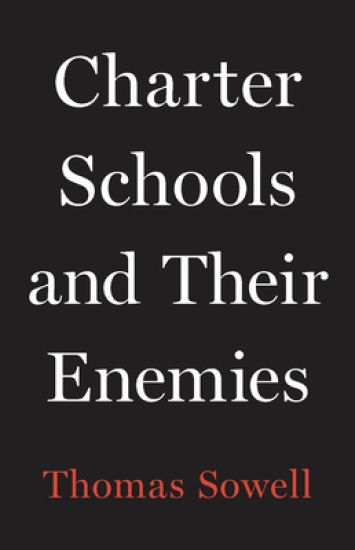
Charter Schools and Their Enemies

Charter Schools and Their Enemies

Thomas Sowell

Basic Books
2020
sidottu
As public schools in low income areas fell into disrepair and failed to meet the needs of disadvantaged and minority students, charter schools offered an alternative. These schools were born out of the idea that low income families should be allowed to choose where their children went to school, just the same as high income families. If the public school in the community was unsatisfactory, shouldn't they be allowed to seek out an alternative? The alternatives are surprisingly effective. Charter schools located in low income black and Latinx communities achieve results surpassing both traditional public schools in their areas, and also, in many cases, public schools in more affluent neighbourhoods. In Charter Schools and Their Enemies, celebrated conservative intellectual Thomas Sowell explores the surprising success of this model and the surprising backlash that threatens to dismantle it.Instead of being celebrated for their successes, charter schools are caught in political crosscurrents. In addition to uncovering the success of the charter school movement, Sowell pays careful attention to its adversaries to understand how these schools became such a contentious issue and why the controversy rages on. Teachers' unions, fearful of their hold over government-funded education, fund political candidates to oppose the charter school movement. Liberal educators also oppose charter schools, Sowell argues, because they believe that the school system should indoctrinate the young in progressive politics.Deeply researched and amply documented, Charter Schools and Their Enemies is essential reading for anyone concerned with debates over education in America.
The EU Charter of Fundamental Rights as a Binding Instrument
The entry into force of the Treaty of Lisbon in 2009 caused the EU's Charter of Fundamental Rights to be granted binding effect. This raised a host of intriguing questions. Would this transform the EU's commitment to fundamental rights? Should it transform that commitment? How, if at all, can we balance competing rights and principles? (The interaction of the social and the economic spheres offers a particular challenge). How deeply does the EU conception of fundamental rights reach into and bind national law and practice? How deeply does it affect private parties? How much flexibility has been left to the Court in making these interpretative choices? What is the likely effect of another of the reforms achieved by the Lisbon Treaty, the commitment of the EU to accede to the ECHR? This book addresses all of these questions in the light of five years of practice under the Charter as a binding instrument.
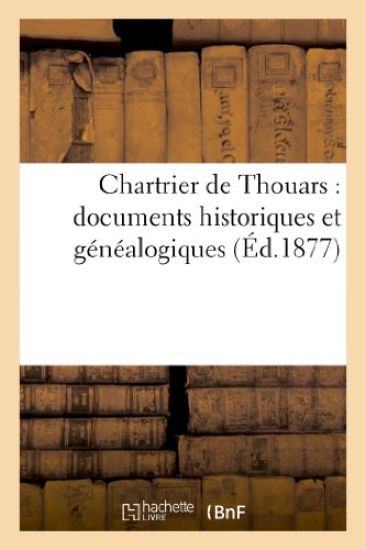
Chartrier de Thouars: Documents Historiques Et Généalogiques
Chartrier de Thouars: documents historiques et genealogiquesDate de l'edition originale: 1877Sujet de l'ouvrage: Thouars (France)Ce livre est la reproduction fidele d une uvre publiee avant 1920 et fait partie d une collection de livres reimprimes a la demande editee par Hachette Livre, dans le cadre d un partenariat avec la Bibliotheque nationale de France, offrant l opportunite d acceder a des ouvrages anciens et souvent rares issus des fonds patrimoniaux de la BnF.Les uvres faisant partie de cette collection ont ete numerisees par la BnF et sont presentes sur Gallica, sa bibliotheque numerique.En entreprenant de redonner vie a ces ouvrages au travers d une collection de livres reimprimes a la demande, nous leur donnons la possibilite de rencontrer un public elargi et participons a la transmission de connaissances et de savoirs parfois difficilement accessibles.Nous avons cherche a concilier la reproduction fidele d un livre ancien a partir de sa version numerisee avec le souci d un confort de lecture optimal. Nous esperons que les ouvrages de cette nouvelle collection vous apporteront entiere satisfaction.Pour plus d informations, rendez-vous sur www.hachettebnf.fr
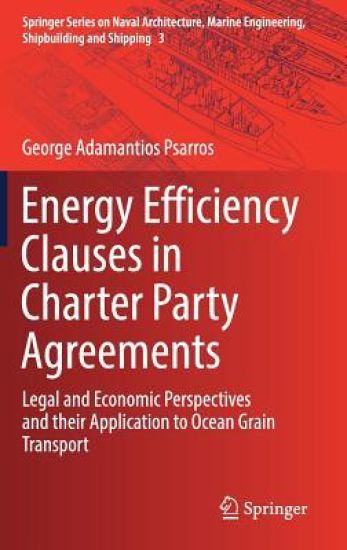
Energy Efficiency Clauses in Charter Party Agreements

Energy Efficiency Clauses in Charter Party Agreements

George Adamantios Psarros

Springer International Publishing AG
2016
sidottu
This book provides practical solutions for addressing energy efficiency as a clause term within a charter party contract. For this, upon a reflection of the regulatory craft, it analyzes key concepts of case law, and discusses them together with commercial and economic principles. In this way, the book aims at offering a comprehensive, interdisciplinary view of the chartering process, together with a new approach for safeguarding energy efficiency investments. A special emphasis is given to the maritime industry. Here, the newly developed framework, based on game theory, has been successfully applied to demonstrate the importance of including a clause term in contract negotiation to achieve protection against both an uncertain market and an even more challenging shipping environment. The book not only fills a gap in the literature, covering a topic that has been largely neglected to date, yet it offers researchers and practitioners extensive information to change the chartering processradically.
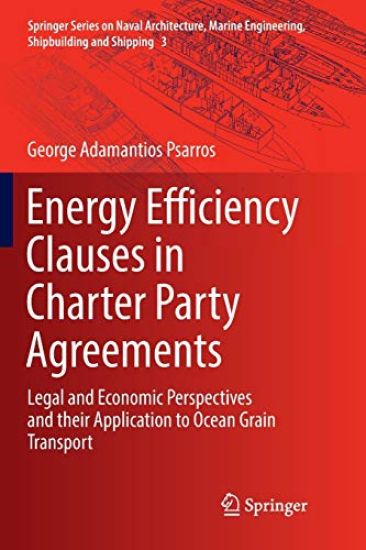
Energy Efficiency Clauses in Charter Party Agreements

Energy Efficiency Clauses in Charter Party Agreements

George Adamantios Psarros

Springer International Publishing AG
2018
nidottu
This book provides practical solutions for addressing energy efficiency as a clause term within a charter party contract. For this, upon a reflection of the regulatory craft, it analyzes key concepts of case law, and discusses them together with commercial and economic principles. In this way, the book aims at offering a comprehensive, interdisciplinary view of the chartering process, together with a new approach for safeguarding energy efficiency investments. A special emphasis is given to the maritime industry. Here, the newly developed framework, based on game theory, has been successfully applied to demonstrate the importance of including a clause term in contract negotiation to achieve protection against both an uncertain market and an even more challenging shipping environment. The book not only fills a gap in the literature, covering a topic that has been largely neglected to date, yet it offers researchers and practitioners extensive information to change the chartering processradically.