Kirjojen hintavertailu. Mukana 11 244 527 kirjaa ja 12 kauppaa.

Kirjahaku

Etsi kirjoja tekijän nimen, kirjan nimen tai ISBN:n perusteella.

747 tulosta hakusanalla Cherokee Hatcher

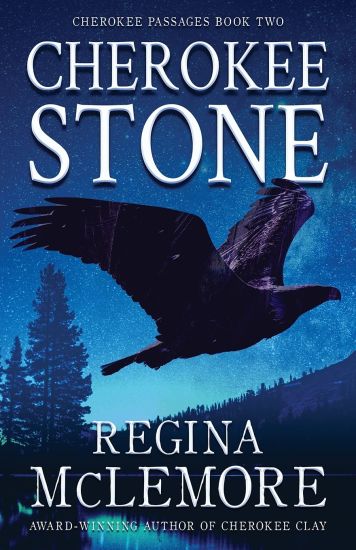
Cherokee Stone

Cherokee Stone

Regina McLemore

Fife Press
2021
sidottu
Battling a World That Seeks to Destroy... Amelia Clay struggles with abandonment, fear, and betrayal after having grown up at the Cherokee Girls Mission where her father discarded her. The effects of these experiences travel with her when she finally returns home. While Amelia is learning to trust again, she finds herself married to a man she cannot love. Although she genuinely cares for her family and appears to have her life under control, there is a dark side to Amelia that refuses to remain hidden.Bonita McKindle, lives with her grandmother until her alcoholic father takes her back home. Despite being forced to fend for herself, Bonita emerges as a strong, independent young woman who loves school and has dreams. Bonita is supported by her aunt and uncle and gains the love of two of Amelia's sons, Ross and Clay. However, Bonita makes a poor decision, befriending an abused girl, and finds herself in a situation that she must escape, and an even worse decision lands Bonita and her admirer, Clay Stone, in the middle of a brutal murder.Can these two women deal with the dangerous situations thrown at them? Will they each find love and happiness?
Cherokee Stone

Cherokee Stone

Regina McLemore

Fife Press
2021
pokkari
Battling a World That Seeks to Destroy... Amelia Clay struggles with abandonment, fear, and betrayal after having grown up at the Cherokee Girls Mission where her father discarded her. The effects of these experiences travel with her when she finally returns home. While Amelia is learning to trust again, she finds herself married to a man she cannot love. Although she genuinely cares for her family and appears to have her life under control, there is a dark side to Amelia that refuses to remain hidden.Bonita McKindle, lives with her grandmother until her alcoholic father takes her back home. Despite being forced to fend for herself, Bonita emerges as a strong, independent young woman who loves school and has dreams. Bonita is supported by her aunt and uncle and gains the love of two of Amelia's sons, Ross and Clay. However, Bonita makes a poor decision, befriending an abused girl, and finds herself in a situation that she must escape, and an even worse decision lands Bonita and her admirer, Clay Stone, in the middle of a brutal murder.Can these two women deal with the dangerous situations thrown at them? Will they each find love and happiness?
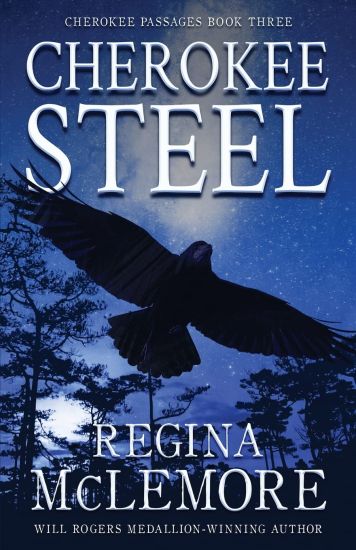
Cherokee Steel

Cherokee Steel

Regina McLemore

Fife Press
2022
sidottu
Who will be worthy of the stone?In the final chapter of Bluebird and Grey Wolf's Cherokee descendants, the story of Amelia Clay Stone, their great granddaughter, will continue to evolve. Not only the sad legacy of the Trail of Tears, but Amelia's abusive experiences at the Cherokee Girls' Mission will take their psychological toll on her children, grandchildren, and great grandchildren. Meanwhile, young Bonita McKindle, the love interest of Amelia's sons, Clay and Ross, struggles to overcome the damage brought upon her by tragedy, poverty, and neglect. Forced to quit school to care for her critically ill, alcoholic father, Bonita desperately yearns to escape and make a better life for herself, only to encounter more heartache. When she gives birth to her daughter Miranda, Bonita experiences new hope, but Miranda and her children will soon find their own demons to battle.All the while, the fate of a special family heirloom-the stone Bluebird carried on the Trail of Tears from Georgia so long ago-rests in Amelia's hands. It has been passed down through the generations to Bluebird's descendants. Will the aging Amelia find any family member who is worthy to carry it on to the next generation? Or will the traditional Cherokee beliefs the stone represents be lost forever?
Cherokee Steel

Cherokee Steel

Regina McLemore

Oghma Creative Media
2023
pokkari
Who will be worthy of the stone?In the final chapter of Bluebird and Grey Wolf's Cherokee descendants, the story of Amelia Clay Stone, their great granddaughter, will continue to evolve. Not only the sad legacy of the Trail of Tears, but Amelia's abusive experiences at the Cherokee Girls' Mission will take their psychological toll on her children, grandchildren, and great grandchildren. Meanwhile, young Bonita McKindle, the love interest of Amelia's sons, Clay and Ross, struggles to overcome the damage brought upon her by tragedy, poverty, and neglect. Forced to quit school to care for her critically ill, alcoholic father, Bonita desperately yearns to escape and make a better life for herself, only to encounter more heartache. When she gives birth to her daughter Miranda, Bonita experiences new hope, but Miranda and her children will soon find their own demons to battle.All the while, the fate of a special family heirloom-the stone Bluebird carried on the Trail of Tears from Georgia so long ago-rests in Amelia's hands. It has been passed down through the generations to Bluebird's descendants. Will the aging Amelia find any family member who is worthy to carry it on to the next generation? Or will the traditional Cherokee beliefs the stone represents be lost forever?
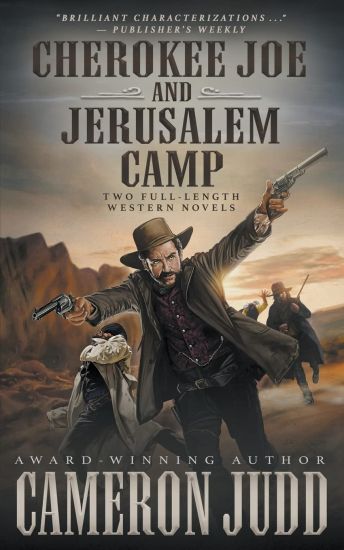
Cherokee Joe and Jerusalem Camp

Cherokee Joe and Jerusalem Camp

Cameron Judd

Wolfpack Publishing LLC
2022
pokkari
Writing with power, authority, and respect for America's frontier traditions, Cameron Judd captures the spirit of adventure and promise of the wild frontier in these two full-length novels in one volume. The lawmen call him Cherokee Joe, but his given name is Joe Wolfkiller. He's a rebellious half-breed wanderer wanted for numerous crimes in the Indian Territory. Despite the danger, Joe ventures back into the Cherokee Nation when he learns his father is at Death's door. Deceived by the white man and deeper in trouble, he befriends an eccentric old Indian who carries an ulunsuti, an ancient crystal credited with awesome, but fickle, powers. Joe agrees to help the old man in his final quest: to find his long-lost daughter and bequeath to her the mighty legacy of their people... a journey that will bring bitter vengeance and mortal danger.In Jerusalem Camp, when a mysterious, on the lam drifter named Tellico rides into the isolated Sierra Mountains town of Jerusalem Camp, he soon finds himself snowed in by a fierce winter storm in a town where an unknown killer has begun stalking the populace for reasons no one can seems to fathom. Killing with a long knife and further mutilating his victims by severing one thumb, the unseen murderer soon begins leaving hints that his actions may not be as random as they appear... As he is drawn into the effort to find and stop the "Gray Man" who terrorizes the town, Tellico joins with the local blacksmith-turned-reluctant-town-marshal in trying to determine why death has descended upon Jerusalem Camp, and just what, and whose, long-buried sin it is that the Gray Man is determined to avenge."Brilliant characterizations . . . The classically suspenseful, neatly ironic ending is flawless." - Publishers Weekly (for Jerusalem Camp)
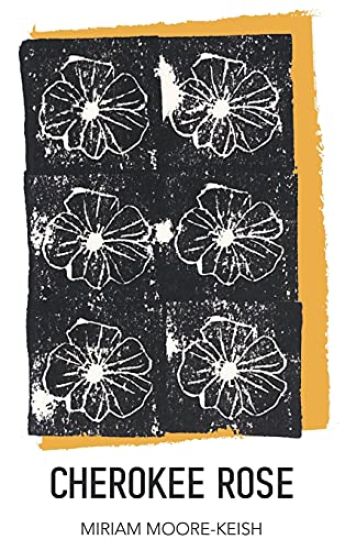
Cherokee Rose

Cherokee Rose

Miriam Moore-Keish

Finishing Line Press
2021
pokkari
"Miriam Moore-Keish writes hopeful young heaviness like she always does, with a kindness for setting and a sternness for structures and institutions. The busyness of thick food, wine, eyeliner, humidity, and the blood of different peoples who cannot stop loving and hating each other consumes these works, and our only guiding light is the narrator's unlikely hope that maybe she can figure it all out. These poems are what the American South can be for some and must become for so many others-alert, tactile, and learning." -Bethany Catlin, Rain Taxi Review of Books"In Cherokee Rose Miriam Moore-Keish writes about the pain of family, the pain of the South, the beauty of family, the beauty of the South, the complexity of family, complexity of the South, and also the beauty, pain, and complexity of faith." -Terra Elan McVoy, author of The Summer of Firsts and Lasts, Pure, and Being Friends with Boys"Moore-Keish captures tastes of biscuits and irony. You'll find the South here." -Cindy Henry McMahon, author of Fresh Water from Old Wells
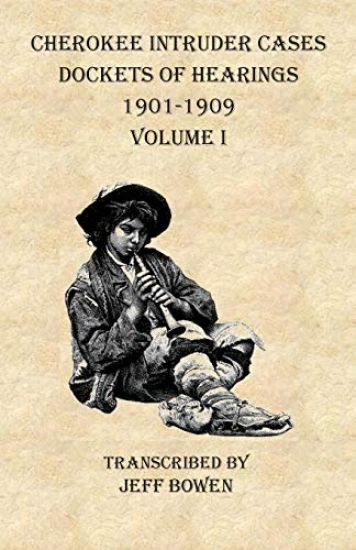
Cherokee Intruder Cases Dockets of Hearings 1901-1901 Volume I
The records in this volume were transcribed from the National Archival film rolls 7RA53 2-3, Cherokee Hearings on Intruder Cases, Dockets of Hearings on Intruder Cases 1901-1909. For definition purposes there are two parties involved with each case within these pages. One is the "intruder" and the other is the "allottee." The term "intruder" refers to an illegal resident in the Cherokee Nation who was living on land that, in the eyes of the Cherokee Commission, did not belong to him/her. The term "allottee" refers to a legal resident of the Cherokee Nation who had been allotted, or given, a parcel of tribal land in the Cherokee Nation through the Dawes Act of 1898-1914. The intruder cases were heard and resolved between 1901 and 1909, and many of them involved contested citizenship claims made by persons claiming Cherokee citizenship based on partial blood. Some of the intruders had made improvements to their parcels, a situation that gave rise to the ambiguous Supreme Court decision in Stevens v. Commissioner in 1906. Other intruders were railroad or mining companies. The intruders' cases found in this book are intriguing on a number of counts. The cases refer to hundreds of people because of the assortment of individuals referenced on behalf of allottees and intruders, as well as lawyers. In some cases researchers may have to make their own determination as to whether an intruder qualified as a Cherokee citizen. While an ancient family legend may assert that one's ancestors were Indians, the determinations in Stevens left much up in the air. On the one hand, the intruder was considered to be a land owner, based upon the Court's determination as to how he had funded his purchase as an "individual Indian." On the other hand, the intruder does not appear on a Cherokee roll even though his land was protected under papers issued by an Indian Agent. In some cases the Cherokee Nation was able to auction off the intruder's land based on the outcome, "Action, No return of service, no answer filed"; under "Remarks, contest pending, Case dismissed for want of prosecution, dismissed," for a fraction of its true value to the intruder. There are over 1,300 cases within this 2-book series.
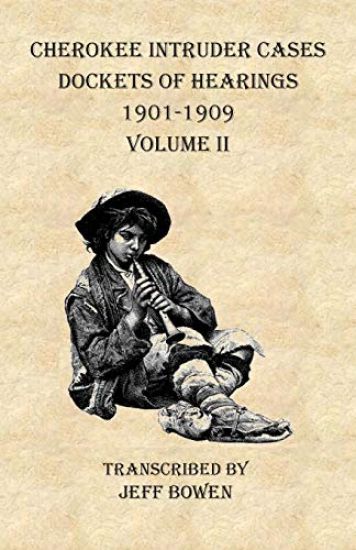
Cherokee Intruder Cases Dockets of Hearings 1901-1909 Volume II
The records in this volume were transcribed from the National Archival film rolls 7RA53 2-3, Cherokee Hearings on Intruder Cases, Dockets of Hearings on Intruder Cases 1901-1909. For definition purposes there are two parties involved with each case within these pages. One is the "intruder" and the other is the "allottee." The term "intruder" refers to an illegal resident in the Cherokee Nation who was living on land that, in the eyes of the Cherokee Commission, did not belong to him/her. The term "allottee" refers to a legal resident of the Cherokee Nation who had been allotted, or given, a parcel of tribal land in the Cherokee Nation through the Dawes Act of 1898-1914. The intruder cases were heard and resolved between 1901 and 1909, and many of them involved contested citizenship claims made by persons claiming Cherokee citizenship based on partial blood. Some of the intruders had made improvements to their parcels, a situation that gave rise to the ambiguous Supreme Court decision in Stevens v. Commissioner in 1906. Other intruders were railroad or mining companies. The intruders' cases found in this book are intriguing on a number of counts. The cases refer to hundreds of people because of the assortment of individuals referenced on behalf of allottees and intruders, as well as lawyers. In some cases researchers may have to make their own determination as to whether an intruder qualified as a Cherokee citizen. While an ancient family legend may assert that one's ancestors were Indians, the determinations in Stevens left much up in the air. On the one hand, the intruder was considered to be a land owner, based upon the Court's determination as to how he had funded his purchase as an "individual Indian." On the other hand, the intruder does not appear on a Cherokee roll even though his land was protected under papers issued by an Indian Agent. In some cases the Cherokee Nation was able to auction off the intruder's land based on the outcome, "Action, No return of service, no answer filed"; under "Remarks, contest pending, Case dismissed for want of prosecution, dismissed," for a fraction of its true value to the intruder. There are over 1,300 cases within this 2-book series.
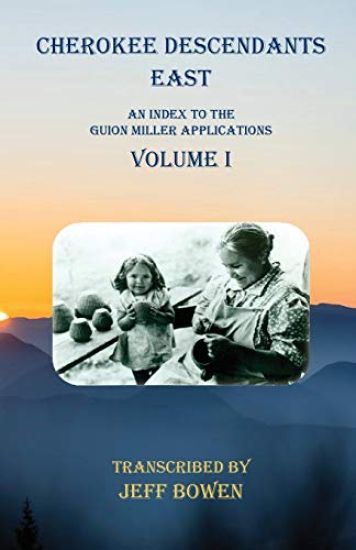
Cherokee Descendants East Volume I
Between May 1905 and April 1907, the U.S. Supreme Court authorized the Secretary of the Interior to identify the descendants of Eastern Cherokees entitled to participate in the distribution of more than $1 million in outstanding claims against the U.S. government based upon the Treaties of 1835-36 and 1845. On May 28, 1909, Commissioner Guion Miller, representing the Interior Department, submitted to Congress his findings with respect to 45,857 separate applications for compensation (totaling about 90,000 individual Native American claimants). Miller qualified about 30,000 persons inhabiting approximately thirty-nine states and three countries to share in the fund. Ninety percent of the eligible were living west of the Mississippi River.The work at hand, Cherokee Descendants East: An Index to the Guion Miller Applications. Volume I, is a verbatim transcription of the first portion of the index found in National Archives Record Group 123. Volume I refers to the Cherokee applicants living east of the Mississippi River in 1909 (about 3,200 applicants, or 10% of the total). For each head of household named in he application, we are given the following additional information: Guion Miller roll number, city and state of residence, and the names of other householders with their ages and relationship to the head. A history of the Guion Miller Commission and several sample applications precede the index of applicants, while an addendum and comprehensive name index conclude the work. Two additional, larger volumes will cover Cherokee applicants residing west of the Mississippi.
Cherokee Descendants West Volume II (A-M)
Between May 1905 and April 1907, the U.S. Supreme Court authorized the Secretary of the Interior to identify the descendants of Eastern Cherokees entitled to participate in the distribution of more than $1 million in outstanding claims against the U.S. government based upon the Treaties of 1835-36 and 1845. On May 28, 1909, Commissioner Guion Miller, representing the Interior Department, submitted to Congress his findings with respect to 45,857 separate applications for compensation (totaling about 90,000 individual Native American claimants). Miller qualified about 30,000 persons inhabiting approximately thirty-nine states and three countries to share in the fund. Ninety percent of the eligible were living west of the Mississippi River.The volume at hand is a verbatim transcription of the concluding and largest portion of the index found in National Archives Record Group 123. (Volume I in this series refers to the Cherokee applicants living east of the Mississippi River in 1909, about 3,200 applicants or 10% of the total named in the index.) The lion's share of the Guion Miller application index refers to Native Americans who were living west of the Mississippi in 1909. For each head of household named in the application, we are given the following additional information: Guion Miller roll number, city and state of residence, and the names of other householders with their ages and relationship to the head. A history of the Guion Miller Commission and several sample applications precede the index of applicants, while an addendum and comprehensive name index conclude the work.
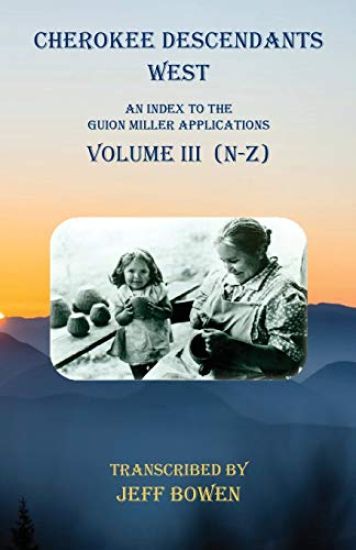
Cherokee Descendants West Volume III (N-Z)
Between May 1905 and April 1907, the U.S. Supreme Court authorized the Secretary of the Interior to identify the descendants of Eastern Cherokees entitled to participate in the distribution of more than $1 million in outstanding claims against the U.S. government based upon the Treaties of 1835-36 and 1845. On May 28, 1909, Commissioner Guion Miller, representing the Interior Department, submitted to Congress his findings with respect to 45,857 separate applications for compensation (totaling about 90,000 individual Native American claimants). Miller qualified about 30,000 persons inhabiting approximately thirty-nine states and three countries to share in the fund. Ninety percent of the eligible were living west of the Mississippi River.The volume at hand is a verbatim transcription of the concluding and largest portion of the index found in National Archives Record Group 123. (Volume I in this series refers to the Cherokee applicants living east of the Mississippi River in 1909, about 3,200 applicants or 10% of the total named in the index.) The lion's share of the Guion Miller application index refers to Native Americans who were living west of the Mississippi in 1909. For each head of household named in the application, we are given the following additional information: Guion Miller roll number, city and state of residence, and the names of other householders with their ages and relationship to the head. A history of the Guion Miller Commission and several sample applications precede the index of applicants, while an addendum and comprehensive name index conclude the work.
Cherokee Citizenship Commission Dockets Volume I
The Cherokee relied upon their leaders to guide them but they ended up hanging in the balance after the Civil War. Fathers and brothers were off fighting a war that didn't even concern them. The men fighting the war came back to the same old political hatreds and in-fighting. The Nation was being overrun with many that claimed they were Cherokee, hoping to benefit from false claims of citizenship. These people, known as intruders, did nothing but make it more difficult for the Cherokees because of the pressures from the Government to control their boundaries. Intruder after intruder was encroaching on Cherokee land. Many Cherokee citizens had lost their rights while intruders that didn't belong stayed using up what little resources there were. The government was telling the Cherokee leaders to settle their own intruder problems or else they would have to intercede. There were part-bloods, full-bloods, and no bloods along with mass confusion, prejudice, vendettas, and deceptions. The intruders wanted a free ride and were willing to use the confusion as a camouflage to achieve their purpose and greed. This was a situation where the government was threatening to come in and turn the Cherokee Nation into a Federal Territory. Ever since 1872, federal agents had refused to expel from the Nation those former slaves whom the Nation considered 'aliens' and since 1874, federal agents had been under instructions from the Bureau of Indian Affairs to compile their own list of persons in their opinion, had some claim to citizenship despite previous rulings of the Cherokee Courts on their claims. The Cherokee Chief Oochalata claiming that a government agent was meddling in Cherokee affairs and wrote to the Bureau of Indian Affairs to complain. Writing a letter to President Grant and sending a petition from one of the Cherokee districts he complained that the agent had not removed thousands of intruders. By the end of 1878, Oochalata struggling to solve the problem gain went over the head of the Bureau of Indian Affairs and wrote to President Rutherford B. Hayes forwarding a complete account of all cases adjudicated by the Citizenship Court. Finally, presenting three questions to the Attorney General at the time, Charles Devens, to answer were: Did the Cherokee Nation have the right to determine its own citizenship? Did the former slaves who were citizens have any share in the use of Cherokee land or in the money derived from the sale of Cherokee land? Was it, or was it not, the duty of the Federal Government to remove intruders under treaty stipulations? Devens' opinion was clearly in the negative as far as the Cherokee Nation's sovereignty and decision processes were concerned. Since the days of Andrew Jackson refusal to honor the requirement of removing intruders was to be the means of forcing the Indian nations to do what they did not want to do. This series contains documentation from the rulings of the Cherokee Citizenship Commission dockets. Besides the names of the applicant and the presiding commissioners and the date of the determination, the transcriptions mostly identify the names of family members and their relationship to the person(s) filing the application. In all, researchers will find references to approximately 20,000 Cherokee claimants in this series.
Cherokee Citizenship Commission Dockets Volume II
The Cherokee relied upon their leaders to guide them but they ended up hanging in the balance after the Civil War. Fathers and brothers were off fighting a war that didn't even concern them. The men fighting the war came back to the same old political hatreds and in-fighting. The Nation was being overrun with many that claimed they were Cherokee, hoping to benefit from false claims of citizenship. These people, known as intruders, did nothing but make it more difficult for the Cherokees because of the pressures from the Government to control their boundaries. Intruder after intruder was encroaching on Cherokee land. Many Cherokee citizens had lost their rights while intruders that didn't belong stayed using up what little resources there were. The government was telling the Cherokee leaders to settle their own intruder problems or else they would have to intercede. There were part-bloods, full-bloods, and no bloods along with mass confusion, prejudice, vendettas, and deceptions. The intruders wanted a free ride and were willing to use the confusion as a camouflage to achieve their purpose and greed. This was a situation where the government was threatening to come in and turn the Cherokee Nation into a Federal Territory. Ever since 1872, federal agents had refused to expel from the Nation those former slaves whom the Nation considered 'aliens' and since 1874, federal agents had been under instructions from the Bureau of Indian Affairs to compile their own list of persons in their opinion, had some claim to citizenship despite previous rulings of the Cherokee Courts on their claims. The Cherokee Chief Oochalata claiming that a government agent was meddling in Cherokee affairs and wrote to the Bureau of Indian Affairs to complain. Writing a letter to President Grant and sending a petition from one of the Cherokee districts he complained that the agent had not removed thousands of intruders. By the end of 1878, Oochalata struggling to solve the problem gain went over the head of the Bureau of Indian Affairs and wrote to President Rutherford B. Hayes forwarding a complete account of all cases adjudicated by the Citizenship Court. Finally, presenting three questions to the Attorney General at the time, Charles Devens, to answer were: Did the Cherokee Nation have the right to determine its own citizenship? Did the former slaves who were citizens have any share in the use of Cherokee land or in the money derived from the sale of Cherokee land? Was it, or was it not, the duty of the Federal Government to remove intruders under treaty stipulations? Devens' opinion was clearly in the negative as far as the Cherokee Nation's sovereignty and decision processes were concerned. Since the days of Andrew Jackson refusal to honor the requirement of removing intruders was to be the means of forcing the Indian nations to do what they did not want to do. This series contains documentation from the rulings of the Cherokee Citizenship Commission dockets. Besides the names of the applicant and the presiding commissioners and the date of the determination, the transcriptions mostly identify the names of family members and their relationship to the person(s) filing the application. In all, researchers will find references to approximately 20,000 Cherokee claimants in this series.
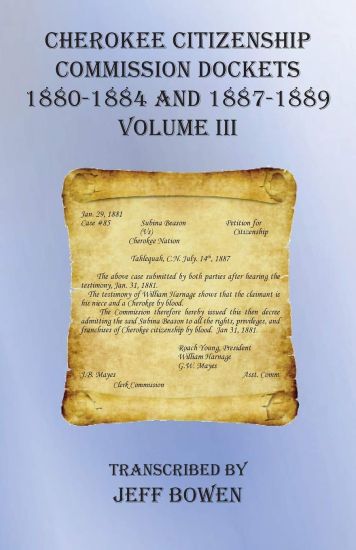
Cherokee Citizenship Commission Dockets Volume III
The Cherokee relied upon their leaders to guide them but they ended up hanging in the balance after the Civil War. Fathers and brothers were off fighting a war that didn't even concern them. The men fighting the war came back to the same old political hatreds and in-fighting. The Nation was being overrun with many that claimed they were Cherokee, hoping to benefit from false claims of citizenship. These people, known as intruders, did nothing but make it more difficult for the Cherokees because of the pressures from the Government to control their boundaries. Intruder after intruder was encroaching on Cherokee land. Many Cherokee citizens had lost their rights while intruders that didn't belong stayed using up what little resources there were. The government was telling the Cherokee leaders to settle their own intruder problems or else they would have to intercede. There were part-bloods, full-bloods, and no bloods along with mass confusion, prejudice, vendettas, and deceptions. The intruders wanted a free ride and were willing to use the confusion as a camouflage to achieve their purpose and greed. This was a situation where the government was threatening to come in and turn the Cherokee Nation into a Federal Territory. Ever since 1872, federal agents had refused to expel from the Nation those former slaves whom the Nation considered 'aliens' and since 1874, federal agents had been under instructions from the Bureau of Indian Affairs to compile their own list of persons in their opinion, had some claim to citizenship despite previous rulings of the Cherokee Courts on their claims. The Cherokee Chief Oochalata claiming that a government agent was meddling in Cherokee affairs and wrote to the Bureau of Indian Affairs to complain. Writing a letter to President Grant and sending a petition from one of the Cherokee districts he complained that the agent had not removed thousands of intruders. By the end of 1878, Oochalata struggling to solve the problem gain went over the head of the Bureau of Indian Affairs and wrote to President Rutherford B. Hayes forwarding a complete account of all cases adjudicated by the Citizenship Court. Finally, presenting three questions to the Attorney General at the time, Charles Devens, to answer were: Did the Cherokee Nation have the right to determine its own citizenship? Did the former slaves who were citizens have any share in the use of Cherokee land or in the money derived from the sale of Cherokee land? Was it, or was it not, the duty of the Federal Government to remove intruders under treaty stipulations? Devens' opinion was clearly in the negative as far as the Cherokee Nation's sovereignty and decision processes were concerned. Since the days of Andrew Jackson refusal to honor the requirement of removing intruders was to be the means of forcing the Indian nations to do what they did not want to do. This series contains documentation from the rulings of the Cherokee Citizenship Commission dockets. Besides the names of the applicant and the presiding commissioners and the date of the determination, the transcriptions mostly identify the names of family members and their relationship to the person(s) filing the application. In all, researchers will find references to approximately 20,000 Cherokee claimants in this series.
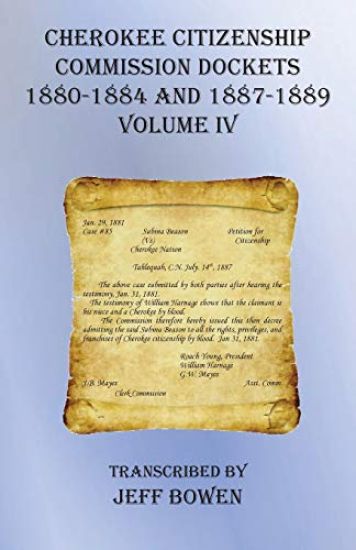
Cherokee Citizenship Commission Dockets Volume IV
The Cherokee relied upon their leaders to guide them but they ended up hanging in the balance after the Civil War. Fathers and brothers were off fighting a war that didn't even concern them. The men fighting the war came back to the same old political hatreds and in-fighting. The Nation was being overrun with many that claimed they were Cherokee, hoping to benefit from false claims of citizenship. These people, known as intruders, did nothing but make it more difficult for the Cherokees because of the pressures from the Government to control their boundaries. Intruder after intruder was encroaching on Cherokee land. Many Cherokee citizens had lost their rights while intruders that didn't belong stayed using up what little resources there were. The government was telling the Cherokee leaders to settle their own intruder problems or else they would have to intercede. There were part-bloods, full-bloods, and no bloods along with mass confusion, prejudice, vendettas, and deceptions. The intruders wanted a free ride and were willing to use the confusion as a camouflage to achieve their purpose and greed. This was a situation where the government was threatening to come in and turn the Cherokee Nation into a Federal Territory. Ever since 1872, federal agents had refused to expel from the Nation those former slaves whom the Nation considered 'aliens' and since 1874, federal agents had been under instructions from the Bureau of Indian Affairs to compile their own list of persons in their opinion, had some claim to citizenship despite previous rulings of the Cherokee Courts on their claims. The Cherokee Chief Oochalata claiming that a government agent was meddling in Cherokee affairs and wrote to the Bureau of Indian Affairs to complain. Writing a letter to President Grant and sending a petition from one of the Cherokee districts he complained that the agent had not removed thousands of intruders. By the end of 1878, Oochalata struggling to solve the problem gain went over the head of the Bureau of Indian Affairs and wrote to President Rutherford B. Hayes forwarding a complete account of all cases adjudicated by the Citizenship Court. Finally, presenting three questions to the Attorney General at the time, Charles Devens, to answer were: Did the Cherokee Nation have the right to determine its own citizenship? Did the former slaves who were citizens have any share in the use of Cherokee land or in the money derived from the sale of Cherokee land? Was it, or was it not, the duty of the Federal Government to remove intruders under treaty stipulations? Devens' opinion was clearly in the negative as far as the Cherokee Nation's sovereignty and decision processes were concerned. Since the days of Andrew Jackson refusal to honor the requirement of removing intruders was to be the means of forcing the Indian nations to do what they did not want to do. This series contains documentation from the rulings of the Cherokee Citizenship Commission dockets. Besides the names of the applicant and the presiding commissioners and the date of the determination, the transcriptions mostly identify the names of family members and their relationship to the person(s) filing the application. In all, researchers will find references to approximately 20,000 Cherokee claimants in this series.
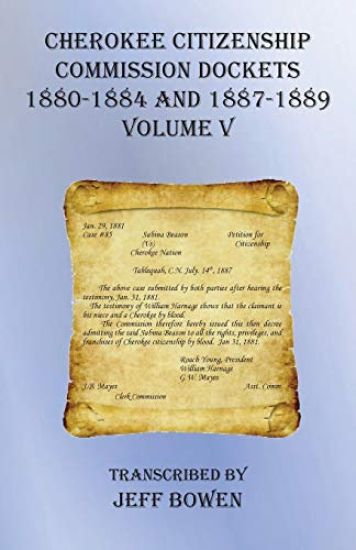
Cherokee Citizenship Commission Dockets Volume V
The Cherokee relied upon their leaders to guide them but they ended up hanging in the balance after the Civil War. Fathers and brothers were off fighting a war that didn't even concern them. The men fighting the war came back to the same old political hatreds and in-fighting. The Nation was being overrun with many that claimed they were Cherokee, hoping to benefit from false claims of citizenship. These people, known as intruders, did nothing but make it more difficult for the Cherokees because of the pressures from the Government to control their boundaries. Intruder after intruder was encroaching on Cherokee land. Many Cherokee citizens had lost their rights while intruders that didn't belong stayed using up what little resources there were. The government was telling the Cherokee leaders to settle their own intruder problems or else they would have to intercede. There were part-bloods, full-bloods, and no bloods along with mass confusion, prejudice, vendettas, and deceptions. The intruders wanted a free ride and were willing to use the confusion as a camouflage to achieve their purpose and greed. This was a situation where the government was threatening to come in and turn the Cherokee Nation into a Federal Territory. Ever since 1872, federal agents had refused to expel from the Nation those former slaves whom the Nation considered 'aliens' and since 1874, federal agents had been under instructions from the Bureau of Indian Affairs to compile their own list of persons in their opinion, had some claim to citizenship despite previous rulings of the Cherokee Courts on their claims. The Cherokee Chief Oochalata claiming that a government agent was meddling in Cherokee affairs and wrote to the Bureau of Indian Affairs to complain. Writing a letter to President Grant and sending a petition from one of the Cherokee districts he complained that the agent had not removed thousands of intruders. By the end of 1878, Oochalata struggling to solve the problem gain went over the head of the Bureau of Indian Affairs and wrote to President Rutherford B. Hayes forwarding a complete account of all cases adjudicated by the Citizenship Court. Finally, presenting three questions to the Attorney General at the time, Charles Devens, to answer were: Did the Cherokee Nation have the right to determine its own citizenship? Did the former slaves who were citizens have any share in the use of Cherokee land or in the money derived from the sale of Cherokee land? Was it, or was it not, the duty of the Federal Government to remove intruders under treaty stipulations? Devens' opinion was clearly in the negative as far as the Cherokee Nation's sovereignty and decision processes were concerned. Since the days of Andrew Jackson refusal to honor the requirement of removing intruders was to be the means of forcing the Indian nations to do what they did not want to do. This series contains documentation from the rulings of the Cherokee Citizenship Commission dockets. Besides the names of the applicant and the presiding commissioners and the date of the determination, the transcriptions mostly identify the names of family members and their relationship to the person(s) filing the application. In all, researchers will find references to approximately 20,000 Cherokee claimants in this series.
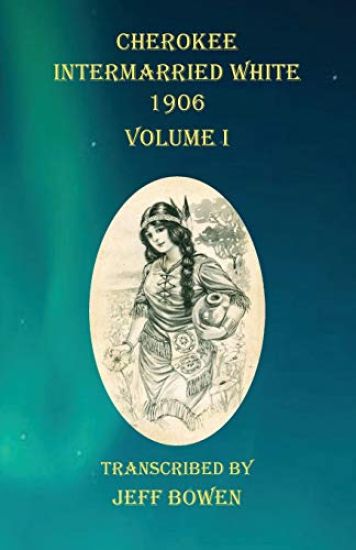
Cherokee Intermarried White 1906 Volume I
This series of transcriptions from the records of the Dawes Commission concerns files of persons claiming entitlement to a portion of the Cherokee tribal lands (under the Dawes Act) in 1906, based on the intermarriage of a Cherokee and a white person. In all, nearly 4,000 individuals made application on this basis; however, the Commission of the Five Civilized Tribes affirmed a mere 286 as entitled Intermarried Whites, far fewer than the numbers of Intermarried appearing on the rolls of the Choctaw and Chickasaw. The reason for the disparity rested with the strictness of Cherokee tribal laws governing citizenship, established in 1877 and upheld by the U.S. Supreme Court in November 1906. Moreover, the Cherokee were also particularly mindful of the importance of protecting their tribal allotment within the Oklahoma Territory from unscrupulous individuals who might claim acreage under false pretenses. This series will appeal to both the historically and genealogically minded. Mr. Bowen begins with a helpful introduction that explains the evolution of Cherokee tribal laws and the litigation that culminated with the Supreme Court decision. The bulk of the volume consists of verbatim transcriptions of the successful applications themselves. Here researchers will learn the names and ages of all parties involved in the claims, with dates of marriage, names and ages of children, places of birth and residence, and more. Assertions of Native American ancestry are the stuff of American family lore and legend; however, thanks to Jeff Bowen we now have proof of Cherokee-White bloodlines going back to the 19th century
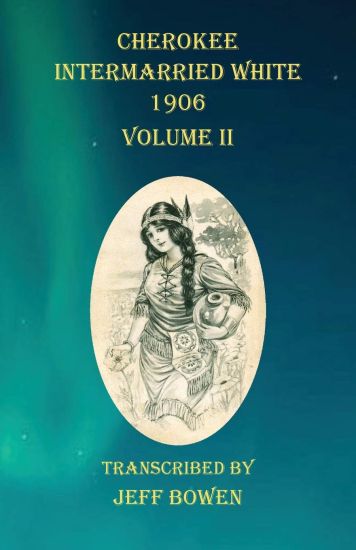
Cherokee Intermarried White 1906 Volume II
This series of transcriptions from the records of the Dawes Commission concerns files of persons claiming entitlement to a portion of the Cherokee tribal lands (under the Dawes Act) in 1906, based on the intermarriage of a Cherokee and a white person. In all, nearly 4,000 individuals made application on this basis; however, the Commission of the Five Civilized Tribes affirmed a mere 286 as entitled Intermarried Whites, far fewer than the numbers of Intermarried appearing on the rolls of the Choctaw and Chickasaw. The reason for the disparity rested with the strictness of Cherokee tribal laws governing citizenship, established in 1877 and upheld by the U.S. Supreme Court in November 1906. Moreover, the Cherokee were also particularly mindful of the importance of protecting their tribal allotment within the Oklahoma Territory from unscrupulous individuals who might claim acreage under false pretenses. This series will appeal to both the historically and genealogically minded. Mr. Bowen begins with a helpful introduction that explains the evolution of Cherokee tribal laws and the litigation that culminated with the Supreme Court decision. The bulk of the volume consists of verbatim transcriptions of the successful applications themselves. Here researchers will learn the names and ages of all parties involved in the claims, with dates of marriage, names and ages of children, places of birth and residence, and more. Assertions of Native American ancestry are the stuff of American family lore and legend; however, thanks to Jeff Bowen we now have proof of Cherokee-White bloodlines going back to the 19th century