Kirjojen hintavertailu. Mukana 11 342 296 kirjaa ja 12 kauppaa.

Kirjahaku

Etsi kirjoja tekijän nimen, kirjan nimen tai ISBN:n perusteella.

1000 tulosta hakusanalla Color Therapy Coloring Books

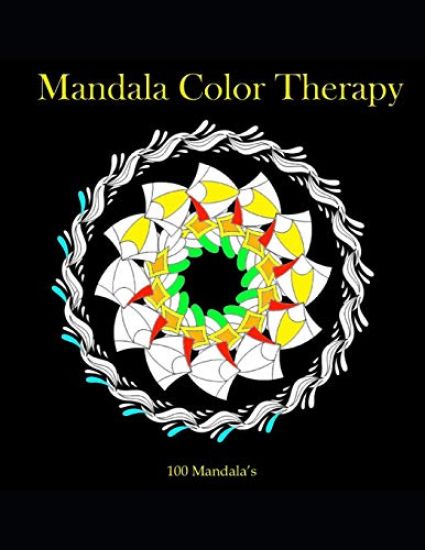
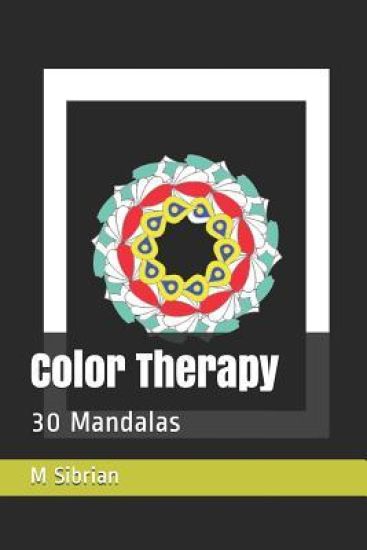
Color Therapy: 30 Mandalas

Color Therapy: 30 Mandalas

M. G. Sibrian

Independently Published
2018
nidottu
Many psychological studies show that coloring and creating mandalas have the same effects that meditation has. Many people nowadays struggle to find time and personal space for meditation, so they turn to coloring books. Moreover, mandalas are especially relaxing to color because of their circular patterns and geometric shapes. These features allow a person to be relaxed and worry-free
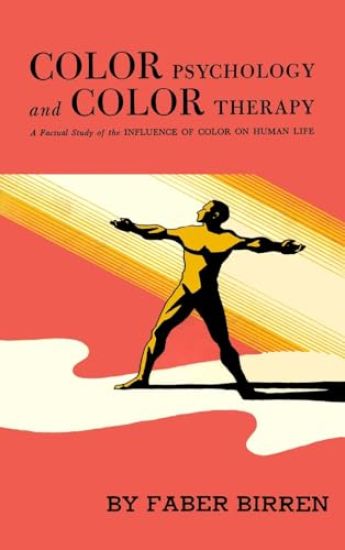
Color Psychology and Color Therapy: A Factual Study of the Influence of Color on Human Life
""Color Psychology and Color Therapy: A Factual Study of the Influence of Color on Human Life"" by Faber Birren is a comprehensive guide to understanding the psychological and therapeutic effects of color. The book delves into the science behind color perception and the ways in which different colors can affect our moods, emotions, and behaviors. Birren explores the historical and cultural significance of color, as well as its role in art and design. The book also includes practical applications of color therapy, including the use of color in healing and relaxation techniques. With clear and concise language, Birren provides readers with a wealth of information on the fascinating and complex world of color psychology and therapy. This book is an essential resource for anyone interested in the power of color to influence our lives.""This is a new release of the original 1950 edition.This scarce antiquarian book is a facsimile reprint of the old original and may contain some imperfections such as library marks and notations. Because we believe this work is culturally important, we have made it available as part of our commitment for protecting, preserving, and promoting the world's literature in affordable, high quality, modern editions, that are true to their original work.
Color Psychology And Color Therapy Hardcover

Color Psychology And Color Therapy Hardcover

Faber Birren

LUSHENA BOOKS INC
2013
sidottu
American writer Faber Birren devoted his life to color and it's effects on human life. After writing around 25 texts on the topic, it would be safe to say his work is considered highly among color experts and psychologists around the world. Birren's work has a strong focus on linking how humans perceive colors to how it makes them react. He writes, "Good smelling colors are pink, lilac, orchid, cool green, aqua blue." Birren explores the work of several physicians, scientists and doctors, mainly the German psychoanalyst and physician Felix Deutsch, whose findings throw important light not only on medical practice with references to color but on the whole psychology of color. Birren states that if a person prefers warmer colors such as hues of red and oranges, they are likely to me more aware of their social environment. He labels these as "warm color dominant subjects." On the other hand, those preferring cooler colous such as blues and greens, are categorized generally as "cold color dominant subjects" and are recognized as finding it challenging to adapt themselves to new environments and situations". By splitting people into separate categories, based on their color preferences, Birren finds himself able to establish a greater understanding of their personalities and characteristics. One experiment Birren explores in his text, courtesy of Kurt Goldstein, involves a subject standing before a black wall with his eyes shut and arms outstretched to touch the wall in front. When the subject is influenced by a warm color such as the color red, his arms deviate away from each other, whereas when under the influence of a cooler colour such as green or blue, even though the reaction is a subtle one, the subject will move his arms closer together. I find this experiment, simple as it is, to be fascinating in highlighting the strong effects colors have on our minds and bodies. As well as distinguishing the differences in peoples' character through his use of color psychology, Birren also touches on the effects colors can have on the mentally ill. This section was the most interesting and involved a series of complex experiments such as discovering which neurological disorders were linked to which colors. Courtesy of the work by Hans Huber, it was proven that patients suffering manic tendencies preferred the color red, a symbol of blood and anger. Hysterical patients were more sensitive to green, "perhaps as an escape", the color linked to paranoid subjects was found to be brown and schizophrenics are sensitive to yellow. Birren states that persons troubled with "nervous (neurotic) and mental (psychotic) disturbances are greatly affected by color and are responsive to it". Therefore color becomes much more significant to them, and affects them in a completely different way than those without such neurological disturbances. Chapter 12 "Neurotics and Psychotics" is the most compelling in the text as it relates to my dissertation topic. After struggling to find texts specific to my research subject, this text and its contents came as a welcomed discovery and I will be referring to Birren's work throughout my further research.
Color Psychology and Color Therapy: A Factual Study of the Influence of Color on Human Life
Color Psychology and Color Therapy: A Factual Study of the Influence of Color on Human Life (1950) is a book of color theory by renowned color expert Faber Birren. The work explores the impact of color on human behavior and emotions. Born in 1900 in Chicago, Illinois, Birren began studying color and art as a teen at the Art Institute of Chicago. While he originally intended to follow in his father's footsteps as a landscape painter, he determined that he didn't have the requisite talent. He attended the University of Chicago as an education major instead, but found that his interest was still in the world of color. Since no formal program in color theory existed at the time, he left school to pursue a course of self-managed study, spending hours at the Chicago Public Library.At age 24, Birren began a prolific writing career, publishing dozens of books and articles on color theory over the course of his life. Soon, he began consulting for businesses, claiming he could boost sales with the careful use of color. One of Birren's early successes was a Chicago wholesale meat company. He suggested that the white walls of the meat coolers made the meat appear an unappetizing gray color. He proposed that the meat company paint the coolers in a blue-green color instead, to make the meat's red hue pop. Sales increased, and Birren had proven that paying attention to color theory could reap dividends. Birren brought this expertise to many well-known corporations throughout the middle of the 20th century. He consulted with major manufacturers like Monsanto, General Electric, and DuPont, among others. His goals went beyond sales, aiming to improve employee mood and attentiveness as well. He even consulted with Disney on the color choices in the films Bambi, Fantasia, and Pinocchio.Color Psychology and Color Therapy is written in four parts. In part one, Birren discusses color symbolism in varied mystic, occultist, and religious traditions. He also shares the views on color expressed by various ancient philosophers. In part two, Birren takes a scientific approach to color. He explores the electromagnetic spectrum and the effects of certain wavelengths of light and color on plants, animals, and the human body. In part three, Birren turns his attention to the psychological impacts of color on human behavior and emotions. Unsurprisingly, the impact of color on mood and behavior is far more complex than "red makes us happy" and "gray makes us sad." It is a complex blend of context, personal associations, and subjective impressions, which Birren explores in depth.Finally, part four focuses on the visual aspects of color, like the function of the eye and how it perceives different colors. Through a deliberate use of color, Birren argues that we can reduce eye strain and fatigue, and improve efficiency and safety. He also explores visual difficulties, like color blindness and night blindness, their causes, and their effects. Birren's contributions to the field of color theory are still seen today. Colorful safety margins painted around factory equipment and purple-topped pool tables (instead of the traditional green) are both among his many legacies.
Color Psychology and Color Therapy: A Factual Study of the Influence of Color on Human Life
Color Psychology and Color Therapy: A Factual Study of the Influence of Color on Human Life (1950) is a book of color theory by renowned color expert Faber Birren. The work explores the impact of color on human behavior and emotions. Born in 1900 in Chicago, Illinois, Birren began studying color and art as a teen at the Art Institute of Chicago. While he originally intended to follow in his father's footsteps as a landscape painter, he determined that he didn't have the requisite talent. He attended the University of Chicago as an education major instead, but found that his interest was still in the world of color. Since no formal program in color theory existed at the time, he left school to pursue a course of self-managed study, spending hours at the Chicago Public Library.At age 24, Birren began a prolific writing career, publishing dozens of books and articles on color theory over the course of his life. Soon, he began consulting for businesses, claiming he could boost sales with the careful use of color. One of Birren's early successes was a Chicago wholesale meat company. He suggested that the white walls of the meat coolers made the meat appear an unappetizing gray color. He proposed that the meat company paint the coolers in a blue-green color instead, to make the meat's red hue pop. Sales increased, and Birren had proven that paying attention to color theory could reap dividends. Birren brought this expertise to many well-known corporations throughout the middle of the 20th century. He consulted with major manufacturers like Monsanto, General Electric, and DuPont, among others. His goals went beyond sales, aiming to improve employee mood and attentiveness as well. He even consulted with Disney on the color choices in the films Bambi, Fantasia, and Pinocchio.Color Psychology and Color Therapy is written in four parts. In part one, Birren discusses color symbolism in varied mystic, occultist, and religious traditions. He also shares the views on color expressed by various ancient philosophers. In part two, Birren takes a scientific approach to color. He explores the electromagnetic spectrum and the effects of certain wavelengths of light and color on plants, animals, and the human body. In part three, Birren turns his attention to the psychological impacts of color on human behavior and emotions. Unsurprisingly, the impact of color on mood and behavior is far more complex than "red makes us happy" and "gray makes us sad." It is a complex blend of context, personal associations, and subjective impressions, which Birren explores in depth.Finally, part four focuses on the visual aspects of color, like the function of the eye and how it perceives different colors. Through a deliberate use of color, Birren argues that we can reduce eye strain and fatigue, and improve efficiency and safety. He also explores visual difficulties, like color blindness and night blindness, their causes, and their effects. Birren's contributions to the field of color theory are still seen today. Colorful safety margins painted around factory equipment and purple-topped pool tables (instead of the traditional green) are both among his many legacies.
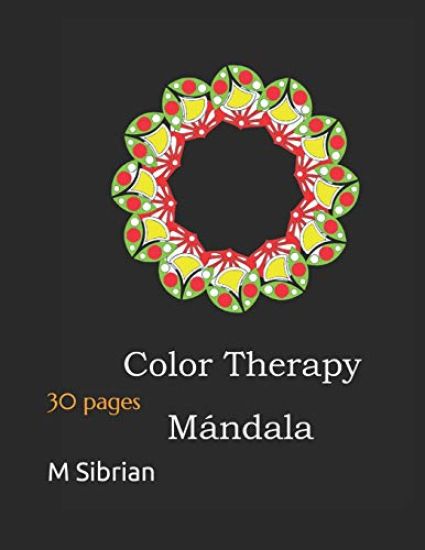
Mándala Color Therapy

Mándala Color Therapy

M. G. Sibrian

Independently Published
2018
nidottu
Mandalas are sacred symbols that are used for meditation, prayer, healing and art therapy for both adults and children, have been shown in clinical studies to boost the immune system, reduce stress and pain, lower blood pressure, promote sleep and ease depression
Mandala Color Therapy: 30 Pages

Mandala Color Therapy: 30 Pages

M. G. Sibrian

Independently Published
2018
nidottu
Men and women across the world consume their time doing office work and wearing out their bodies just to make ends meet. Work obligations, traffic, deadlines, and financial difficulties are just a few of the reasons why the mental wellness of the working people are sacrificed. Moreover, these stress-causing factors have a negative impact on a person
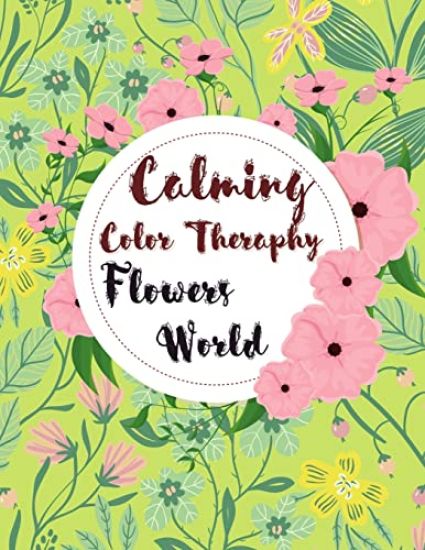
Calming Color Therapy in the Flowers World

Calming Color Therapy in the Flowers World

Creativedesign Book

CreativeDesign
2021
pokkari
Being surrounded by nature has long been known to boost our mood and ease stress, but what if you could mimic that soothing vibe at home? This Flowers Coloring Book is the perfect tool to use every day and obtain a state of well-being and calm. In this book, you will find 60 floral illustrations, printed on a single side, so there is no bleed-through. Relieve your daily stress through these unique flowers design and let the colors brighten your life.Take a look inside the book and convince yourself this book is what you want Press Buy Now and make this book a great gift for you or someone dear to you