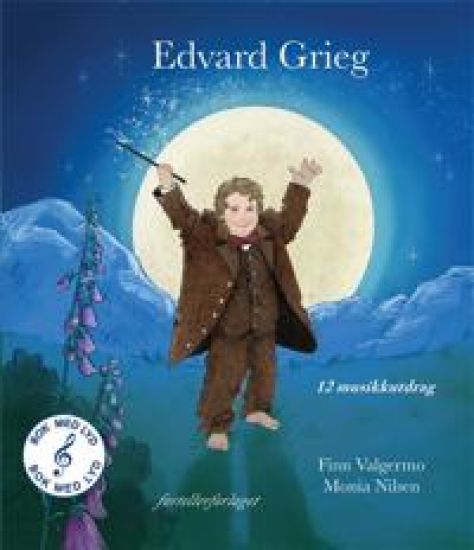
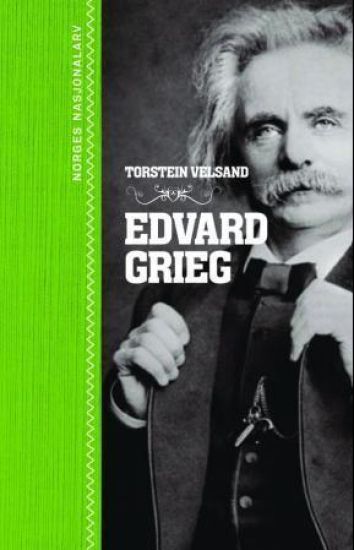
12 utdrag fra Griegs mest kjente verker. Innhold: Morgenstemning, Bryllupsdag på Troldhaugen, Trolltog, Humoreske opus 6 for klaver, Arabisk dans, Holbergsuite, Halling, Solveigs sang, Anitras dans, I dovregubbens hall, Humoreske opus 19, Fra karnevalet.
Dette er verdens første bok om Edvard Munchs kunstnerskap, utgitt første gang i 1894 i Tyskland, og nå oversatt og med etterord av Eivind Tjønneland. Boken gir et unikt innblikk i den første internasjonale Munch-kritikken, og inneholder fire essays av Stanislaw Przybyszewski, Franz Servaes, Willy Pastor og Julius Meier-Graefe.
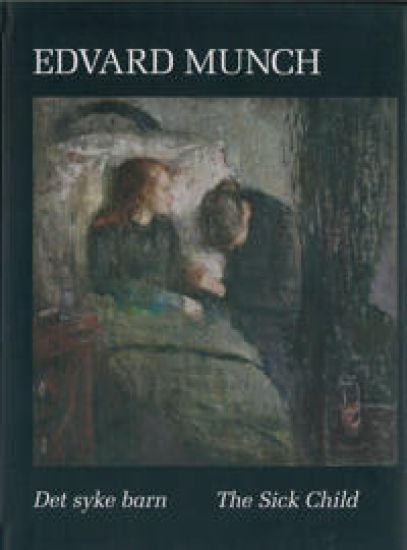
The Sick Child, painted in 1885-86, is one of the most well-known, frequently discussed and highly analysed single works in Edvard Munch's oeuvre. The painting was shown for the first time in 1886 at the third National Art Exhibition, also known as the Annual Autumn Exhibition, under the title Study. The exhibition took place at the National Gallery, and later the work acquired a central position within the museum's collection. Øystein Ustvedt's essay in the catalogue provides a thorough introduction to the picture and its history, highlighting its creation, the motif, its reception, its provenance and later versions. Trond E. Aslakby's article is based on comprehensive technical examinations of the National Museum's version of the painting, focusing on technique and treatment. Text in English and Norwegian.
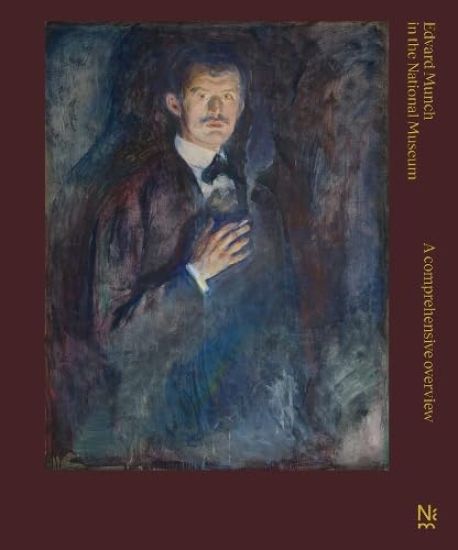
The close relationship between Edvard Munch and the National Gallery of Oslo, today part of the National Museum, is a subject well worthy of a detailed publication. The first Munch painting acquired by the museum was Night in Nice, purchased in 1891. Today the collection encompasses 57 paintings and 186 works on paper. The paintings include masterpieces such as The Sick Child, The Scream, Madonna, The Girls on the Bridge, and Man in the Cabbage Field. How did the museum come by all these works? And what is the story behind the famous 'Munch Room'? Answers to these and many other questions can be found in this book, which contains reproductions of all the works in the collection. The book contains texts by Karin Hindsbo, Nils Messel, Sidsel Helliesen, Gerd Woll, Thierry Ford, Mai Britt Guleng, Øystein Ustvedt, Wenche Volle and Vibeke Waallann Hansen. Text in English and Norwegian.
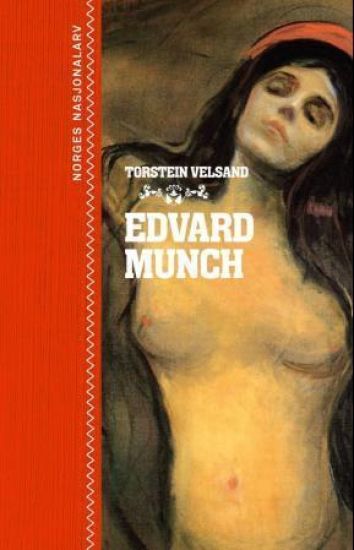
EDVARD MUNCH (1863-1944), norsk maler og grafiker. Best kjent for verker som "Skrik" og "Madonna". Den eneste norske bildekunstner som har oppnådd ubestridt verdensberømmelse. NORGES NASJONALARV er en serie gjennomillustrerte bøker som presenterer våre viktigste og mest kjente nasjonale ikoner. De enkeltstående bøkene tar for seg betydelige skikkelser innenfor kunst og litteratur, vitenskap, idrett og samfunnsliv, men også landets mange naturperler, samt sentrale historiske epoker og kulturuttrykk. Hver for seg gir bøkene en oppdatert innføring for lesere som vil gjøre seg bedre kjent med et gitt tema. For en fullstendig oversikt over tilgjengelige titler, se www.norges-nasjonalarv.no.
Edvard Grieg (1843--1907), norsk nasjonalromantisk komponist med stort internasjonalt gjennomslag. Han fikk stor betydning for den kulturelle nasjonsbyggingen i tiden frem mot unionsoppløsningen i 1905. NORGES NASJONALARV er en serie bøker som presenterer våre viktigste og mest kjente nasjonale ikoner. De enkeltstående bøkene tar for seg betydelige skikkelser innenfor kunst og litteratur, vitenskap, idrett og samfunnsliv, men også landets mange naturperler, samt sentrale historiske epoker og kulturuttrykk. Hver for seg gir bøkene en oppdatert innføring for lesere som vil gjøre seg bedre kjent med et gitt tema. For en fullstendig oversikt over tilgjengelige titler, se www.norges-nasjonalarv.no
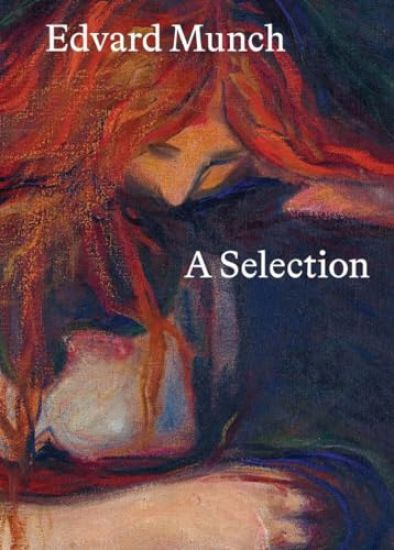
Edvard Munch’s pictures capture all facets of human existence. This book gathers a selection of highlights, from The Scream and Madonna to Vampire, Melancholy and The Sick Child.
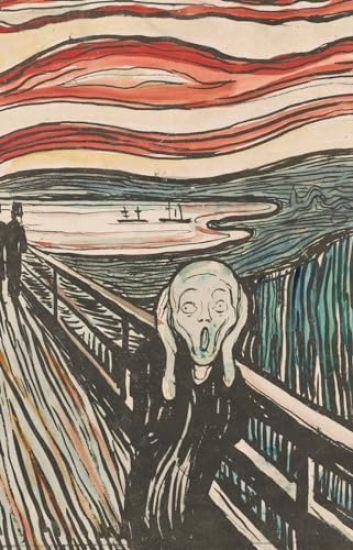
Ever since Munch first came up with the Scream motif at the end of the 19th century, countless artists, including Andy Warhol and Marina Abramovic, have modified it within their own work. In addition, the open-mouthed figure has cropped up in popular cultural productions such as Wes Craven’s Scream film franchise, the poster for the kids’ movie Home Alone, and in scores of satirical cartoons – on everything from Brexit to Donald Trump’s presidency and tax rises – as well as on innumerable political banners and placards, most recently in protests about the climate emergency. In recent years, the Scream image has also taken a prominent place on digital screens in the form of its own emoji and as the basis of countless memes. At the same time, the quantity of souvenirs and other objects decorated with or shaped like Munch’s figure of desperation has increased immeasurably. In short: these days The Scream haunts pretty much every layer of culture. It is without doubt one of the most frequently reproduced images in the history of art, equalled only perhaps by Leonardo da Vinci’s Mona Lisa, and is the originator of a constantly expanding network of analogue and digital mutations. Via these three texts, and a rich selection of illustrations – including all known Scream images ever made by the artist himself, a selection of his Scream texts and countless so-called Scream mutations – this book embraces Munch’s best-known image as a cultural phenomenon.
Edvard Munch (1863–1944) is one of the most influential figures in modern art. His career spanned more than 60 years, from his debut in the 1880s right up until his death in 1944. Munch was part of the Symbolist movement in the 1890s and was a key forerunner of the Expressionist movement that emerged at the start of the 20th century. His continually experimental approach to painting, printmaking, drawing, sculpture and photography earned him a unique position in Norwegian and international art history. Munch bequeathed almost all the artworks in his possession at the time of his death to the City of Oslo. This bequest, which comprised approximately 26,500 original works, became the basis of the Munch Museum’s collection. The museum opened in 1963, one hundred years after Munch’s birth. Today the collection includes more than half of all Munch’s paintings and examples of almost all his original prints. This book contains posters of 16 paintings that were of crucial importance in Edvard Munch’s artistic career, accompanied by brief but informative texts. Iconic images such as The Scream, Madonna and The Vampire are just some of the pictures you can hang on your wall.
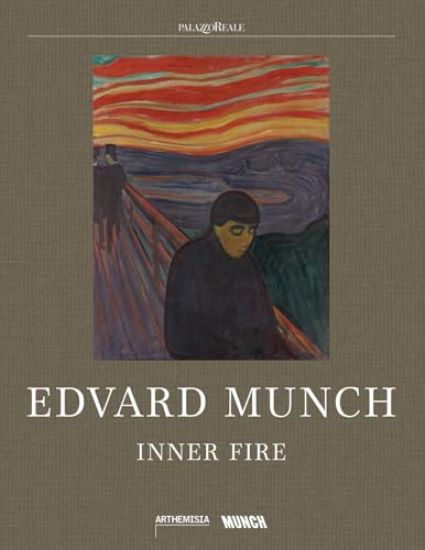
The jarring emptiness following the loss of a loved one, the expansive out-of-body sensation of sensual touch, the lassitude of melancholy and the ecstatic receptivity to sunshine. His ability to capture and convey sensation and feelings through the materials of art, places the Norwegian artist Edvard Munch (1863–1944) at the forefront of European art at the turn of the last century. Interestingly, Munch’s artistic exploration of perception, and his persistent questioning of the objectivity of vision, intersect with ideas that matured within the fields of psychology and experimental optics at the time. Edvard Munch: Inner Fire examines these connections, demonstrating his continuing exploration of the conditions of sight. The essays in this catalogue examine this phenomenon while also probing a lesser-known aspect of the artist’s work: Munch’s relationship to Italy. The first essay, Lasse Jacobsen’s ‘Edvard Munch. Italian Impressions’, explores this connection explicitly, as part of a general overview of Munch’s life and work. The second text, ‘Reflections in Munch’s Inner Eye’ by Patricia G. Berman, charts the art historical context of Munch’s exploration of experience’s subjective dimension. Emil Leth Meilvang’s ‘Seeing without Sight. Munch’s Vision’, on its part, explores the relationship between Munch’s artistic development and simultaneous developments within the perceptual sciences. Edvard Munch. Inner Fire includes essayistic pieces by authors Melania G. Mazzucco and Hanne Ørstavik: ‘I am a Romantic’ and ‘Who Am I’. Each demonstrates Munch’s continuing ability to light the inner fires of other artists.
Edvard Munch.s striking and emotive graphicworks have fascinatedpeople all over theworld for more than a century. This catalogueraisonnégivescompletedetailsabouttechnique, editions, states, versions, reprints and where to find the many surviving lithographic stones, woodblocks and metal plates. There are photographs of all the 748 registered prints, making it an indispensible tool for professionals, butalso a splendid art book for anyone fascinated by Edvard Munch. There are also some images which have never been published before, and a very useful thumbnail gallery of all the works. Gerd Woll.s extensive research and the enormous attention to detail in the individual entries will ensure that this beautifully illustrated book will remain the standard work on the subject.
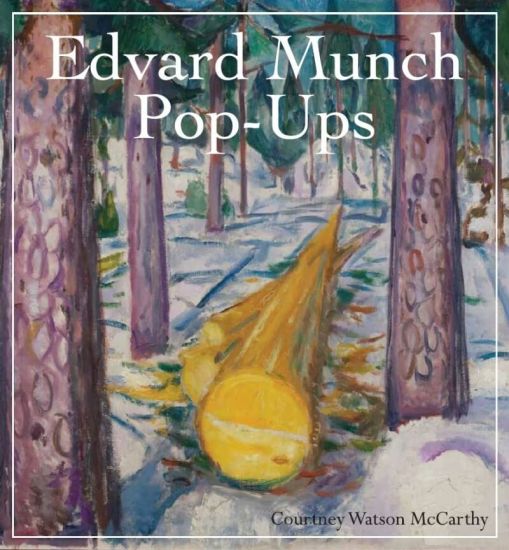
Edvard Munch was one of Modernism's most significant artists. He was active throughout more than sixty years; from the time he made his debut in the 1880s, right up until his death in 1944. Munch was part of the Symbolist movement in the 1890s, and a pioneer of expressionist art from the beginning of the 1900s onward. His tenacious experimentation within painting, graphic art, drawing, sculpture, photo and film has given him a unique position in Norwegian as well as international art history. For the first time you can experience Munch's most famous works of art as 3D pop-ups. The book showcases The Women on the Bridge, Woman with Poppies, The Building of the Winter Studio, Children in the Forest, The Yellow Log and the iconic Scream accompanied by explanatory texts and sketches by Munch. "The sheer effortlessness of Ersland's prose allows his words to move wherever they like - through images, into Munch's life and out into the world." Karl Ove Knausgaard
Edvard Munch (1863-1944) was a visionary and obsessive artist who would not rest until he had captured human existence in its entirety, both in its beauty and in its inner conflicts and contradictions. Today, paintings such as Madonna, The Scream, and Vampire are known worldwide and shared online and on social media in the millions. Munch has become a part of popular culture. This book gives a concise, accessible and illuminating introduction to Munch’s life and art. It is generously illustrated, including a large selection of images from all stages of Munch’s career.
One sole truth about Edvard Munch’s art does not exist. The answers depend on the questions we pose. Twenty-two Munch experts have written 150 texts about well-known and lesser-known works from Munchmuseet’s collection. Through these multiple ways of seeing, Munch’s lifework emerges as infinite. And this book, as an exercise in the art of seeing. The book invites the reader to explore the world of Edvard Munch — his ideas, processes, and the profoundly human topics that occupied him and that still affect us today. Through a wide selection from the museum’s collection, you can experience the richness of Munch’s artistic career and his unrelenting drive to experiment and innovate.
En Forlovelse (1884) behandler spørgsmålet om sex før ægteskabet, og Hos Sigbrit (1898) rummer en mesterlig skildring af mødet i Bergen mellem prins Christian (senere Christian d. 2.) og den unge Dyveke – og hendes mor, Sigbrit. Ud over de to skuespil rummer udgivelsen en indledning af Erik Bøegh og en længere afhandling af litteraturforskeren, professor em. Olav Harsløf: Edvard Brandes – en moderne dansk dramatiker. Olav Harsløf gennemgår hele Edvard Brandes’ dramatiske forfatterskab og sætter det ind i den litteraturhistoriske sammenhæng.
Skuespil 1 indeholder "Gyngende Grund" og "Et Besøg", begge fra 1882. Bogen rummer desuden indledninger af udgiveren, Erik Bøegh, og som tillæg to afhandlinger af Georg Brandes, der karakteriserer Edvard Brandes' dramatiske arbejder.
Bind 2 i Edvard Brandes-serien omfatter to skuespil: ”Et Brud” (1885), der viser en konflikt mellem en teolog, der vil forme en ung pige efter sin egen forståelse af kristendommen, og hendes far, en naturvidenskabsmand, der vil give pigen rum til at udvikle sig selv. Og ”Under Loven” (1891), der giver et stærkt portræt af en selvstændig og intelligent kvinde, der knuses af omgivelserne og samfundets konventioner. Udgivelsen rummer indledninger til Brandes’ dramatik generelt og til de to dramaer af Erik Bøegh.
Jay A. Clarke; Hans-Martin Frydenberg Flaaten; Mai Britt Guleng; Patricia G. Berman; Nils Ohlsen; Øystein Ustvedt; Trine Nordkvelle; Ingeborg W. Owesen; Øivind Storm Bjerke
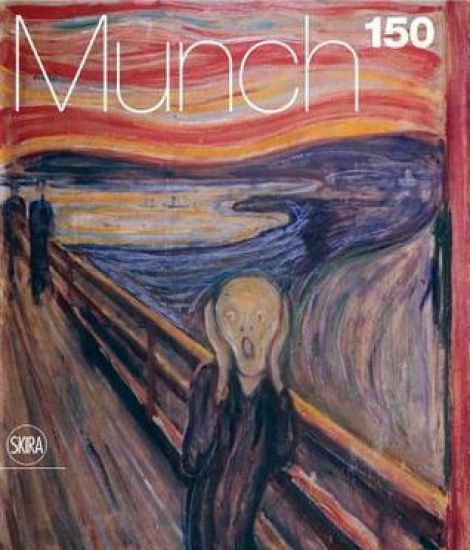
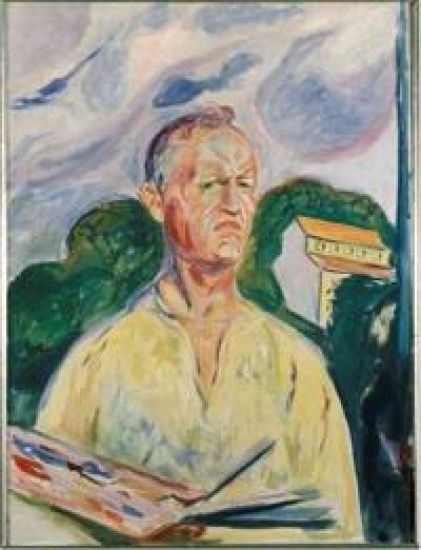
A beautifully illustrated catalogue on the most comprehensive and ambitious full-scale retrospective of Munch’s artistic oeuvre ever. In conjunction with the 150th anniversary of the birth of Edvard Munch (1863–1944) in 2013, a “once in a lifetime” exhibition is produced by the Munch Museum and the National Museum of Art, Architecture, and Design in Oslo. “Munch 150” is the most comprehensive and ambitious full-scale retrospective of Munch’s artistic oeuvre ever. It includes both an exceptional number of highlights, as well as some works that are less known, and is based on extensive loans from public and private collections. The exhibition and its catalogue encompass the entire development of Munch’s art from the 1880s to his death in 1944; the primary focus will be on Munch’s paintings, prints, drawings, and photographs. They cover Munch’s oeuvre in an overarching perspective: Self-presentation and self-portraiture; Places and perception; Visual rhetoric; The Frieze of Life as a lifelong project; Munch and public life; Narration and abstraction; Figure and representation; The staging of gender; and The construction of Munch after 1944. The catalogue also reflects Munch scholarship from recent decades revitalizing the artist’s importance, and include a timeline, a biography, and an index of names and places.