Kirjojen hintavertailu. Mukana 11 342 296 kirjaa ja 12 kauppaa.

Kirjahaku

Etsi kirjoja tekijän nimen, kirjan nimen tai ISBN:n perusteella.

1000 tulosta hakusanalla Harriet Pyne Grove

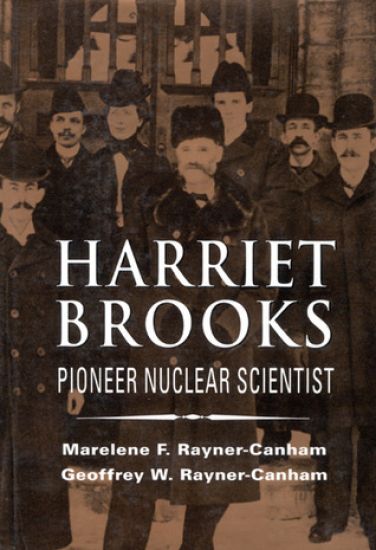
Harriet Brooks

Harriet Brooks

Marelene F. Rayner-Canham; Geoffrey W. Rayner-Canham

McGill-Queen's University Press
1994
nidottu
After completing a master's degree at McGill University under Rutherford's tutelage, Brooks continued her post-graduate work at Bryn Mawr College and Cambridge University, eventually returning to McGill to work again with Rutherford. In 1904 she left Canada to work at Barnard College in New York City, and then with Curie in Paris. Brooks had a significant career as a nuclear scientist, but her success was hampered by the fact that she was a woman. She eventually married and left research. Her premature death at age fifty-six was probably related to her work with radiation.
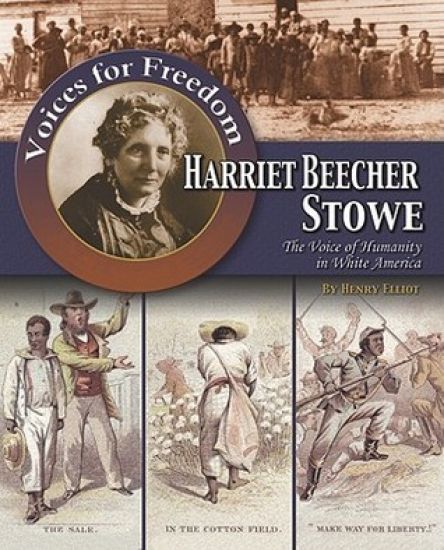
Harriet Beecher Stowe

Harriet Beecher Stowe

Patricia Lantier

Crabtree Publishing Co,Canada
2009
nidottu
Following the passage of a law that made it a crime to aid in the escape of slaves, Stowe lent her actions and her words to the effort to help slaves and put an end to slavery. She actively aided fugitive slaves and, with the publication of the anti-slavery novel Uncle Tom’s Cabin, focused the nation’s consciousness on the inhumanity of slavery.
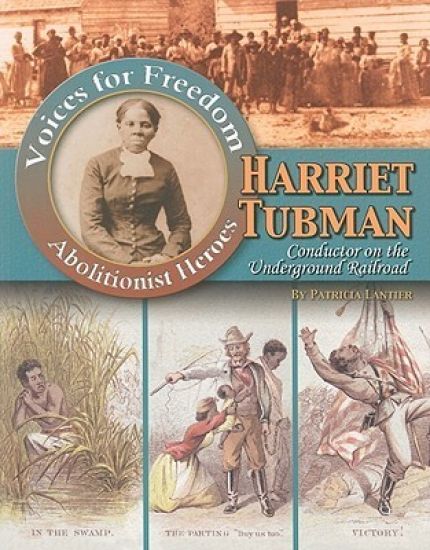
Harriet Tubman

Harriet Tubman

Geoffrey Horn

Crabtree Publishing Co,Canada
2009
nidottu
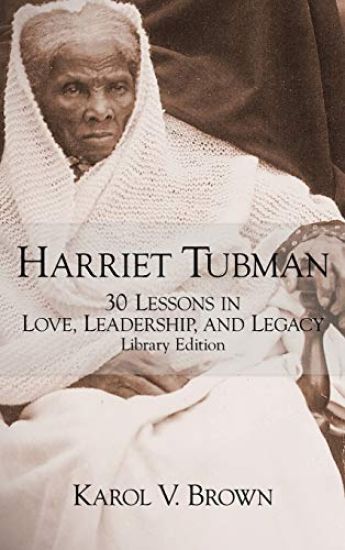
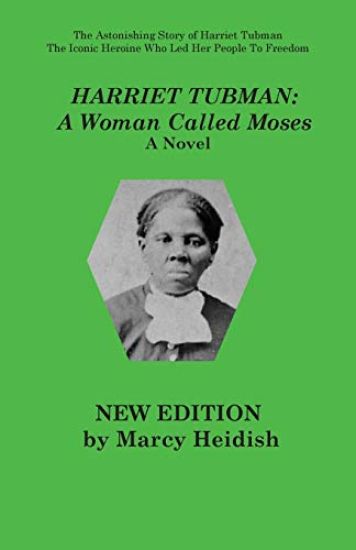
Harriet Tubman served as an abolitionist, emancipator of slaves, military spy, and advocate for women’s rights. Tubman helped lead more than seventy slaves out of captivity and guide them to freedom along the Underground Railroad. When Civil War broke out, Tubman guided an expedition of Union soldiers on a raid in South Carolina that freed over seven hundred slaves.
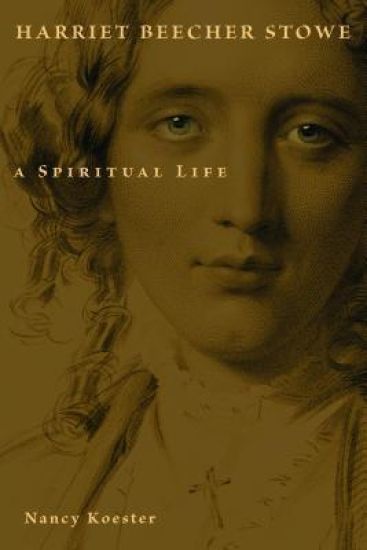
Harriet Beecher Stowe

Harriet Beecher Stowe

Nancy Koester

William B Eerdmans Publishing Co
2014
nidottu
So you're the little woman who started this big war, Abraham Lincoln is said to have quipped when he met Harriet Beecher Stowe. Her 1852 novel Uncle Tom's Cabin converted readers by the thousands to the anti-slavery movement and served notice that slavery's days were numbered. Overnight Stowe became a celebrity, but to defenders of slavery she was the devil in petticoats.Most writing about Stowe treats her as a literary figure and social reformer while underplaying her Christian faith. But Nancy Koester's biography treats Stowe's faith as central to her life -- both her public fight against slavery and her own struggle through deep personal grief to find a gracious God.
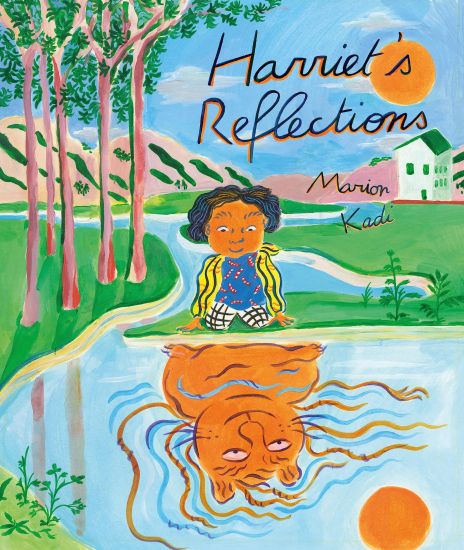
Harriet's Reflections

Harriet's Reflections

Marion Kadi

WILLIAM B EERDMANS PUBLISHING CO
2024
sidottu
An imaginative tale about a rambunctious lion reflection and the fierce little girl he decides to mirror. One day the reflection of a lion decides to reflect someone different. He picks a little girl named Harriet, who eagerly accepts the new face staring back at her. Harriet loves how ferocious she is now at school: she's not afraid to speak up in class, and she can romp around the playground like a wild beast. But soon Harriet starts to miss the reflection she had before, the one who looked like her. Can Harriet find a way to balance her old reflection and her new one? This whimsical story explores themes of confidence and identity with colorful illustrations and a sly sense of humor. Delightful and unconventional, Harriet's Reflections is the perfect read-aloud for anyone who's ever wondered about the face on the other side of the mirror--and what they might do next.
The Selected Poems of Harriet Monroe

The Selected Poems of Harriet Monroe

Harriet Monroe

SOUTHERN ILLINOIS UNIVERSITY PRESS
2026
nidottu
A collection of poems by Harriet Monroe, the visionary founding editor of Poetry magazine. While her work as an editor had a profound effect on the development of American poetry in the 20th century, this book seeks to showcase Monroe's work as a pioneering poet in her own right. Selected by students at the University of Nebraska–Lincoln under the aegis of Professor Kevin McMullen, these poems, along with an extensive critical introduction and explanatory notes, establish Monroe's place as an important and overlooked Modernist poet.
Harriet Jacobs

Harriet Jacobs

Lydia Diamond; Megan Sandberg-Zaki; Jean Fagan Yel

Northwestern University Press
2011
nidottu
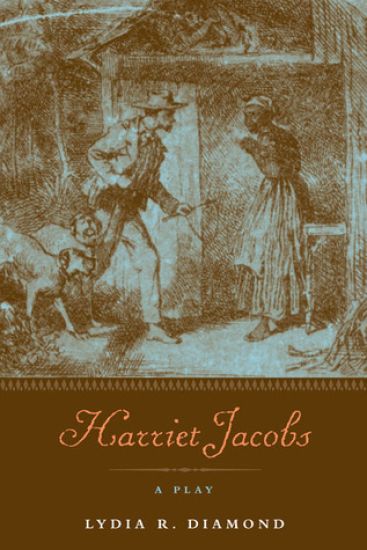
Throughout her meteoric rise into the upper ranks of young playwrights, Lydia R. Diamond has boldly challenged assumptions about African American culture. In Harriet Jacobs, she turns one of the greatest of American slave narratives, Jacobs’ Incidents in the Life of a Slave Girl, into a penetrating, rousing work of theatre.
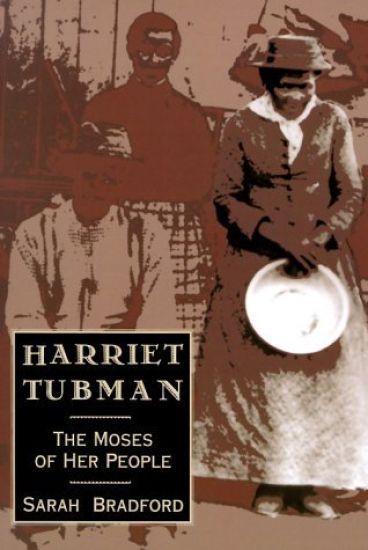
Harriet Tubman

Harriet Tubman

Milton C. Sernett

Duke University Press
2007
sidottu
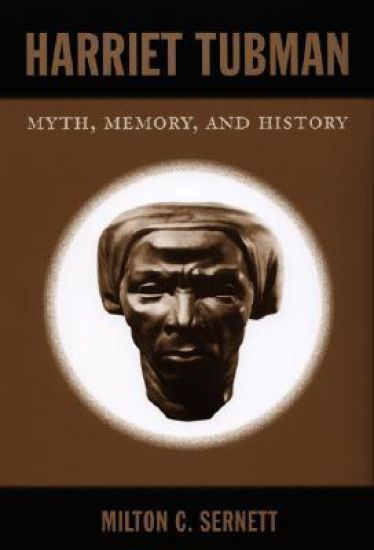
Harriet Tubman is one of America’s most beloved historical figures, revered alongside luminaries including Abraham Lincoln and Frederick Douglass. Harriet Tubman: Myth, Memory, and History tells the fascinating story of Tubman’s life as an American icon. The distinguished historian Milton C. Sernett compares the larger-than-life symbolic Tubman with the actual “historical” Tubman. He does so not to diminish Tubman’s achievements but rather to explore the interplay of history and myth in our national consciousness. Analyzing how the Tubman icon has changed over time, Sernett shows that the various constructions of the “Black Moses” reveal as much about their creators as they do about Tubman herself.Three biographies of Harriet Tubman were published within months of each other in 2003–04; they were the first book-length studies of the “Queen of the Underground Railroad” to appear in almost sixty years. Sernett examines the accuracy and reception of these three books as well as two earlier biographies first published in 1869 and 1943. He finds that the three recent studies come closer to capturing the “real” Tubman than did the earlier two. Arguing that the mythical Tubman is most clearly enshrined in stories told to and written for children, Sernett scrutinizes visual and textual representations of “Aunt Harriet” in children’s literature. He looks at how Tubman has been portrayed in film, painting, music, and theater; in her Maryland birthplace; in Auburn, New York, where she lived out her final years; and in the naming of schools, streets, and other public venues. He also investigates how the legendary Tubman was embraced and represented by different groups during her lifetime and at her death in 1913. Ultimately, Sernett contends that Harriet Tubman may be America’s most malleable and resilient icon.
Harriet Tubman

Harriet Tubman

Milton C. Sernett

Duke University Press
2007
pokkari
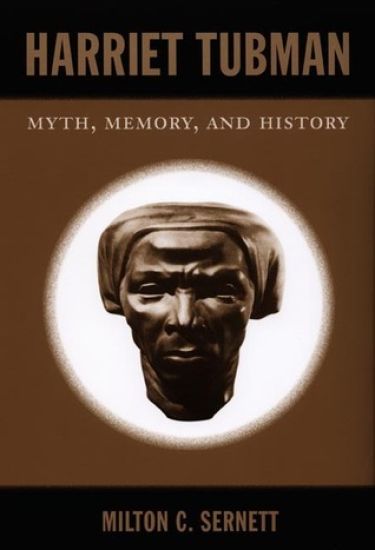
Harriet Tubman is one of America’s most beloved historical figures, revered alongside luminaries including Abraham Lincoln and Frederick Douglass. Harriet Tubman: Myth, Memory, and History tells the fascinating story of Tubman’s life as an American icon. The distinguished historian Milton C. Sernett compares the larger-than-life symbolic Tubman with the actual “historical” Tubman. He does so not to diminish Tubman’s achievements but rather to explore the interplay of history and myth in our national consciousness. Analyzing how the Tubman icon has changed over time, Sernett shows that the various constructions of the “Black Moses” reveal as much about their creators as they do about Tubman herself.Three biographies of Harriet Tubman were published within months of each other in 2003–04; they were the first book-length studies of the “Queen of the Underground Railroad” to appear in almost sixty years. Sernett examines the accuracy and reception of these three books as well as two earlier biographies first published in 1869 and 1943. He finds that the three recent studies come closer to capturing the “real” Tubman than did the earlier two. Arguing that the mythical Tubman is most clearly enshrined in stories told to and written for children, Sernett scrutinizes visual and textual representations of “Aunt Harriet” in children’s literature. He looks at how Tubman has been portrayed in film, painting, music, and theater; in her Maryland birthplace; in Auburn, New York, where she lived out her final years; and in the naming of schools, streets, and other public venues. He also investigates how the legendary Tubman was embraced and represented by different groups during her lifetime and at her death in 1913. Ultimately, Sernett contends that Harriet Tubman may be America’s most malleable and resilient icon.
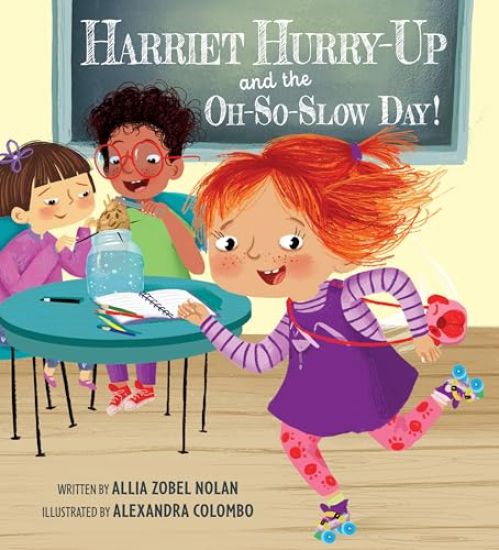
Harriet Hurry-Up and the Oh-So-Slow Day!

Harriet Hurry-Up and the Oh-So-Slow Day!

Allia Zobel Nolan

Kregel Publications
2024
sidottu
"Can you send me some patience, God? Please?" Harriet's mom calls her Harriet Hurry-Up--and it's easy to see why. There's nothing this little girl can't stand more than waiting. From a slowpokey sun that won't rise before she does, to the shy sprouts on her school potato experiment, to the long line at the store with Mom, everything takes forever for Harriet. Why, oh, why can't this day just go faster? But with her Gran's help, this impatient little girl is learning to trust God's timing and find the blessings he puts in every single day--if she can just slow down long enough to see them. With rhymed text that kids will love and colorful, whimsical illustrations full of surprises, Harriet Hurry-Up and the Oh-So-Slow Day will quickly become a family favorite. It's perfect for birthdays, back-to-school reading, and for anyone--child or adult--who finds that having patience is hard.
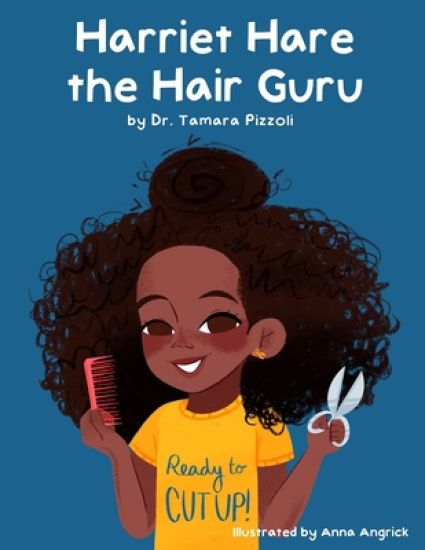
Harriet Hare the Hair Guru

Harriet Hare the Hair Guru

Tamara Pizzoli

English Schoolhouse
2020
nidottu
Harriet has a passion and true talent for handling hair and crafting creative styles. She even passes on playtime during recess to cornrow or cut her friends' tresses. An unexpected boost in her popularity as a hairstylist leads to a busier schedule, boss moves, and a bit of best friend trouble. Sure Harriet can manage hair...but can she manage doing it all?
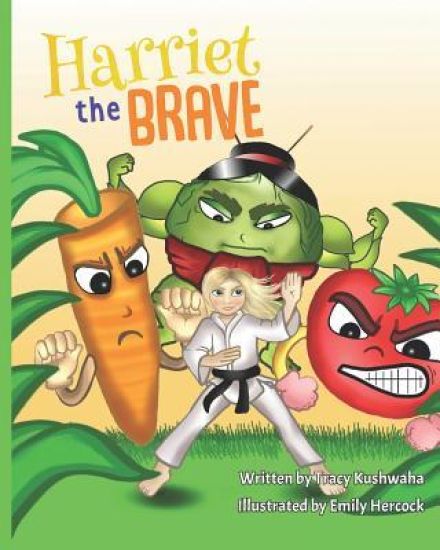
Harriet the Brave

Harriet the Brave

Tracy Kushwaha

Two Girls and a Reading Corner
2019
nidottu
Harriet is back She's still not a fan of vegetables, but don't mess with her dessert After she is abducted by giant veggies in her Granny's garden, Harriet the Brave must face off against Yow Soyucky, the evil Brussel sprout, in the arena. Will she be able to fight her fear of veggies? Or will she be destroyed by it?
Harriet Taylor Mill

Harriet Taylor Mill

Helen McCabe

Cambridge University Press
2023
pokkari
Harriet Taylor Mill is an overlooked figure in the history of political philosophy, ethics, economics and politics, over-shadowed by the fame of her writing partner, and eventual husband, John Stuart Mill. Given that they met at a very early age (when Taylor Mill was twenty-two), and wrote together for over a quarter of a century, it can be hard to distinguish what is 'hers' and what is 'his'. Indeed, maybe we should consider much of Mill's canon as being 'theirs'. Taylor Mill inputted into some extremely famous works, including On Liberty, and her thought, impact and legacy are well worth charting. This Element explores her contribution to political theory; ethics; political economy; and political reform. It draws on close textual analysis of 'her' works and those of Mill (including manuscripts unpublished in her lifetime, and correspondence), as well as interrogating his description of their co-authoring relationship.
Harriet Jacobs

Harriet Jacobs

Alan M. S. J. Coffee

Cambridge University Press
2025
pokkari
Long celebrated for her heroic feat of endurance in escaping slavery and subsequent activism, Harriet Jacobs was also an astute political thinker. Her book, Incidents in the Life of a Slave Girl is a remarkable philosophical text. It is one of the most insightful reflections, both on the nature of life as a slave, and on the relationships amongst slaves and between enslaved and free people. The author places Jacobs in the republican tradition of political thought. Bringing Jacobs into dialogue with Frederick Douglass, the author argues that Jacobs's emphasis on sexual abuse and the importance of slave relationships offers us a basis for a feminist republicanism. Jacobs also emphasises the structural nature of slavery, reinforced by propaganda and social prejudices. These implicate not just slaveholders but also the free population in slavery's wrongs.
Harriet Jacobs

Harriet Jacobs

Alan M. S. J. Coffee

Cambridge University Press
2025
sidottu
Long celebrated for her heroic feat of endurance in escaping slavery and subsequent activism, Harriet Jacobs was also an astute political thinker. Her book, Incidents in the Life of a Slave Girl is a remarkable philosophical text. It is one of the most insightful reflections, both on the nature of life as a slave, and on the relationships amongst slaves and between enslaved and free people. The author places Jacobs in the republican tradition of political thought. Bringing Jacobs into dialogue with Frederick Douglass, the author argues that Jacobs's emphasis on sexual abuse and the importance of slave relationships offers us a basis for a feminist republicanism. Jacobs also emphasises the structural nature of slavery, reinforced by propaganda and social prejudices. These implicate not just slaveholders but also the free population in slavery's wrongs.