
Kirjahaku
Etsi kirjoja tekijän nimen, kirjan nimen tai ISBN:n perusteella.
1000 tulosta hakusanalla James Farrell

Buttermilk Skies: The Missionary Lives of James and Georgie Teel
Linda Farell
R. R. Bowker
2019
nidottu
In the late 1940's, James Teel had a decision to make. As a young college student working part time in the hospital, he was on the path to becoming a Baptist pastor and, as he envisioned it, probably in a small county seat somewhere in Texas. However, being around the medical world, he also felt the urge to become a doctor. As he gazed out on "buttermilk" skies from the rooftop at work one night, he prayed for guidance. It was there on the rooftop that a decision was made. Georgie Lee Williams was already preparing for a future serving God on the mission field. She had sensed God's call early in her life and was focused on following it."Buttermilk Skies" is the inspiring account of how they met, married, had children, and encountered life's ups and downs in varying cultures. Complete with the Teels' letters, writings, and poems, it is their compelling life story about living with adversity, acceptance, tragedy, triumph, humor, forgiveness and faith.

i don't need therapy i just need my ferret: ferreiro, ferrell, ferret care
James Scolt
Independently Published
2020
nidottu
i don't need therapy i just need my ferretInterior & paper type: Black & white interiorwith cream paperBleed Settings: No BleedPaperback cover finish: MatteTrim Size: 6 x 9 inPage Count: 120
This is the Night is a work of "liturgical theology," understood as a theology inspired or informed by the liturgies of Christian Holy Week. In the context of modernity in crisis, it is an attempt to think with the principal liturgies of the "PaschalTriduum" - Maundy Thursday, Good Friday, and the Great Vigil of Easter - about human suffering. The author works from an analysis of the structure of the Christian paschal liturgies to offer an account of suffering that is more compassionate and honest than that of western modernity. In both the philosophical and the popular imagination, modernity is a context in which "progress" is the defining human telos. Because of this commitment to progress, modernity is often allergic to the concrete pain and horror of suffering. Modernity sidelines suffering as an unfortunate but necessary moment in the course of human progress, not infrequently because it is a byproduct of our "progress" - our technical mastery of nature and leadership of global capitalization. In this context, suffering is more a concept than an existential fact or experience. Yet downplaying human suffering in this way creates even greater suffering, by anesthetizing us to its effect on human beings. Some of the critics of modernity also criticize Christianity as a religious version of the modern myth of progress, or even as its very source. Inspired in part by the political theology of Johann Metz and by the liturgical scholarship of Don Saliers, Robert Taft, and others, the author argues instead that in the liturgies of Holy Week, the passion, death, and resurrection of Christ form a context in which Christians recognize human suffering not as an unfortunate moment on the way to salvation but as the very field of God's saving activity.
This completely new work replaces the best-selling but woefully outdated Morehouse classic by the same name. This fresh work explains the liturgy in all its aspects for the uninitiated and is written by a respected liturgics scholar in the Episcopal Church.

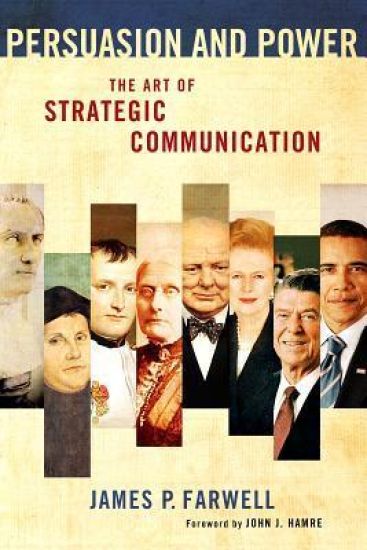
Now more than ever, in the arenas of national security, diplomacy, and military operations, effective communication strategy is of paramount importance. A 24/7 television, radio, and Internet news cycle paired with an explosion in social media demands it. According to James P. Farwell, an expert in communication strategy and cyber war who has advised the U.S. Special Operations Command and the Department of Defense, and worked nationally and internationally as a media and political consultant, this book examines how colorful figures in history from Julius Caesar to Winston Churchill, Napoleon to Hugo Chavez, Martin Luther to Barack Obama and Ronald Reagan, have forged communication strategies to influence audiences. Mark Twain said that history doesn't repeat itself, but rhymes. In showing how major leaders have moved audiences, Farwell bears out Twain's thesis. Obama and Luther each wanted to reach a mass audience. Obama used social media and the Internet. Luther used the printing press. But the strategic mindset was similar. Hugo Chavez identifies with Simon Bolivar, but his attitude towards the media more closely echoes Napoleon. Caesar used coins to build his image in ways that echo the modern use of campaign buttons. His "triumphs," enormous parades to celebrate military victories, celebrated his achievements and aimed to impress the populace with his power and greatness. Adolph Hitler employed a similar tactic with his torchlight parades. The book shows how the US government's approach to strategic communication has been misguided. It offers a colorful, incisive critical evaluation of the concepts, doctrines, and activities that the US Department of Defense and Department of State employ for psychological operations, military information support operations, propaganda, and public diplomacy. Persuasion and Power is a book about the art of communication strategy, how it is used, where, and why. Farwell's adroit use of vivid examples produce a well-researched, entertaining story that illustrates how its principles have made a critical difference throughout history in the outcomes of crises, conflicts, politics, and diplomacy across different cultures and societies.
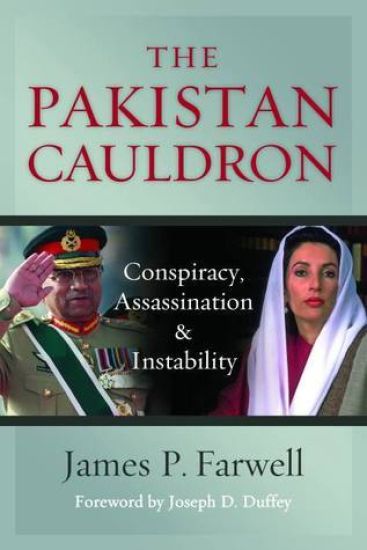
The killing of Osama bin Laden spotlighted Pakistan's unpredictable political dynamics, which are often driven by conspiracy theory, paranoia, and a sense of betrayal. In Pakistan, the late prime minister Benazir Bhutto famously declared, there is "always the story behind the story." In The Pakistan Cauldron, James P. Farwell explains what makes Pakistani politics tick. Farwell has advised the Department of Defense on terrorism, sovereignty, and the political issues in the Middle East, Africa, and Pakistan. Here he reveals how key Pakistani political players have inconsistently employed the principles of strategic communication to advance their agendas and undercut their enemies. Pakistan is an enigma to many. Only by understanding the complex forces that shape Pakistani leaders can we uncover their shifting political agendas and how they affect America and the West. Farwell explains how and why former president Pervez Musharraf clamped down on nuclear scientist A. Q. Kahn and isolated him. He assesses Benazir Bhutto's unique legacy and analyzes how Musharraf handled the aftermath of her assassination. He explains Pakistan's current instability and demonstrates how the country's emotional reaction to bin Laden's death is best understood as the outcome of long-standing political dynamics. The Pakistan Cauldron is for anyone who needs to know why Pakistan continues to pose increasingly difficult challenges for the United States and the West.
Tales of the Red Children
Abbie Farwell Brown; James Mackintosh Bell
Literary Licensing, LLC
2014
nidottu

Pearson Edexcel International GCSE (9-1) English Literature Student Book
Pam Taylor; Fleur Frederick; Shaun Gamble; James Christie; Greg Bevan; David Farnell
Pearson Education Limited
2021
muu
These new resources have been written for the new 9-1 grading scale, with progression, international relevance and support at their core. The new 9-1 grading scale ensures a consistent international standard of qualification. The increase in levels of grading allows learners to achieve their full potential and make more informed decisions about their options for progression. A fully integrated Progression Map tool allows quick and easy formative assessment of student progress, linked to guidance on tailored learning solutions, helping students make the best progress they can. The embedded transferrable skills that are needed for progression into higher education and employment, are explicitly signposted allowing students to understand, and engage with, the skills they’re gaining. Online teacher support will save you valuable time when planning, teaching and assessing. Each Student Book provides access to an ActiveBook, a digital version of the Student’s Book, which can be accessed online, anytime, anywhere supporting learning beyond the classroom. Specifically developed for International learners, with appropriate international content, making it engaging and relevant for all learners and allowing for learning in a local context, to a global standard. EAL-focused content, checked by an EAL specialist, addresses the needs of EAL students with carefully graded writing to B2/C1 level (CEFR) and a glossary provided of specialist vocabulary.
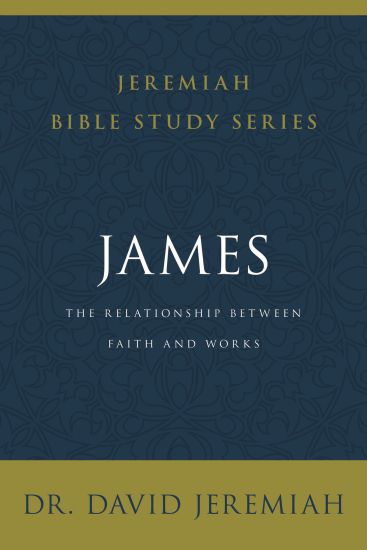
Follow Dr. Jeremiah through the book of James in a chapter-by-chapter study that will help you understand what it meant to the people at the time it was written, and what it means to Christians today. The connection between faith and works lies at the very heart of the letter of James. The author of this short letter is concerned not only with what we as followers of Christ believe but also with how those beliefs shape our actions.James' words contain enduring practical advice for putting faith into action.Each of this study's twelve lessons is clearly organized to include:Getting Started: An opening question to introduce you to the lesson.Setting the Stage: A short reflection to explain the context of the study.Exploring the Text: The Scripture reading for the lesson with related study questions.Reviewing the Story: Questions to help you identify key points in the reading.Applying the Message: Questions to help you apply the key ideas to their lives.Reflecting on the Meaning: A closing reflection on the key teachings in the lesson.—ABOUT THE SERIES—The Jeremiah Bible Study Series captures Dr. David Jeremiah's forty-plus years of commitment in teaching the Word of God. In each study, you'll gain insights into the text, identify key stories and themes, and be challenged to apply the truths you uncover to your life. By the end of each study, you'll come away with a clear and memorable understanding of that Bible book.
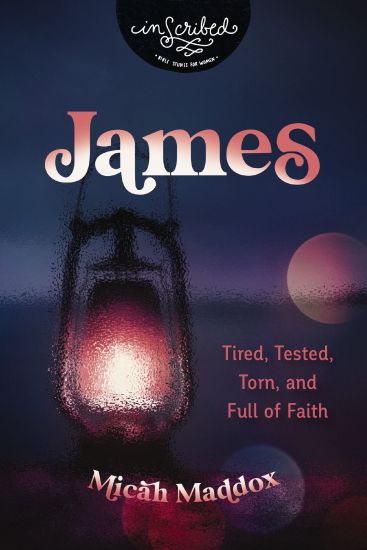
Live full of faith through hard timesDo you ever feel like you can’t take one more thing? You’re on the edge. Your nerves are shot. Your mind is done. Your body is tired, and your emotions are a mess. If you could gather yourself for even a moment you might explode at the reality of all you’ve been through. In the face of the fears, frustrations, and failures of this world, we have a choice. We can sit and stare at the life we live and hope something changes. Or we can rise up and walk in faith.In this Bible study, author and speaker Micah Maddox walks you through the book of James and compares the teaching of James with what Jesus said in the Sermon on the Mount from Matthew and the wisdom of Solomon we find in Proverbs. When we discover the themes of what a faith-filled life looked like before, during, and after the time of Christ, we see how Scripture points us to honor God in an active life of faith.This five-week study will help you to:Revisit the foundation of your faithLook to God first in hard situationsDiscover faith isn’t a list of do’s and don’tsMove from a place of struggle to a place of comfortGain a fresh perspective on how to live full of faith when feeling tired and testedIncludes historical and biblical background insight and questions for reflection.InScribed is a collection of studies that lead women to not just survive but thrive by encouraging them to immerse themselves in the Word of God.
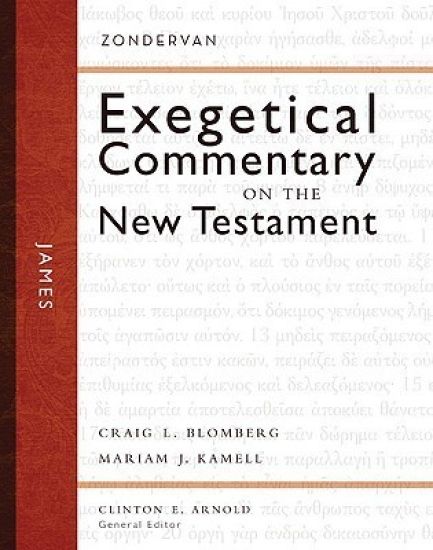
Concentrate on the biblical author’s message as it unfolds.Designed to assist the pastor and Bible teacher in conveying the significance of God’s Word, the Zondervan Exegetical Commentary on the New Testament series treats the literary context and structure of every passage of the New Testament book in the original Greek.With a unique layout designed to help you comprehend the form and flow of each passage, the ZECNT unpacks:The key message.The author’s original translation.An exegetical outline.Verse-by-verse commentary.Theology in application.While primarily designed for those with a basic knowledge of biblical Greek, all who strive to understand and teach the New Testament will benefit from the depth, format, and scholarship of these volumes.

The NIV Application Commentary helps you communicate and apply biblical text effectively in today's context.To bring the ancient messages of the Bible into today's world, each passage is treated in three sections:Original Meaning. Concise exegesis to help readers understand the original meaning of the biblical text in its historical, literary, and cultural context.Bridging Contexts. A bridge between the world of the Bible and the world of today, built by discerning what is timeless in the timely pages of the Bible.Contemporary Significance. This section identifies comparable situations to those faced in the Bible and explores relevant application of the biblical messages. The author alerts the readers of problems they may encounter when seeking to apply the passage and helps them think through the issues involved.This unique, award-winning commentary is the ideal resource for today's preachers, teachers, and serious students of the Bible, giving them the tools, ideas, and insights they need to communicate God's Word with the same powerful impact it had when it was first written.The book you receive may have a different cover design than shown on the website.

Real Christian faith doesn't remain hidden in the heart: It shows itself through the lives we live. Faith grows as we cultivate perseverance, humility, and patience -- key attributes that the book of James commends. James calls us to demonstrate our faith in practical ways in the world around us. Studying James will help you prove the reality of your faith through sound actions, attitudes, and words in your everyday life.
James, the brother of the Lord Jesus Christ, has been argued against because of his apparent emphasis on works rather than faith. Any who feel this way have not studied this New Testament book. James is not at odds with Paul in any way. His down to earth view of being a child of God is that without works our faith is useless but faith is of the utmost importance. It is through faith that we are given wisdom from God to face the many trials and temptations that face each of us. Do not sell James short. He is a very practical man and does not pull any punches. Are you saved? Show it don't just talk about it.
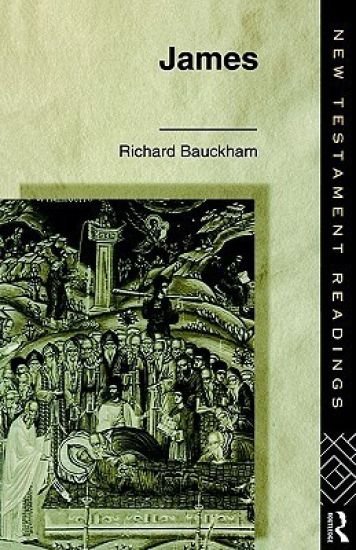
Richard Bauckham explores the historical and literary contexts of the Epistle of James, discussing the significance of James as the brother of Jesus and leader of the early Jerusalem church. He gives special attention to the aphorisms which encapsulate James' wisdom, and to the way that James' teaching closely resembles that of Jesus.
PULITZER PRIZE WINNER - #1 NEW YORK TIMES BESTSELLER - NATIONAL BOOK AWARD WINNER - A brilliant, action-packed reimagining of Adventures of Huckleberry Finn, both harrowing and darkly humorous, told from the enslaved Jim's point of view NATIONAL BOOK CRITICS CIRCLE AWARD FINALIST - ONE OF THE NEW YORK TIMES BOOK REVIEW'S 10 BEST BOOKS OF THE YEAR - SHORTLISTED FOR THE BOOKER PRIZE - KIRKUS PRIZE WINNER - A LOS ANGELES TIMES BEST FICTION BOOK OF THE LAST 30 YEARS In development as a feature film to be produced by Steven Spielberg - A Best Book of the Year: The New York Times Book Review, LA Times, The New Yorker, The Atlantic, The Economist, TIME, and more. "Genius"--The Atlantic - "A masterpiece that will help redefine one of the classics of American literature, while also being a major achievement on its own."--Chicago Tribune - "A provocative, enlightening literary work of art."--The Boston Globe - "Everett's most thrilling novel, but also his most soulful."--The New York Times When Jim overhears that he is about to be sold to a man in New Orleans, separated from his wife and daughter forever, he runs away until he can formulate a plan. Meanwhile, Huck has faked his own death to escape his violent father. As all readers of American literature know, thus begins the dangerous and transcendent journey by raft down the Mississippi River toward the elusive and unreliable promise of the Free States and beyond. Brimming with the electrifying humor and lacerating observations that have made Everett a literary icon, this brilliant and tender novel radically illuminates Jim's agency, intelligence, and compassion as never before. James is destined to be a major publishing event and a cornerstone of twenty-first century American literature.
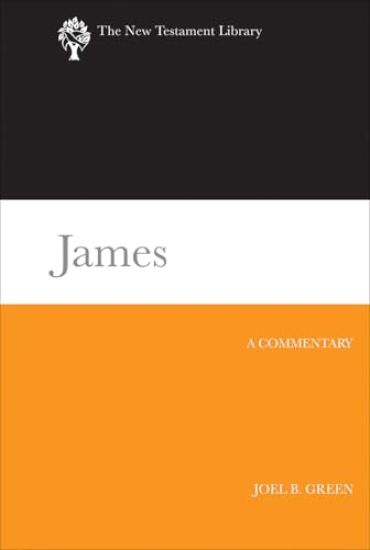
In this new authoritative volume of the New Testament Library series, Joel B. Green presents the writer of James as a sort of practical theologian, directly addressing the lived experiences of Jewish Christ followers beset by Roman social conventions and sensibilities contrary to the divine command to love God and love neighbor. The book of James is nothing if not pragmatic. Its core arguments rest on urging its audience to take concrete action to develop faithful life patterns in a world that is often set against those who seek to follow Jesus Christ as Lord. Joel B. Green shows how the practical wisdom of James can continue to speak prophetically to a range of issues that plague our contemporary experience—the entrenched and growing gap between the wealthy and impoverished foremost among them. But readers who might be tempted to formulate a simple to-do list from James’s precepts are encouraged instead to enter into the world of the text as fully and as humanly as possible by asking questions like: How would the letter’s first audience (and then how might we) hear, and internalize, the writer’s words about perfection, moral purity, humans made in God’s likeness, and prayer for the sick and disabled? How might their lives (and then how might ours) be shaped by James’s central concern with the double love of love of God and love of neighbor? James: A Commentary examines the Letter of James from a variety of angles—its social and cultural contexts, its relationship to Israel’s Scriptures and to the teaching of Jesus, the development of its message, and its significance theologically. As with other volumes in the New Testament Library series, this commentary strives to come to terms with the literary and historical aspects of James: its arguments, its appeals, its perspectives; its interpretation of Jesus’ message and Israel’s Scriptures; its grasp of contemporary Jewish and Greco-Roman thought. But it most deeply aims to show how James points readers toward envisaging the world as God does and acting accordingly—personally and communally. The New Testament Library series offers authoritative commentary on every book and major aspect of the New Testament, providing fresh translations based on the best available ancient manuscripts, critical portrayals of the historical world in which the books were created, careful attention to their literary design, and a theologically perceptive exposition of the biblical text. The contributors are scholars of international standing. The editorial board consists of John T. Carroll, Union Presbyterian Seminary; Susan E. Hylen, Candler School of Theology, Emory University; and Emerson B. Powery, Messiah University.
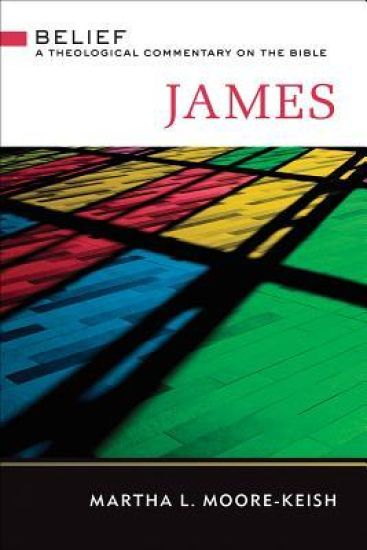
The Letter of James is the focus of the latest commentary in the Belief series. In the Letter of James, the writer sends encouragement to the early church, in the midst of the struggles and strife that marked its early days. Theologian Martha L. Moore-Keish guides the reader through the brief but important letter, most known for its discussion of the importance of actions to make a true life of faith. The volumes in the Belief series offer a fresh and invigorating approach to all the books of the Bible. Building on a wide range of sources from biblical studies and the Christian tradition, noted scholars focus less on traditional, historical and literary angles in favor of a theologically focused commentary that considers the contemporary relevance of the text.