The scenic and varied county of Kent is known as the i?A1/2Garden of Englandi?A1/2. The coastal and market towns are steeped in history, as are the many country houses and castles. This A4 calendar for 2023 showcases much that this beautiful county has to offer. Includes postal envelope.
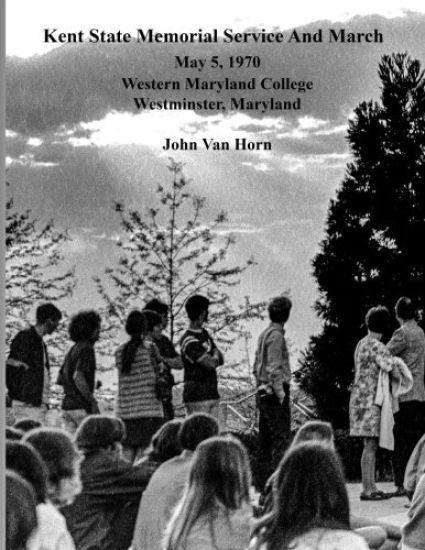
Kent State Memorial Service and March, May 5, 1970Introduction to the 2016 EditionThis photo essay was originally written for the McDaniel College (formerly Western Maryland College) Archives and shared with numerous participants and friends from the college community. It was originally spiral bound and had a printing of approximately 75 copies. The compelling reason for the original document was to show that in the midst of the violent outbursts throughout the country, particularly on college and university campuses, which immediately followed the invasion of Cambodia by the United States and the tragic shooting of students by the Ohio National Guard at Kent State University, individuals and groups could still agree to disagree and demonstrate their beliefs in a civil manner. At most universities, protesters, administrators and local police, as well as involved government officials, were not listening to or communicating with each other; rather, their posturing was often antagonistic and certainly did not lend itself to finding common ground or solutions. In May of 1970, however, on a small college campus in a rural, conservative town in Maryland, a simple Memorial Service and March was held in remembrance of the fallen students at Kent State. This peaceful march was made possible by cooperation, respect, and inclusion of all parties. The success of this event reaffirmed the possibility that groups who were widely divergent in their beliefs could all have their voices heard if they talked with each other and, more importantly, listened to each other.In 2016 we are again faced with divergent groups shouting their slogans at each other, but not listening, and sometimes not even understanding their own slogans. And so the shouting gets louder, and too often results in violence. McDaniel College's example certainly isn't a panacea for all the issues troubling us today, but it does serve as a reminder that we need to listen to each other, and respect each other, and honor each other's beliefs, before we can move on.
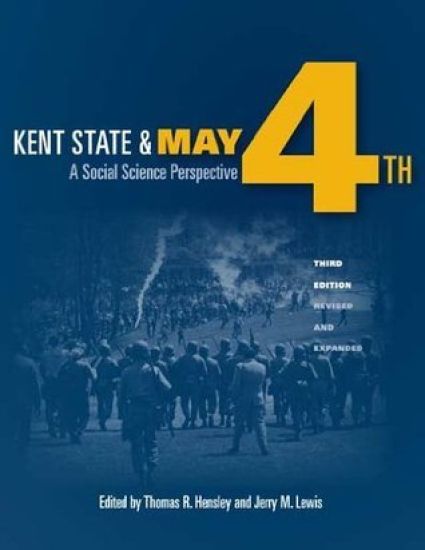
This is a sociological study of the May 4, 1970, shootings at Kent State University and their aftermath. Beginning with a detailed description of the May 4 shootings and the events that preceded them, ""Kent State and May 4th"" is a revised, updated, and expanded volume of essays that seeks to answer frequently raised questions while correcting historical inaccuracies. The third edition includes a new essay that analyzes a group of television documentaries about May 4 and an overview of the legal aftermath of the shootings, including governmental investigations to determine responsibility and how students were affected by these events. The book also explores the gymnasium annex controversy of 1977, in which Kent State University proposed the building of a new recreational facility on portions of land where students and Guardsmen confronted each other. Finally, the editors examine how the university and community have memorialized May 4 over the past forty years. ""Kent State and May 4th"" provides valuable insights into events that have been woven into our nation's collective memory. It will appeal to political scientists, sociologists, and American studies and Vietnam Warera historians.
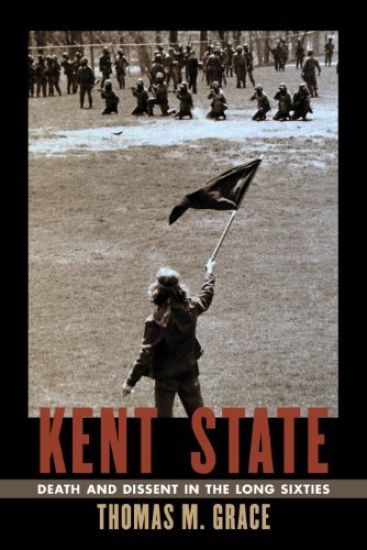
On May 4, 1970, National Guard troops opened fire on unarmed antiwar protesters at Kent State University in Ohio, killing four students and wounding nine others, including the author of this book. The shootings shocked the American public and triggered a nationwide wave of campus strikes and protests. To many at the time, Kent State seemed an unlikely site for the bloodiest confrontation in a decade of campus unrest—a sprawling public university in the American heartland, far from the coastal epicenters of political and social change.Yet, as Thomas M. Grace shows, the events of May 4 were not some tragic anomaly but were grounded in a tradition of student political activism that extended back to Ohio’s labor battles of the 1950s. The vast expansion of the university after World War II brought in growing numbers of working-class enrollees from the industrial centers of northeast Ohio, members of the same demographic cohort that eventually made up the core of American combat forces in Vietnam. As the war’s rising costs came to be felt acutely in the home communities of Kent’s students, tensions mounted between the growing antiwar movement on campus, the university administration, and the political conservatives who dominated the surrounding county as well as the state government.The deadly shootings at Kent State were thus the culmination of a dialectic of radicalization and repression that had been building throughout the decade. In the years that followed, the antiwar movement continued to strengthen on campus, bolstered by an influx of returning Vietnam veterans. After the war ended, a battle over the memory and meaning of May 4 ensued. It continues to the present day.