Kirjojen hintavertailu. Mukana 11 699 587 kirjaa ja 12 kauppaa.

Kirjahaku

Etsi kirjoja tekijän nimen, kirjan nimen tai ISBN:n perusteella.

1000 tulosta hakusanalla Matthew Turley

Matthew 14-28, Volume 33B

Matthew 14-28, Volume 33B

Donald A. Hagner

Zondervan
2015
sidottu
The Word Biblical Commentary delivers the best in biblical scholarship, from the leading scholars of our day who share a commitment to Scripture as divine revelation. This series emphasizes a thorough analysis of textual, linguistic, structural, and theological evidence. The result is judicious and balanced insight into the meanings of the text in the framework of biblical theology. These widely acclaimed commentaries serve as exceptional resources for the professional theologian and instructor, the seminary or university student, the working minister, and everyone concerned with building theological understanding from a solid base of biblical scholarship.Overview of Commentary OrganizationIntroduction—covers issues pertaining to the whole book, including context, date, authorship, composition, interpretive issues, purpose, and theology.Each section of the commentary includes:Pericope Bibliography—a helpful resource containing the most important works that pertain to each particular pericope.Translation—the author’s own translation of the biblical text, reflecting the end result of exegesis and attending to Hebrew and Greek idiomatic usage of words, phrases, and tenses, yet in reasonably good English.Notes—the author’s notes to the translation that address any textual variants, grammatical forms, syntactical constructions, basic meanings of words, and problems of translation.Form/Structure/Setting—a discussion of redaction, genre, sources, and tradition as they concern the origin of the pericope, its canonical form, and its relation to the biblical and extra-biblical contexts in order to illuminate the structure and character of the pericope. Rhetorical or compositional features important to understanding the passage are also introduced here.Comment—verse-by-verse interpretation of the text and dialogue with other interpreters, engaging with current opinion and scholarly research.Explanation—brings together all the results of the discussion in previous sections to expose the meaning and intention of the text at several levels: (1) within the context of the book itself; (2) its meaning in the OT or NT; (3) its place in the entire canon; (4) theological relevance to broader OT or NT issues.General Bibliography—occurring at the end of each volume, this extensive bibliographycontains all sources used anywhere in the commentary.
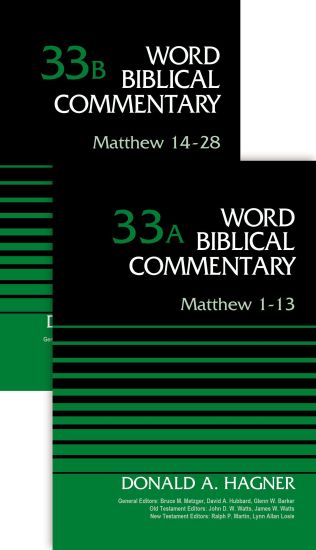
Matthew (2-Volume Set---33A and 33B)

Matthew (2-Volume Set---33A and 33B)

Donald A. Hagner

Zondervan
2017
sidottu
The Word Biblical Commentary delivers the best in biblical scholarship, from the leading scholars of our day who share a commitment to Scripture as divine revelation. This series emphasizes a thorough analysis of textual, linguistic, structural, and theological evidence. The result is judicious and balanced insight into the meanings of the text in the framework of biblical theology. These widely acclaimed commentaries serve as exceptional resources for the professional theologian and instructor, the seminary or university student, the working minister, and everyone concerned with building theological understanding from a solid base of biblical scholarship.Overview of Commentary OrganizationIntroduction—covers issues pertaining to the whole book, including context, date, authorship, composition, interpretive issues, purpose, and theology.Each section of the commentary includes:Pericope Bibliography—a helpful resource containing the most important works that pertain to each particular pericope.Translation—the author’s own translation of the biblical text, reflecting the end result of exegesis and attending to Hebrew and Greek idiomatic usage of words, phrases, and tenses, yet in reasonably good English.Notes—the author’s notes to the translation that address any textual variants, grammatical forms, syntactical constructions, basic meanings of words, and problems of translation.Form/Structure/Setting—a discussion of redaction, genre, sources, and tradition as they concern the origin of the pericope, its canonical form, and its relation to the biblical and extra-biblical contexts in order to illuminate the structure and character of the pericope. Rhetorical or compositional features important to understanding the passage are also introduced here.Comment—verse-by-verse interpretation of the text and dialogue with other interpreters, engaging with current opinion and scholarly research.Explanation—brings together all the results of the discussion in previous sections to expose the meaning and intention of the text at several levels: (1) within the context of the book itself; (2) its meaning in the OT or NT; (3) its place in the entire canon; (4) theological relevance to broader OT or NT issues.General Bibliography—occurring at the end of each volume, this extensive bibliographycontains all sources used anywhere in the commentary.
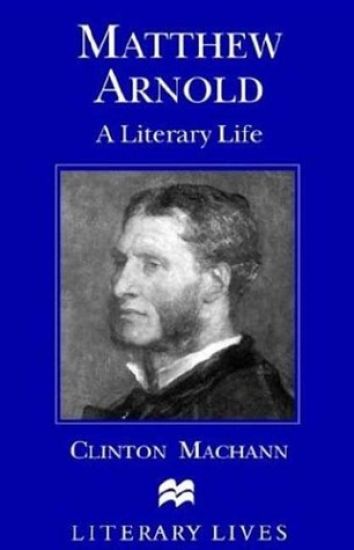
Matthew Arnold

Matthew Arnold

C. Machann

Palgrave Macmillan
1998
sidottu
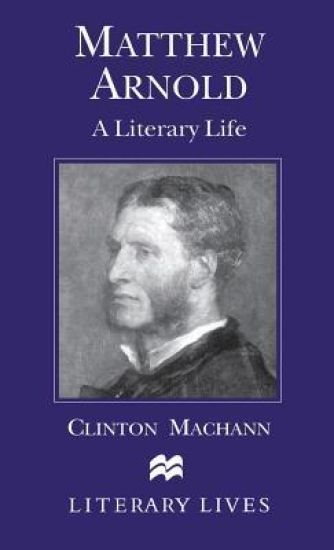
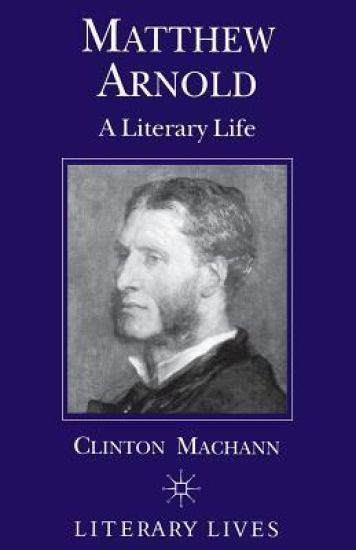
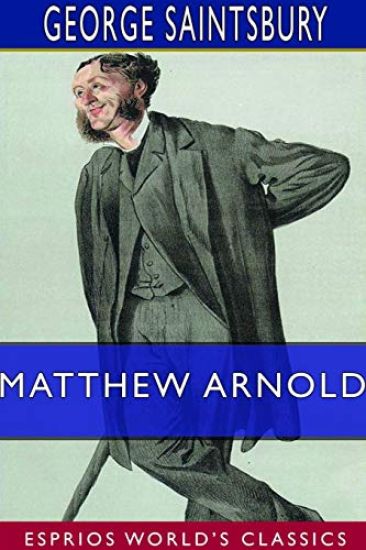
Matthew Arnold, the foremost Victorian 'man of letters', forged a unique literary career, first as an important post-Romantic poet and then as a prose writer who profoundly influenced the formation of modern literary and cultural studies. Machann challenges the popular image of Arnold as an elitist intellectual and shows how his poetry and prose grew out of his personal life and his passionate engagement with the world, emphasizing the journal publications that drove his career as a literary, social and religious critic.
Matthew Arnold

Matthew Arnold

C. Machann

Palgrave Macmillan
1998
sidottu
Matthew Arnold, the foremost Victorian 'man of letters', forged a unique literary career, first as an important post-Romantic poet and then as a prose writer who profoundly influenced the formation of modern literary and cultural studies. Machann challenges the popular image of Arnold as an elitist intellectual and shows how his poetry and prose grew out of his personal life and his passionate engagement with the world, emphasizing the journal publications that drove his career as a literary, social and religious critic.
Matthew Arnold

Matthew Arnold

C. Machann

Palgrave Macmillan
1998
nidottu
Matthew Arnold, the foremost Victorian 'man of letters', forged a unique literary career, first as an important post-Romantic poet and then as a prose writer who profoundly influenced the formation of modern literary and cultural studies. Machann challenges the popular image of Arnold as an elitist intellectual and shows how his poetry and prose grew out of his personal life and his passionate engagement with the world, emphasizing the journal publications that drove his career as a literary, social and religious critic.
Matthew and the Prince of Dragons

Matthew and the Prince of Dragons

Laura Rockswold

Lulu.com
2019
nidottu
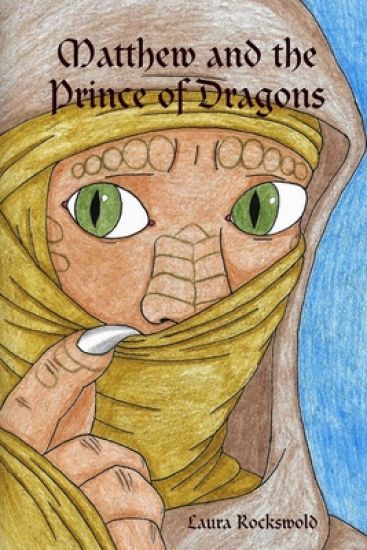
The tale told to dragonkind for centuries is ready to be discovered again. In a distant human kingdom, Prince Matthew will soon be old enough to take his father's place as king. This exciting stage in the prince's life becomes a nightmare when his eyes change appearance, he grows claws, he loses his hair, and who knows what else. When the conditions worsen, Matthew travels across expansive plains and forbidden mountains in hopes of restoring himself. Unless Matthew can break the spell, the kingdom will fail.
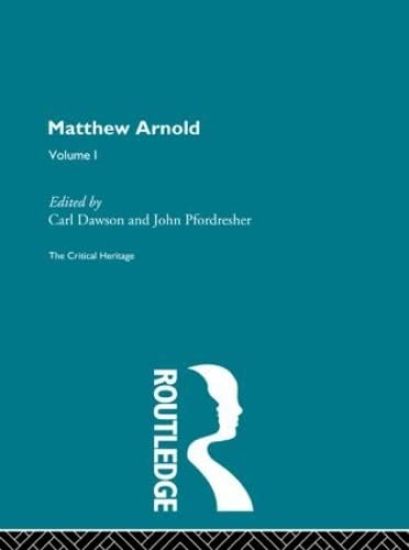
Matthew Arnold
The Critical Heritage gathers together a large body of critical sources on major figures in literature. Each volume presents contemporary responses to a writer's work, enabling students and researchers to read for themselves, for example, comments on early performances of Shakespeare's plays, or reactions to the first publication of Jane Austen's novels. The carefully selected sources range from landmark essays in the history of criticism to journalism and contemporary opinion, and little published documentary material such as letters and diaries. Significant pieces of criticism from later periods are also included, in order to demonstrate the fluctuations in an author's reputation. Each volume contains an introduction to the writer's published works, a selected bibliography, and an index of works, authors and subjects. The Collected Critical Heritage set will be available as a set of 68 volumes and the series will also be available in mini sets selected by period (in slipcase boxes) and as individual volumes.
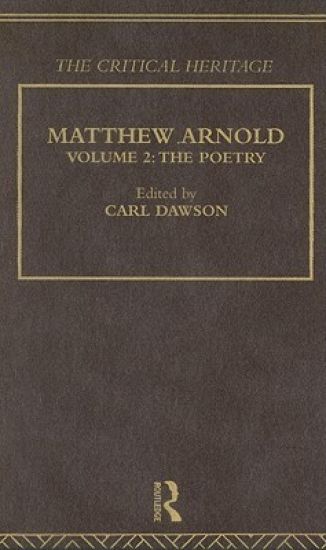
Matthew Arnold
The Critical Heritage gathers together a large body of critical sources on major figures in literature. Each volume presents contemporary responses to a writer's work, enabling students and researchers to read for themselves, for example, comments on early performances of Shakespeare's plays, or reactions to the first publication of Jane Austen's novels. The carefully selected sources range from landmark essays in the history of criticism to journalism and contemporary opinion, and little published documentary material such as letters and diaries. Significant pieces of criticism from later periods are also included, in order to demonstrate the fluctuations in an author's reputation. Each volume contains an introduction to the writer's published works, a selected bibliography, and an index of works, authors and subjects. The Collected Critical Heritage set will be available as a set of 68 volumes and the series will also be available in mini sets selected by period (in slipcase boxes) and as individual volumes.
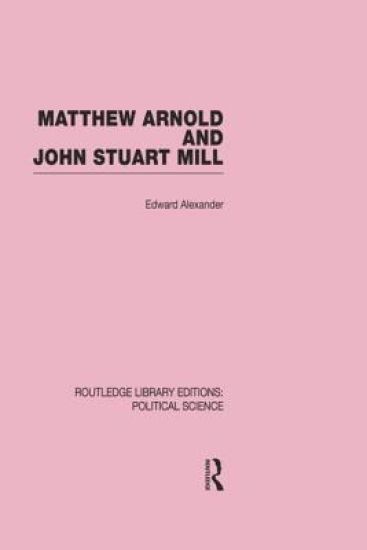
Matthew Arnold and John Stuart Mill (Routledge Library Editions: Political Science Volume 15)
This study defines the relationship between humanism and liberalism by comparing the two Victorian figures who were most concerned with the preservation of humanistic values in a free and democratic society: Matthew Arnold and John Stuart Mill. The book sets apart Arnold and Mill from their contemporaries and points out their similarities to one another in discussions of their theories of history, poetry, their celebration of the contemplative life and their willingness to welcome democracy. At the same time it examines the differences between the two men, which he uses to create a dialogue between humanism and liberalism on the question of how a high cultural ideal can be realized in democratic society.
Matthew Arnold and John Stuart Mill (Routledge Library Editions: Political Science Volume 15)
This study defines the relationship between humanism and liberalism by comparing the two Victorian figures who were most concerned with the preservation of humanistic values in a free and democratic society: Matthew Arnold and John Stuart Mill. The book sets apart Arnold and Mill from their contemporaries and points out their similarities to one another in discussions of their theories of history, poetry, their celebration of the contemplative life and their willingness to welcome democracy. At the same time it examines the differences between the two men, which he uses to create a dialogue between humanism and liberalism on the question of how a high cultural ideal can be realized in democratic society.
Matthew Arnold
The Critical Heritage gathers together a large body of critical sources on major figures in literature. Each volume presents contemporary responses to a writer's work, enabling students and researchers to read for themselves, for example, comments on early performances of Shakespeare's plays, or reactions to the first publication of Jane Austen's novels. The carefully selected sources range from landmark essays in the history of criticism to journalism and contemporary opinion, and little published documentary material such as letters and diaries. Significant pieces of criticism from later periods are also included, in order to demonstrate the fluctuations in an author's reputation. Each volume contains an introduction to the writer's published works, a selected bibliography, and an index of works, authors and subjects. The Collected Critical Heritage set will be available as a set of 68 volumes and the series will also be available in mini sets selected by period (in slipcase boxes) and as individual volumes.
Matthew Arnold
The Critical Heritage gathers together a large body of critical sources on major figures in literature. Each volume presents contemporary responses to a writer's work, enabling students and researchers to read for themselves, for example, comments on early performances of Shakespeare's plays, or reactions to the first publication of Jane Austen's novels. The carefully selected sources range from landmark essays in the history of criticism to journalism and contemporary opinion, and little published documentary material such as letters and diaries. Significant pieces of criticism from later periods are also included, in order to demonstrate the fluctuations in an author's reputation. Each volume contains an introduction to the writer's published works, a selected bibliography, and an index of works, authors and subjects. The Collected Critical Heritage set will be available as a set of 68 volumes and the series will also be available in mini sets selected by period (in slipcase boxes) and as individual volumes.
Matthew's Story

Matthew's Story

Tim LaHaye; Jerry B. Jenkins

Penguin USA
2011
pokkari
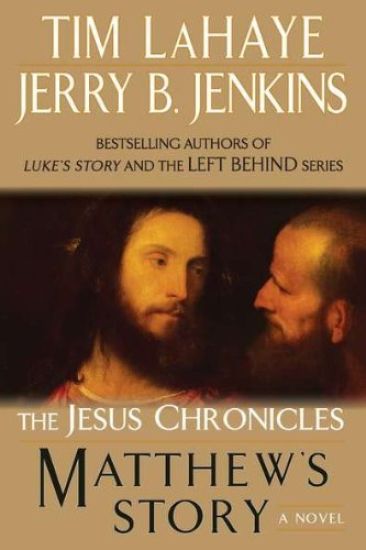
The fourth installment in the Jesus Chronicles, from the bestselling author of the Left Behind series. This story in the Jesus Chronicles depicts the life of the most unlikely of apostles-a sinner turned saint-and his time with the Lord. With Matthew, readers walk alongside Jesus as He gives the Sermon on the Mount, performs the miracles of healing the sick and raising the dead, contemplates His fate at the Last Supper and in the Garden of Gethsemane, is crucified, and most important, resurrected. Thrilling and uplifting, Matthew's Story shows how the true Messiah changed the life of one man, and forever altered the course of history.
Matthew Arnold and the Classical Tradition

Matthew Arnold and the Classical Tradition

Anderson Warren D.

THE UNIVERSITY OF MICHIGAN PRESS
1989
nidottu
To be born into the middle or upper classes of Matthew Arnold's England was in a sense to be born into the classical tradition. The precise contour and uses of the tradition, in Arnold's thought and writing, are the subject of this unique study by Warren D. Anderson. In Matthew Arnold and the Classical Tradition, Anderson shows how the young poet first experimented with his classical heritage, how he moved toward deep involvement and then withdrew to a more objective position. The author examines Arnold's school and university background, his poetry and later prose, his relationship to Stoicism and Epicureanism. The resulting study is absolutely central to an appreciation of Arnold and to an understanding of the classical foundations of Western literature. It shows clearly and accurately the ways in which the nineteenth century interpreted the fifth century B.C.
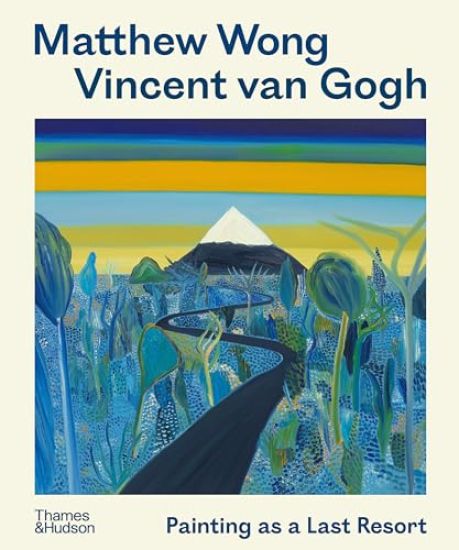
Matthew Wong - Vincent van Gogh

Matthew Wong - Vincent van Gogh

Joost van der Hoeven

THAMES HUDSON LTD
2024
nidottu
A beautifully illustrated exploration of the artistic and personal connections between Matthew Wong (1984–2019) and Vincent van Gogh. Shortly before his early death, the Chinese-Canadian artist Matthew Wong (1984–2019) emerged as a phenomenon. He started drawing and painting in 2011, at the age of 27, and within the space of just a few years had developed a highly personal style, using intense colours to paint imaginative landscapes. Wong’s expressively lyrical works were inspired by both traditional Chinese painting and Western art. He was especially influenced by Vincent van Gogh (1853–1890), not only in terms of his painting style and choice of motifs, but also in some aspects of his life. Both artists were self-taught, acquiring their drawing and painting skills without tuition, and both faced mental health issues. Wong saw his own life reflected in that of Van Gogh, and once said: ‘I see myself in him. The impossibility of belonging in this world.’ Published to accompany the exhibition at the Van Gogh Museum, Amsterdam, this book explores the artistic and personal connection between the two artists, bringing around 45 paintings and drawings by Wong into dialogue with a group of Van Gogh masterpieces. Kenny Schachter, who knew Matthew Wong, contributes a personal introduction, which is followed by essays exploring the artists’ biographical and artistic kinship.
Matthew Arnold and American Culture

Matthew Arnold and American Culture

John Henry Raleigh

University of California Press
2022
pokkari
This title is part of UC Press's Voices Revived program, which commemorates University of California Press’s mission to seek out and cultivate the brightest minds and give them voice, reach, and impact. Drawing on a backlist dating to 1893, Voices Revived makes high-quality, peer-reviewed scholarship accessible once again using print-on-demand technology. This title was originally published in 1957.