Kirjojen hintavertailu. Mukana 12 516 572 kirjaa ja 12 kauppaa.

Kirjahaku

Etsi kirjoja tekijän nimen, kirjan nimen tai ISBN:n perusteella.

1000 tulosta hakusanalla Publisher "DNA"

Viking DNA

Viking DNA

Stephen E. Harding; Mark Jobling; Turi King

CRC Press Inc
2015
nidottu
This book details a genetic survey that has taken place focusing on men from old families from Wirral and West Lancashire. These 'Viking hot spots' in North West England exhibit many archaeological and historical features proving them to have had a clear Viking presence. The book explains—with the help of full color illustrations—what DNA is and how DNA methods can be used to probe both individual and population ancestry, and how information such as Henry VIII’s tax rolls can be used to help establish the volunteer base for specific regions of northern England.
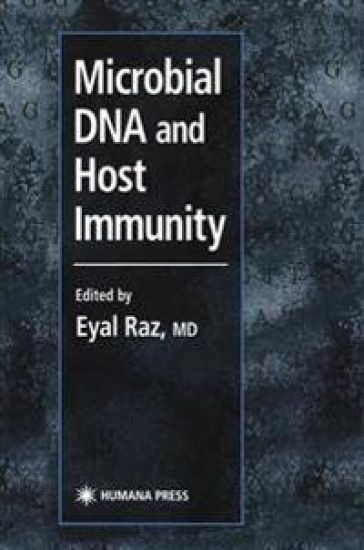
Microbial DNA and Host Immunity
Leading researchers review the activation of the mammalian immune system by bacterial DNA and its immunostimulatory sequences (ISS), and consider the applications of ISS in clinical medicine. The authors survey the latest findings concerning the receptor-recognition and signaling pathways triggered by ISS , the process of cell activation, and the potential vaccination strategies using ISS. Specific pharmaceutical applications discussed include infectious disease (Hepatitis B, HIV, and mycobacterial infections), allergy (asthma and conjunctivitis), cancer (lymphoma), and inflammation and autoimmunity (arthritis and colitis).
Forensic DNA Collection at Death Scenes

Forensic DNA Collection at Death Scenes

PhD. Williams; PhD. Kahn

Apple Academic Press Inc.
2014
nidottu
DNA evidence collected from death scenes is an essential tool for law enforcement, death investigators, and forensic pathologists—providing insights into cause and manner of death as well as the identification of the responsible person or persons. Ineffective collection procedures raise the risk of evidence being altered or lost during transportation of the body. Using real death scene photos and actual cases as examples, Forensic DNA Collection at Death Scenes: A Pictorial Guide provides a practical approach to evidence collection with emphasis on proper identification, collection, documentation, and preservation. The first atlas of its kind, it demonstrates best practices for collecting DNA from decedents depending on the circumstances of the death scene and other materials present on the decedent such as clothing, bindings, and other objects. The authors discuss the success of the techniques employed in each scenario and analyze the DNA results obtained. The techniques employed at death scenes can also be applied to sexual assault cases, where DNA is collected from the body after an assault takes place.The increasing applications of evidence-based medicine and forensic science to criminal justice and civil litigation demand that crime scene investigations be more scientific, better organized, and multidisciplinary. This atlas provides a step-by-step guide to effective, uncompromising evidence collection.
Forensic DNA Evidence Interpretation

Forensic DNA Evidence Interpretation

Apple Academic Press Inc.
2016
sidottu
Now in its second edition, Forensic DNA Evidence Interpretation is the most comprehensive resource for DNA casework available today. Written by leaders in the fields of biology and statistics, including a contribution from Peter Gill, the father of DNA analysis, the book emphasizes the interpretation of test results and provides the necessary formulae in an easily accessible manner. This latest edition is fully updated and includes current and emerging techniques in this fast-moving field. The book begins by reviewing all pertinent biology, and then provides information on every aspect of DNA analysis. This includes modern interpretation methods and contemporary population genetic models available for estimating DNA frequencies or likelihood ratios. Following a chapter on procedures for validating databases, the text presents overviews and performance assessments of both modern sampling uncertainty methods and current paternity testing techniques, including new guidelines on paternity testing in alignment with the International Society for Forensic Genetics. Later chapters discuss the latest methods for mixture analysis, LCN (ultra trace) analysis and non-autosomal (mito, X, and Y) DNA analysis. The text concludes with an overview of procedures for disaster victim identification and information on DNA intelligence databases.Highlights of the second edition include:New information about PCR processes, heterozygote balance and back and forward stutteringNew information on the interpretation of low template DNA, drop models and continuous modelsAdditional coverage of lineage marker subpopulation effects, mixtures and combinations with autosomal markersThis authoritative book provides a link among the biological, forensic, and interpretative domains of the DNA profiling field. It continues to serve as an invaluable resource that allows forensic scientists, technicians, molecular biologists and attorneys to use forensic DNA evidence to its greatest potential.