

Kirjahaku
Etsi kirjoja tekijän nimen, kirjan nimen tai ISBN:n perusteella.
1000 tulosta hakusanalla S. Auler
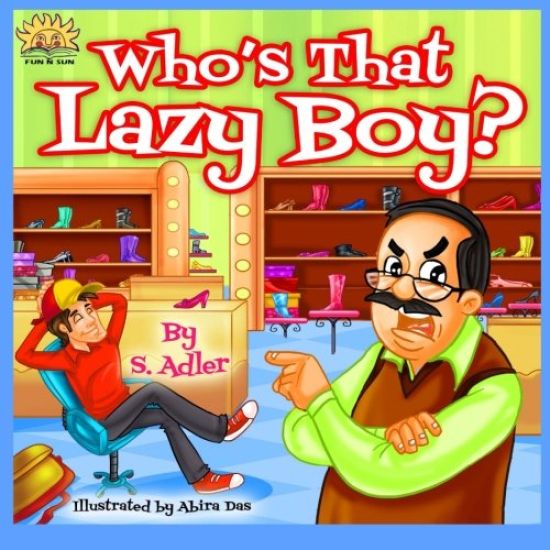



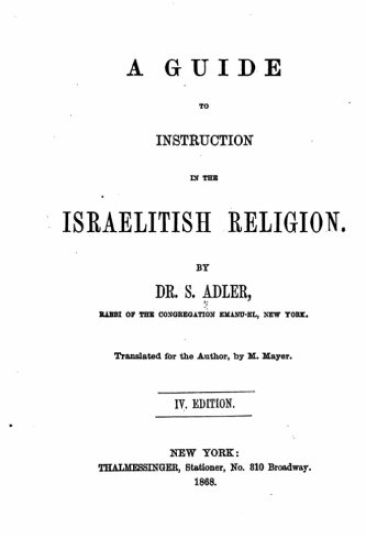
A Guide to Instruction in the Israelitish Religion
S. Adler
Createspace Independent Publishing Platform
2015
nidottu


El t o Manuel se despert una ma ana de mal humor, La alarma de su reloj lo molest por el ruido abrumador. Grit " C llate, reloj " y agit su pu o fuertemente, Presion el bot n de APAGADO de forma insolente.


Eines Morgens erwachte Onkel Jack und war schlecht gelaunt, Denn das schrille Klingeln des Weckers riss ihn aus seinem Traum. Er schrie: "Halt die Klappe, Uhr " und sch ttelte seine starke Faust, Mit einem kr ftigen Schlag schaltete er den Wecker aus.


En la profundidad del jard n, crece un rbol especial, Un manzano que pertenece a Rosa, una mujer sinigual. Ella lo mantiene protegido y lo cuida con sus manos, Y degusta sus manzanas cada d a en los veranos.
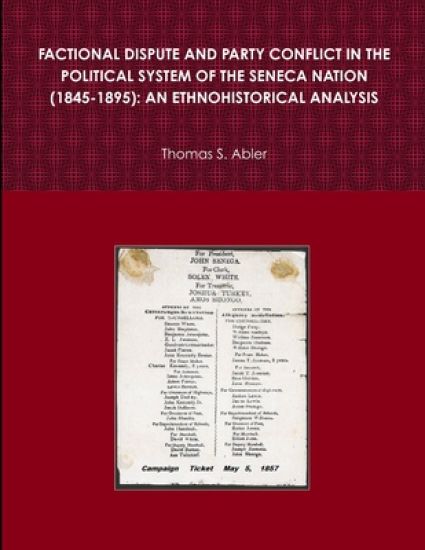
FACTIONAL DISPUTE AND PARTY CONFLICT IN THE POLITICAL SYSTEM OF THE SENECA NATION (1845-1895): AN ETHNOHISTORICAL ANALYSIS
Thomas S. Abler
Lulu.com
2019
nidottu
Abler's dissertation on Seneca Nation politics provides an insight into one of the most tumultuous eras of Onoendowa'ga:' history, when an elective system was established, replacing its Council of Chiefs. Unsavory actions of land speculators in collusion with federal and state officials had led to the loss of over 6 million acres of Seneca territory by 1842. This upheaval was also prompted in part by how treaty annuities were distributed and by the meddling of Hicksite Quakers who urged reform. In 1848, the new government marked the abandonment of the traditional governmental practices that had been in existence for centuries. The aftermath of the revolution resulted in a decades-long struggle between the proponents of the old chieftain system and the new elective system. The new government had to contend with railroad, timber, and oil companies intent on promoting leasing and/or allotment, the latter aimed to facilitate the transfer of ownership away from the Senecas.
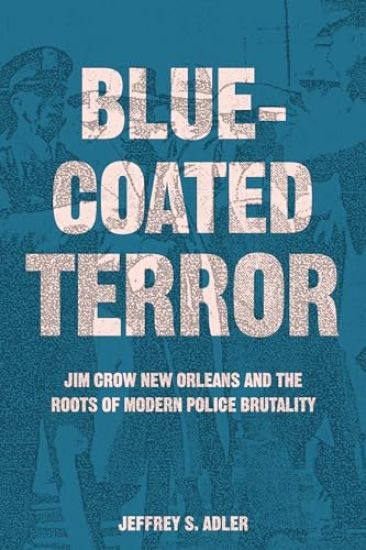
A searing chronicle of how racist violence became an ingrained facet of law enforcement in the United States. Too often, scholars and pundits argue either that police violence against African Americans has remained unchanged since the era of slavery or that it is a recent phenomenon and disconnected from the past. Neither view is accurate. In Bluecoated Terror, Jeffrey S. Adler draws on rich archival accounts to show, in narrative detail, how racialized police brutality is part of a larger system of state oppression with roots in the early twentieth-century South, particularly New Orleans. Wide racial differentials in the use of lethal force and beatings during arrest and interrogation emerged in the 1930s and 1940s. Adler explains how race control and crime control blended and blurred during this era, when police officers and criminal justice officials began to justify systemic violence against Black people as a crucial—and legal—tool for maintaining law and order. Bluecoated Terror explores both the rise of these law-enforcement trends and their chilling resilience, providing critical context for recent horrific police abuses as the ghost of Jim Crow law enforcement continues to haunt the nation.
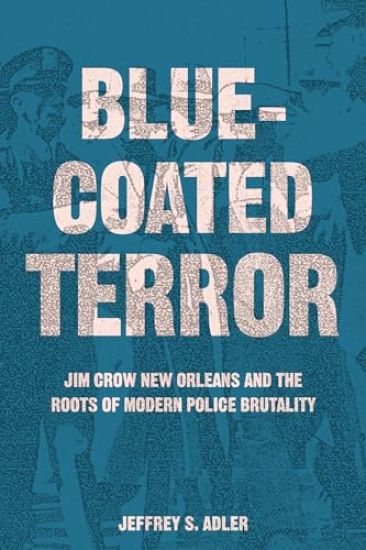
A searing chronicle of how racist violence became an ingrained facet of law enforcement in the United States. Too often, scholars and pundits argue either that police violence against African Americans has remained unchanged since the era of slavery or that it is a recent phenomenon and disconnected from the past. Neither view is accurate. In Bluecoated Terror, Jeffrey S. Adler draws on rich archival accounts to show, in narrative detail, how racialized police brutality is part of a larger system of state oppression with roots in the early twentieth-century South, particularly New Orleans. Wide racial differentials in the use of lethal force and beatings during arrest and interrogation emerged in the 1930s and 1940s. Adler explains how race control and crime control blended and blurred during this era, when police officers and criminal justice officials began to justify systemic violence against Black people as a crucial—and legal—tool for maintaining law and order. Bluecoated Terror explores both the rise of these law-enforcement trends and their chilling resilience, providing critical context for recent horrific police abuses as the ghost of Jim Crow law enforcement continues to haunt the nation.

Yankee Merchants and the Making of the Urban West
Jeffrey S. Adler
Cambridge University Press
1991
sidottu
By the early 1850s, St Louis was one of the fastest-growing cities in America. In this book, Jeffrey Adler analyzes the forces that determined the role of western cities in the national economy. He devotes particular attention to the ways in which Yankee merchants forged ties that linked St Louis to the New York and Boston markets. Northeastern businessmen fuelled the ascent of St Louis and made the city a Yankee colony in the West. During the mid-1850s powerful political and cultural forces altered the sources of urban growth in the West. As a result, the economy of St Louis collapsed. Yankee merchants stopped migrating to the city and ceased investing in local businesses. This book demonstrates that the sectional crisis abruptly transformed St Louis's role in the national economy, redirecting the flow of capital and migrants away from St. Louis and toward a smaller western city - Chicago.
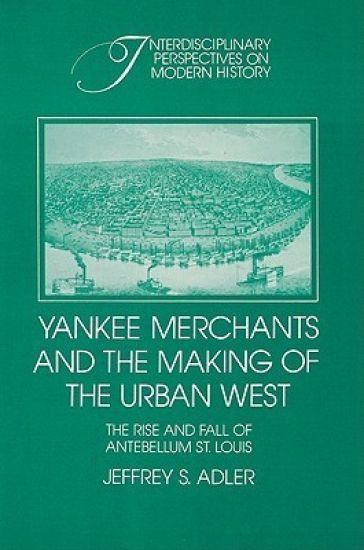
Yankee Merchants and the Making of the Urban West
Jeffrey S. Adler
Cambridge University Press
2002
pokkari
By the early 1850s, St. Louis was one of the fastest-growing cities in America. In this book, Jeffrey Adler analyzes the forces that determined the role of western cities in the national economy. He devotes particular attention to the ways in which Yankee merchants forged ties that linked St. Louis to the New York and Boston markets. Northeastern businessmen fuelled the ascent of St. Louis and made the city a Yankee colony in the West. During the mid-1850s powerful political and cultural forces altered the sources of urban growth in the West. As a result, the economy of St. Louis collapsed. Yankee merchants stopped migrating to the city and ceased investing in local businesses. This book demonstrates that the sectional crisis abruptly transformed St. Louis’s role in the national economy, redirecting the flow of capital and migrants away from St. Louis and toward a smaller western city - Chicago.
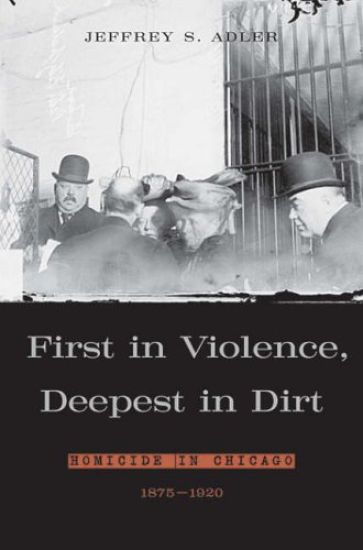
Between 1875 and 1920, Chicago's homicide rate more than quadrupled, making it the most violent major urban center in the United States--or, in the words of Lincoln Steffens, "first in violence, deepest in dirt." In many ways, however, Chicago became more orderly as it grew. Hundreds of thousands of newcomers poured into the city, yet levels of disorder fell and rates of drunkenness, brawling, and accidental death dropped. But if Chicagoans became less volatile and less impulsive, they also became more homicidal.Based on an analysis of nearly six thousand homicide cases, First in Violence, Deepest in Dirt examines the ways in which industrialization, immigration, poverty, ethnic and racial conflict, and powerful cultural forces reshaped city life and generated soaring levels of lethal violence. Drawing on suicide notes, deathbed declarations, courtroom testimony, and commutation petitions, Jeffrey Adler reveals the pressures fueling murders in turn-of-the-century Chicago. During this era Chicagoans confronted social and cultural pressures powerful enough to trigger surging levels of spouse killing and fatal robberies. Homicide shifted from the swaggering rituals of plebeian masculinity into family life and then into street life. From rage killers to the "Baby Bandit Quartet," Adler offers a dramatic portrait of Chicago during a period in which the characteristic elements of modern homicide in America emerged.
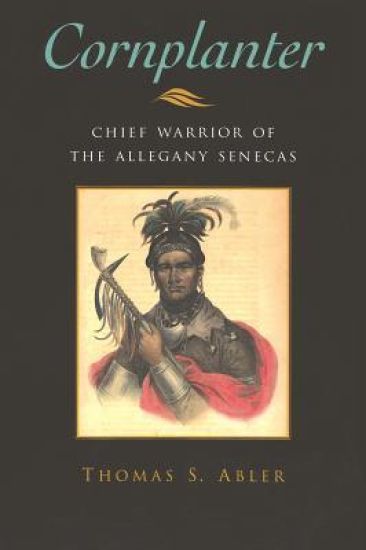
The era following the American War of Independence was one of enormous conflict for the Allegany Senecas. As the most influential Seneca leader of his time, Cornplanter led his people in war and along an often troubled path to peace. This incisive biography traces his rise to prominence as a Seneca military leader during the American Revolution and his later diplomatic success in negotiations with the Federal government. The book also explores Cornplanter's dealings with other Native American councils and with his own people. It explains how Senecas faced heavy pressure to sell their lands, and how they concurrently embraced a reformed and revitalized Iroquois religion, as inspired by Cornplanter's visionary half-brother, Handsome Lake. Thomas S. Abler skillfully weaves together previously discordant strands of the Chief Warrior's life into a concise, animated, and enlightening portrait. Even as Cornplanter examines a critical period in American history, it gives us a multidimensional knowledge of politics and diplomacy from the Seneca point of view.
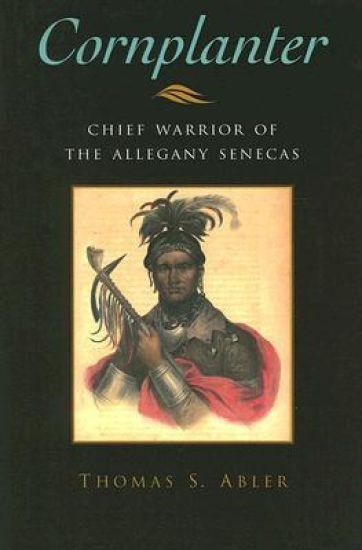
The era following the American War of Independence was one of enormous conflict for the Allegany Senecas. As the most influential Seneca leader of his time, Cornplanter led his people in war and along an often troubled path to peace. This incisive biography traces his rise to prominence as a Seneca military leader during the American Revolution and his later diplomatic success in negotiations with the Federal government. The book also explores Cornplanter's dealings with other Native American councils and with his own people. It explains how Senecas faced heavy pressure to sell their lands, and how they concurrently embraced a reformed and revitalized Iroquois religion, as inspired by Cornplanter's visionary half-brother, Handsome Lake. Thomas S. Abler skillfully weaves together previously discordant strands of the Chief Warrior's life into a concise, animated, and enlightening portrait. Even as Cornplanter examines a critical period in American history, it gives us a multidimensional knowledge of politics and diplomacy from the Seneca point of view.