Kirjojen hintavertailu. Mukana 12 448 431 kirjaa ja 12 kauppaa.

Kirjahaku

Etsi kirjoja tekijän nimen, kirjan nimen tai ISBN:n perusteella.

292 tulosta hakusanalla Sihle Tembe

Ihmisen pojasta Luojan pojaksi sitten itse elämän pojaksi, mestariksi ja lopulta uuden ajan uudeksi aluksi sille, jota minä itse nimitän uudeksi ihmiseksi
Monelle ihmiselle elämä on varsin osaavasti sanoen hieman epäselvä ja eräällä tavalla myös osaavasti ajatellen jotakin hyvin, hyvin erilaista kuin mitä se on todellisuudessa. Kukaan ihmisen tilassa elävä ei kykene koskaan kokemaan todellista elämää siten, että aistisi sen eräänlaiseksi olemisen ja osaamisen tilaksi olla ja opettaa itse itseään olemaan varsin osaava ja jopa hieman myös itseään opettava.Nämä kaksi varsin osaavasti sanottua lausetta saattavat karkoittaa useimmat lukijat etäälle tästä esiin nostetusta kirjasta. Miksi? Ehkä siksi, että näiden kahden lauseen ymmärtämiseksi ihmisen olisi syytä ensin itse olla jollakin tavoin osaava ja jopa hieman oppinutkin ajattelija ja jopa eräänlainen osaajakin aistiakseen, kuka asettaa noita sanoja tällä tavoin esiin sinulle ja jokaiselle tätä esittelyä lukevalle? Eihän yleensä missään kirjassa kerrota näin suoraan, että ihmisen kyvyt ja taidot ovat vielä varsin puutteelliset aistimaan edes tämän kaltaisten kirjojen kirjoittajia kovin osaavasti eikä oppineesti.Olenko oikeassa vai hieman itseeni eräällä tavoin korostava, kun esitän tämän kaltaisia väitteitä? Tuskin kovin osaamaton, vaan kenties hieman liiankin osaava ja oppinut, sillä Minulle nämä edellä olevat väittämät ovat sekä totuuksia että myös sinun ja jokaisen muunkin lukijaksi ehkä asettuvan ihmisen eräänlaista totuuden ja osaamisen ymmärtämistä. Minä siis osaan olla ja opettaa sinua ja jokaista muutakin osaajaksi pyrkivää ymmärtämään, että elämä saattaa olla jopa sinulle ja muillekin ihmisille vielä täysin tuntematon ja jopa täysin sitä, mitä ihmiset eivät tule koskaan ymmärtämään, vaikka olisivat miten osaavia ja miten oppineita tahansa.Osaatko nyt yrittää ajatella, kuka osaa edes ajatella sinussa? Onko se edes sinä vai joku sinussa oleva muu kuin se, jollaiseksi itsesi oletat? Useimmat teistä eivät ole varautuneet tämän kaltaiseen kysymykseen, sillä onhan kysymys varsin röyhkeä tai ainakin hyvin omanlainen eli ihmiselle itselleen esitettynä poikkeava. Miksi, eikö osaamiseenne kuulu asettaa tämän kaltaisia kysymyksiä toisillenne? Eli olla hyvin suorasukainen ja joskus jopa kyseenalaistaa omia osaamisianne ymmärtää edes omia kykyjänne ja taitojanne. Minä, joka olen tämän kirjan tekijä ja eräällä tavoin osaavasti ihmisen tilaan asettunut osaaja, voin esittää sinulle ja jokaiselle muullekin tätä esittelyä lukevalle paljon, paljon kiusallisempiakin kysymyksiä, joihin vastaamiseksi teidän ihmisten kyvyt ja taidot eivät ole vielä valmiit antamaan edes minkäänlaista viisasta vastausta. Otan siitä yhden pienen esimerkin.Kun ihmiskunta asetettiin elämään tälle hyvin erikoisen kauniille planeetalle, kuka silloin oli se, joka itse ensimmäisenä ihmisen kaltaisena olevaisena oppi ja osasi asettaa itsensä elämään ilman kaltaistaan synnyttäjää olemaan hänen äitinsä ja isänsä? Oliko hän edes ihmistä muistuttava vai edelleen eläimen kaltainen? Niin, kuka osaa antaa siihen tarkan vastauksen? Tuskin kukaan ihminen, sillä eläimestä syntyy aina joko samankaltaisia eläimiä kuin synnyttäjä tai sitten jollakin tavoin mutaation muuttamia. Oletko samaa mieltä vain osaatko kenties aavistaa, että Osaamisen ja Oppimisen Lait tekivät jo silloin ihmeitä ja muuttivat ihmisen kaltaisia eläimiä hieman teidän kaltaisiksi? Tätä osaatte nimittää evoluutioksi. Se lienee kuitenkin jonkun muun kuin ihmisen tai itse eläimen ansiota, vaan juuri noiden edellä mainittujen lakien aikaansaamaa. Näin yhdestä tilasta saattaa nousta esiin aivan uudenlaisia osaajia tai olevaisia elämään edelleen hieman muunlaisina tai jopa täysin muunlaisina olevaisina.Tässä kirjassa tämän kirjan yksi avustaja eli Erkki osaa itse kertoa hieman siitä, mitä hänessä juuri nyt on tapahtunut ja tapahtuu edelleen, joten ota sinä, rakas lukija, tämä kirja itsellesi ja opeta sen sanomaa omalle osaavammalle puolellesi. Eli sille osallesi, jota jo useimmat tämän vanhan miehen lukijat sanovat ihmisen omaksi Minäksi. Hänen avullaan tai Hänestä tässä kirjassa tämä vanha mies osaa hieman jo kertoa, miten Hän itse kykenee avaamaan itsestään aivan uudenlaisen olevaisen elämään sellaiselle avatulle planeetalle, jonka olette nimenneet kultaiseksi planeetaksi. Näin sinustakin, rakas lukija, saattaa avautua uuden planeetan seuraava asukas tämän vanhan miehen eräänlaiseksi seuralaiseksi tuolle uusimmalle planeetalle nimeltä kultainen planeetta.Nyt Minä, joka osaan auttaa ja nostaa jokaisesta ihmisestä esiin noita uusia ihmisen tiloja eli uusia ihmisiä, asetun seuraamaan sinunkin etenemistä rakas mahdollinen lukija. Kuka siis olen? Vastaan omaan kysymykseeni sanomalla olen, osaan olla ja opin itsekin samalla.
Kurinyj bulon dlja dushi. Kogda serdtse ulybaetsja. Rasskazy o tselitelnoj sile optimizma
Chuvstvovali li vy, kak napolnjaetes vnutrennim svetom: trevogi otstupajut, dykhanie stanovitsja rovnee, a serdtse - spokojnee? Eto ne prosto effekt dobroty i nadezhdy, a dokazatelstvo togo, chto pozitivnoe myshlenie dejstvitelno lechit - telo, dushu i otnoshenija s mirom.Novyj "Kurinyj bulon dlja dushi" - sbornik tjoplykh i vdokhnovljajuschikh istorij o tselitelnoj sile optimizma. V rasskazakh iz zhizni realnykh ljudej dobrye mysli, vera v luchshee i blagodarnost prinosjat pozitivnye peremeny - bolezni otstupajut, vozvraschajutsja sily i stanovitsja legche preodolet trudnosti.
Art, Nation and Gender

Art, Nation and Gender

Síghle Bhreathnach-Lynch

Routledge
2019
nidottu
This title was first published in 2003. The essay collection explores the conjunctions of nation, gender, and visual representation in a number of countries-including Ireland, Scotland, Britain, Canada, Finland, Russia and Germany-during the nineteenth and twentieth centuries. The contributors show visual imagery to be a particularly productive focus for analysing the intersections of nation and gender, since the nation and nationalism, as abstract concepts, have to be "embodied" in ways that make them imaginable, especially through the means of art. They explore how allegorical female figures personify the nation across a wide range of visual media, from sculpture to political cartoons and how national architectures may also be gendered. They show how through such representations, art reveals the ethno-cultural bases of nationalisms. Through the study of such images, the essays in this volume cast new light on the significance of gender in the construction of nationalist ideology and the constitution of the nation-state. In tackling the conjunctions of nation, gender and visual representation, the case studies presented in this publication can be seen to provide exciting new perspectives on the study of nations, of gender and the history of art. The range of countries chosen and the variety of images scrutinised create a broad arena for further debate.
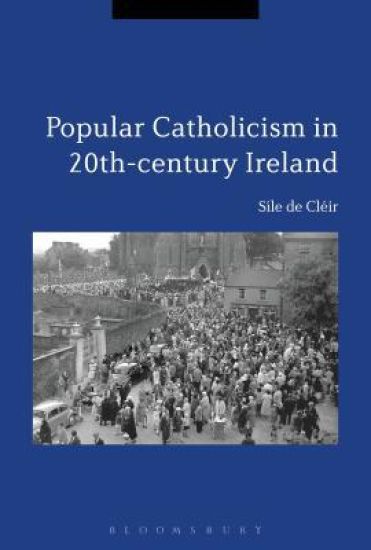
Popular Catholicism in 20th-Century Ireland

Popular Catholicism in 20th-Century Ireland

Síle de Cléir

Bloomsbury Academic
2017
sidottu
For much of the 20th century, Catholics in Ireland spent significant amounts of time engaged in religious activities. This book documents their experience in Limerick city between the 1920s and 1960s, exploring the connections between that experience and the wider culture of an expanding and modernising urban environment. Síle de Cléir discusses topics including ritual activities in many contexts: the church, the home, the school, the neighbourhood and the workplace. The supernatural belief underpinning these activities is also important, along with creative forms of resistance to the high levels of social control exercised by the clergy in this environment. De Cléir uses a combination of in-depth interviews and historical ethnographic sources to reconstruct the day-to-day religious experience of Limerick city people during the period studied. This material is enriched by ideas drawn from anthropological studies of religion, while perspectives from both history and ethnology also help to contextualise the discussion.With its unique focus on everyday experience, and combination of a traditional worldview with the modernising city of Limerick – all set against the backdrop of a newly-independent Ireland - Popular Catholicism in 20th-century Ireland presents a fascinating new perspective on 20th-century Irish social and religious history.
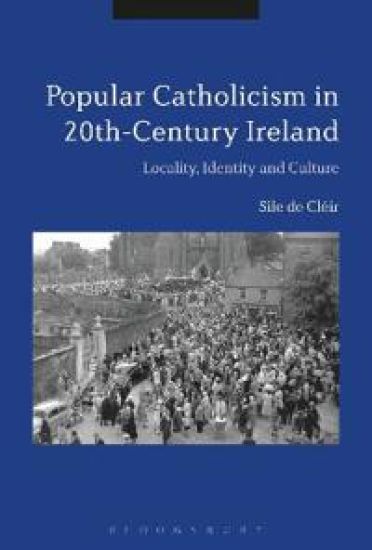
Popular Catholicism in 20th-Century Ireland

Popular Catholicism in 20th-Century Ireland

Síle de Cléir

Bloomsbury Academic
2019
nidottu
For much of the 20th century, Catholics in Ireland spent significant amounts of time engaged in religious activities. This book documents their experience in Limerick city between the 1920s and 1960s, exploring the connections between that experience and the wider culture of an expanding and modernising urban environment. Síle de Cléir discusses topics including ritual activities in many contexts: the church, the home, the school, the neighbourhood and the workplace. The supernatural belief underpinning these activities is also important, along with creative forms of resistance to the high levels of social control exercised by the clergy in this environment. De Cléir uses a combination of in-depth interviews and historical ethnographic sources to reconstruct the day-to-day religious experience of Limerick city people during the period studied. This material is enriched by ideas drawn from anthropological studies of religion, while perspectives from both history and ethnology also help to contextualise the discussion.With its unique focus on everyday experience, and combination of a traditional worldview with the modernising city of Limerick – all set against the backdrop of a newly-independent Ireland - Popular Catholicism in 20th-century Ireland presents a fascinating new perspective on 20th-century Irish social and religious history.
The Lost Time Accidents

The Lost Time Accidents

Síle Englert

Goose Lane Editions
2021
pokkari
Finalist, Raymond Souster AwardIn this timely and powerful debut, Síle Englert explores what it is to feel othered in a world where everything is connected. Moving through time and memory — from childhood to motherhood, from historical figures and events to the precarious environment of the Anthropocene — Englert’s voice brims with grief while still holding space for whimsy.Juxtaposing unlikely metaphors and inchoate memories, these poems wander a timeline where Amelia Earhart’s bones call out from the past, an abandoned department store mannequin keeps an eye on the future, and spacecraft sing to each other through the dark: "we are only what we remember." Unearthing objects beautiful and bizarre, The Lost Time Accidents challenges the reader’s perceptions, finding empathy for the lost, the broken, and the overlooked.
Ireland's Art, Ireland's History

Ireland's Art, Ireland's History

Síghle Bhreathnach-Lynch

Creighton University,U.S.
2007
pokkari
Until recently little attention was paid to the role of art in constructing the “story” of the Irish nation. This wide-ranging study of Irish pictures and sculpture opens up the subject by providing a fresh interdisciplinary approach. Each work is analyzed beyond its strictly art historical relevance. A deeper investigation into the context in which a work was produced reveals much about the aspirations and ideological ambitions of artists, those commissioning works, and the viewing public. The study of such diverse topics as the representation of the Irish peasant, the behind-the-scenes tensions in setting up a national gallery for Ireland, the erecting of political monuments, Church art, West of Ireland landscape painting, and the difference in nationalistic fervor among artists as diverse as Albert G. Power and Jack B. Yeats unveil fascinating testimony about Ireland’s collective national “needs” and its constructs of identity.
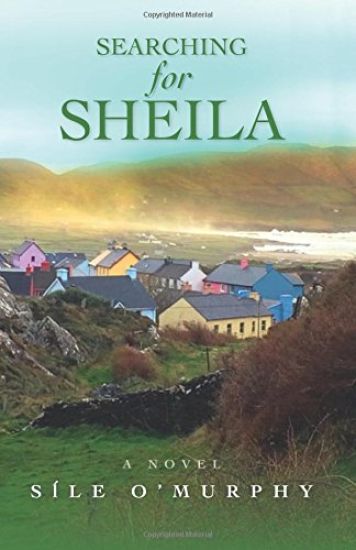
Searching for Sheila

Searching for Sheila

Sile O'Murphy

Createspace Independent Publishing Platform
2017
nidottu
The story is set in West Cork, Ireland, in the present day. Two girls, Maeve and Aelish, are at a pivotal point in their lives, leaving their childhood behind and embarking on their future, as they look forward to university. They find a discarded lottery ticket that turns out to be worth five million euro; the signed name on the ticket is easy to read; but finding the woman with the very common name of Sheila Murphy proves to be more difficult than they expect. In their quest to find the owner of the ticket, they encounter a number of Sheila Murphys, learning valuable lessons from each of the women along the way. As the story unfolds, the lives of the inhabitants of West Cork are revealed to be intertwined and connected in ways they had not realised. Maeve and Aelish lead us gaily on a path of friendship, love, loss, learning, and ultimately, optimism.
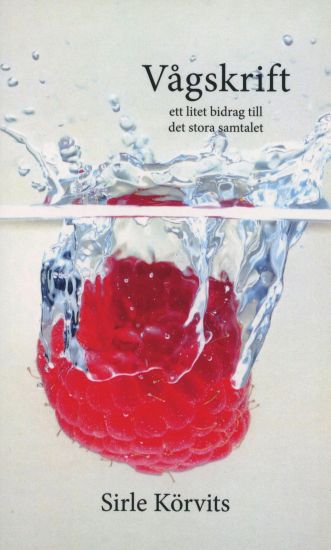
Vågskrift

Vågskrift

Sirle Körvits

Narin Förlag
2024
pokkari
"Av alla sommarbär tycker jag mest om hallon. Det är något nästan mystiskt med att smaken kommer fram genom att tugga på de små röda mjuka kulorna som innehåller bärsaften. Jag brukar också smeka mina läppar med hallonet, innan jag äter det; det känns mjukt, lite hårigt och fuktigt när jag trycker bäret på mina läppar. Det är kanske för att det var så länge sedan jag blev kysst." ”Vågskrift är vågad och utlämnande och handlar om det verkliga livet. Om svek och sorg, men också om närhet, Gud och litteratur.” Lars Narin “En litterär dagbok, poetisk, stormig och stark.” Elen Frings