
Kirjahaku
Etsi kirjoja tekijän nimen, kirjan nimen tai ISBN:n perusteella.
1000 tulosta hakusanalla Suleiman Musa
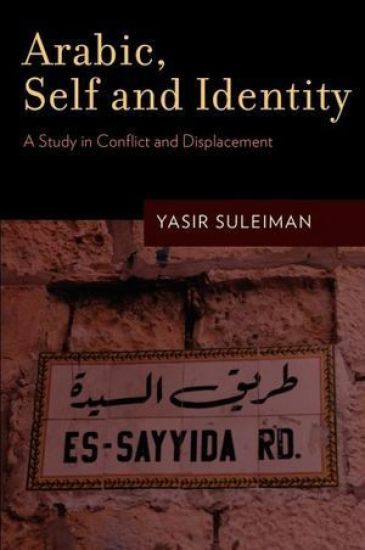
Arabic, Self, and Identity uses autoethnography, autobiography, and a detailed study of names to investigate the links between conflict and displacement, and between the Self and group identity. In the process it raises questions about trauma and globalization, underscoring the complex roles of language and identity in society. Yasir Suleiman frames his findings against a far-reaching critique of the dominant, correlational approach in Arabic sociolinguitics. He argues that this approach does not sufficiently explore the link between language and the major narratives of identity and conflict in the Middle East. Instead he advocates for combining this approach with qualitative studies that are nevertheless aware of the limits of interpretation and the positionality of the researcher. This combined endeavor, Suleiman says, can generate a richer understanding of the sociopolitical underpinnings of language, and help to bridge the gaps between the various disciplines that converge on language as a field of investigation and analysis.
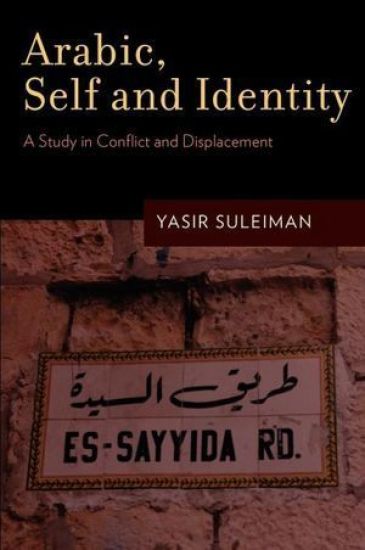
Arabic, Self, and Identity uses autoethnography, autobiography, and a detailed study of names to investigate the links between conflict and displacement, and between the Self and group identity. In the process it raises questions about trauma and globalization, underscoring the complex roles of language and identity in society. Yasir Suleiman frames his findings against a far-reaching critique of the dominant, correlational approach in Arabic sociolinguitics. He argues that this approach does not sufficiently explore the link between language and the major narratives of identity and conflict in the Middle East. Instead he advocates for combining this approach with qualitative studies that are nevertheless aware of the limits of interpretation and the positionality of the researcher. This combined endeavor, Suleiman says, can generate a richer understanding of the sociopolitical underpinnings of language, and help to bridge the gaps between the various disciplines that converge on language as a field of investigation and analysis.
The Political Economy Of Public Sector Reform And Privatization
Ezra Suleiman; John Waterbury
Routledge
2019
sidottu
This book suggests some of the ways in which levels of development shape public sector reform and privatization in developed and developing countries, showing that conservative as well as socialist governments were committed to increasing the state's guiding role in the political economy.
The Political Economy Of Public Sector Reform And Privatization
Ezra Suleiman; John Waterbury
Routledge
2021
nidottu
This book suggests some of the ways in which levels of development shape public sector reform and privatization in developed and developing countries, showing that conservative as well as socialist governments were committed to increasing the state's guiding role in the political economy.
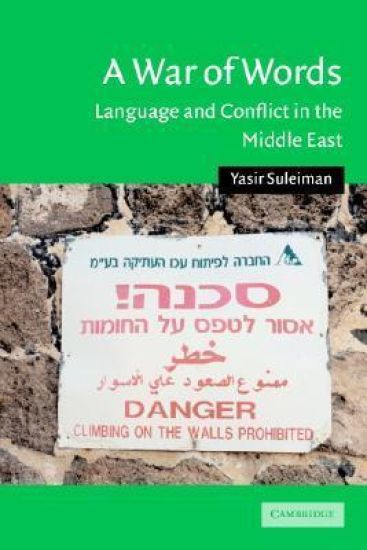
Yasir Suleiman’s book considers national identity in relation to language, the way in which language can be manipulated to signal political, cultural or even historical difference. As a language with a long-recorded heritage and one spoken by the majority of those in the Middle East in a variety of dialects, Arabic is a particularly appropriate vehicle for such an investigation. It is also a penetrating device for exploring the conflicts of the Middle East, the diversity of its peoples and the diversity of their viewpoints. Suleiman’s book offers a wealth of empirical material, and intriguing, often poignant illustrations of antagonisms articulated through pun or double entendre.
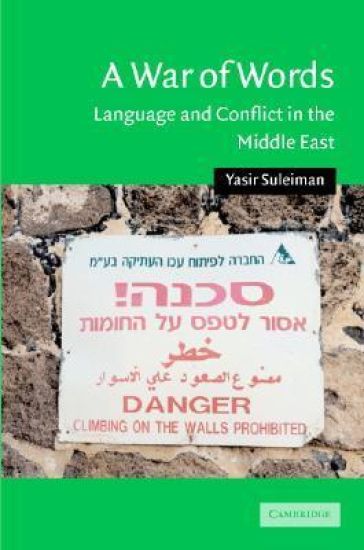
Yasir Suleiman’s book considers national identity in relation to language, the way in which language can be manipulated to signal political, cultural or even historical difference. As a language with a long-recorded heritage and one spoken by the majority of those in the Middle East in a variety of dialects, Arabic is a particularly appropriate vehicle for such an investigation. It is also a penetrating device for exploring the conflicts of the Middle East, the diversity of its peoples and the diversity of their viewpoints. Suleiman’s book offers a wealth of empirical material, and intriguing, often poignant illustrations of antagonisms articulated through pun or double entendre.
A coherent and stimulating survey of current research.
Language and Identity in the Middle East and North Africa
Yasir Suleiman
RoutledgeCurzon
1996
sidottu
The question of identity in relation to language has hardly been dealt with in the Middle East and North Africa, in spite of the centrality of these issues to a variety of scholarly debates concerning this strategically important part of the world. The book seeks to cover a variety of themes in this area.
The concept of taclil occupies a central position in the Arabic intellectual tradition. In grammar it covers a host of areas of immense theoretical interest, including description, methodology, epistemology and explanation. This book sets out to deal with the concept by investigating the major works of those grammarians who have contributed most in theoretical terms to its development and elaboration in the Arabic Grammatical Tradition. It seeks to do so by considering the relation between grammar, on the one hand, and jurisprudence and theology, on the other. In dealing with the above issues an appeal is made, both directly and indirectly, to some of the relevant ideas in the philosophy of science as they apply to this tradition. The approach adopted is cross-disciplinary in orientation to reflect the centrality of taclil in the Arabic intellectual tradition, and reference is therefore made to the employment of this concept in jurisprudence and, to a lesser extent, theology. This is the first major study in any European language or in Arabic to be published on the topic. It will be of interest to Arabic grammarians, students of Arabic and general linguistics and to specialists in Islamic jurisprudence and philosophy.
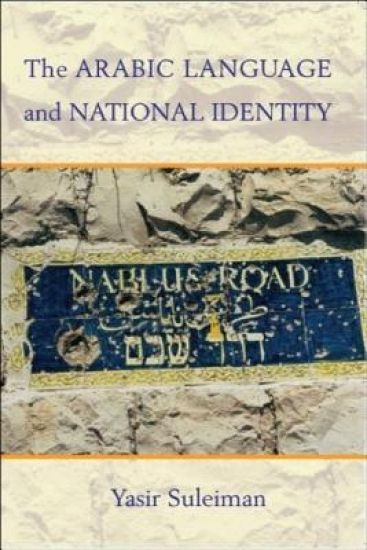
"A very useful addition to courses on Arab nationalism, nationalism in general, and Arabic linguistics." Professor Clive Holes FBA, Professor for the Study of the Contemporary Arab World, University of Oxford "Masterfully combines his profound familiarity with the Arabic literature, the endless literature on nationalist ideology, and the very substantial sociolinguistic literature on language and ethnic identity." Professor Joshua Fishman, Distinguished University Research Professor of Social Sciences, Emeritus, Yeshiva University 'This compelling and timely study of Arabic culture, language, history, and nationalism by distinguished Arabic linguist Yasir Suleiman allows English-speaking audiences an inside view of key issues in understanding the Arab world. Based on Suleiman's extensive research in Arabic language and society, the book is scholarly but not pedantic, and will appeal to a wide range of readers.' Karin C. Ryding, Sultan Qaboos bin Said Professor of Arabic, Georgetown University Prizewinner, British-Kuwait Friendship Society Prize in Middle Eastern Studies 2004 A fresh perspective on nationalism in the Arab Middle East, investigating the interaction between language and nationalist ideology. It covers both communicative and symbolic functions of the language in relation to cultural and political nationalism and the articulation of national identity. Includes: * the Arab past (the interpretation and reinvention of tradition and myth-making) * the clash between Arab and Turkish cultural nationalism in the 19th and early 20th century * readings of canonical treatises on Arab cultural nationalism * a study of the major ideological trends linking language to territorial nationalism * a research agenda for the study of language and nationalism in the Arab context This is the first full-scale study of this important topic and will be of interest to students of nationalism, Arab and comparative politics, Arabic Studies, history, cultural studies and sociolinguistics.
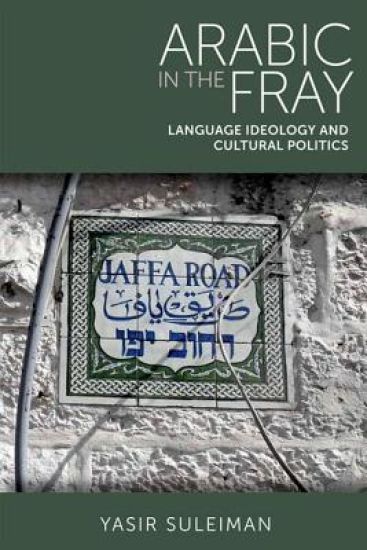
The pre-modern period saw a background of inter-ethnic strife among Arabs and non-Arabs, mainly Persians. Starting from the symbolic and cognitive roles of language, Yasir Suleiman shows how discussions about the inimitability and (un)translatability of the Qur'an in this period were, at some deep level, concerned with issues of ethnic election. In this respect, theology and ethnicity emerge as partners in theorising language. Staying within the symbolic role of language, Suleiman goes on to investigate the role of paratexts and literary production in disseminating language ideologies and in cultural contestation. He shows how language symbolism is relevant to ideological debates about hybrid and cross-national literary production in the Arab milieu. In fact, language ideology appears to be everywhere, and a whole chapter is devoted to discussions of the cognitive role of language in linking thought to reality.
This title shows how the Arabic language is involved in ideological and cultural debates about conflict. The pre-modern period saw a background of inter-ethnic strife among Arabs and non-Arabs, mainly Persians. Starting from the symbolic and cognitive roles of language, Yasir Suleiman shows how discussions about the inimitability and (un)translatability of the Qur'an in this period were, at some deep level, concerned with issues of ethnic election. In this respect, theology and ethnicity emerge as partners in theorising language. Staying within the symbolic role of language, Suleiman goes on to investigate the role of paratexts and literary production in disseminating language ideologies and in cultural contestation. He shows how language symbolism is relevant to ideological debates about hybrid and cross-national literary production in the Arab milieu. In fact, language ideology appears to be everywhere, including in discussions of the cognitive role of language in linking thought to reality.
A coherent and stimulating survey of current research.
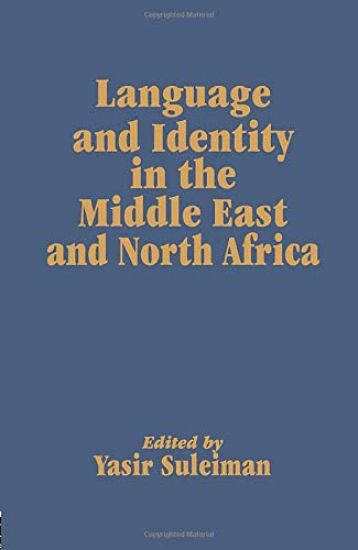
The question of identity in relation to language has hardly been dealt with in the Middle East and North Africa, in spite of the centrality of these issues to a variety of scholarly debates concerning this strategically important part of the world. The book seeks to cover a variety of themes in this area.

IT's 4 AM is a collection of select poems and original art inspired by emotions, thoughts, and experiences of the author.
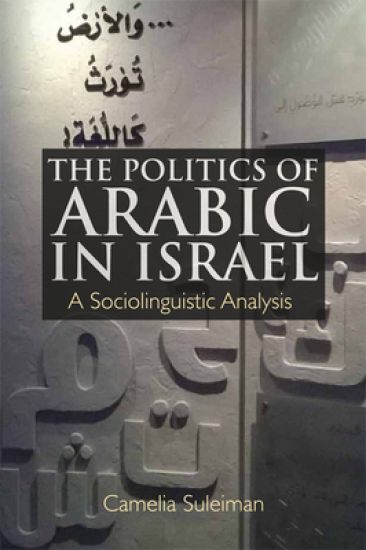
Arabic became a minority language overnight in Israel in 1948, as a result of the Palestinian exodus from their land that year. Although it remains an official language, along with Hebrew, Israel has made continued attempts to marginalize Arabic on the one hand and securitize it on the other. Camelia Suleiman delves into these tensions and contradictions, exploring how language policy and language choice both reflect and challenge political identities of Arabs and Israelis. She explores the historic context of Arabic in Israel, the attempts at minoritising, Orientalising and securitising the language, the Linguistic Landscape (LL) of Arabic in Israel, the effect of globalization, modernization and citizenship status on the status of Arabic, Hebrew as a language choice of (semi) autobiographic production of three Israeli authors who are native speakers of Arabic, and lastly, a comparison with the status of Arabic in both Jordan and Palestine (West Bank and Gaza Strip) where Arabic is the official language.
Arabic became a minority language overnight in Israel in 1948, as a result of the Palestinian exodus from their land that year. Although it remains an official language, along with Hebrew, Israel has made continued attempts to marginalize Arabic on the one hand and securitize it on the other. Camelia Suleiman delves into these tensions and contradictions, exploring how language policy and language choice both reflect and challenge political identities of Arabs and Israelis. She explores the historic context of Arabic in Israel, the attempts at minoritising, Orientalising and securitising the language, the Linguistic Landscape (LL) of Arabic in Israel, the effect of globalization, modernization and citizenship status on the status of Arabic, Hebrew as a language choice of (semi) autobiographic production of three Israeli authors who are native speakers of Arabic, and lastly, a comparison with the status of Arabic in both Jordan and Palestine (West Bank and Gaza Strip) where Arabic is the official language.