First published in 1994, these two volumes are intended as a supplement to the four-volume edition edited by Gordon N. Ray in 1945-46. In writing to his broad range of correspondents, Thackeray produced a varied body of letters that will help readers to better understand his nineteenth-century society as well as his professional and private life — especially his relationships with women. These volumes contain 1713 letters: 1464 to and from Thackeray that were not included in the earlier volumes, and 249 with texts that have been edited from newly available manuscripts, and that thereby replace texts that were printed in Ray from incomplete sources.
First published in 1994, these two volumes are intended as a supplement to the four-volume edition edited by Gordon N. Ray in 1945-46. In writing to his broad range of correspondents, Thackeray produced a varied body of letters that will help readers to better understand his nineteenth-century society as well as his professional and private life — especially his relationships with women. These volumes contain 1713 letters: 1464 to and from Thackeray that were not included in the earlier volumes, and 249 with texts that have been edited from newly available manuscripts, and that thereby replace texts that were printed in Ray from incomplete sources.
First published in 1994, these two volumes are intended as a supplement to the four-volume edition edited by Gordon N. Ray in 1945-46. In writing to his broad range of correspondents, Thackeray produced a varied body of letters that will help readers to better understand his nineteenth-century society as well as his professional and private life — especially his relationships with women. These volumes contain 1713 letters: 1464 to and from Thackeray that were not included in the earlier volumes, and 249 with texts that have been edited from newly available manuscripts, and that thereby replace texts that were printed in Ray from incomplete sources.
First published in 1994, these two volumes are intended as a supplement to the four-volume edition edited by Gordon N. Ray in 1945-46. In writing to his broad range of correspondents, Thackeray produced a varied body of letters that will help readers to better understand his nineteenth-century society as well as his professional and private life — especially his relationships with women. These volumes contain 1713 letters: 1464 to and from Thackeray that were not included in the earlier volumes, and 249 with texts that have been edited from newly available manuscripts, and that thereby replace texts that were printed in Ray from incomplete sources.
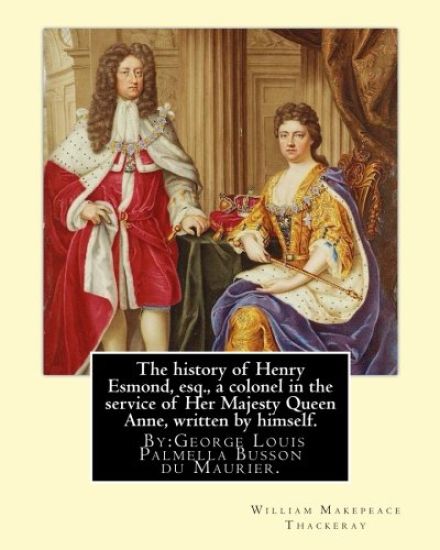
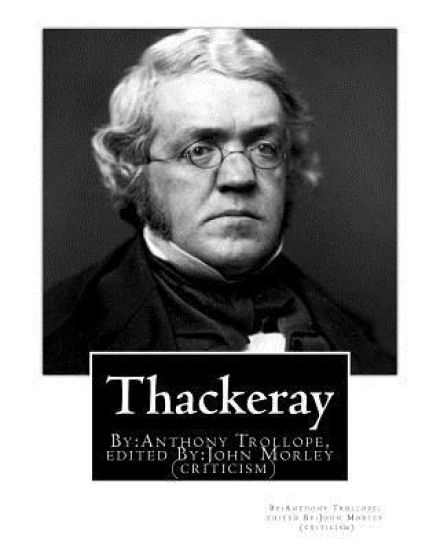
William Makepeace Thackeray ( 18 July 1811 - 24 December 1863) was an English novelist of the 19th century. He is famous for his satirical works, particularly Vanity Fair, a panoramic portrait of English society. Thackeray, an only child, was born in Calcutta, British India, where his father, Richmond Thackeray (1 September 1781 - 13 September 1815), was secretary to the Board of Revenue in the British East India Company. His mother, Anne Becher (1792-1864), was the second daughter of Harriet Becher and John Harman Becher, who was also a secretary (writer) for the East India Company.Richmond died in 1815, which caused Anne to send her son to England in 1816, while she remained in British India. The ship on which he travelled made a short stopover at St. Helena, where the imprisoned Napoleon was pointed out to him. Once in England he was educated at schools in Southampton and Chiswick, and then at Charterhouse School, where he became a close friend of John Leech. Thackeray disliked Charterhouse, and parodied it in his fiction as "Slaughterhouse". Nevertheless, Thackeray was honoured in the Charterhouse Chapel with a monument after his death. Illness in his last year there, during which he reportedly grew to his full height of six foot three, postponed his matriculation at Trinity College, Cambridge, until February 1829.Never too keen on academic studies, Thackeray left Cambridge in 1830, but some of his earliest published writing appeared in two university periodicals, The Snob and The Gownsman. Thackeray then travelled for some time on the continent, visiting Paris and Weimar, where he met Goethe. He returned to England and began to study law at the Middle Temple, but soon gave that up. On reaching the age of 21 he came into his inheritance from his father, but he squandered much of it on gambling and on funding two unsuccessful newspapers, The National Standard and The Constitutional, for which he had hoped to write. He also lost a good part of his fortune in the collapse of two Indian banks. Forced to consider a profession to support himself, he turned first to art, which he studied in Paris, but did not pursue it, except in later years as the illustrator of some of his own novels and other writings.Thackeray's years of semi-idleness ended after he married, on 20 August 1836, Isabella Gethin Shawe (1816-1893), second daughter of Isabella Creagh Shawe and Matthew Shawe, a colonel who had died after distinguished service, primarily in India. The Thackerays had three children, all girls: Anne Isabella (1837-1919), Jane (who died at eight months old) and Harriet Marian (1840-1875), who married Sir Leslie Stephen, editor, biographer and philosopher. Thackeray now began "writing for his life", as he put it, turning to journalism in an effort to support his young family. He primarily worked for Fraser's Magazine, a sharp-witted and sharp-tongued conservative publication for which he produced art criticism, short fictional sketches, and two longer fictional works, Catherine and The Luck of Barry Lyndon. Between 1837 and 1840 he also reviewed books for The Times. 4] He was also a regular contributor to The Morning Chronicle and The Foreign Quarterly Review. Later, through his connection to the illustrator John Leech, he began writing for the newly created magazine Punch, in which he published The Snob Papers, later collected as The Book of Snobs. This work popularised the modern meaning of the word "snob".Thackeray was a regular contributor to Punch between 1843 and 1854. George Louis Palmella Busson du Maurier (6 March 1834 - 8 October 1896) was a Franco-British cartoonist and author, known for his cartoons in Punch and for his novel Trilby. He was the father of actor Sir Gerald du Maurier and grandfather of writers Angela du Maurier and Dame Daphne du Maurier. He was also the father of Sylvia Llewelyn Davies and grandfather of the five boys who inspired J.M. Barrie's Peter Pan.
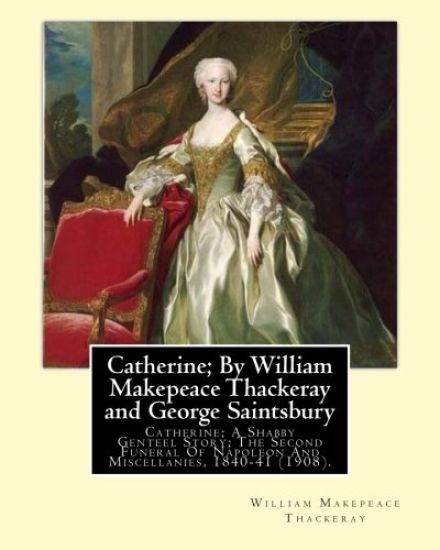
William Makepeace Thackeray ( 18 July 1811 - 24 December 1863) was an English novelist of the 19th century. He is famous for his satirical works, particularly Vanity Fair, a panoramic portrait of English society. Thackeray, an only child, was born in Calcutta, British India, where his father, Richmond Thackeray (1 September 1781 - 13 September 1815), was secretary to the Board of Revenue in the British East India Company. His mother, Anne Becher (1792-1864), was the second daughter of Harriet Becher and John Harman Becher, who was also a secretary (writer) for the East India Company.Richmond died in 1815, which caused Anne to send her son to England in 1816, while she remained in British India. The ship on which he travelled made a short stopover at St. Helena, where the imprisoned Napoleon was pointed out to him. Once in England he was educated at schools in Southampton and Chiswick, and then at Charterhouse School, where he became a close friend of John Leech. Thackeray disliked Charterhouse, and parodied it in his fiction as "Slaughterhouse". Nevertheless, Thackeray was honoured in the Charterhouse Chapel with a monument after his death. Illness in his last year there, during which he reportedly grew to his full height of six foot three, postponed his matriculation at Trinity College, Cambridge, until February 1829.Never too keen on academic studies, Thackeray left Cambridge in 1830, but some of his earliest published writing appeared in two university periodicals, The Snob and The Gownsman. Thackeray then travelled for some time on the continent, visiting Paris and Weimar, where he met Goethe. He returned to England and began to study law at the Middle Temple, but soon gave that up. On reaching the age of 21 he came into his inheritance from his father, but he squandered much of it on gambling and on funding two unsuccessful newspapers, The National Standard and The Constitutional, for which he had hoped to write. He also lost a good part of his fortune in the collapse of two Indian banks. Forced to consider a profession to support himself, he turned first to art, which he studied in Paris, but did not pursue it, except in later years as the illustrator of some of his own novels and other writings.Thackeray's years of semi-idleness ended after he married, on 20 August 1836, Isabella Gethin Shawe (1816-1893), second daughter of Isabella Creagh Shawe and Matthew Shawe, a colonel who had died after distinguished service, primarily in India. The Thackerays had three children, all girls: Anne Isabella (1837-1919), Jane (who died at eight months old) and Harriet Marian (1840-1875), who married Sir Leslie Stephen, editor, biographer and philosopher. Thackeray now began "writing for his life", as he put it, turning to journalism in an effort to support his young family. He primarily worked for Fraser's Magazine, a sharp-witted and sharp-tongued conservative publication for which he produced art criticism, short fictional sketches, and two longer fictional works, Catherine and The Luck of Barry Lyndon. Between 1837 and 1840 he also reviewed books for The Times. 4] He was also a regular contributor to The Morning Chronicle and The Foreign Quarterly Review. Later, through his connection to the illustrator John Leech, he began writing for the newly created magazine Punch, in which he published The Snob Papers, later collected as The Book of Snobs. This work popularised the modern meaning of the word "snob".Thackeray was a regular contributor to Punch between 1843 and 1854. George Edward Bateman Saintsbury ( 23 October 1845 - 28 January 1933), was an English writer, literary historian, scholar, critic and wine connoisseur.
William Makepeace Thackeray 18 July 1811 - 24 December 1863) was an English novelist of the 19th century. He is known for his satirical works, particularly Vanity Fair, a panoramic portrait of English society.Thackeray, an only child, was born in Calcutta, British India, where his father, Richmond Thackeray (1 September 1781 - 13 September 1815), was secretary to the Board of Revenue in the British East India Company. His mother, Anne Becher (1792-1864), was the second daughter of Harriet Becher and John Harman Becher, who was also a secretary (writer) for the East India Company. Richmond died in 1815, which caused Anne to send her son to England in 1816, while she remained in British India. The ship on which he travelled made a short stopover at St. Helena, where the imprisoned Napoleon was pointed out to him. Once in England he was educated at schools in Southampton and Chiswick, and then at Charterhouse School, where he became a close friend of John Leech. Thackeray disliked Charterhouse, and parodied it in his fiction as "Slaughterhouse". Nevertheless, Thackeray was honoured in the Charterhouse Chapel with a monument after his death. Illness in his last year there, during which he reportedly grew to his full height of six foot three, postponed his matriculation at Trinity College, Cambridge, until February 1829.Never too keen on academic studies, Thackeray left Cambridge in 1830, but some of his earliest published writing appeared in two university periodicals, The Snob and The Gownsman.
William Makepeace Thackeray (18 July 1811 - 24 December 1863) was an English novelist of the 19th century. He is known for his satirical works, particularly Vanity Fair, a panoramic portrait of English society. BIOGRAPHY: Thackeray, an only child, was born in Calcutta, British India, where his father, Richmond Thackeray (1 September 1781 - 13 September 1815), was secretary to the Board of Revenue in the British East India Company. His mother, Anne Becher (1792-1864), was the second daughter of Harriet Becher and John Harman Becher, who was also a secretary (writer) for the East India Company. Richmond died in 1815, which caused Anne to send her son to England in 1816, while she remained in British India. The ship on which he travelled made a short stopover at St. Helena, where the imprisoned Napoleon was pointed out to him. Once in England he was educated at schools in Southampton and Chiswick, and then at Charterhouse School, where he became a close friend of John Leech. Thackeray disliked Charterhouse, and parodied it in his fiction as "Slaughterhouse". Nevertheless, Thackeray was honoured in the Charterhouse Chapel with a monument after his death. Illness in his last year there, during which he reportedly grew to his full height of six foot three, postponed his matriculation at Trinity College, Cambridge, until February 1829. citation needed]Never too keen on academic studies, Thackeray left Cambridge in 1830, but some of his earliest published writing appeared in two university periodicals, The Snob and The Gownsman. Thackeray then travelled for some time on the continent, visiting Paris and Weimar, where he met Goethe. He returned to England and began to study law at the Middle Temple, but soon gave that up. On reaching the age of 21 he came into his inheritance from his father, but he squandered much of it on gambling and on funding two unsuccessful newspapers, The National Standard and The Constitutional, for which he had hoped to write. He also lost a good part of his fortune in the collapse of two Indian banks. Forced to consider a profession to support himself, he turned first to art, which he studied in Paris, but did not pursue it, except in later years as the illustrator of some of his own novels and other writings. .... George Edward Bateman Saintsbury ( 23 October 1845 - 28 January 1933), was an English writer, literary historian, scholar, critic and wine connoisseur.Born in Lottery Hall, Southampton, he was educated at King's College School, London, and at Merton College, Oxford where he achieved a first class BA degree in Classical Mods, (1865), and a second class in literae humaniores (1867). He left Oxford in 1868 having failed to obtain a fellowship, and briefly became a master at the Manchester Grammar School, before spending six years in Guernsey as senior classical master of Elizabeth College, where he began his literary career by submitting his first reviews to The Academy. From 1874 until he returned to London in 1876 he was headmaster of the Elgin Educational Institute, with a brief period in 1877 on the Manchester Guardian. For ten years he was actively engaged in journalism, becoming an important member of the staff of the Saturday Review. Some of the critical essays contributed to the literary journals were afterwards collected in his Essays in English Literature, 1780-1860 (2 vols., 1890-1895), Essays on French Novelists (1891), Miscellaneous Essays (1892), and Corrected Impressions (1895). In 1895 he became professor of rhetoric and English literature at the University of Edinburgh, a position he held until 1915. He retired to 1A Royal Crescent, Bath, Somerset and died there in 1933...
The Virginians: A Tale of the Last Century (1857-59) is a historical novel by William Makepeace Thackeray which forms a sequel to his Henry Esmond and is also loosely linked to Pendennis. PLOT: It tells the story of Henry Esmond's twin grandsons, George and Henry Warrington. Henry's romantic entanglements with an older woman lead up to his taking a commission in the British army and fighting under the command of General Wolfe at the capture of Quebec. On the outbreak of the American War of Independence he takes the revolutionary side. George, who is also a British officer, thereupon resigns his commission rather than take up arms against his brother.... William Makepeace Thackeray (18 July 1811 - 24 December 1863) was an English novelist of the 19th century. He is known for his satirical works, particularly Vanity Fair, a panoramic portrait of English society. BIOGRAPHY: Thackeray, an only child, was born in Calcutta, British India, where his father, Richmond Thackeray (1 September 1781 - 13 September 1815), was secretary to the Board of Revenue in the British East India Company. His mother, Anne Becher (1792-1864), was the second daughter of Harriet Becher and John Harman Becher, who was also a secretary (writer) for the East India Company. Richmond died in 1815, which caused Anne to send her son to England in 1816, while she remained in British India. The ship on which he travelled made a short stopover at St. Helena, where the imprisoned Napoleon was pointed out to him. Once in England he was educated at schools in Southampton and Chiswick, and then at Charterhouse School, where he became a close friend of John Leech. Thackeray disliked Charterhouse, and parodied it in his fiction as "Slaughterhouse". Nevertheless, Thackeray was honoured in the Charterhouse Chapel with a monument after his death. Illness in his last year there, during which he reportedly grew to his full height of six foot three, postponed his matriculation at Trinity College, Cambridge, until February 1829. citation needed]Never too keen on academic studies, Thackeray left Cambridge in 1830, but some of his earliest published writing appeared in two university periodicals, The Snob and The Gownsman. Thackeray then travelled for some time on the continent, visiting Paris and Weimar, where he met Goethe. He returned to England and began to study law at the Middle Temple, but soon gave that up. On reaching the age of 21 he came into his inheritance from his father, but he squandered much of it on gambling and on funding two unsuccessful newspapers, The National Standard and The Constitutional, for which he had hoped to write. He also lost a good part of his fortune in the collapse of two Indian banks. Forced to consider a profession to support himself, he turned first to art, which he studied in Paris, but did not pursue it, except in later years as the illustrator of some of his own novels and other writings. Thackeray's years of semi-idleness ended after he married, on 20 August 1836, Isabella Gethin Shawe (1816-1893), second daughter of Isabella Creagh Shawe and Matthew Shawe, a colonel who had died after distinguished service, primarily in India. The Thackerays had three children, all girls: Anne Isabella (1837-1919), Jane (who died at eight months old) and Harriet Marian (1840-1875), who married Sir Leslie Stephen, editor, biographer and philosopher. Walter Copeland Jerrold (1865-1929) was an English writer, biographer and newspaper editor. Ernest Percival Rhys ( 17 July 1859 - 25 May 1946) was a Welsh-English writer, best known for his role as founding editor of the Everyman's Library series of affordable classics. He wrote essays, stories, poetry, novels and plays.
Hints to collectors of original editions of the works of William Makepeace Thackeray is an unchanged, high-quality reprint of the original edition of 1885. Hansebooks is editor of the literature on different topic areas such as research and science, travel and expeditions, cooking and nutrition, medicine, and other genres. As a publisher we focus on the preservation of historical literature. Many works of historical writers and scientists are available today as antiques only. Hansebooks newly publishes these books and contributes to the preservation of literature which has become rare and historical knowledge for the future.
William Makepeace Thackeray ( 18 July 1811 - 24 December 1863) was an English novelist of the 19th century. He is famous for his satirical works, particularly Vanity Fair, a panoramic portrait of English society. Thackeray, an only child, was born in Calcutta, British India, where his father, Richmond Thackeray (1 September 1781 - 13 September 1815), was secretary to the Board of Revenue in the British East India Company. His mother, Anne Becher (1792-1864), was the second daughter of Harriet Becher and John Harman Becher, who was also a secretary (writer) for the East India Company.Richmond died in 1815, which caused Anne to send her son to England in 1816, while she remained in British India. The ship on which he travelled made a short stopover at St. Helena, where the imprisoned Napoleon was pointed out to him. Once in England he was educated at schools in Southampton and Chiswick, and then at Charterhouse School, where he became a close friend of John Leech. Thackeray disliked Charterhouse, and parodied it in his fiction as "Slaughterhouse". Nevertheless, Thackeray was honoured in the Charterhouse Chapel with a monument after his death. Illness in his last year there, during which he reportedly grew to his full height of six foot three, postponed his matriculation at Trinity College, Cambridge, until February 1829.Never too keen on academic studies, Thackeray left Cambridge in 1830, but some of his earliest published writing appeared in two university periodicals, The Snob and The Gownsman. Thackeray then travelled for some time on the continent, visiting Paris and Weimar, where he met Goethe. He returned to England and began to study law at the Middle Temple, but soon gave that up. On reaching the age of 21 he came into his inheritance from his father, but he squandered much of it on gambling and on funding two unsuccessful newspapers, The National Standard and The Constitutional, for which he had hoped to write. He also lost a good part of his fortune in the collapse of two Indian banks. Forced to consider a profession to support himself, he turned first to art, which he studied in Paris, but did not pursue it, except in later years as the illustrator of some of his own novels and other writings.Thackeray's years of semi-idleness ended after he married, on 20 August 1836, Isabella Gethin Shawe (1816-1893), second daughter of Isabella Creagh Shawe and Matthew Shawe, a colonel who had died after distinguished service, primarily in India. The Thackerays had three children, all girls: Anne Isabella (1837-1919), Jane (who died at eight months old) and Harriet Marian (1840-1875), who married Sir Leslie Stephen, editor, biographer and philosopher. Thackeray now began "writing for his life", as he put it, turning to journalism in an effort to support his young family. He primarily worked for Fraser's Magazine, a sharp-witted and sharp-tongued conservative publication for which he produced art criticism, short fictional sketches, and two longer fictional works, Catherine and The Luck of Barry Lyndon. Between 1837 and 1840 he also reviewed books for The Times. 4] He was also a regular contributor to The Morning Chronicle and The Foreign Quarterly Review. Later, through his connection to the illustrator John Leech, he began writing for the newly created magazine Punch, in which he published The Snob Papers, later collected as The Book of Snobs. This work popularised the modern meaning of the word "snob".Thackeray was a regular contributor to Punch between 1843 and 1854.
William Makepeace Thackeray (18 July 1811 - 24 December 1863) was an English novelist of the 19th century. He is known for his satirical works, particularly Vanity Fair, a panoramic portrait of English society. BIOGRAPHY: Thackeray, an only child, was born in Calcutta, British India, where his father, Richmond Thackeray (1 September 1781 - 13 September 1815), was secretary to the Board of Revenue in the British East India Company. His mother, Anne Becher (1792-1864), was the second daughter of Harriet Becher and John Harman Becher, who was also a secretary (writer) for the East India Company. Richmond died in 1815, which caused Anne to send her son to England in 1816, while she remained in British India. The ship on which he travelled made a short stopover at St. Helena, where the imprisoned Napoleon was pointed out to him. Once in England he was educated at schools in Southampton and Chiswick, and then at Charterhouse School, where he became a close friend of John Leech. Thackeray disliked Charterhouse, and parodied it in his fiction as "Slaughterhouse". Nevertheless, Thackeray was honoured in the Charterhouse Chapel with a monument after his death. Illness in his last year there, during which he reportedly grew to his full height of six foot three, postponed his matriculation at Trinity College, Cambridge, until February 1829. citation needed]Never too keen on academic studies, Thackeray left Cambridge in 1830, but some of his earliest published writing appeared in two university periodicals, The Snob and The Gownsman. Thackeray then travelled for some time on the continent, visiting Paris and Weimar, where he met Goethe. He returned to England and began to study law at the Middle Temple, but soon gave that up. On reaching the age of 21 he came into his inheritance from his father, but he squandered much of it on gambling and on funding two unsuccessful newspapers, The National Standard and The Constitutional, for which he had hoped to write. He also lost a good part of his fortune in the collapse of two Indian banks. Forced to consider a profession to support himself, he turned first to art, which he studied in Paris, but did not pursue it, except in later years as the illustrator of some of his own novels and other writings. Thackeray's years of semi-idleness ended after he married, on 20 August 1836, Isabella Gethin Shawe (1816-1893), second daughter of Isabella Creagh Shawe and Matthew Shawe, a colonel who had died after distinguished service, primarily in India. The Thackerays had three children, all girls: Anne Isabella (1837-1919), Jane (who died at eight months old) and Harriet Marian (1840-1875), who married Sir Leslie Stephen, editor, biographer and philosopher. Thackeray now began "writing for his life", as he put it, turning to journalism in an effort to support his young family. He primarily worked for Fraser's Magazine, a sharp-witted and sharp-tongued conservative publication for which he produced art criticism, short fictional sketches, and two longer fictional works, Catherine and The Luck of Barry Lyndon. Between 1837 and 1840 he also reviewed books for The Times. He was also a regular contributor to The Morning Chronicle and The Foreign Quarterly Review. Later, through his connection to the illustrator John Leech, he began writing for the newly created magazine Punch, in which he published The Snob Papers, later collected as The Book of Snobs. This work popularised the modern meaning of the word "snob".Thackeray was a regular contributor to Punch between 1843 and 1854.........