Kirjojen hintavertailu. Mukana 12 016 292 kirjaa ja 12 kauppaa.

Kirjahaku

Etsi kirjoja tekijän nimen, kirjan nimen tai ISBN:n perusteella.

1000 tulosta hakusanalla "Polymers"

Polymers Near Surfaces: Conformation Properties And Relation To Critical Phenomena

Polymers Near Surfaces: Conformation Properties And Relation To Critical Phenomena

Erich Eisenriegler

World Scientific Publishing Co Pte Ltd
1993
sidottu
This book gives an introduction to the conformation properties near surfaces of long flexible polymer chains in extreme dilution. These properties are of both practical and fundamental importance. While the behavior in this fluctuation-dominated situation is independent of most microscopic details, it shows a large variety that is characterized by the different qualitative conditions in the bulk (good or theta solvent, etc) and near the surface (desorbing or adsorbing, etc). The main focus of the book is on powerful, recent theoretical developments that have -despite the long history of the field — increased our understanding considerably during the last few years. The close relationship to surface critical phenomena is explained, making it possible to apply advanced methods of field theory. A self-contained introduction in these approaches, and their application to polymer physics, are given assuming only a basic knowledge of statistical mechanics. A detailed consideration of ideal (random walk-type) chains near surfaces serves as a first orientation. Much of the materials have not appeared previously in book form. This text is the first to give an introduction simultaneously to the renormalization group, short distance expansions and conformal invariance in critical systems with a surface. This book will be of interest to physicists and chemists active in the field of polymers and to theoretical physicists working in statistical mechanics, critical phenomena and field theory. Due to its introductory character it will also be useful to students who intend to specialize in one of these fields, and it could also be used as a textbook for a course at senior undergraduate or graduate level.
Bioresorbable Polymers for Biomedical Applications
Bioresorbable Polymers for Biomedical Applications: From Fundamentals to Translational Medicine provides readers with an overview of bioresorbable polymeric materials in the biomedical field. A useful resource for materials scientists in industry and academia, offering information on the fundamentals and considerations, synthesis and processing, and the clinical and R and D applications of bioresorbable polymers for biomedical applications.
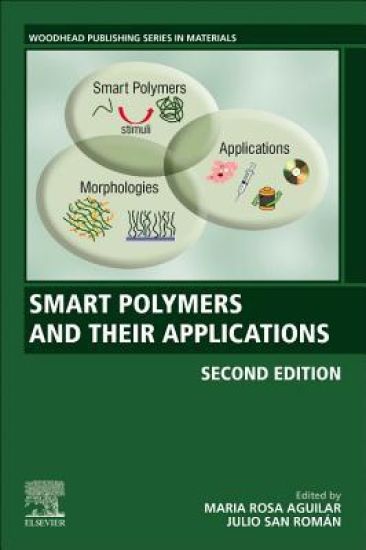
Smart Polymers and Their Applications
Smart Polymers and Their Applications, Second Edition presents an up-to-date resource of information on the synthesis and properties of different types of smart polymers, including temperature, pH, electro, magnetic and photo-responsive polymers, amongst others. It is an ideal introduction to this field, as well as a review of the latest research in this area. Shape memory polymers, smart polymer hydrogels, and self-healing polymer systems are also explored. In addition, a very strong focus on applications of smart polymers is included for tissue engineering, smart polymer nanocarriers for drug delivery, and the use of smart polymers in medical devices. Additionally, the book covers the use of smart polymers for textile applications, packaging, energy storage, optical data storage, environmental protection, and more. This book is an ideal, technical resource for chemists, chemical engineers, materials scientists, mechanical engineers and other professionals in a range of industries.
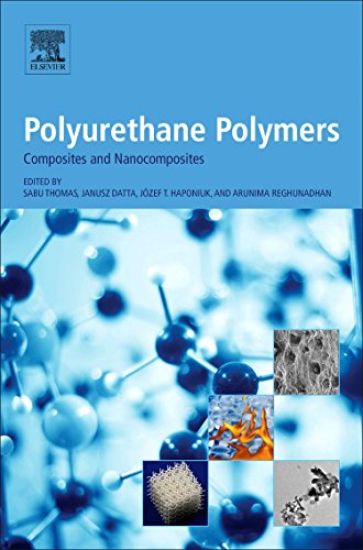
Polyurethane Polymers: Composites and Nanocomposites
Polyurethane Polymers: Composites and Nanocomposites concentrates on the composites and nanocomposites of polyurethane based materials. Polyurethane composites are a very important class of materials widely used in the biomedical and industrial field that offer numerous potential applications in many areas. This book discusses current research and identifies future research needs in the area.
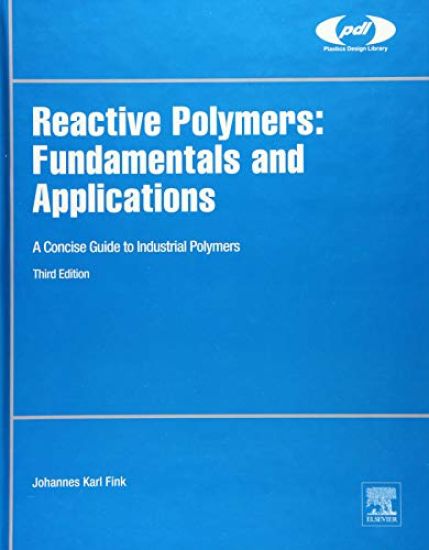
Reactive Polymers: Fundamentals and Applications

Reactive Polymers: Fundamentals and Applications

Johannes Karl Fink

William Andrew Publishing
2017
sidottu
Reactive Polymers: Fundamentals and Applications: A Concise Guide to Industrial Polymers, Third Edition introduces engineers and scientists to a range of reactive polymers and then details their applications and performance benefits. Basic principles and industrial processes are described for each class of reactive resin (thermoset), as well as additives, the curing process, applications and uses. The initial chapters are devoted to individual resin types (e.g., epoxides, cyanacrylates), followed by more general chapters on topics such as reactive extrusion and dental applications. Injection molding of reactive polymers, radiation curing, thermosetting elastomers, and reactive extrusion equipment are covered as well. The use of reactive polymers enables manufacturers to make chemical changes at a late stage in the production process, which, in turn, cause changes in performance and properties. Material selection and control of the reaction are essential to achieve optimal performance. Material new to this edition includes the most recent developments, applications and commercial products for each chemical class of thermosets, as well as sections on fabrication methods, reactive biopolymers, recycling of reactive polymers and case studies.
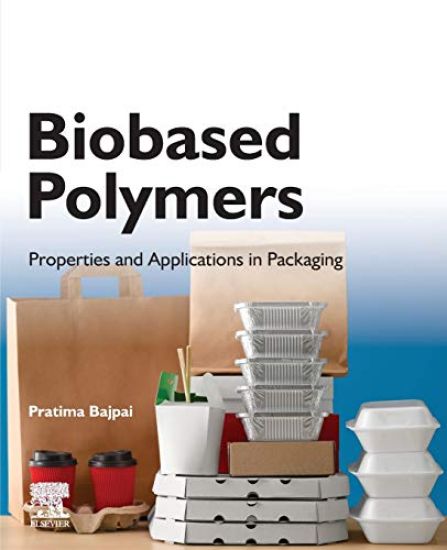
Biobased Polymers

Biobased Polymers

Pratima Bajpai

Elsevier Science Publishing Co Inc
2019
nidottu
Biobased Polymers: Properties and Applications in Packaging looks at how biopolymers may be used in packaging as a potential green solution. The book addresses bio-based feedstocks, production processes, packaging types, recent trends in packaging, the environmental impact of bio-based polymers, and legislative demands for food contact packaging materials. Chapters explore opportunities for biopolymers in key end-use sectors, the penetration of biopolymer based concepts in the packaging market, and barriers to widespread commercialization. As the development of bio-based material is an important factor for sustainably growing the packaging industry, these recent trends in consumer markets are extremely important as we move towards greener packaging. Hence, this resource is an invaluable addition on the topic.
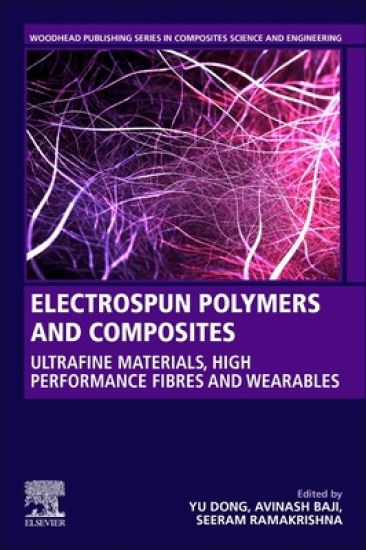
Electrospun Polymers and Composites
Electrospun Polymers and Composites: Ultrafine Materials, High Performance Fibres and Wearables reviews the latest technological developments and innovations in electrospun polymers and composites, highlighting the multifunctionality of these ultrafine materials as high performance fibers. The book's chapters investigate a wide range of different electrospinning applications, including drug delivery, tissue scaffolding, fiber reinforcement and nanofiltration, with a particular focus on shape memory effect and the wearable characteristics of electrospun polymers and composites. This will be a valuable reference resource for research and for industrial communities working in the field of electrospinning.
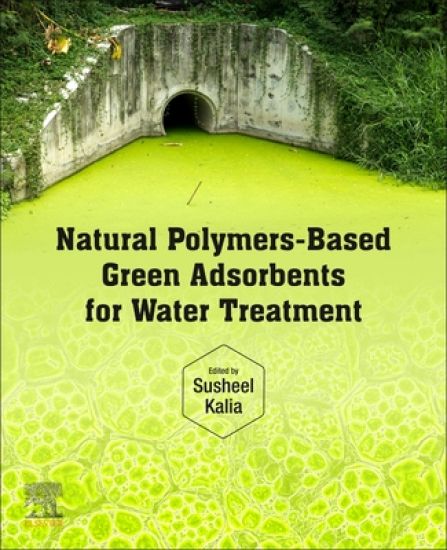
Natural Polymers–Based Green Adsorbents for Water Treatment
Natural Polymers-Based Green Adsorbents for Water Treatment focuses on the recent development of novel polymeric adsorbents that are green and eco-friendly or biodegradable in nature. The book reviews the synthesis, properties and adsorption applications of natural and green polymer-based adsorbents. It discusses adsorption processes in biopolymer systems, remediation technologies developed to remove environmental pollutants, the usage of natural polymer-based cost-effective and green novel adsorbent materials for the removal of organic and inorganic contaminants, and the efficiency of functionalized polymers, nanosorbents, hydrogels, composites, graft copolymers in the sorption of various pollutants from the environment as well as from the industrial effluents. Researchers working on environmental remediation need a single book, where all data on natural and green adsorbents for water treatment are discussed comprehensively. Natural Polymers-Based Green Adsorbents for Water Treatment addresses this need by providing world-wide leading experts’ observations and research. So, this book is a valuable reference for early-career scientist, academic researchers and graduate students in chemical engineering and material science.
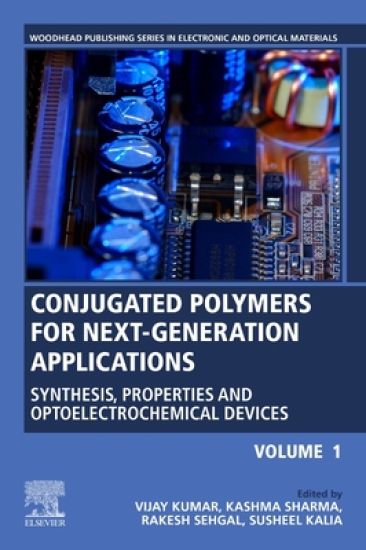
Conjugated Polymers for Next-Generation Applications, Volume 1
Conjugated Polymers for Next-Generation Applications, Volume One: Synthesis, Properties and Optoelectrochemical Devices describes the synthesis and characterization of varied conjugated polymeric materials and their key applications, including active electrode materials for electrochemical capacitors and lithium-ion batteries, along with new ideas of functional materials for next-generation high-energy batteries, a discussion of common design procedures, and the pros and cons of conjugated polymers for certain applications. The book’s emphasis lies in the underlying electronic properties of conjugated polymers, their characterization and analysis, and the evaluation of their effectiveness for utilization in energy and electronics applications. This book is ideal for researchers and practitioners in the area of materials science, chemistry and chemical engineering.
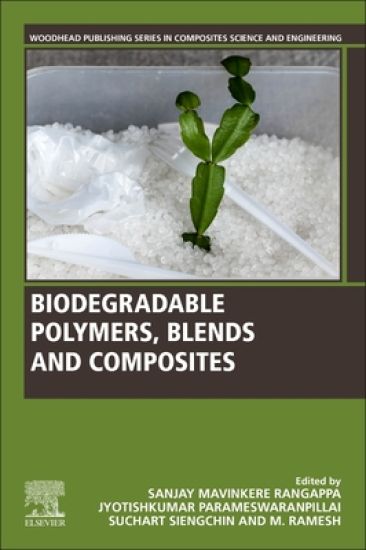
Biodegradable Polymers, Blends and Composites
Biodegradable Polymers, Blends and Composites provides a comprehensive review on recent developments in this very important research field. The book's chapters cover the various types of biodegradable polymers currently available and their composites, with discussions on preparation, properties and applications. Sections cover natural rubber-based polymer blends, soy-protein, cellulose, chitin, starch-based, PLA, PHBV, PCL, PVA, PBAT-based blends, Poly (ethylene succinate), PHB and Poly (propylene carbonates). The book will be a valuable reference resource for academic and industrial researchers, technologists and engineers working on recent developments in the area of biodegradable polymers, their blends and composites.
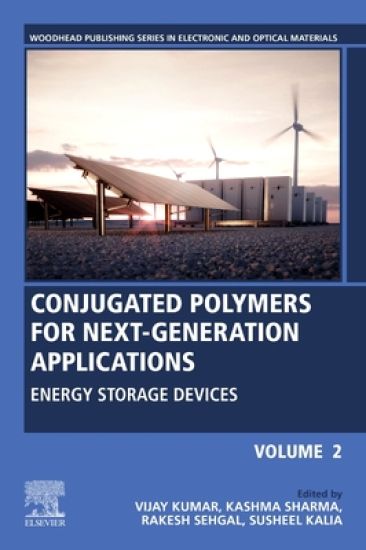
Conjugated Polymers for Next-Generation Applications, Volume 2
Conjugated Polymers for Next-Generation Applications, Volume Two: Energy Storage Devices describes the synthesis and characterization of varied conjugated polymeric materials and their key applications, including active electrode materials for electrochemical capacitors and lithium-ion batteries, along with new ideas of functional materials for next-generation high-energy batteries, a discussion of common design procedures, and the pros and cons of conjugated polymers for certain applications. The book’s emphasis lies in the underlying electronic properties of conjugated polymers, their characterization and analysis, and the evaluation of their effectiveness for utilization in energy and electronics applications. This book is ideal for researchers and practitioners in the area of materials science, chemistry and chemical engineering.
Inorganic Polymers

Inorganic Polymers

James E. Mark; Harry R. Allcock; Robert West

Oxford University Press Inc
2005
sidottu
Polymer chemistry and technology form one of the major areas of molecular and materials science. This field impinges on nearly every aspect of modern life, from electronics technology, to medicine, to the wide range of fibers, films, elastomers, and structural materials on which everyone depends. Although most of these polymers are organic materials, attention is being focused increasingly toward polymers that contain inorganic elements as well as organic components. The goal of Inorganic Polymers is to provide a broad overview of inorganic polymers in a way that will be useful to both the uninitiated and those already working in this field. There are numerous reasons for being interested in inorganic polymers. One is the simple need to know how structure affects the properties of a polymer, particularly outside the well-plowed area of organic materials. Another is the bridge that inorganic polymers provide between polymer science and ceramics. More and more chemistry is being used in the preparation of ceramics of carefully controlled structure, and inorganic polymers are increasingly important precursor materials in such approaches. This new edition begins with a brief introductory chapter. That is followed with a discussion of the characteristics and characterization of polymers, with examples taken from the field. Other chapters in the book detail the synthesis, reaction chemistry, molecular structure, and uses of polyphosphazenes, polysiloxanes, and polysilanes. The coverage in the second edition has been updated and expanded significantly to cover advances and interesting trends since the first edition appeared. Three new chapters have been added, focusing on ferrocene-based polymers, other phosphorous-containing polymers, and boron-containing polymers; inorganic-organic hybrid composites; and preceramic inorganic polymers.
Engineering Polymers

Engineering Polymers

R.W. Dyson

Kluwer Academic Publishers
1991
sidottu
In recent years various industries have demanded not only greater use of polymeric materials but also the development of polymeric materials with specific properties. Major users include the automotive and transport industries, electrical and electronics industries, and the packaging industry. Following the success of "Speciality Polymers", Dr Dyson's book provides an overview of the main types of polymeric materials used in engineering, and discusses their applications - both practical and potential.
Biomedical Polymers and Polymer Therapeutics

Biomedical Polymers and Polymer Therapeutics

Kluwer Academic/Plenum Publishers
2001
sidottu
Proceedings of the Third International Symposium on Frontiers in Biomedical Polymers including Polymer Therapeutics: From Laboratory to Clinical Practice, held May 23-27, 1999, in Shiga, Japan. This book focuses on the progress and unique discoveries in the interdisciplinary scientific and technological area of biomedical application of polymers. The topics include polymeric materials for biomedical and pharmaceutical applications, as well as polymeric materials in therapeutics.
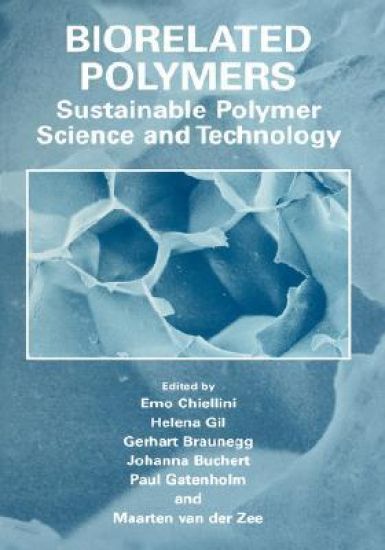
Biorelated Polymers

Biorelated Polymers

Kluwer Academic/Plenum Publishers
2001
sidottu
Application of polymers from renewable resources - also identified as biopolymers - has a large potential market due to the current emphasis on sustainable technology. For optimal R&D achievements and hence benefits from these market opportunities, it is essential to combine the expertise available in the vast range ofdifferent disciplines in biopolymer science and technology. The International Centre of Biopolymer Technology - ICBT - has been created with support from the European Commission to facilitate co­ operation and the exchange of scientific knowledge between industries, universities and other research groups. One of the activities to reach these objectives, is the organisation ofa conference on Biopolymer Technology. In September 1999, the first international conference on Biopolymer Technology was held in Coimbra, Portugal. Because of its success - both scientifically and socially - and because ofthe many contacts that resulted in exchange missions or other ICBT activities, it was concluded that a second conference on Biopolymer Technology was justified. This second conference was held in Ischia, Italy in October 2000. And again, the scientific programme contained a broad spectrum ofpresentations in a range of fields such as biopolymer synthesis, modification, technology, applications, material testing and analytical methods.
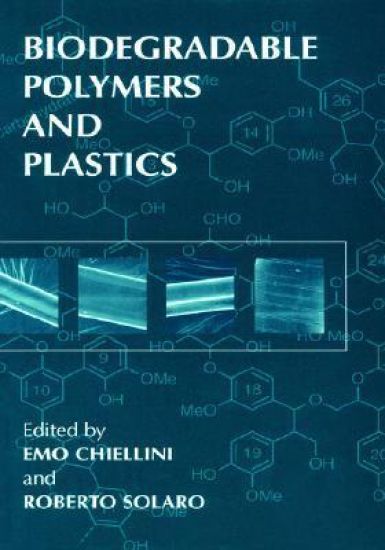
Biodegradable Polymers and Plastics

Biodegradable Polymers and Plastics

Kluwer Academic/Plenum Publishers
2003
sidottu
Synthetic and semi-synthetic polymeric materials were originally developed for their durability and resistance to all forms of degradation including biodegradation. Such materials are currently widely accepted because of their ease of processability and amenability to provide a large variety of cost effective items that help to enhance the comfort and quality of life in the modern industrial society. However, this widespread utilization of plastics has contributed to a serious plastic waste burden, and the expectation for the 21st century is for an increased demand for polymeric material. This volume focuses on a more rational utilization of resources in the fabrication, consumption and disposal of plastic items, specifically: -Environmentally Degradable Polymeric Materials (EDPs); -Water-soluble/Swellable Biodegradable Polymers; -EDPs from Renewable Resources; -Biopolymers; -Bioresorbable Materials for Biomedical Applications; -Biorelated Polymers; -Standards and Regulations on EDPs.
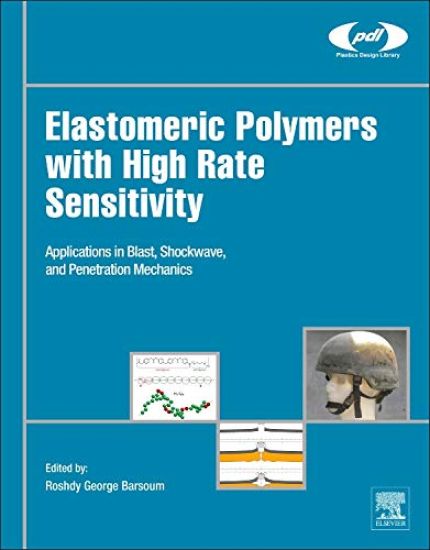
Elastomeric Polymers with High Rate Sensitivity

Elastomeric Polymers with High Rate Sensitivity

Roshdy George S Barsoum

William Andrew Publishing
2015
sidottu
Recent investigations into blast-resistant properties of polyureas and other multi-phase polymeric elastomers indicate that they can dissipate broad bands of frequencies such as those encountered in blast events. In this unique book, Elastomeric Polymers with High Rate Sensitivity, Dr. Roshdy Barsoum and expert contributors bring together the cutting-edge testing methodologies, material properties, and critical design data for engineers seeking to deploy this technology. Where conventional methods of resisting blast, shockwave, and penetration are expensive, time-consuming and impractical, high-strain rate elastomeric polymers (HSREP) can be cheaper, quicker, and more easily applied to new and old materials alike. This book aids both military and civilian engineers in a range of applications, from buildings and tunnels to lightweight armor, ships, and aircraft. The book features constitutive models for software developers designing with these advanced polymers, as well as a discussion of the mechanisms of interaction between high-strain rate polymers and other materials. It also thoroughly covers HSREP engineering methods to achieve other unique properties, such as fireproofing.
Renewable Polymers and Polymer-Metal Oxide Composites
Renewable Polymers and Polymer-Metal Oxide Composites: Synthesis, Properties, and Applications serves as a reference on the key concepts of the advances of polymer-oxide composites. The book reviews knowledge on polymer-composite theory, properties, structure, synthesis, and their characterization and applications. There is an emphasis on coupling metal oxides with polymers from renewable sources. Also, the latest advances in the relationship between the microstructure of the composites and the resulting improvement of the material’s properties and performance are covered. The applications addressed include desalination, tissue engineering, energy storage, hybrid energy systems, food, and agriculture. This book is suitable for early-career researchers in academia and R&D in industry who are working in the disciplines of materials science, engineering, chemistry and physics.
Natural Polymers in Wound Healing and Repair

Natural Polymers in Wound Healing and Repair

Elsevier - Health Sciences Division
2022
nidottu
Natural Polymers in Wound Healing and Repair: From Basic Concepts to Emerging Trends presents comprehensive coverage on the development and application of natural polymers in wound healing and repair, including fundamental concepts, traditional approaches, cutting-edge methods and emerging trends. The application of natural polymers has evolved from their use in the simplest wound management material, to drug eluting matrices, to cell-laden constructs, and to 3D bio-printed skin equivalents. This book reflects the remarkable progress that has been made in recent years in this innovative field. This is an essential resource for researchers, scientists, and advanced students across polymer science, biomaterials, bio-based and sustainable materials, biomedicine, biomedical engineering, pharmaceuticals, and materials science and engineering. It will also be valuable to R&D professionals, scientists, technologists and all those working in a medical setting who are interested in the latest developments in advanced materials for wound management, healing and repair.