On entend dire que... l' cologie c'est fini. Qu'en pensent les conomistes en France et ailleurs ? Le tour du sujet en 136 pages. L'auteur nous dira si c'est plut t vrai ou pas, apr s avoir honn tement pes les arguments des deux th ses en pr sence. Au-del des chiffres, il s'agit d'un des d fis majeurs du XXIe si cle relever.
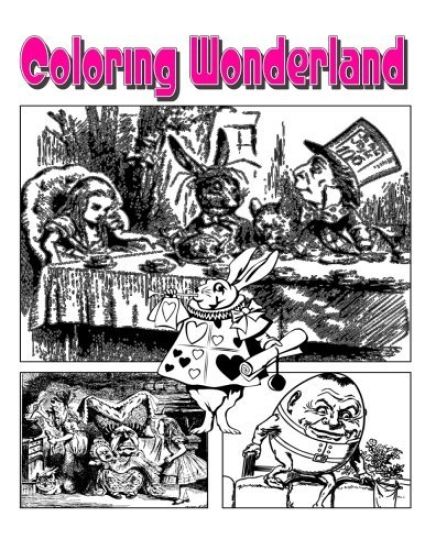
Alice im Wunderland f r die Kleinen Lass dein Kind in die magische Welt von Alice eintauchen mit Alice f r die Kleinen, einer bezaubernden Adaption speziell f r Kinder ab 4. Begleite Alice, wenn sie in den Kaninchenbau hinabsteigt und in ein skurriles Wunderland voller sprechender Tiere, kurioser Abenteuer und farbenfroher Figuren ger t. Mit seinen bezaubernden Illustrationen und der vereinfachten Sprache ist dieses Buch der perfekte Weg, um die Fantasie und die Freude am Geschichtenerz hlen bei den j ngsten zuk nftigen Lesern zu wecken.
Jean Cadoret, jeune citadin, hérite de la vieille ferme de son oncle et décide de venir s’y installer avec sa femme Aimée, chanteuse d’opéra et leur fille Manon. Alors commence l’histoire de son combat pour survivre dans un village où les gens n’acceptent pas facilement les « étrangers » et où ils n’oublient jamais le passé. Easy Readers er bearbejdede og forkortede udgaver af romaner og noveller. De findes på niveau A, B, C og D, hvor A er lettest. Niveauerne relaterer til Common European Framework of Reference for Languages (level A2 til B2).
Niniejsza publikacja dotyczy konfrontacji dzialalności artystycznej z prawem konkurencji. Polączenie prawa konkurencji i kreatywności może okazac się problematyczne pod wieloma względami. Należy jednak znaleźc rozwiązania, ponieważ dzialalnośc artystyczna boryka się z niezwykle r żnorodnymi kwestiami konkurencyjnymi o charakterze czysto ekonomicznym, na kt re prawo wlasności intelektualnej nie zawsze jest w stanie odpowiedziec. Niniejsze opracowanie stanowi zatem pr bę określenia, w jaki spos b prawo konkurencji może wspierac i chronic dzialalnośc artystyczną oraz francuską wyjątkowośc kulturową w czasach, gdy nowe technologie ulatwiają ich globalną dystrybucję.
Họ đang ở tr n c ng của một cầu thang v tiếng lạch cạch của đ khi n di chuyển trở lại vị tr ph a sau họ vang vọng qua một v ng vịnh dường như v tận. Nhưng điều đ cũng đ ng như bi n ni n sử đ n i v Varta kh ng hề sợ h i. Họ đ đi xuống n i bao l u v xa hơn nữa l v o tử cung của ch nh Erb, Varta kh ng bao giờ biết được. Nhưng, khi đ i ch n mỏi nhừ v c biết cơn đ i thực sự, họ đi v o một lối đi kết th c trong một căn ph ng rỗng bằng đ rắn. V ở đ , được bảo quản trong chiếc rương m những người đ n ng sinh ra trong thời trẻ của Memphir đ đặt ch ng, Varta nhận thấy rằng thứ sẽ giữ c an to n tr n con đường c phải đi. C ấy bỏ những tấm lụa mịn sang một b n, chiếc b nh đựng đồ trang sức, vốn l huy hiệu của sự phục vụ của Asti v vẽ l n cơ thể trần truồng của m nh một bộ đồ da vảy, được đ nh đ qu v lấp l nh dưới tia nắng mặt trời nhỏ. C một chiếc mũ tr m đầu để che to n bộ đầu, găng tay c m ng cho b n tay, c m ng, lớp phủ c m ng vuốt cho b n ch n - như thể da của một con thằn lằn giống người khổng lồ đ được thuộc da v tạo kiểu cho bộ đồ n y. V Varta nghi ngờ rằng điều đ c thể l như vậy - thế giới Erb kh ng phải l c n o cũng chỉ c lo i người nắm giữ.
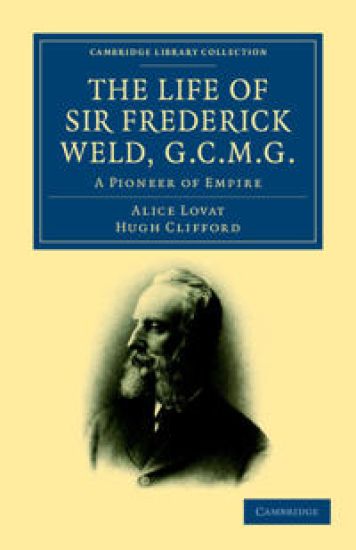
Written in 1914 by Alice, Lady Lovat (1846–1938), a cousin, this biography of Sir Frederick Aloysius Weld (1823–91) is characterised by its subtitle, 'a pioneer of empire'. The young Weld emigrated to New Zealand with a cousin to establish sheep stations. Entering politics, he became Minister for Native Affairs and then Premier; his Native Rights Act of 1865 redressed many of the grievances which had led to the Maori Wars. In 1868 he was appointed Governor of Western Australia, where he brought in a degree of representative government and helped develop the telegraph and transport infrastructure. In 1874 he became Governor of Tasmania, and in 1880 was promoted to the Straits Settlements, where his period as a colonial administrator was notable for the increase of British influence among the princely rulers of the Malay States. Retiring in 1887 for health reasons, he died in England in 1891.
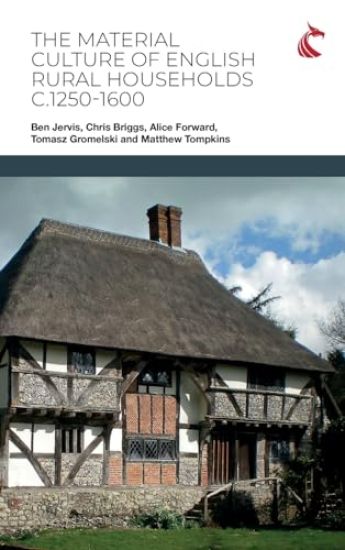
This book presents a synthesis and analysis of the possessions of non-elite rural households in medieval England. Drawing on the results of the Leverhulme Trust funded project 'Living Standards and Material Culture in English Rural Households, 1300-1600', it represents the first national-scale interdisciplinary analysis of non-elite consumption in the later Middle Ages. The research is situated within debates around rising living standards in the period following the Black Death, the commercialisation of the English economy and the timing of a 'revolution' in consumer behaviour. Its novelty derives from its focus on non-elite rural households. Whilst there has been considerable work on the possessions of the great households and those living in larger towns, researchers have struggled to identify appropriate sources for understanding the possessions of those living in the countryside, even though they account for the majority of England's population at this time. This book will address the gap in understanding.The study combines 3 sources of data to address 2 questions: what goods did medieval households own, and what influenced their consumption habits? The first is archaeological evidence, comprising 14,706 objects recovered from archaeological excavations. The book synthesises this data, much of which is unpublished and therefore inaccessible to researchers. The second dataset derives from lists of the seized goods of felons, outlaws and suicides collated by the Escheator, a royal official, in the 14th and 15th centuries. The work of the Escheator is not well understood, but these lists, relating to some of the poorest people in medieval society (for whom traditional sources such as wills and probate inventories do not exist), provide new insights into the living standards of rural households. The lists typically detail and value the possessions of a household, meaning that it is possible to present a quantitative analysis of non-elite consumption for the first time. The final dataset draws on equivalent lists generated by the Coroner for the 16th century. An interdisciplinary approach is essential, as many objects identified archaeologically do not occur in the written records, and goods such as textiles do not survive in the ground. Drawing these sources together therefore allows the presentation of a more comprehensive analysis of the possessions of medieval households.The introduction lays out the research context in a manner accessible to historians and archaeologists who may not be familiar with work in each other's disciplines. This is followed by a brief summary of the research methodology and the sources underpinning the research. The next 5 chapters focus on addressing the question of what medieval households owned, discussing the evidence for kitchen equipment, tableware, furniture, clothing and personal items. The following 3 chapters discuss household economy, considering the evidence for the production of goods, variation in consumption between town and country and variation in accordance with wealth, firstly through the consideration of these themes at the national scale and secondly through a regional case study focussed on Wiltshire, which has particularly rich archaeological and documentary sources. The volume closes with a concluding chapter which places the research back into its wider context.
A Memoir of Sir John Drummond Hay, P.C., K.C.B., G.C.M.G. - sometime minister at the court of Morrocco is an unchanged, high-quality reprint of the original edition of 1896. Hansebooks is editor of the literature on different topic areas such as research and science, travel and expeditions, cooking and nutrition, medicine, and other genres. As a publisher we focus on the preservation of historical literature. Many works of historical writers and scientists are available today as antiques only. Hansebooks newly publishes these books and contributes to the preservation of literature which has become rare and historical knowledge for the future.
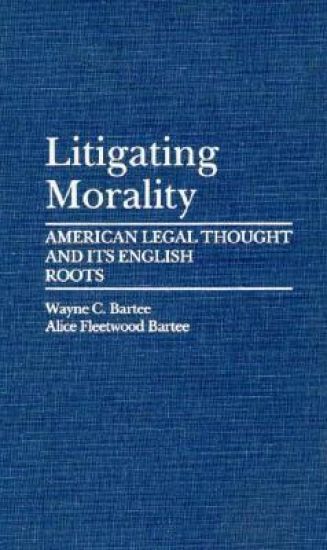
This volume is a thematic study in legal history that uses past and present landmark court cases to analyze the legal and historical development of moral regulatory policies in America and resulting debates. Using a critical variable approach, the book demonstrates how different elements of the legal process have historically influenced the litigation of various moral issues. Five moral policies are included: abortion, sodomy, pornography, criminal insanity, and the death penalty. The book's framework for analysis uses examples from English legal history and links them to American cases, demonstrating how moral regulatory policies are impacted by the legal process: by laws, by judges and juries, by legal scholars, and by attorneys.Following a brief introduction, Chapter 1 examines how protagonists in the bitter moral and legal controversy over abortion in America have sought to fortify their positions with the views of prominent English legal authorities. The authors discuss the role of English legal scholars in court opinion and oral arguments in Webster and in Roe v. Wade, and debates Roe's interpretation of the English legalists. Chapter 2 describes how attempts to expand a right of privacy under the federal Constitution to include sodomy failed the test for common law rights (Rights of Englishmen) in Bowers v. Hardwick (1986), and includes a history of sodomy in early English and American law. Chapter 3 discusses pornography standards and laws, highlighting the history of legal actions taken against Memoirs of a Woman of Pleasure in both England and the U.S., demonstrating the role of precedent in American judicial efforts to define pornography. In Chapter 4, which deals with the criminal insanity defense, the influential role of the defense attorney on case outcomes is illustrated in cases such as England's McNaughton case (1843) and America's Hinckley case (1982). Chapter 5 deals with cruel and unusual punishment throughout U.S. and English history. The book ends with an epilogue which ties together the idea of the American legal process as an inherited English process, reiterating how decisionmakers continually mine the past to find traditions and sources of moral values for justifying or criticizing current laws and policies.
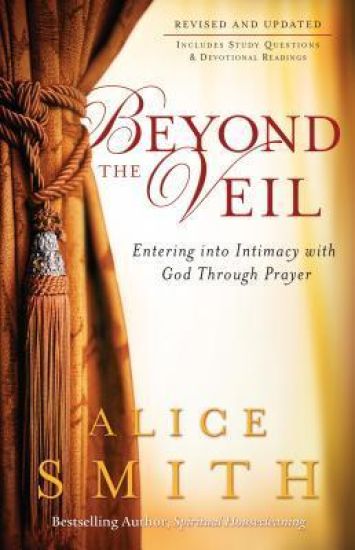
As the worldwide prayer movement continues to flourish, never before have so many Christians from so many faith traditions joined together to intercede for so long--in their homes, in their churches, in their communities. As the prayer movement continues to explode, leaders emerge to give guidance to the growing number of intercessors . . . and Alice Smith is at their forefront, leading the leaders who have lifted the banner of passionate, effective intercessory prayer for this generation and the next. In Beyond the Veil, Smith proclaims God's call for His people to pray and shares what she has learned on her own journey toward deeper intimacy with God through prayer. Whether readers are new to intercession or are veteran prayer warriors, they will discover sound, biblical methods for binding the enemy and loosing the Holy Spirit in their families, churches, and nations. Each chapter includes questions and prayer exercises, with a corresponding devotional to bring the principles of intercession to life, making Beyond the Veil the essential guidebook for the prayer revival that is sweeping the globe.
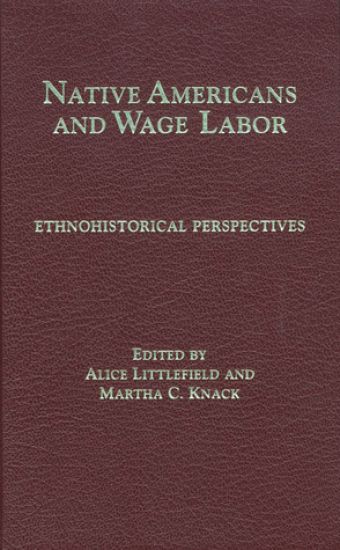
Native Americans and Wage Labor: Ethnohistorical Perspectives presents historical evidence that wage labor was prevalent among Native Americans.In this timely collection of essays, leading ethnographers and ethnohistorians, as well as innovative younger scholars, present field and primary historical evidence that wage labor was a significant American Indian economic adaptation as early as the seventeenth century in some areas and was common in many U.S. indigenous communities by the late nineteenth century.These well-written, well-documented case studies form a concrete picture of Indian dependence on wage labor from Maine to California and of Native Americans' place in the capitalist system.