On a hillside near Ballachulish in the Scottish Highlands in May 1752 a rider is assassinated by a gunman. The murdered man is Colin Campbell, a government agent travelling to nearby Duror where he’s evicting farm tenants to make way for his relatives. Campbell’s killer evades capture, but Britain’s rulers insist this challenge to their authority must result in a hanging. The sacrificial victim is James Stewart, who is organising resistance to Campbell’s takeover of lands long held by his clan, the Appin Stewarts. James is a veteran of the Highland uprising crushed in April 1746 at Culloden. In Duror he sees homes torched by troops using terror tactics against rebel Highlanders. The same brutal response to dissent means that James’s corpse will for years hang from a towering gibbet and leave a community utterly ravaged. Introducing this new and updated edition of his account of what came to be called the Appin Murder, historian James Hunter tells how his own Duror upbringing introduced him to the tragic story of James Stewart.
Un tuor virtuale ricco di fotografie alla scoperta dei misteri, delle leggende, della storia, dell'arte e della cultura lungo la via Appia Antica a Roma. Accompagnati passo dopo passo con descrizioni fedeli e dettagliate dei luoghi e illustrate con ottime fotografie a colori. Il libro, il quinto della collana Vivere Roma, ci porta indietro nel tempo di secoli alla scoperta di sepolcri, mausolei, zone archeologiche, manufatti, catacombe, basiliche, terme, circhi e tant'altro che ancora costellano la via Appia Antica nel tratto urbano che va da Porta San Sebastiano fino all'area di Capo di Bove. Inoltre per coloro che non possono venire a Roma, descrive in grandi linee e con fotografie il tratto che va da Capo di Bove fino a Tor Carbone. Il libro poi fornisce informazioni utili sugli orari e le modalit di visita e come raggiungere la zona con i servizi di trasporto pubblico. Una passeggiata da compiere tra le pagine del libro, in uno o pi giorni oppure venendo di persona a piedi o in bicicletta. Per coloro che vogliono realizzare questa escursione in loco, si rivela una fonte inesauribile e affidabile d'informazioni. Per coloro che non vengono a Roma di persona, si rivela come un magnifico tour virtuale da compiere stando comodamente seduti in poltrona.
Rapport de M. le pasteur Appia, directeur de l'ambulance des diaconesses de Paris de 1870 a 1871, au Comite evangelique auxiliaire de secours aux soldats blesses ou maladesDate de l'edition originale: 1871Ce livre est la reproduction fidele d'une oeuvre publiee avant 1920 et fait partie d'une collection de livres reimprimes a la demande editee par Hachette Livre, dans le cadre d'un partenariat avec la Bibliotheque nationale de France, offrant l'opportunite d'acceder a des ouvrages anciens et souvent rares issus des fonds patrimoniaux de la BnF.Les oeuvres faisant partie de cette collection ont ete numerisees par la BnF et sont presentes sur Gallica, sa bibliotheque numerique.En entreprenant de redonner vie a ces ouvrages au travers d'une collection de livres reimprimes a la demande, nous leur donnons la possibilite de rencontrer un public elargi et participons a la transmission de connaissances et de savoirs parfois difficilement accessibles.Nous avons cherche a concilier la reproduction fidele d'un livre ancien a partir de sa version numerisee avec le souci d'un confort de lecture optimal. Nous esperons que les ouvrages de cette nouvelle collection vous apporteront entiere satisfaction.Pour plus d'informations, rendez-vous sur www.hachettebnf.fr
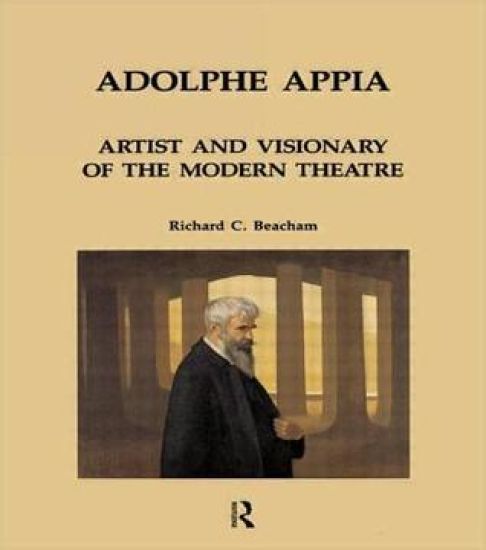
This account, analysis and critical evaluation of the work of Appia demonstrates how his far-sighted imagination also embraced the fundamental reform of scenic design, the use of theatrical space, and a greatly expanded conception of the nature and possibilities of theatrical art.
This paperback deals with the appliances that accompany our home life. They are a source of comfort, make our lives easier, yet also contribute seriously to environmental pollution and energy consumption. Since we are necessarily eco-friendly, we want our personal comfort to comply with green goals. In the book we will go through this objective, ultimately reaching a solution that consists in the social management of our appliances. It's a solution that: i. adapts to the preferences of the individual homemakerii. harmonizes environment goals with those of inhabitantsiii. triggers new opportunities for appliance manufacturers and maintainersiv. establishes a new saddle point between individuals and municipal governors
All the functional appliances have been designed to treat all types of malocclusion, they are most effective in treating dental and skeletal class II malocclusion, particularly in cases with mandibular deficiency. The goal of myofunctional appliances is to use functional stimulus, channeling it to the greatest extent that the tissues, jaws, condyles and teeth allow.The age at which functional appliance therapy is instituted is of major importance for the successful correction of malocclusions. Functional appliance treatment should be coincident with periods of active growth. Most agree that it should be initiated during the middle to late mixed dentition i.e. at the age of 9 to 12 years. It can also be used earlier if the patient can cooperate in wearing the appliance. Myofunctional appliances can be seen as an exerciser for elimination of habits that may cause malocclusion or as appliances helping orthodontic treatments and they should be given at the right age, so the maximum utility of the growth can be achieved. This book will help in understanding the fabrication, function, mechanism of action and effect of myofunctional appliances.