The 18th century was a wealth of knowledge, exploration and rapidly growing technology and expanding record-keeping made possible by advances in the printing press. In its determination to preserve the century of revolution, Gale initiated a revolution of its own: digitization of epic proportions to preserve these invaluable works in the largest archive of its kind. Now for the first time these high-quality digital copies of original 18th century manuscripts are available in print, making them highly accessible to libraries, undergraduate students, and independent scholars.Western literary study flows out of eighteenth-century works by Alexander Pope, Daniel Defoe, Henry Fielding, Frances Burney, Denis Diderot, Johann Gottfried Herder, Johann Wolfgang von Goethe, and others. Experience the birth of the modern novel, or compare the development of language using dictionaries and grammar discourses. ++++The below data was compiled from various identification fields in the bibliographic record of this title. This data is provided as an additional tool in helping to insure edition identification: ++++British LibraryT131931London: printed for the translator: sold by H. Payne; C. Dilly; and T. Evans, 1780. 4v.; 8
The 18th century was a wealth of knowledge, exploration and rapidly growing technology and expanding record-keeping made possible by advances in the printing press. In its determination to preserve the century of revolution, Gale initiated a revolution of its own: digitization of epic proportions to preserve these invaluable works in the largest archive of its kind. Now for the first time these high-quality digital copies of original 18th century manuscripts are available in print, making them highly accessible to libraries, undergraduate students, and independent scholars.This collection reveals the history of English common law and Empire law in a vastly changing world of British expansion. Dominating the legal field is the Commentaries of the Law of England by Sir William Blackstone, which first appeared in 1765. Reference works such as almanacs and catalogues continue to educate us by revealing the day-to-day workings of society.++++The below data was compiled from various identification fields in the bibliographic record of this title. This data is provided as an additional tool in helping to insure edition identification: ++++British LibraryT117256London: printed for J. Thompson; and may be had at the pamphlet shops sic], and of the news sellers, 1746?]. 24p.; 8
The 18th century was a wealth of knowledge, exploration and rapidly growing technology and expanding record-keeping made possible by advances in the printing press. In its determination to preserve the century of revolution, Gale initiated a revolution of its own: digitization of epic proportions to preserve these invaluable works in the largest archive of its kind. Now for the first time these high-quality digital copies of original 18th century manuscripts are available in print, making them highly accessible to libraries, undergraduate students, and independent scholars.The Age of Enlightenment profoundly enriched religious and philosophical understanding and continues to influence present-day thinking. Works collected here include masterpieces by David Hume, Immanuel Kant, and Jean-Jacques Rousseau, as well as religious sermons and moral debates on the issues of the day, such as the slave trade. The Age of Reason saw conflict between Protestantism and Catholicism transformed into one between faith and logic -- a debate that continues in the twenty-first century.++++The below data was compiled from various identification fields in the bibliographic record of this title. This data is provided as an additional tool in helping to insure edition identification: ++++British LibraryT133206Vertical chain lines. Pp.153-154 misnumbered 153-152.Edinburgh: printed by W. Cheyne, for Samuel Graham bookbinder, and sold by him and the booksellers in town and country, 1749. 6],18, 2],152 i.e.154]p.; 12
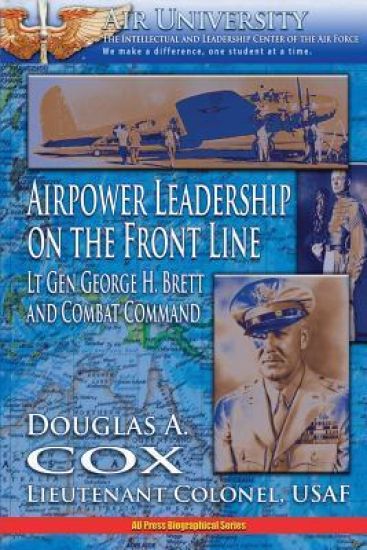
With Airpower Leadership on the Front Line: Lt Gen George H. Brett and Combat Command, Douglas Cox makes a singular contribution to American airpower biography. Books abound on personalities that reach high rank and whose careers culminate in great success. These studies often glean keen insight about leadership style, and some are vocationally valuable as examples of effective command. But the analysis of history's great winners yields something less than a full dimensional sense of leader- ship. The examination of those men and women who do not quite reach exalted status can flesh out the lessons of effective leadership. This is what Cox does here. George H. Brett certainly reached high rank, and only the most cynical and uninformed observer would judge his career a failure. Yet World War II did not propel him along the same career trajectory of a Curtis LeMay or a Hoyt Vandenberg or a Jimmy Doolittle. Why? For all kinds of reasons; some of which were good, some bad, some within Brett's control, and others entirely outside his purview. Through a careful examination of primary and secondary sources, as well as his own acumen as a sharp officer, Cox uses Brett's life to illuminate those factors that at first sped Brett through the ranks and then those variables that appeared to block his further advancement. Cox reminds us of what we often know intuitively but often for- get intellectually: that success has many fathers, including personal luck and fortuitous circumstance. Airpower Leadership on the Front Line pulls no punches regarding Brett's limitations, but it also acknowledges broader factors at play in his career. In the end, Cox delineates those factors that make for successful leaders; and, more importantly, suggests which among those variables are within a person's control and hence worthy of attention and energy. As much as studies of commanders who grabbed the brass ring, this examination of George H. Brett adds Insight into the makings of effective leadership and successful command.
It has been said that 1 out of 4 Women have been Sexually Assaulted at one Time or another in "The Divided States of United Lies," Book 058, if not Raped or Abused in some other Way: beCause of any Number of Reasons; but, mostly beCause of being Taught Bad Manners by a Perverted Culture, which Glorifies SEX and the Love of Money - from Movies to Billboards, from Magazines to the Sales of Cars - it is all Designed by Capitalists to get more Money into their Pockets, Legally. Meanwhile, X-amount of Women and Men get Abused, and no one gets any True Justice: beCause, "Truths have Fallen in the Streets, and Justice has been Trampled on," to put it in Biblical Terms. However, the Selected King of The Worldwide People's Revolution (R), has a Guaranteed Remedy, which is to provide a Way for all Honest Hardworking Men and Humble Submissive Women to become Moderately RICH, without Telling any Lies nor Selling any Capitalist Trash, which will Require Millions of Trillions of Dollars to get the Job Done; but, there is NO LACK of the Necessary Money to get it Done: beCause that is the Purpose for Establishing "The New RIGHTEOUS One-World Government," Book 056, which has an Unlimited Supply of GOOD Money, which must be Earned by Honest Labor, by "Seven Great Armies of Working Soldiers," who will be very Happy to Work according to "A List of FAIR Swanky Wages," Book 065, in order to Build those "Beautiful Swanky PALACES," Book 066, for themselves and their Lovable Wives and Blest Children, who will not have to Do anything: beCause Mechanical Slaves will be doing most of the Difficult Work, which will be Operated by those Young Men who Want to become Moderately RICH, who will not be Enticed nor Encouraged to BUY their own Trillion-dollar Palaces: beCause they could never Afford them, and would certainly not Want to make Eternal Slaves of themselves, just to Own them, when no Ownership Nonsense is Necessary to Live a Healthy Happy Life, which is Proven by the Multitudes of Wild Animals, who Own nothing, and are almost all Healthier and Happier than most People. Therefore, this is a Revolutionary Idea, to be Sure; but, it is not Outside of the Bounds of Reason nor Logic. In Fact, it is the one and only Practical Way for ALL WOMEN to get True Justice without getting Divorced from God: beCause the whole Idea is Ordained by God, himself {See: "The New MAGNIFIED Version of the Book of ACTS " (The Understandable Version of the ACTS of the Apostles in Plain English ) By The Worldwide People's Revolution (R) Book 063.} Therefore, this is no Joke. It is now Time for a Worldwide People's REVOLUTION, which Calls for the Overthrow of Wickedness in High Places, whereby the Education Slaves, Work Slaves, Tax Slaves, Insurance Slaves, Interest Slaves, Credit Card Debt Slaves, Rent Slaves, Transportation Bills Slaves, ElecTrickery Bills Slaves, Food Bills Slaves, Gas Bills Slaves, Water Bills Slaves, Repair Bills Slaves, Childcare Bills Slaves, Sex Slaves, Entertainment Bills Slaves, and all other Kinds of SLAVES can be Liberated with a Capital L, if they are Interested in True Freedom with a Capital T and F, whereby they can Obtain True Justice for ALL People's, Worldwide Therefore, even if you are not Personally Interested in any such Freedoms from all Forms of Slavery, perhaps you know of someone who is, who might Love this Wonderful Book, which is Inspired by the God of JUSTICE Yes, just take a Good Look Inside of the Book for yourself, and thus Discover the Truths that can Set you Free
Sudoku er ikke kun for personer som elsker tall og matematikk. Hvem som helst kan lære seg å løse sudoku på alle nivåer. Påskesudoku viser deg hvordan.Påskesudoku har 100 nye brett – 20 lette, 25 middels, 25 vanskelige, 25 ekstra vanskelige og 5 brett for deg som ønsker noe djevelsk vanskelig. Alle brettene har bare én mulig løsning, som du finner fram til ved hjelp av logisk resonnement. Boka har innledende sider som beskriver lønnsomme metoder til alle kategoriene. Løsning på brettene finner du bakerst i boka. Løs et kjapt brett mens pastaen koker, eller forsøk deg på et av de vanskelige mens du venter på at påskelammet skal bli akkurat passe rosa. Her er talltrimmen som gir hjernetrim!Hanne McBride har fått æren av å ha introdusert sudoku i Norge, det japanske tallbrettet som utfordrer logikken din. Nå er hun tilbake med ny sudokubok for deg som må ha din daglige sudoku.
‘A cracking cookbook bursting with delicious plant-based recipes’ BOSH! ‘Brett’s new book is brill! We’ve cooked a couple of the recipes and they were absolutely delicious.’ The Happy Pear ‘This is the guy who got me in to vegan food!’ Miguel Barclay, One Pound Meals What do Vegans Eat? The mystery is there is no mystery, from comforting Italian dishes to Sunday Roasts and Simple Suppers – vegans can have it all! So, whether you’re giving Veganuary a go, cooking for a vegan friend, or simply cutting back on meat and dairy, look no further! Discover what vegans eat: everyday for breakfast, lunch and dinner; on-the-go; with their gang; for special occasions; to feed a crowd; and for treats! This book will also hold your hand as you take your first vegan steps; show you how to stock up on the basics; and teach you quick tricks to ensure you never go hungry even when your cupboards feel bare. Dig in to discover your new go-to dishes, including: Pancake stacks PB&J Soaked Oats Epic Bruschetta Spicy Bean Sub Sandwich Arancini with Arrabiata Sauce Warm Asparagus Salad Italian Flag Lasagne Mexican Pizza White Wine & Pesto Gnocchi Gourmet Gratin Thai Curried Tofu Skewers Oreo Mousse Blueberry and Lemon Drizzle Cake Brett Cobley’s (@EpiVegan) mouth-watering recipes – loved by his 60k Instagram followers – celebrate flavour, ingredients, the joy of cooking and, most importantly, eating!
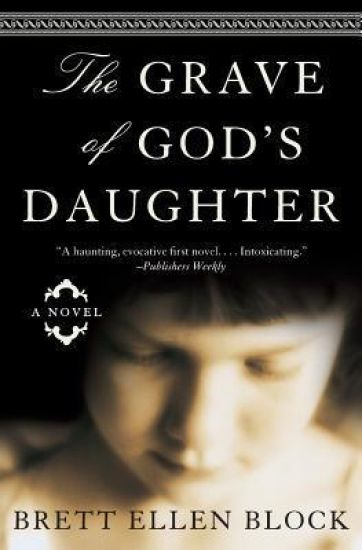
When the discovery of a dangerous secret about a priest's death results in the demise of a local woman, the immigrant steel mill community of Hyde Bend erupts in fear and suspicion, a situation that forces a young girl to confront her family and beliefs. By the author of Destination Unknown. A first novel. Reader's Guide available. Reprint. 15,000 first printing.
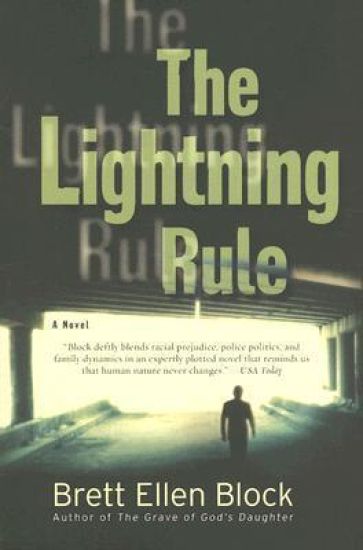
They say lightning never strikes the same spot twice. Detective Martin Emmett is about to prove the exception to the rule. It is the summer of 1967 and a heat wave is bringing Newark, New Jersey's simmering racial tensions to a boiling point. Banished to desk duty, his career on the line, Emmett is offered a chance at professional redemption if he can quickly and quietly solve the murder of a black teenage boy whose mutilated body has been found in a subway tunnel. But Emmett discovers that the teen is a victim of a sadistic predator who abducts boys to use as prey in a twisted game of cat and mouse. While the riots engulf Newark, crippling the city with chaos, Emmett must track down the killer before the next hunt begins.
Game of Shadows meets Among the Thugs in this revelatory true-to-life crime thriller and expose involving greed, corruption, an Asian crime syndicate, and the fixing of international soccer matches at the highest levels of the game, including the UEFA Champions League and the World Cup.In February 2013, the director of Europol, the European Union's law enforcement agency, made the shocking announcement that 700 international soccer matches had been fixed since 2008, including World Cup qualifying and exhibition matches, with a Chinese criminal syndicate pulling the strings. For the first time, investigative journalist Brett Forrest takes us inside the underworld of one of organized crime's most profitable businesses--a $1 trillion annual international betting market, of which soccer comprises 70 percent. Forrest uncovered a web of nefarious dealings across the world, even on U.S. soil. As he found, no match is safe--not even the World Cup tournament--and law enforcement officials lack the resources to stop it. But one man has taken this criminal enterprise on: Chris Eaton, former head of security for FIFA. Now with the International Center for Sports Security in Qatar, this rough and tumble Australian and longtime Interpol cop has tracked down some of the biggest fixers and their financial backers and continues his mission to clean up the world's most popular sport.Filled with headline making revelations, The Big Fix is must reading for soccer fans and true crime aficionados.
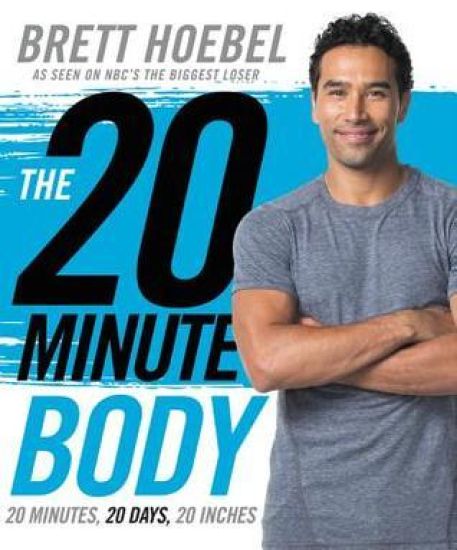
The former Biggest Loser star and celebrity trainer presents a high intensity workout and eating plan that delivers big results in just 20 minutes a day. From his days as a trainer on The Biggest Loser, Bret Hoebel knows that when people log hours on a treadmill, they'll lose weight. But he also knows that most of his clients don't have the schedule or the desire to spend that much time at the gym. And the truth is-the number of minutes you spend working out isn't the key to weight loss: intensity is. Time and again, Brett meets clients who've been making the same mistakes-not only are they focused on the clock, but they're also concentrating on fat burn and pounds lost as markers of success. And with a fat-first focus on losing weight, plateaus come quickly and often. But it's not about fat, it's about muscle. In The 20-Minute Body, Brett explains why the key to long-term weight loss is building muscle. The more lean muscle your body has, the more calories your body will burn at rest. Metabolic muscle is the secret to fast metabolism. And all you need is 20 minutes a day to create it. Additionally, when you focus on inches, not pounds, you'll find that you fit into your clothes better and love the shape of your body. Weight is misleading-muscle weighs more than fat, but it takes up far less room. So throw away the scale and invest in a tape measure to track your success. The 20-Minute Body will help you lose 20 inches-from around your stomach, hips, thighs, and arms-in just 20 days. All it takes is 20 minutes of exercise, paired with 20-minute meals that are focused on nutrient quality, not calorie counts. Brett offers readers sample meal plans and recipes for meals, snacks, and desserts the whole family will love-all of which can be thrown together in 20 minutes or less.
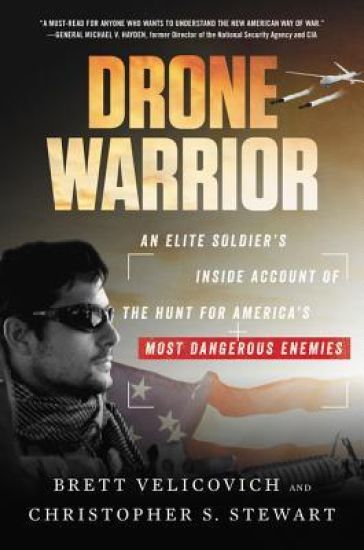
“A must read for anyone who wants to understand the new American way of war.” — General Michael V. Hayden, former Director of the Central Intelligence Agency and the National Security Agency A former special operations member takes us inside America’s covert drone war in this headline-making, never-before-told account for fans of Zero Dark Thirty and Lone Survivor, told by a Pulitzer Prize-winning Wall Street Journal writer and filled with eye-opening and sure to be controversial details.For nearly a decade Brett Velicovich was at the center of America’s new warfare: using unmanned aerial vehicles—drones—to take down the world’s deadliest terrorists across the globe. One of an elite handful in the entire military with the authority to select targets and issue death orders, he worked in concert with the full human and technological network of American intelligence—assets, analysts, spies, informants—and the military’s elite operatives, to stalk, capture, and eliminate high value targets in al-Qaeda and ISIS.In this remarkable book, co-written with journalist Christopher S. Stewart, Velicovich offers unprecedented perspective on the remarkably complex nature of drone operations and the rigorous and wrenching decisions behind them. In intimate gripping detail, he shares insider, action-packed stories of the most coordinated, advanced, and secret missions that neutralized terrorists, preserved the lives of US and international warriors across the globe, and saved countless innocents in the hottest conflict zones today.Drone Warrior also chronicles the US military’s evolution in the past decade and the technology driving it. Velicovich considers the future it foretells, and speaks candidly on the physical and psychological toll it exacts, including the impact on his own life. He reminds us that while these machines can kill, they can also be used productively to improve and preserve life, including protecting endangered species, work he is engaged in today.Joining warfare classics such as American Sniper, Lone Survivor, and No Easy Day, Drone Warrior is the definitive account of our nation’s capacity and capability for war in the modern age.
Axiom Award Gold Medalist for Business CommentaryThe reach of Corporations into our lives via cards and apps has never been greater; many of us rarely use cash these days. But what we're told is a natural and inevitable move is actually the work of powerful interests. And the great battle of our time is the battle for ownership of the digital footprints that make up our lives.In Cloudmoney, Brett Scott tells an urgent and revelatory story about how the fusion of Big Finance and Big Tech requires "cloudmoney"--digital money underpinned by the banking sector--to replace physical cash. He dives beneath the surface of the global financial system to uncover a long-established lobbying infrastructure: an alliance of partners waging a covert war on cash. He explains the technical, political, and cultural differences between our various forms of money and shows how the cash system has been under attack for decades, as banking and tech companies promote a cashless society under the banner of progress.Cloudmoney takes us to the front lines of a war for our wallets that is also about our freedom, from marketing strategies against cash to the weaponization of COVID-19 to push fintech platforms, and from there to the rise of the cryptocurrency rebels and fringe groups pushing back. It asks the most pressing questions: Who benefits from a cashless society and who gets left behind?Is the end of cash the end of true privacy?And is our cloudmoney future closer than we think it is?
A daring, hilariously neurotic literary debut from the acclaimed actor and comedian Brett Gelman (Stranger Things, Fleabag).Enter the wonderfully weird, always uncomfortable, side-splittingly funny world of The Terrifying Realm of the Possible, where your worst fears of who you are or might become are always just around the corner. In these masterful short stories from the singular mind of the actor and comedian Brett Gelman, you’ll meet five individuals, each navigating a uniquely strange stage of life: - ABRAHAM AMSTERDAM (the child)- MENDEL FREUDENBERGER (the teenager)- JACKIE COHEN (the adult)- IRIS BELOW (the senior)- Z (the dead)Our characters face the big issues; the ones we all face. As they traverse the prickly terrain of morality, family, sex, fame, religion, and death they search for answers to life's unanswerable questions. In the futility of that search comes the absurdity, along with the comedy. The composite portrait is an existential (mis)adventure of Rothian proportions. Gelman's remarkable first book is a bold, unforgettable debut that challenges our assumptions about what it means to be human.
Roger is too jolly to be a pirate. He does not scowl, growl, or strike fear into sailors' hearts like his pirate friends. So poor Roger is sent away whenever there is any real pirating to be done. Then one day, in the middle of a great battle, Jolly Roger cooks up a wonderful idea . . . and pirate ships will never be the same again
Jonathan Quinn, freelance operative and professional 'cleaner', is on a mission in Ireland - purely as an observer. But things go wrong when a hidden assassin kills four men and suddenly Quinn has bodies to dispose of and a clue which is to lead him on an extraordinary odyssey to Africa and back.
Professional 'cleaner' Jonathan Quinn has a new client and a strange job: find and remove the remains of a body hidden twenty years ago inside the walls of a London building, before the building is demolished. But Quinn and his team are being watched.
An F-18 Navy fighter careens out of the blue sky above the Mojave desert. Frantically, Wes Stewart races to the downed jet and tries to save the pilot's life. When the plane explodes, Wes escapes without harm - and plunges into a murderous conspiracy. In the moments he spent with the dying pilot, Wes discovered something that could get him killed.