

Kirjahaku
Etsi kirjoja tekijän nimen, kirjan nimen tai ISBN:n perusteella.
1000 tulosta hakusanalla Clyde Forsberg Jr.

Statsanklager Chastity Riley stikker af til Glasgow. For det første på grund af et brev fra en advokat, som lokker hende til hendes tipoldefars fødested. Og for det andet, fordi hendes liv i Hamburg er nået en trist skillevej. I den rå skotske by møder hun Tom, som har nøglen til at låse op for Riley-familiens hemmelighed – et væld af vold og tab. Hun har altid haft en mistanke om det, men aldrig turdet konfrontere den smertefulde sandhed om sit ophav. Nu – hjulpet godt på vej af whisky og gamle spøgelser – tager hun dog tyren ved hornene.I Hamburg efterforsker Stepanovic og Calabretta en stor brandstiftelse, mens en gruppe ejendomsinvestorer starter et udbrud af vold, som truer alle. Som begivenhederne i de to lande kolliderer, forbereder Chastity sig til at konfrontere det uundgåelig, et opgør med sin fortids spøgelser og de fortabte sjæle, som kunne være hendes fremtid, og måske endelig finde frelse for dem alle.Dette er femte bind i serien om statsanklager Chastity Riley.

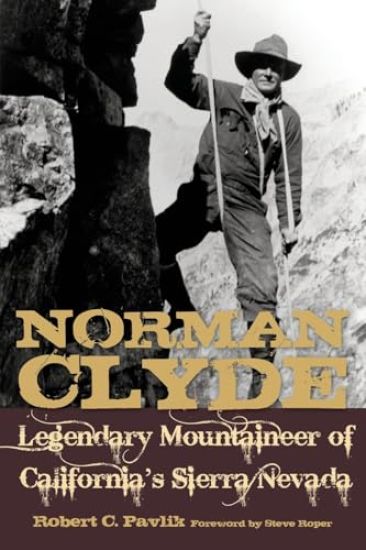
Norman Clyde: Legendary Mountaineer of California's Sierra Nevada
Yosemite Conservancy
2025
nidottu
A riveting account of one of the most notable personalities of the mountain climbing world This engaging portrayal of the life of legendary mountaineer Norman Clyde (1885-1972) will amply reward readers hungry for heroes of the past. Clyde made his mark on history with more than 130 first ascents throughout western North America, and many believe he knew the High Sierra better than anyone else, including John Muir. Part of his mystique comes from participating in high-profile mountain rescues and recoveries, in which he is credited with saving a number of lives. Those who had the good fortune to meet Clyde-often with a ninety-pound pack on his back that included an anvil for boot repair, fishing rods, cooking pots, and books in Greek and Latin-never forgot the experience.Biographer Robert C. Pavlik uses Clyde's own words, along with recollections from his family, friends, fellow climbers, and acquaintances, to capture the experiences of a remarkable man and a bygone time "between the pioneers and the rock climbers."

Radio Clyde
VDM Publishing House
2010
nidottu
Observera att förlaget som ger ut denna produkt baserar innehållet i sina produkter på fria källor som Wikipedia. Boken är med stor sannolikhet endast ett utdrag ur dessa informationskällor, alltså inte en vanlig bok i den bemärkelsen.

Robert Clyde Packer
OmniScriptum
2026
pokkari


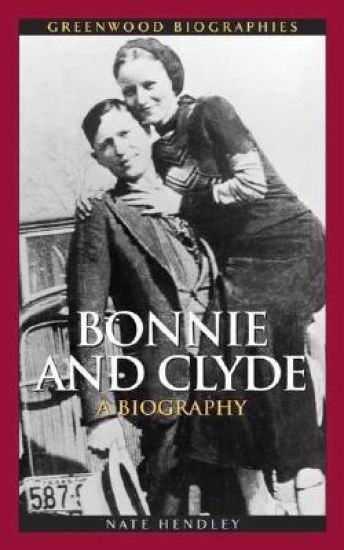
Motivated by greed and sadism—or perhaps by poverty and boredom—star-crossed lovers Bonnie Parker and Clyde Barrow set out on a series of robberies throughout the American Southwest, many of which ended in murder. Frustrated by the suffocating poverty of the Great Depression, they were especially eager to target their oppressors—banks, store owners, and at times, the police. Their numerous crimes triggered an FBI manhunt, but their Robin-Hood ethos made them heroes in the eyes of many, establishing their place as legends of American folklore. This objective volume paints a realistic picture of often-romanticized subject matter, as it explores the motivation and impact of two of the most notorious criminals in U.S. history. Motivated by greed and sadism—or perhaps by poverty and boredom—star-crossed lovers Bonnie Parker and Clyde Barrow set out on a series of robberies throught the American Southwest, many of which ended in murder. Frustrated by the suffocating poverty of the Great Depression, they were especially eager to target their oppressors—banks, store owners, and at times, the police. Their numerous crimes triggered an FBI manhunt, but their Robin-Hood ethos made them heroes in the eyes of many, establishing their place as legends of American folklore. This objective volume paints a realistic picture of often-romanticized subject matter, as it explores the motivation and impact of two of the most notorious criminals in U.S. history. Colorful narrative chapters explore the lives of Bonnie and Clyde in vivid detail, giving insight into the fear of a country gripped by Depression-era poverty, and the public's endless fascination with those that live on the outside of the law. Ready-reference features such as a timeline and glossary round out the work's accessibility, making this an ideal resource for students of American history and popular culture.



Treasure E. Blue acclaimed author of Harlem Girl Lost and A Street Girl Named Desire is back with a heartbreaking urban love story of two star-crossed lovers up against the dirtiest dealer Harlem has ever seen. Knocked up by a Southern preacher, Keyshia is sent to live with her aunt in New York, but after a horrific act of violence, the timid young woman becomes ice-cold turning tricks and finding comfort in a crack vial. Clyde and his two brothers find themselves living with a family friend after their mother is shot by their own father leaving her institutionalized and unable to communicate, and him behind bars. Clyde s older brother leads a decent life, working as a bank manager and trying to keep Clyde off the streets, but Clyde s younger bro is the coldest killer in Harlem and takes every opportunity to involve Clyde in his infamous robberies-turned-blood baths. When Keyshia and Clyde meet, they are instantly drawn to each other. Forced to pay back a large sum of cash to one nasty Harlem kingpin or risk the lethal consequences, Keyshia and Clyde use their tight game and their loyalty to pull off the impossible. And when Clyde is falsely accused of a bank hit, Keyshia vows to stick by her man no matter the cost. Praise for Treasure E. Blue s A Street Girl Named Desire Treasure Blue continues and solidifies his position as the true heir to Iceberg Slim and Donald Goines. A book full of gritty realism, violence, drug abuse, and hope; the book is simply off the damn hook African American Literary Book Club Drenched in drama, drugs, vengeance, power, pain, envy, love and hope . . . all the elements needed to satisfy the] desire for a good read. Urban Reviews"
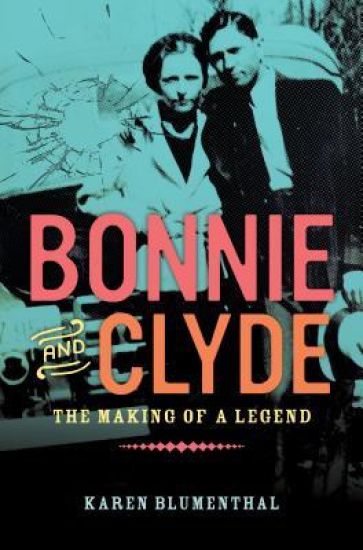
Bonnie and Clyde: we’ve been on a first name basis with them for almost a hundred years. Immortalised in movies, songs, and pop culture references, they are remembered mostly for their storied romance and tragic deaths. But what was life really like for Clyde Barrow and Bonnie Parker in the early 1930s? How did two dirt-poor teens from west Texas morph from vicious outlaws to legendary couple? And why? Award-winning author Karen Blumenthal devoted months to tracing the footsteps of Bonnie and Clyde, unearthing new information and debunking many persistent myths. The result is an impeccably researched, breathtaking nonfiction tale of love, car chases, kidnappings, and murder set against the backdrop of the Great Depression.
From The Clyde To California, With Jottings By The Way
James Aitken Greenock
Kessinger Pub
2007
pokkari
From The Clyde To California, With Jottings By The Way (1882)
James Aitken Greenock
KESSINGER PUBLISHING, LLC
2008
sidottu


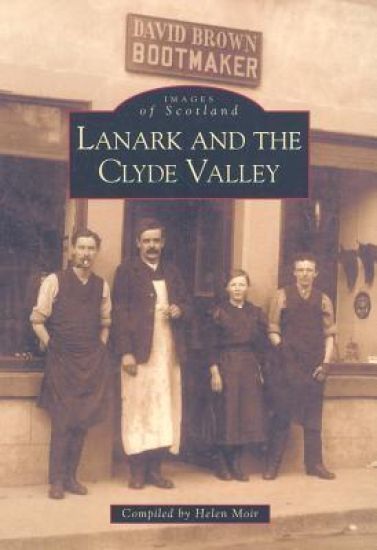
This book is part of the Images of Scotland series, which uses old photographs and archived images to show the history of various local areas in Scotland, through their streets, shops, pubs, and people.