This annotated survey identifies and evaluates the published literature of chamber and concertante music originally conceived for wind instruments. Entries, arranged by instrument, are organized chronologically by genre to highlight the historical development of the works. Genres include single melody instrument with accompaniment, homogeneous groups, larger groupings with and without accompaniment, with and without other non-wind instruments, concertante works, and vocal music with wind instruments. Titles contain catalogue detail and current publisher's edition number. Musicians, music scholars, and educators will appreciate the addresses of music publishers and the extensive bibliography that serves as a guide for further research. In addition to a general index, information is easily cross-referenced through a composer index and an instrumentation index.
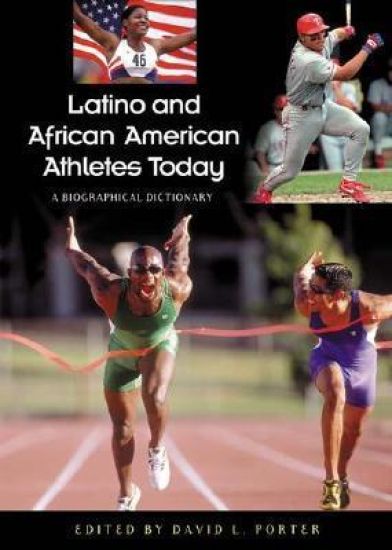
African Americans and Latino Americans have played an increasingly significant role in the ongoing saga of American sports—and not just in popular sports like basketball and baseball. This is the first comprehensive, multisport biographical resource to concentrate exclusively on the accomplishments, achievements, and personal struggles of notable African American and Latino American athletes of the last quarter century. A total of 175 important contemporary athletes—113 African Americans and 62 Latino Americans—are profiled. Most made significant contributions to their sport since 1990. Athletes include Roberto Alomar, Oscar De La Hoya, Forence Griffith Joyner, Evander Holyfield, Michael Johnson, Michael Jordan, Jackie Joyner-Kersee, Ray Lewis, Sammy Sosa, Serena and Venus Williams, Tiger Woods, and many more.Eighteen sports, from baseball to bobsledding, are covered. The profiles of the men and women include personal background information and athletic career achievements through 2002. Each athletic career is traced, including entrance into sport, major accomplishments, records set, awards and honors, and overall impact. Quotations from the athletes enrich each profile. Bibliographies and photos complement the entries.
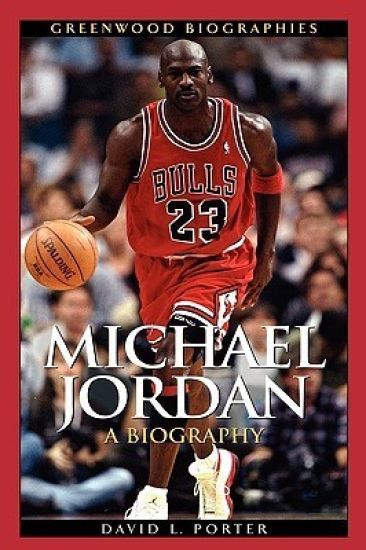
With the possible exceptions of boxer Muhammad Ali and baseball player Babe Ruth, no athlete has made a greater impact on American society-or in the world-than Michael Jordan. Follow the life of one of the most recognizable athletes and living brands inside this engaging and balanced biography. He is among the best-known and wealthiest athletes in the history of organized sports. With the possible exceptions of boxer Muhammad Ali and baseball player Babe Ruth, no athlete has made a greater impact on American society-or in the world-than Michael Jordan. Follow the life of one of the most recognizable athletes and living brands inside this engaging and balanced biography. When basketball stars Larry Bird and Magic Johnson retired in the early 1990s, Michael almost single-handedly propelled the NBA to stratospheric levels of success and international visibility. As a player for the Chicago Bulls, he generated instant crowd thrills with his record-setting drives and dunks, selling countless books, newspapers, videotapes, NBA game tickets, and hours of television time. The NBA promoted Michael, basing its popularity on his image as the greatest showman in sports history. Yet his sports hero status extends beyond NBA records. Michael changed the game by becoming the most effectively marketed athlete of his generation. Nike and many other companies rode-and continue to ride-on the coattails of Air Jordan's legend. Author David Porter highlights Jordan's on and off the court accomplishments and examines his relationship with Chicago Bulls' coaches, his commercial endorsements, and his current role as part-owner of the Charlotte Bobcats. A chronology, photos, career stats, and a bibliography of print and electronic resources round out this biography of one of the most influential athletes of the twentieth century.
Fistic combat represents the greatest human drama in all of sport. Roman gladiators thrilled citizens and emperors alike when they entered the octagon to face an intense, life-threatening experience. Boxing, the sport of kings, also has its roots in the ancient civilizations of Greece and Rome. Banned in 500 A.D. by the Emperor Theodoric, it resurfaced twelve centuries later in England. John Milton praised it as a noble art for building character in young men, and sports writer A.J. Leibling dubbed it the Sweet Science. Many of its major protagonists - men such as Joe Louis, Rocky Marciano and Muhammad Ali - have become transcendent, near-mythic heroes. But boxing is not the only combat sport, and mixed martial arts, in all their ferocious beauty, represent the fastest growing sports genre in the world. Ultimate Fighting Championships (UFC) has joined boxing in paying seven figures to some of its champions, and draws millions in its pay-per-view events. This book details leading figures in boxing, sumo wrestling, kickboxing, Greco-Roman wrestling, and mixed martial arts (including organizations such as Ultimate Fighting, PRIDE, K-1, Total Combat, and SportFighting). Over 150 entries cover champions, contenders, and other famous combatants from all over the world, as well as legendary promoters, managers, trainers, and events. Also included in this encyclopedia are sidebars on controversies, highlights, brief bios, and other noteworthy events, along with a general timeline..
This book presents a sweeping view of boxing in the United States and the influence of the sport on American culture.Boxing has long been a popular fixture of American sport and culture, despite its decidedly seedy side (the fact that numerous boxing champions acquired their skills in prison or reform schools, the corruption and greed of certain boxing promoters, and the involvement of the mob in fixing the outcome of many big fights). Yet boxing remains an iconic and widely popular spectator sport, even in light of its decline as a result of the recent burgeoning interest in mixed martial arts (MMA) contests. What had made this sport so enthralling to our nation for such a long period of time?This book contains much more than simple documentation of the significant dates, people, and bouts in the history of American boxing. It reveals why boxing became one of America's leading spectator sports at the turn of the century and examines the factors that have swayed the public's perception of it, thereby affecting its popularity. In Boxing in America, the author provides a compelling view of not only the pugilist sport, but also of our country, our sources of entertainment, and ourselves.
The Year Book of Vascular Surgery brings you abstracts of the articles that reported the year's breakthrough developments in vascular surgery, carefully selected from more than 500 journals worldwide. Expert commentaries evaluate the clinical importance of each article and discuss its application to your practice. There's no faster or easier way to stay informed! Hot topics include: Coronary Disease, Epidemiology, Vascular Laboratory and Imaging, Carotid and Cerebrovascular Disease, and Grafts and Graft Complications.
Ideal for students of neuroscience and neuroanatomy, the new edition of Netter's Atlas of Neuroscience combines the didactic well-loved illustrations of Dr. Frank Netter with succinct text and clinical points, providing a highly visual, clinically oriented guide to the most important topics in this subject. The logically organized content presents neuroscience from three perspectives: an overview of the nervous system, regional neuroscience, and systemic neuroscience, enabling you to review complex neural structures and systems from different contexts. You may also be interested in: A companion set of flash cards, Netter's Neuroscience Flash Cards, 3rd Edition, to which the textbook is cross-referenced. Coverage of both regional and systemic neurosciences allows you to learn structure and function in different and important contexts. Combines the precision and beauty of Netter and Netter-style illustrations to highlight key neuroanatomical concepts and clinical correlations. Reflects the current understanding of the neural components and supportive tissue, regions, and systems of the brain, spinal cord, and periphery. Uniquely informative drawings provide a quick and memorable overview of anatomy, function, and clinical relevance. Succinct and useful format utilizes tables and short text to offer easily accessible "at-a-glance" information. Provides an overview of the basic features of the spinal cord, brain, and peripheral nervous system, the vasculature, meninges and cerebrospinal fluid, and basic development. Integrates the peripheral and central aspects of the nervous system. Bridges neuroanatomy and neurology through the use of correlative radiographs. Highlights cross-sectional brain stem anatomy and side-by-side comparisons of horizontal sections, CTs and MRIs. Features video of radiograph sequences and 3D reconstructions to enhance your understanding of the nervous system. Student Consult eBook version included with purchase. This enhanced eBook experience includes access -- on a variety of devices -- to the complete text, 14 videos, and images from the book. Expanded coverage of cellular and molecular neuroscience provides essential guidance on signaling, transcription factors, stem cells, evoked potentials, neuronal and glial function, and a number of molecular breakthroughs for a better understanding of normal and pathologic conditions of the nervous system. Micrographs, radiologic imaging, and stained cross sections supplement illustrations for a comprehensive visual understanding. Increased clinical points -- from sleep disorders and inflammation in the CNS to the biology of seizures and the mechanisms of Alzheimer's -- offer concise insights that bridge basic neuroscience and clinical application.
The Year Book of Vascular Surgery brings you abstracts of the articles that reported the year's breakthrough developments in vascular surgery, carefully selected from more than 500 journals worldwide. Expert commentaries evaluate the clinical importance of each article and discuss its application to your practice. There's no faster or easier way to stay informed! Hot topics include: Coronary Disease, Epidemiology, Vascular Laboratory and Imaging, Carotid and Cerebrovascular Disease, and Grafts and Graft Complications.
Shape-Memory Polymer Device Design discusses the latest shape-memory polymers and the ways they have started to transition out of the academic laboratory and into devices and commercial products. Safranski introduces the properties of shape-memory polymers and presents design principles for designing and manufacturing, providing a guide for the R&D engineer/scientist and design engineer to add the shape memory effect of polymers into their design toolbox. This is the first book to focus on applying basic science knowledge to design practical devices, introducing the concept of shape-memory polymers, the history of their use, and the range of current applications. It details the specific design principles for working with shape-memory polymers that don't often apply to mechanically inactive materials and products. Material selection is thoroughly discussed because chemical structure and thermo-mechanical properties are intrinsically linked to shape-memory performance. Further chapters discuss programming the temporary shape and recovery through a variety of activation methods with real world examples. Finally, current devices across a variety of markets are highlighted to show the breadth of possible applications.
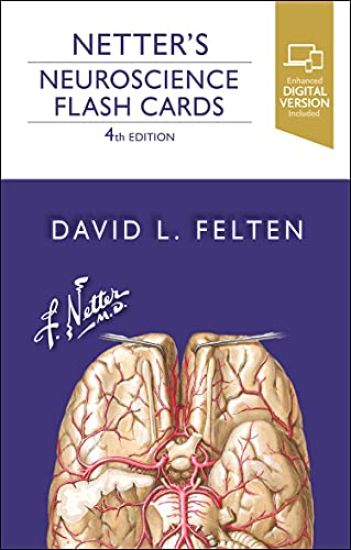
Fun, fast, and in full color, this portable resource is a perfect study tool covering everything you need to know for a solid foundation in neuroscience and neuroanatomy. This quick review tool allows you to test your knowledge on the go-when and where it’s convenient. More than 220 flash cards with Netter illustrations on the front and answers to labels and explanatory text on the back emphasize key neuroscience principles and clinical applications for an efficient yet in-depth review. Cards provide clinically important correlations in neuroanatomy, cell biology, and neurophysiology; extensive imaging, cross-sectional anatomy, and vascular information; and clinical pearls and helpful summaries of the results of neurological damage or injuries on the back of each card New neuropathology coverage from traumatic brain injury and coma to bipolar disorder and schizophrenia New access to cross-sectional anatomy cards online Coverage of timely topics such as cannabinoids, opioids, PTSD, OCD, and aging and the nervous system Pre-punched holes and convenient binding ring allow you to carry selected groups of flash cards with you anywhere A perfect study aid and complement to Dr. Felton’s related titles: Netter’s Atlas of Neuroscience, 3rd Edition (to which the cards are cross-referenced), and Netter’s Neuroscience Coloring Book Enhanced eBook version included with purchase. Your enhanced eBook allows you to access all of the text, figures, and references from the book on a variety of devices
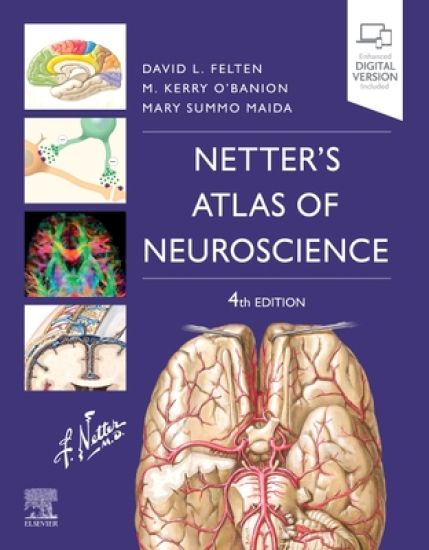
Ideal for any student of neuroanatomy, neuroscience, or other medical or science disciplines involving the nervous system, Netter's Atlas of Neuroscience, 4th Edition, is a highly visual, clinically oriented exploration of structure and function-from neurons to motor and sensory systems to global neural function and dysfunction. This award-winning text approaches this complex topic from three perspectives: Neuroscience Overview, Regional Neuroscience, and Systemic Neuroscience. Illustrations by Frank H. Netter, MD, and others following in his tradition are framed by concise, expert text and accompanied by neuroimaging, photomicrographs, and summary diagrams. Combines Netter and Netter-like illustrations, and beautiful molecular and cellular illustrations, with succinct text and clinical points, delivering the essential information students need for both basic science and clinical programs. Presents organizational and summarized neurosciences information, enabling students to review complex concepts, functions, and systems in several contexts. Provides an overview of the basic features of cellular and molecular neuroscience; peripheral nerves, spinal cord, brain stem and cerebellum, and the brain; reviews the neural vasculature, meninges and cerebrospinal fluid, and developmental neuroscience. Highlights cross-sectional spinal cord and brain stem anatomy and side-by-side comparisons of Netter illustrations and MRIs of axial and coronal brain sections, including extensive clinical correlations. Focuses on foundational concepts as well as clinically relevant discussions. Expands basic neural connectivity and functional roles of limbic structures and behavior. Reviews Global Neural Functions and Disorders in a brand new chapter with more than a dozen new art plates. Includes many new art plates covering current topics including neural foundations of addiction, dementias, several neuropsychiatric disorders, consciousness, coma and its assessment, sleep regulation, postnatal and adult neurogenesis, endogenous opioid systems, endogenous cannabinoid systems, and others. Enhanced eBook version included with purchase. Your enhanced eBook allows you to access all of the text, figures, and references from the book on a variety of devices.
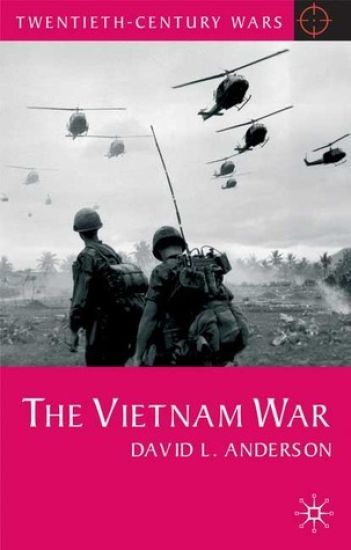
The Vietnam War endured for thirty years, cost billions of dollars, and resulted in thousands of Vietnamese, French, and American deaths. Massive American military intervention in Vietnam embroiled America in protests, placed enormous strains on the western alliance, and altered U.S. relations with the Soviet Union and China. David L. Anderson's concise overview critiques U.S. errors in magnifying the strategic importance of South-east Asia in the Cold War and in underestimating the strength of the Vietnamese communist movement.
The Vietnam War endured for thirty years, cost billions of dollars, and resulted in thousands of Vietnamese, French, and American deaths. Massive American military intervention in Vietnam embroiled America in protests, placed enormous strains on the western alliance, and altered U.S. relations with the Soviet Union and China. David L. Anderson's concise overview critiques U.S. errors in magnifying the strategic importance of South-east Asia in the Cold War and in underestimating the strength of the Vietnamese communist movement.
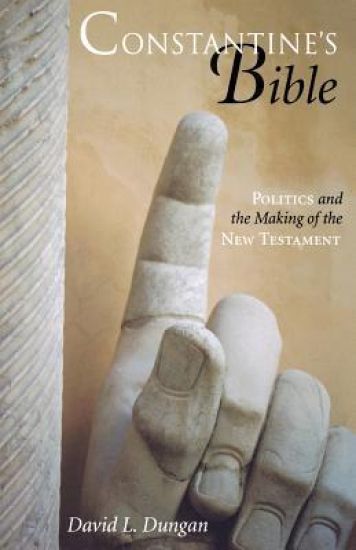
Re-examines the primary source for this history, the Ecclesiastical History of the fourth-century Bishop Eusebius of Caesarea, in the light of Hellenistic political thought. This title describes the consequences of the emperor Constantine's tremendous achievement in transforming orthodox, Catholic Christianity into imperial Christianity.
This volume focuses on alternatives for non-metropolitan economic development in the new international economic climate. It provides critical reviews of popular employment-generation alternatives for rural areas.
Becoming a Buddhist monk in Thailand has for a long time provided the opportunity for access to a good education and to social advancement, both to bright, poor rural youths and to members of the urban elite whose youth often become monks for a few months as a rite of passage into adulthood. Moreover, although women are not allowed to become fully fledged monks, recent developments have encouraged a special status akin to nuns for many devout Thai Buddhist women. All this has resulted in large numbers of well-educated, well-motivated Buddhist religious people, keen both to engage in religious contemplation and also determined to contribute to this-worldly social, economic, educational and medical development goals. This book, by a leading authority on the subject, considers the role of Thai Buddhist religious people in development within Thailand. It discusses how Thai Buddhism has evolved philosophically and in its organisation to allow this, examines various examples of Buddhist people's engagement in development projects, and assesses how the situation is likely to unfold going forward. In addition, the book considers the relationship between science and religion in Thai Buddhism and also some aspects of the parallel situation in Sri Lanka.
This book provides an understanding of how the new economic environment works out at the ground level of the rural economy and community and of the policy initiatives. It presents an overview of both the potentials for and the problems with economic adaptation alternatives for nonmetropolitan areas.
How did Zhao Ziyang rise through the provincial apparatus of the Chinese Communist Party to become premier in 1980? How did he develop the policies of economic reform in the provinces that have now become national policy? What does Zhao Ziyang’s professional development indicate about upward elite mobility in the Chinese political system? These are the central questions the author addresses in this political biography, tracing Zhao Ziyang’s career in detail from his youth, through the Anti-Japanese War, the 1949 revolution, land reform, a series of political and economic campaigns during the 1950s and 1960s, the Cultural Revolution, political rehabilitation, and the “Sichuan Experience.” Mr. Shambaugh goes beyond a chronological account to elucidate Zhao’s job responsibilities and performance, political and economic philosophy, survival strategies, and behavior during thirty tumultous years in provincial politics. Bringing forth much new information drawn extensively from primary source materials, he also provides insights into the functioning of the post-1949 Chinese political system, especially the interplay between central and provincial politics.
How did Zhao Ziyang rise through the provincial apparatus of the Chinese Communist Party to become premier in 1980? How did he develop the policies of economic reform in the provinces that have now become national policy? What does Zhao Ziyang’s professional development indicate about upward elite mobility in the Chinese political system? These are the central questions the author addresses in this political biography, tracing Zhao Ziyang’s career in detail from his youth, through the Anti-Japanese War, the 1949 revolution, land reform, a series of political and economic campaigns during the 1950s and 1960s, the Cultural Revolution, political rehabilitation, and the “Sichuan Experience.” Mr. Shambaugh goes beyond a chronological account to elucidate Zhao’s job responsibilities and performance, political and economic philosophy, survival strategies, and behavior during thirty tumultous years in provincial politics. Bringing forth much new information drawn extensively from primary source materials, he also provides insights into the functioning of the post-1949 Chinese political system, especially the interplay between central and provincial politics.