Este livro de registo da dor, simples, pr tico e f cil de usar, foi concebido profissionalmente para o ajudar a manter um registo detalhado: - Data, Energia- Actividade, Dormir- N vel/Area de dor- Refei es (Pequeno-almo o, Almo o, Jantar, Lanches)- Tempo, Sintomas, Gatilhos- Progress o da dor(N vel de dor - Hora do dia) Caracter sticas Livro de registo da dor: - Livro Branco sem cido de Qualidade Premium- Tamanho 6'x9', Perfeitamente dimensionado para caber numa bolsa, bolso ou saco para f cil utiliza o em viagem- Livro com 120 P ginas com muito espa o para preencher- Capa brilhante e elegante
Child and Adolescent Migration, Mental Health, and Language, focuses on migration and the socio-affective significance of language. It examines how this influences children’s and adolescents’ development, subjectivity, identifications, and identity formations. By taking a thorough approach to the intricacy of migrancy, this timely publication examines the many challenges that young economic migrants, environmental migrants, refugees, irregular migrants, and asylum seekers encounter prior to and following their geographic, sociocultural, and linguistic relocations. While not disregarding the benefits that can stem from international relocations, Carra-Salsberg also addresses contemporary concerns influencing young migrants’ socio-affective experiences. As part of the book’s discussion on the subjective significance of language, it takes a semiotic, pedagogic, and psychoanalytic approach to study the effects of foreign-language immersions and significant language learning, and how these can add to pre-existing traumas. The developmental importance of language is considered through theory, the analysis of memoirs, and the author’s depiction and understanding of her own experiences between languages. Written for academics, psychologists, psychiatrists, pedagogues, counsellors, human rights advocates, and policy-makers, this book highlights the intricate connections between language, migration, and mental health. The restorative significance of language is also reflected upon in relation to migrants’ natural need to grieve, testify, and find meaning within their past and present sense of self.
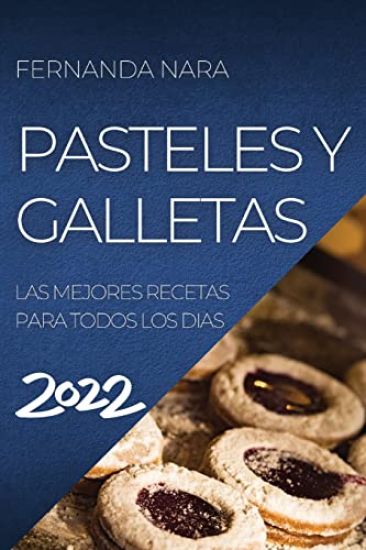
Este libro de cocina cubre todo, desde los elementos esenciales del equipo para pasteles y horneados que todo cocinero necesita en su cocina, consejos y trucos, conceptos b sicos de crema de mantequilla;Creo que te encanta esto, hay una lista de todos los pasteles grandes, desde pastel de alegr a de almendras hasta combos que suenan deliciosos, como pastel de menta con chocolate negro, pastel de helado con chocolate caliente, pastel de s'mores definitivo hasta pastel amarillo con crema de mantequilla con masa de brownie. Disfrutar hojeando las p ginas admirando todas las fotos de hermosos pasteles cubiertos con un glaseado deliciosamente suave, decorado con remolinos de crema de mantequilla, chispas, frutas y golosinas Realmente es impresionante si te encantan los pasteles bonitos Seguramente encontrar el pastel perfecto para cualquier extravagancia de verano, horneado en el vecindario o retiro acogedor de vacaciones.
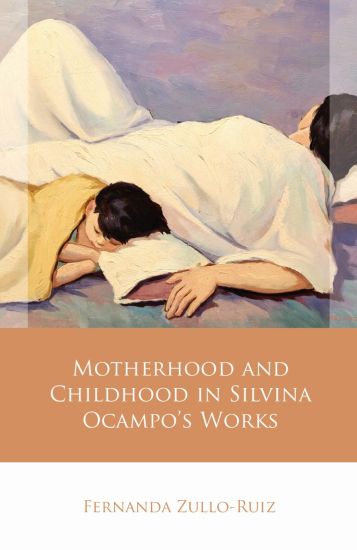
The works of Argentine writer Silvina Ocampo (1903–93) are enjoying unprecedented attention from international scholars, writers, journalists, translators and film directors. This book explores the reason for the growing interest, and how it connects with her transgressive representations of motherhood and childhood. By overlapping themes from past scholarship (such as childhood, gender representations, the fantastic and sexuality), new and diverse issues intersect, contradict or revise previous interpretations of Ocampo’s works and her place in Argentine letters. Specifically, the much-overlooked mother/child dyad will offer a unique vantage point for this volume, bringing to the surface disparities concerning age, gender, sexuality, knowledge, agency and voice, often ignored or minimised in theoretical frameworks and popular narratives. This focus on the spaces of motherhood and childhood maps out Ocampo’s consistent refusal to prioritise one space over another, or to legitimise one voice over another, which highlights a radical theorisation of subjectivities in flux.
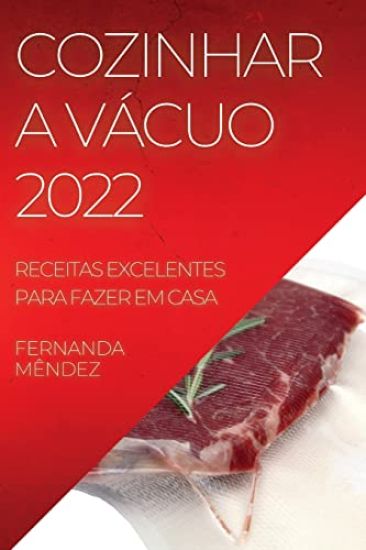
Sous Vide um m todo de cozimento que usa uma temperatura de cozimento lenta e precisa e resulta em refei es com qualidade de restaurante que n o s o apenas consistentes, mas tamb m incrivelmente deliciosas. Esta t cnica de cozimento existe h muito tempo, mas recentemente ganhou for a, gra as ao equipamento Sous Vide f cil de usar e de bolso.Sous Vide, que significa sob v cuo em franc s, o processo de embalar alimentos a v cuo, geralmente em um saco, e cozinh -los em gua a uma temperatura precisa.Isso pode parecer extravagante, mas al m dos pratos extravagantes, n o h nada complexo no m todo de cozimento. O processo super simples e envolve apenas tr s etapas de cozimento: 1.Ligue a m quina Sous Vide a uma panela de gua e defina a temperatura exata de cozimento.2.Coloque os alimentos em um saco sel vel, retire o excesso de ar e feche o saco.3.Mergulhe o saco na gua pr -aquecida e cozinhe pelo tempo necess rio para obter melhores resultados.Se voc quiser adicionar uma camada externa crocante, voc pode terminar sua comida selando ou grelhando.O que voc ainda est esperando?Adquira sua c pia agora
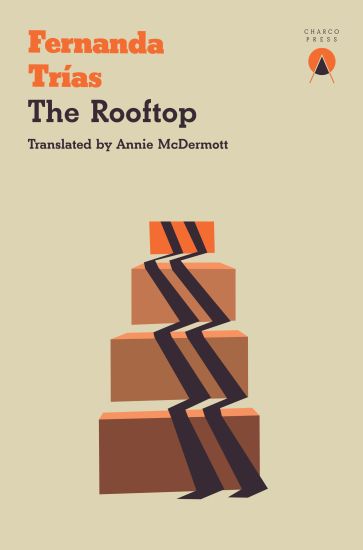
In a rundown apartment building, in an unnamed city in Uruguay, a father and daughter close themselves off from the world."The world is this house," says Clara, and the rooftop becomes their last recess of freedom. A pet canary is their only witness. As Clara’s connection to the outside is stripped away—the neighbor who stops coming by, the lover whose existence is only known by a pregnancy—desperation and paranoia take hold. It's a stifling embrace, and we are there with her, our narrator, dreading what we know the future holds.
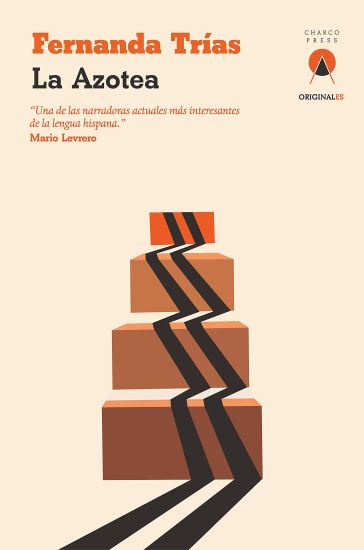
Empezamos allí donde terminamos: ¿qué ha ocurrido en este apartamento en ruinas, separado del mundo exterior?En un apartamento en ruinas, en una ciudad uruguaya sin nombre, un padre y su hija se encierran y se aíslan del mundo exterior. “El mundo es esta casa”, dice Clara. La azotea se vuelve su último y único acceso a la libertad. Hay un solo testigo: el canario.A medida que los vínculos de Clara con el afuera se van extinguiendo -la vecina que deja de venir, el novio cuya existencia es aparente solo a través de un embarazo-, la desesperación y la paranoia van tomando protagonismo. Es un abrazo que asfixia, y nosotros estamos aquí con ella, nuestra narradora, aterrados ante lo que trae el devenir.In a rundown apartment building, in an unnamed city in Uruguay, a father and daughter close themselves off from the world. ‘The world is this house’, says Clara, and the rooftop becomes their last recess of freedom. A pet canary is their only witness.As Clara’s connection to the outside is stripped away—the neighbor who stops coming by, the lover whose existence is only known by a pregnancy—desperation and paranoia take hold. It's a stifling embrace, and we are there with her, our narrator, dreading what we know the future holds.In a rundown apartment building, in an unnamed city in Uruguay, a father and daughter close themselves off from the world."The world is this house," says Clara, and the rooftop becomes their last recess of freedom. A pet canary is their only witness. As Clara’s connection to the outside is stripped away—the neighbor who stops coming by, the lover whose existence is only known by a pregnancy—desperation and paranoia take hold. It's a stifling embrace, and we are there with her, our narrator, dreading what we know the future holds.
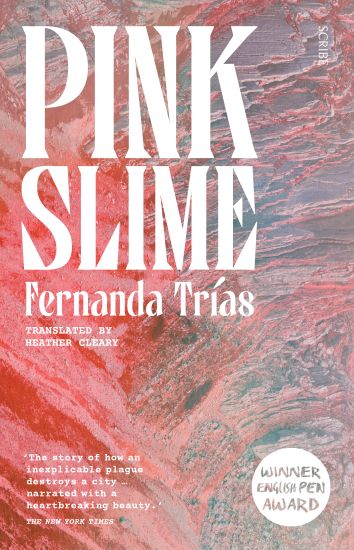
Winner of the Uruguayan National Literature Prize for Fiction, the Bartolomé-Hidalgo Fiction Prize, and the Sor Juana Inés de la Cruz Literature Prize. A port city is in the grips of an ecological crisis. The river has filled with toxic algae, and a deadly ‘red wind’ blows through its streets; much of the coast has been evacuated as the wealthy migrate inland to safety, leaving the rest to shelter in abandoned houses as blackouts and food shortages abound. The unnamed narrator is one of those who has stayed. She spends her days trying to disentangle herself from the two relationships that had once meant everything to her, and looking after the young boy who’s been placed in her care. As the world in which they move becomes smaller, she reflects on the collapse of the other emotional ties in her life and the emergence of a radical yet tender solitude. With striking prose and vivid characters, the multi-award-winning Pink Slime offers profound reflections on motherhood, marriage, and caregiving, set against the backdrop of a crumbling city.
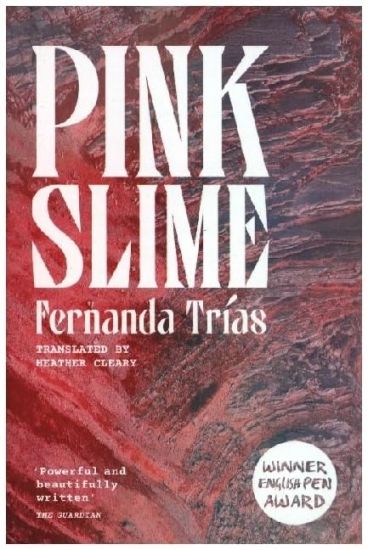
Winner of the Uruguayan National Literature Prize for Fiction, the Bartolomé-Hidalgo Fiction Prize, and the Sor Juana Inés de la Cruz Literature Prize. A port city is in the grips of an ecological crisis. The river has filled with toxic algae, and a deadly ‘red wind’ blows through its streets; much of the coast has been evacuated as the wealthy migrate inland to safety, leaving the rest to shelter in abandoned houses as blackouts and food shortages abound. The unnamed narrator is one of those who has stayed. She spends her days trying to disentangle herself from the two relationships that had once meant everything to her, and looking after the young boy who’s been placed in her care. As the world in which they move becomes smaller, she reflects on the collapse of the other emotional ties in her life and the emergence of a radical yet tender solitude. With striking prose and vivid characters, the multi-award-winning Pink Slime offers profound reflections on motherhood, marriage, and caregiving, set against the backdrop of a crumbling city.
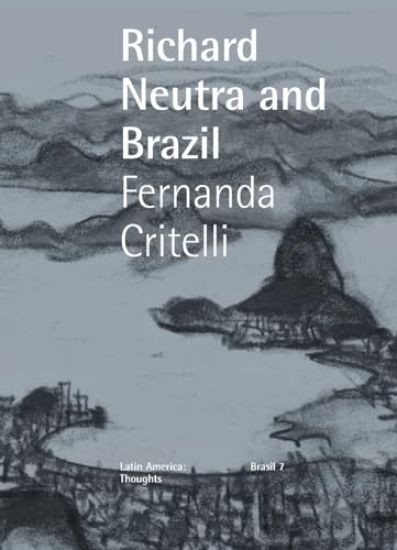
Richard Joseph Neutra (1892-1970), Austrian architect based in the United States, sought throughout his works to correlate modern, rationalist and industrialized architecture to particular conditions of culture, climate, landscape and technology, as well as to local resources. Richard Neutra's first contact with South America took place between October and November 1945, through a diplomatic mission entrusted to him by the US Departmentof State. The relationships that were established there ranged from the personal to the professional and lasted until the mid-1960s. Either because of the political transformations that most Latin American countries underwent at that period of time, or because of Neutra's health condition and his long stays in Germany during the last few years of his life, the fact is that these relationships emerged, flourished, and eventually withered over a period of approximately twenty years. It is safe to say, however, that they went beyond what was stipulated - and even expected - by the US government.In the specific case of Brazil, Neutra landed there for the first time in November 1945 and visited iconic projects of modern architecture, such as the headquarters of the Brazilian Reinsurance Institute and the building of the Brazilian Press Association, designed by the Roberto brothers, and the Seaplane Station, by At lio Correa Lima, in Rio de Janeiro; the Esther and Leonidas Moreira buildings, respectively by lvaro Vital Brazil and Eduardo Kneese de Mello, in S o Paulo; the Grande Hotel in Ouro Preto and Oscar Niemeyer's Pampulha works, in Minas Gerais. He took pictures and made several drawings - not only of Brazilian landscapes, but of all the countries he visited.Even more important is the fact that Richard Neutra identified with the Latin American people he met. In the preface to the Spanish edition of Survival Through Design, published in Mexico in 1957, Neutra states that he felt culturally "familiar with these people who thought in Castilian" comparing the history of Argentina and Peru with that of Vienna in the post-Renaissance period. In addition to pointing out this similarity around his motherland, the architect also recalled the Spanish origins of the city that had welcomed him in 1925. This was not condescending talk from an European, based in the United States, pandering to Latin American readers; rather, this was a genuine statement from someone who understood the meaning of being the other and who identified with it.