

Kirjahaku
Etsi kirjoja tekijän nimen, kirjan nimen tai ISBN:n perusteella.
1000 tulosta hakusanalla George G. Perry


New York in Slices: By an Experienced Carver, Being the Original Slices Published in the N. Y. Tribune. REV., Enl., and Cor. by the Author
George G. Foster
University of Michigan Library
1899
sidottu


Bergmann's Equestrian Venture is the 4th book in the nine-book series. Earth was spared the brunt of a comet-induced planet-wide winter by the Striver-led, Banderat-implemented, redirection of three comets. Bergmann's Team played an important part in that cometary redirection. Now the Team has been invited to move a small herd of horses to the planet Baldon: Banderat would like to ride! This venture is the first feat Guy hopes to execute in his long-term plans to forge an extraterrestrial Human presence. The interstellar trip aboard Climber, a first for Humans, is a prelude to their successful arrival at the city of Bandalu, where they help finish an equestrian resort. Nita's 'surprise' is a shock to all the team: the first Human child to be born off Earth. A family of Sayen reveals their presence to Guy, Nita, Greg and Raquel, on the mountain slope above Highlands Resort. The presence of a hidden seventh sapient race sends Shockwaves through the Concordat.

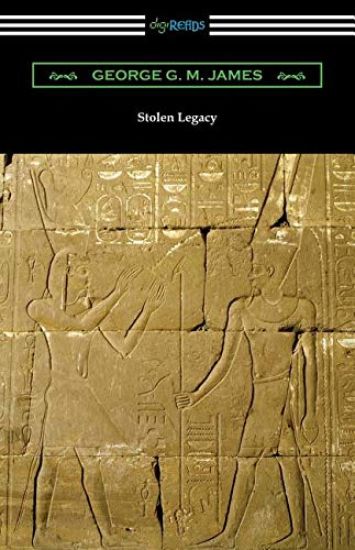
First published in 1954, "Stolen Legacy" is the thought-provoking and controversial book by George G. M. James, a Guyanese-American historian and author. James makes the argument that Greek philosophy originated in Ancient Egypt, rather than Greece and was stolen and used without acknowledgement by Greek philosophers. In support of his premise, James contends that when Alexander the Great invaded Egypt and sacked the Royal Library at Alexandria he stole many important Egyptian documents and these stolen ideas were then used by famous Greek philosophers, such as Aristotle, without credit being given to the Egyptians. He also argues that Pythagorus and Plato studied in Egypt as evidence that their ideas were Egyptian in origin. While James's ideas were met with much skepticism when they were first published, many of his ideas have since influenced historians who have found Egyptian influences in many aspects of Greek culture and thought. This edition is printed on premium acid-free paper.

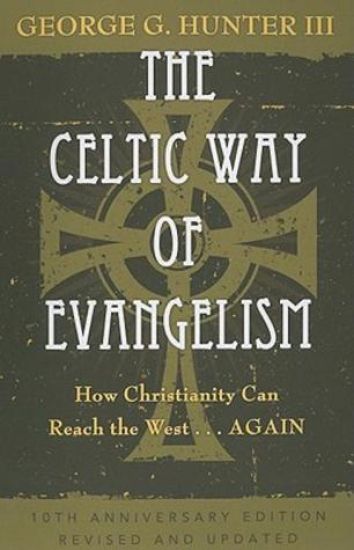
Celtic Christianity the form of Christian faith that flourished among the people of Ireland during the Middle Ages has gained a great deal of attention lately. George G. Hunter III points out that while the attention paid to the Celtic Christians is well deserved, much of it fails to recognize the true genius of this ancient form of Christianity. What many contemporary Christians do not realize is that Celtic Christianity was one of the most successfully evangelistic branches of the church in history. The Celtic church converted Ireland from paganism to Christianity in a remarkably short period, and then proceeded to send missionaries throughout Europe. North America is today in the same situation as the environment in which the early Celtic preachers found their mission fields: unfamiliar with the Christian message, yet spiritually seeking and open to a vibrant new faith. If we are to spread the gospel in this culture of secular seekers, we would do well to learn from the Celts. Their ability to work with the beliefs of those they evangelized, to adapt worship and church life to the indigenous patterns they encountered, remains unparalleled in Christian history. If we are to succeed in reaching the West . . . again, then we must begin by learning from these powerful witnesses to the saving love of Jesus Christ. This classic book on the power of indigenous evangelism has been thoroughly revised and updated, proving once again how much these ancient Christians have to teach anyone who seeks to spread the word of the gospel."
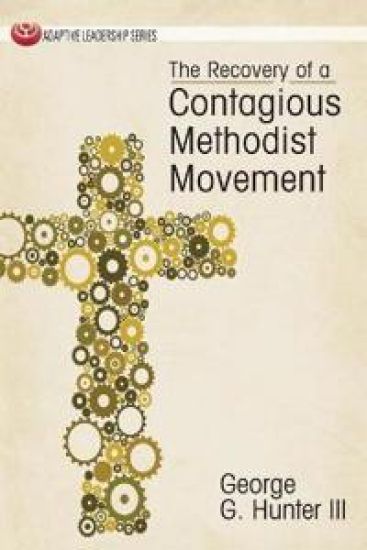
Methodism started out as a missional alternative to establishment Christianity, but is now like the establishment Christianity it once critiqued. In this book, Dr. Hunter asks whether enough New Testament Christianity exists in any institutional form of Christianity, including The United Methodist Church, to change the world. If United Methodism is to survive, it must recover bold directions in ministry, in addition to Wesley s theological vision. If only it was so simple as to stand on Wesley s shoulders to see our way forward. This means that laity and clergy must be biblically informed, spiritually energized, and systematically organized. If United Methodism is to thrive, it needs to focus on mission, recalling that early Methodism was an extravagant expression of missional Christianity. Net membership decline is not from losing more people but from reaching fewer people than it used to. The need for the gospel of Jesus Christ is greater than ever. United Methodists must create structures and serve God and neighbor in order to spread, as Wesley admonished, scriptural holiness throughout the land. George G. Hunter III is Distinguished Professor of Church Growth and Evangelism at Asbury Theological Seminary in Wilmore, Kentucky. He is the author of several books, including Radical Outreach and The Celtic Way of Evangelism, both published by Abingdon Press."
Life and Labors of Francis Asbury, Bishop of the Methodist Episcopal Church in America
George G. Smith
Kessinger Pub
2006
pokkari

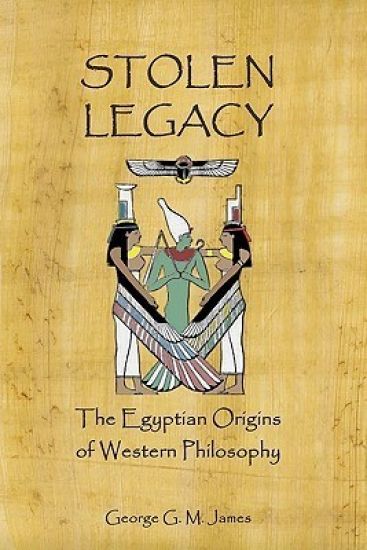
Stolen Legacy: The Egyptian Origins Of Western Philosophy
George G. M. James
Createspace Independent Publishing Platform
2008
nidottu


Life And Labors Of Francis Asbury - Bishop Of The Methodist Episcopal Church In America
George G. Smith
Read Books
2011
pokkari