
Kirjahaku
Etsi kirjoja tekijän nimen, kirjan nimen tai ISBN:n perusteella.
322 tulosta hakusanalla Inbar Raveh

Este trabajo condensa 2 a os de investigaci n de un Proyecto presentado a la Secretar a de Ciencia y T cnica de la Universidad Nacional de La Plata. En el 1 a o de investigaci n (a o 2006) se construy un Marco Te rico-Metodol gico de an lisis de la vivienda y su "fachada interior" (hall, sala de estar y/o livingroom, comedor, cocina, ba o y dormitorios), con el cual se procedi en el 2 a o de investigaci n (a o 2007) a la b squeda y recopilaci n de material documental diverso (fuentes primarias y secundarias); que se clasific , orden y archiv seg n un estudio de "casos" de historia del dise o (industrial y artesanal) de utensilios, enseres, artefactos, muebles, electrodom sticos y otros productos paradigm ticos (objeto de estudio) con valor hist rico y patrimonial, del habitar dom stico de la Argentina del per odo: 1880-1990.


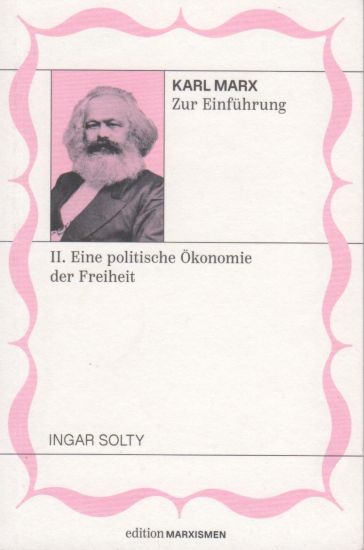
Karl Marx zur Einführung: II. Eine politische Ökonomie der Freiheit
Ingar Solty
Brumaire Verlag GmbH
2025
pokkari
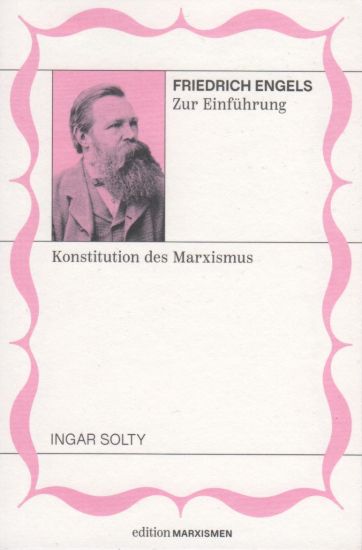
Friedrich Engels zur Einführung: Konstitution des Marxismus
Ingar Solty
Brumaire Verlag GmbH
2025
pokkari
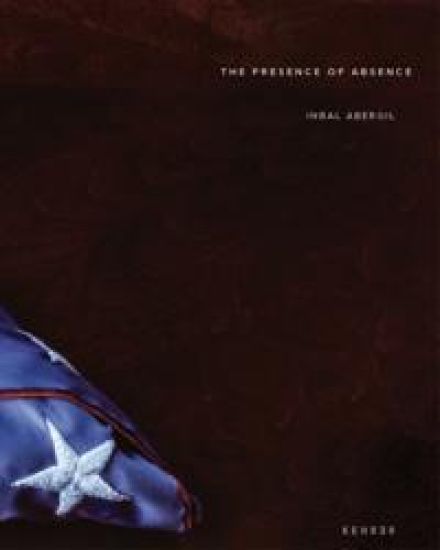
When a doorbell changes everything: the story of the Gold Star Families and their moving fight back to lifeThe Presence of Absence, a decade-long documentary, explores trauma, loss, grief, mourning, and healing after war. Inbal Abergil combines stories of Gold Star Families, still lifes of loved ones' belongings, and portraits of Casualty Notification Officers. The still lifes show how survivors cope with loss, highlighting the dual pain and comfort of memories. The portraits depict the grim task of delivering tragic news, aiming for no mistakes to allow healing. The Four-channel video features four Gold Star Mothers discussing life after losing their sons, offering grief coping guidelines. The project invites reflection on the survivors' journey to rebuild their lives and the human cost of conflict.


Arte, arquitectura y diseño de muebles e interiores
Ibar Federico Anderson
Editorial Académica Española
2019
nidottu

Orígenes del diseño de interiores en Argentina de 1880-1980
Ibar Anderson
Editorial Académica Española
2019
nidottu
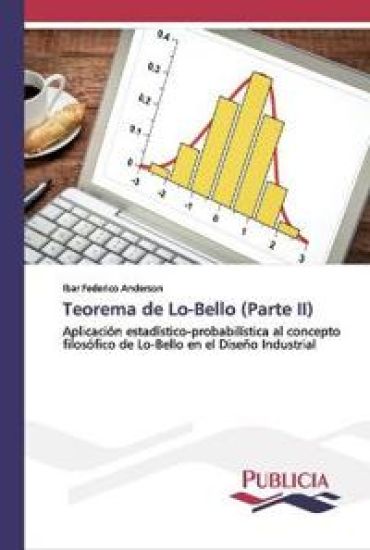
Este trabajo corresponde con la profundizaci n de las t cnicas y procedimientos provenientes de las matem ticas (estad stica y probabilidad) desarrolladas a partir de una reflexi n te rica y conceptual de las investigaciones presentadas en las VIII Jornadas de Investigaci n en Disciplinas Art sticas y Proyectuales (JIDAP) de la FBA-UNLP. Donde nos hac amos la siguiente pregunta: c mo medir el gusto est tico (lo bello), aplicado a un objeto, producto u artefacto de dise o industrial? La respuesta metodol gica hab a resultado de ajustar los Marcos Te ricos de dos ciencias: est tica (filosof a del arte) y dise o industrial con estad stica y probabilidad. Para lo cual se combinaron las ideas filos ficas de la belleza, est tica y semiolog a con el estudio de teoremas matem ticos, estad sticos y probabil sticos. Para la comprobaci n (test) de las hip tesis orientadas a la medici n de la variable (x) de: Lo-Bello. En efecto, fue posible aplicar el Teorema Central del L mite (TCL), el contraste de hip tesis (nula y alternativa), nivel de significancia, formular la regla de decisi n y efectuar la prueba o test estad stico para Phi de Lo-Bello. Para, finalmente, poder obtener la inferencia.

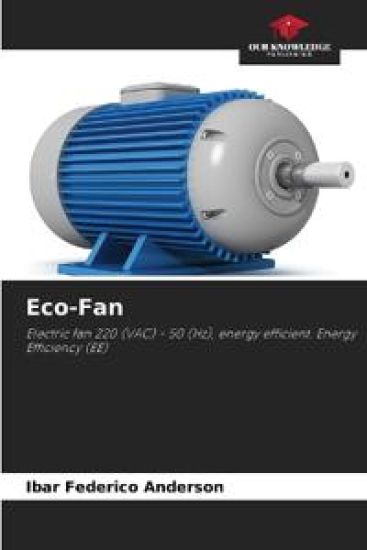
Eco-fan is an electric motor of 220 (VAC), 50 (Hz), PMSM type (with ferrite magnet rotor). According to the IRAM 62480:2017 Standard, an Energy Efficiency (EE) Type: A. With an energy consumption lower than 55% of the nominal value of the motor. Value calculated for one (1) hour per day at maximum power: 25 (Watts). 59% active electrical energy saving. The physical unit of physical measurement (MKS) shows an energy consumption of 15 kWh/month (kiloWatt-hours/month), at maximum speed, without losing or lowering revolutions per minute (close to 3000 RPM), which is the synchronous speed of the two (2) pole rotor with the frequency of the alternating current (50 Hertz). PMSM type motors (like the one used here) provide rotation at a fixed speed in synchronicity with the frequency of the power supply, regardless of the load fluctuation (higher or lower) that produces the resistant torque. The voltage (Volts) and current (Amps) of the current drops when the TRIAC acts; and anyway, the motor runs at a synchronous speed (3000 RPM) with mains frequency (50 Hz).

L'Eco-fan est un moteur lectrique de 220 (VAC), 50 (Hz), de type PMSM (avec rotor aimant en ferrite). Selon la norme IRAM 62480:2017, il s'agit d'un type d'efficacit nerg tique (EE): A. Avec une consommation d' nergie inf rieure 55% de la valeur nominale du moteur. Valeur calcul e pour une (1) heure par jour la puissance maximale: 25 (Watts). 59% d' conomie d' nergie lectrique active. L'unit de mesure physique (MKS) indique une consommation d' nergie de 15 kWh/mois (kiloWattheures/mois), la vitesse maximale, sans perte ni diminution du nombre de tours par minute (pr s de 3000 RPM), qui est la vitesse synchrone du rotor deux (2) p les avec la fr quence du courant alternatif (50 Hertz). Les moteurs de type PMSM (comme celui utilis ici) tournent une vitesse fixe en synchronisation avec la fr quence de l'alimentation lectrique, quelle que soit la fluctuation de la charge (plus ou moins lev e) qui produit le couple r sistant. La tension (Volts) et l'intensit (Amp res) du courant baissent lorsque le TRIAC agit; et de toute fa on, le moteur tourne une vitesse synchrone (3000 RPM) avec la fr quence du r seau (50 Hz).

Minner som prosesser i sosial- og kulturhistorie drøfter hvordan det folk forteller om sitt liv, kan tolkes, forstås og brukes til å belyse sosial- og kulturhistoriske spørsmål. Boka er basert på nyere internasjonal og nordisk forskningslitteratur. Boka ser innledningsvis på utviklingen av minneforskning og muntlig historie, fra 1800-tallets folkeminnesamlinger til flere typer historie basert på minner i nyere tid. Den drøfter i tillegg hvordan feltet har vært preget av varierende interesser og perspektiver, fra romantiske måter å forstå minner på, som uttrykk for folkesjel og tidsånd, til kulturkritiske analyser av hva språk og fortelling i minnene viser om kulturelle koder og tenkemåter. Forfatteren går også nærmere inn på hva minner er, hvordan vi både husker, glemmer og minnes, og hvordan minner har formet folks liv. Videre drøfter han hvordan minnefortellinger kan tolkes og kritiseres på flere ulike måter - alt etter hva man er ute etter å belyse. I de to avsluttende kapitlene presenteres praktiske råd for den som vil samle inn og ta vare på minner.