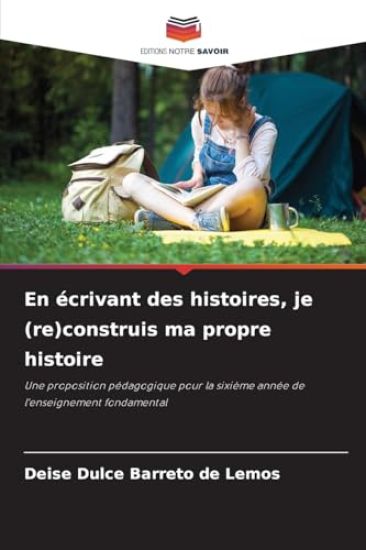
Ce livre traitait de la formulation des aliments, c'est- -dire de la formulation d'aliments utilisant une source de prot ines v g tales pour remplacer la farine de poisson. Les pois verts ou "pois de jardin" sont de petites graines sph riques provenant des gousses produites par la plante Pisum sativum.Ils font partie de l'alimentation humaine depuis des centaines d'ann es, des aliments pour animaux et sont consomm s dans le monde entier. La culture des pois peut tre avantageuse dans de nombreux endroits, car ils sont faciles r colter et constituent une culture de rotation pr cieuse pour la fertilit des sols dans les r gions domin es par les c r ales. Par exemple, le Canada est le plus grand producteur de pois. Il est galement le plus grand exportateur, avec 40 % des exportations mondiales de pois. L'augmentation de la demande de farine de poisson, associ e une p nurie importante de la production mondiale de farine de poisson, a cr une forte concurrence pour son utilisation par l'industrie de l'alimentation animale. L'id e tait de remplacer partiellement la farine de poisson par des pois verts afin de r duire le prix des aliments pour animaux dans l'industrie et la concurrence.
Questo libro trattava della formulazione di mangimi, ovvero la formulazione di mangimi che utilizzano una fonte proteica vegetale in sostituzione della farina di pesce. I piselli verdi o "piselli da giardino" sono i piccoli semi sferici che provengono dai baccelli prodotti dalla pianta Pisum sativum.Fanno parte della dieta umana da centinaia di anni, dei mangimi per animali e sono consumati in tutto il mondo. La coltivazione dei piselli pu essere vantaggiosa in molti luoghi, perch sono facili da raccogliere e rappresentano una preziosa coltura di rotazione per la fertilit del suolo nelle aree dominate dai cereali. Ad esempio, il Canada il maggior produttore di piselli. anche il maggior esportatore, con il 40% delle esportazioni mondiali di piselli. L'aumento della domanda di farina di pesce, unito a una significativa carenza nella produzione mondiale di FM, ha creato una forte concorrenza per il suo utilizzo da parte dell'industria dei mangimi. L'idea era quella di sostituire parzialmente la farina di pesce con i piselli verdi per ridurre il prezzo dei mangimi nell'industria e la concorrenza.
Este livro era sobre a formula o de ra es, a formula o de ra es utilizando uma fonte de prote na vegetal para substituir a farinha de peixe. As ervilhas verdes ou "ervilhas de jardim" s o sementes pequenas e esf ricas que prov m de vagens produzidas pela planta Pisum sativum.Fazem parte da dieta humana h centenas de anos e s o consumidas em todo o mundo. O cultivo de ervilhas pode ser vantajoso em muitos locais porque s o facilmente colhidas e s o uma cultura de rota o valiosa para a fertilidade do solo em reas dominadas por cereais. Por exemplo, o Canad o maior produtor de ervilhas. tamb m o maior exportador, com 40 por cento das exporta es mundiais de ervilhas. A maior utiliza o na Europa e na Am rica do Norte em alimentos e a maior utiliza o na sia na ind stria de ra es e a sua maior utiliza o em alimentos. O aumento da procura de farinha de peixe, associado a uma escassez significativa na produ o mundial de FM, criou uma forte concorr ncia para a sua utiliza o pela ind stria de ra es. A ideia era substituir parcialmente a farinha de peixe por ervilhas verdes, a fim de reduzir o pre o das ra es na ind stria e tamb m a concorr ncia.
This book was about feed formulation, the formulation of feed using a plant protein source to replace fish meal. Green peas or "garden peas," are the small, spherical seeds that come from pods produced by the Pisum sativum plant.They have been part of the human diet for hundreds of years, animal feeds and are consumed all over the world. Growing peas can be advantageous in many locations because they are easily harvested and are a valuable rotation crop for soil fertility in areas dominated by grains. E.g Canada is the largest producer of peas. It is also the largest exporter, with 40 percent of global pea exports. Largest use in Europe and north America in foods and largest use in Asia in feed industry and its also largest use in foods. The increased demand for fish meal, coupled with a significant shortage in global FM production, has created sharp competition for its use by the animal feed industry. Due to this reason that's make the feed to be expensive. The idea was to replace partially fish meal with green peas in order to reduce the price of feed in industry and also competition.
From the commanding call of the bugle at reveille to combat instructions (such as "fix bayonets") to reassuring songs around the campfire at night, music was an integral part of the Civil War soldier's experience. This volume presents the Civil War writings of Charles, Herbert, Jeremiah and Osman George, four brothers from the town of Newbury, Vermont, who played in the 10th Vermont Infantry regimental band. Their letters and a diary describe the life of an enlisted musician, including forming a band, rehearsals and repertory, performances for officers, troops, and civilians--and battlefield stretcher-bearer duties. Despite the hardships they suffered, including the loss of one brother, their writings (supported by detailed scene-setting narratives by editor Davis) reveal the Georges' fraternal bond that sustained them emotionally and ensured they would continue to serve their comrades in battle.
What is the rationale for homework? How can you design meaningful homework, and how can changing homework influence your practice? Homework Done Right: Powerful Learning in Real Life Situations provides answers to these questions and other issues surrounding the hot topic of homework and the impact it can have on both students and teachers. Written in an accessible, practical style, this resource provides a general overview of homework and a brief look at traditional approaches, along with concrete examples of how homework can be made meaningful. The authors take an in-depth look at authentic homework—assignments that are engaging, motivational, and promote real-life applications of knowledge leading to deeper levels of learning. The book is filled with concrete examples across grade levels that demonstrate the process of matching assignments to the goals and major understandings associated with specific course content. The authors invite classroom teachers and building leaders to rethink out-of-school time and reclaim at least part of it as learning time in order to regain spirit and passion for teaching and learning. Readers will find: - Guidance for designing out-of-school assignments that are authentic, meaningful, and tied to real-life experience - Sample homework assignments for various grade levels and subject areas, examples of student work, reflection questions, discussion prompts, protocols, and reproducible forms - Richly-detailed vignettes describing teachers' evolving beliefs and practices around homework.
During the 1990s, the United States encountered an unprecedented economic upsurge. The duration and scope of this boom led many policymakers in D.C., to believe they had finally found a magic formula for sustained economic growth and seamless national development. Labeled the Washington Consensus, this free-market approach was a shift away from regulation and government intervention toward allowing the markets work themselves out on a global level. Was it magic? After all, this was an era where the markets for goods, services, capital, and labor burst forth from North America, Western Europe, and Japan to stretch across the globe. The Soviet Union had collapsed and East and Southeast Asian economies were flourishing. Globalization and A New World Order became the slogans of the day.In what some scholars and policymakers view as a massive social experiment, the U.S. Treasury and the International Monetary Fund (IMF) began leaning on Latin American countries to dismantle their economic regime of import substitution industrialization (ISI). Without a firm understanding of the complexities involved, international lenders pressed for implementation of the Washington Consensus - advocating governments to step out of the way and let the markets do their work. Yet every nation has a different history when it comes to the process of market creation. The attempt to apply a blanket formula on countries with divergent political, social, and cultural legacies flopped miserably. Supporters of the Washington Consensus discovered their magic formula was merely a myth. Although Chile, which already had strong institutional foundations, came closest to succeeding in the implementation of the Washington Consensus, places like Mexico, Peru, Venezuela, and Argentina met with political and economical turmoil that shook their countries to the core. Pulling from a wellspring of knowledge, expertise, and experience from representatives of sociology, economics, demography, anthropology, and urban studies, this special issue of The ANNALS provides a coherent chain of evidence that reveals how the idea for structural adjustment in Latin America arose, how it was applied, the negative consequences it had, and the lessons learned. Sprung from a request by the Andrew W. Mellon Foundation on "Urban Studies and Demography," this collection of thought-provoking articles is the result of a two-year pilot research project conducted by faculty and students affiliated with the Population Studies Center and the Urban Studies program at the University of Pennsylvania. Students, researchers, and policymakers in public affairs, economics, anthropology, international affairs, sociology, urban studies, population studies, and others will gain clarity and insight into this complex phase of world economic history.
During the 1990s, the United States encountered an unprecedented economic upsurge. The duration and scope of this boom led many policymakers in D.C., to believe they had finally found a magic formula for sustained economic growth and seamless national development. Labeled the Washington Consensus, this free-market approach was a shift away from regulation and government intervention toward allowing the markets work themselves out on a global level. Was it magic? After all, this was an era where the markets for goods, services, capital, and labor burst forth from North America, Western Europe, and Japan to stretch across the globe. The Soviet Union had collapsed and East and Southeast Asian economies were flourishing. Globalization and A New World Order became the slogans of the day.In what some scholars and policymakers view as a massive social experiment, the U.S. Treasury and the International Monetary Fund (IMF) began leaning on Latin American countries to dismantle their economic regime of import substitution industrialization (ISI). Without a firm understanding of the complexities involved, international lenders pressed for implementation of the Washington Consensus - advocating governments to step out of the way and let the markets do their work. Yet every nation has a different history when it comes to the process of market creation. The attempt to apply a blanket formula on countries with divergent political, social, and cultural legacies flopped miserably. Supporters of the Washington Consensus discovered their magic formula was merely a myth. Although Chile, which already had strong institutional foundations, came closest to succeeding in the implementation of the Washington Consensus, places like Mexico, Peru, Venezuela, and Argentina met with political and economical turmoil that shook their countries to the core. Pulling from a wellspring of knowledge, expertise, and experience from representatives of sociology, economics, demography, anthropology, and urban studies, this special issue of The ANNALS provides a coherent chain of evidence that reveals how the idea for structural adjustment in Latin America arose, how it was applied, the negative consequences it had, and the lessons learned. Sprung from a request by the Andrew W. Mellon Foundation on "Urban Studies and Demography," this collection of thought-provoking articles is the result of a two-year pilot research project conducted by faculty and students affiliated with the Population Studies Center and the Urban Studies program at the University of Pennsylvania. Students, researchers, and policymakers in public affairs, economics, anthropology, international affairs, sociology, urban studies, population studies, and others will gain clarity and insight into this complex phase of world economic history.
Hanna Syrjämäki; Pyry Rämö; Sami Liuhto; Hermanni Härmälä; Karri Kokko; Carlos Lievonen; Hanna Storm; Terhi Forssén; Aurora Ala-Hakula; Lauri Hei; Milka Luhtaniemi; Henrik Pathirane; Juha Rautio; Taneli Viljanen; Juha-Pekka Kilpiö; Jere Vartiainen
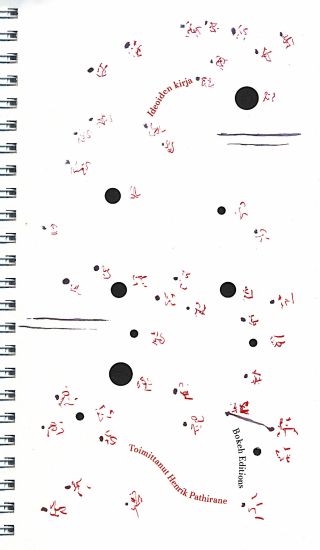
Runoilija, kuvataiteilija Henrik Pathiranen toimittama Ideoiden kirja sisältää kuudentoista suomenkielisen nykyrunoilijan "ideoita runoiksi tai runokirjoiksi, -esityksiksi, -teoiksi tai -teoksiksi".Teokseen koottu katkelmallinen proosa on täynnä mahdollisuuksia ja ehdotuksia, joista jotkin ovat täysin toteuttamiskelpoisia, jopa arkisia, toiset puhtaasti käsitteellisiä. Teoksen innoittajana ovat 1960-luvulla alkunsa saaneen Fluxus-liikkeen samantapaiset projektit.Ideoiden kirja tuo havainnollisesti esille sen, ettei ammattitaiteilijoilla koskaan ole pulaa ideoista tai ajatusmateriaalista; taiteilijat ovat juuri uusien ja yllättävien mahdollisuuksien ammattilaisia.Kierreselkäisen kokoomateoksen editio on 150 kpl, ja kappaleet on numeroitu.