Kirjojen hintavertailu. Mukana 11 342 296 kirjaa ja 12 kauppaa.

Kirjahaku

Etsi kirjoja tekijän nimen, kirjan nimen tai ISBN:n perusteella.

1000 tulosta hakusanalla Marcel Proust

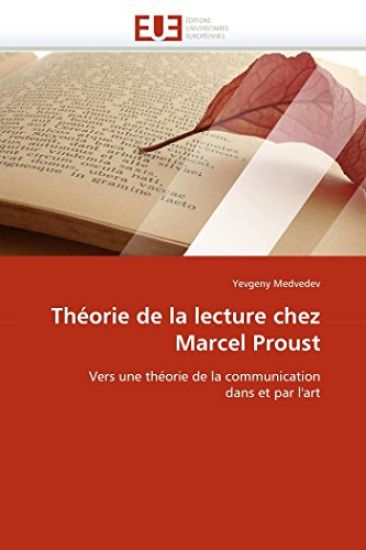
Tableaux Littéraires: Les Marines Dans l'Oeuvre de Marcel Proust
Comment Proust cree-t-il de veritables tableaux, des marines en l'occurrence, et comment les integre-t-il dans son roman? En quoi les tableaux proustiens different-ils d'autres descriptions litteraires? Raconter un paysage ne va pas de soi comme le montre l'analyse de differentes descriptions de tableaux de paysage dans des Salons ou dans des ecrits sur la peinture. De nombreux critiques d'art ont prefere s'adonner a la description d'autres genres et n'evoquent que sommairement le genre du paysage, plus difficile a capter de facon intellectuelle. Par contre, en ce qui concerne le domaine de la fiction, la litterature francaise est prodigue de descriptions de la mer (Chateaubriand, Michelet, Hugo, Balzac, Stendhal, Flaubert, Zola, Rimbaud et d'autres). L'accent toutefois y est moins mis sur la visualisation de la mer que sur l'ambiance evoquee et creee par sa presence. En analysant les tableaux proustiens a l'aide de differents parametres comme le cadre, la perspective, la visualisation ou la citation de peintres reels, l'auteur de cette etude a tente de montrer le statut tout a fait exceptionnel des marines proustiennes et la proximite de Proust et de la peinture."
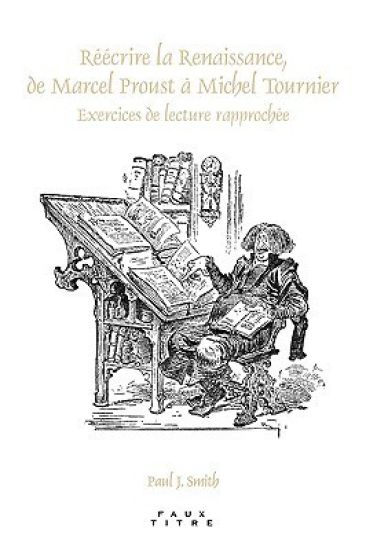
Réécrire la Renaissance, de Marcel Proust à Michel Tournier
Réécrire la Renaissance, de Marcel Proust à Michel Tournier présente neuf lectures rapprochées autour d’un thème commun : la réécriture de la Renaissance dans la littérature française au XXe siècle. Paul J. Smith nous invite à une promenade littéraire chez quelques grands auteurs du siècle dernier – Proust, Yourcenar, Albert Cohen, Céline, Ponge, René Char, Perec, François Bon et Tournier – afin d’y étudier la présence de Rabelais et de Montaigne, et la réécriture de quelques thèmes chers à la Renaissance (le philosophe ambulant, le Juif Errant, la théorie des quatre éléments, la mythification de Jeanne d’Arc…). Ces essais se proposent non seulement d’éclairer tel ou tel aspect particulier des œuvres de ces auteurs modernes, mais également d’élargir cette vision à l’ensemble de leurs créations littéraires. Dans les cas de Proust, Céline, Ponge et Perec, la lecture rapprochée des Modernes, en proposant un autre regard sur ces écritures, permet de renouveler notre vision des auteurs de la Renaissance.
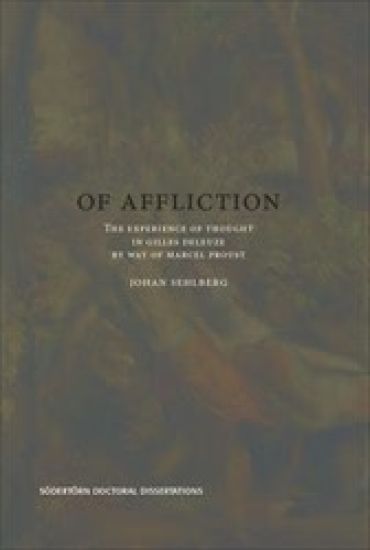
Of Affliction : The Experience of Thought in Gilles Deleuze by way of Marcel Proust
What is an act of thinking beyond the traditional image of thought? Who or what is its subject and to whom or what does it give voice? Under what conditions is thinking learned and to what effects is it achieved? If these questions generally imbue the thought of Gilles Deleuze from "Nietzsche and Philosophy" (1962) up to "Difference and Repetition" (1968), it is arguably in Proust and Signs (1964) that the questions concerning the essence and conditions of thought are elaborated to the greatest extent and effect. Whereas "Nietzsche and Philosophy" and "Difference and Repetition" have been extensively analysed as systematic works of philosophy in their own right, Deleuze’s early work on Proust has not been adequately recognised for its significance in overturning the classical question “what is thinking?” This study sets out to remedy this oversight. The aim of this study is to explicate in what ways the general problem surrounding the experience of thought finds concrete articulation for Deleuze in Proust’s In "Search of Lost Time" (1913-1927). For it is Proust who not only destroys the image of thought intrinsic to the tradition of philosophy in an iconoclastic fashion, but dramatises the experience of thought as experimentation beyond the figures of the dogmatist, the moralist, and the conformist in philosophy. Johan Sehlberg is a researcher and lecturer in philosophy at Södertörn University. This is his doctoral dissertation.
Propos de peintre, première série de David à Degas Ingres, David, Manet, Degas, Renoir, Cézanne, Whistler, Fantin-Latour, Ricard, Conder, Beardsley, etc. Préface par Marcel Proust (Edition1)
Discover the timeless wisdom of "Systematic Theology (Volume 1)" by Augustus Hopkins Strong, a masterpiece that has shaped theological thought for generations. Once out of print for decades, this seminal work has been meticulously republished by Alpha Editions, offering both current and future generations the opportunity to delve into its profound insights. Strong's comprehensive exploration of Christian doctrine is not just a book-it's a collector's edition that belongs on the shelf of every serious thinker and believer. With clarity and depth, Strong navigates the complexities of theology, making it accessible and engaging for all readers. Whether you're a scholar, a student, or simply curious about the foundations of faith, this volume is an essential addition to your library. Don't miss the chance to own a piece of theological history that continues to inspire and enlighten.
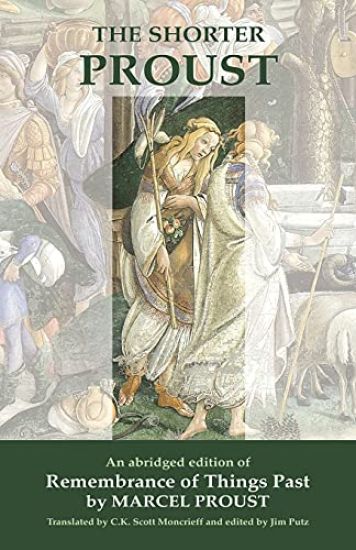
The Shorter Proust

The Shorter Proust

Marcel Proust

The Cloister House Press
2021
nidottu
'A la Recherche du Temps Perdu' by Marcel Proust is a magnificent and towering achievement of French literature, published in English translation in twelve volumes between 1922 and 1931, and totalling nearly one and a half million words. It is difficult for many readers to find the time and motivation needed to keep going through to the end as Proust has a rich and sometimes discursive style. However, a powerful structure underlies the whole work which is not revealed till the last chapter. This selection, which is less than a quarter of the original, includes all the crucial characters, places and themes needed to understand this and omits everything else. It is not intended to improve the original novels by editing, as many wonderful passages and descriptions have been left out. The style of the book in its vocabulary and sentence structure is unaltered. Nothing is paraphrased or condensed. The text reads as a continuous lively narrative with much of Proust's wit and humour and follows the sequence of the original, showing the development of all the major characters and including all the incidents which are referred to in the closing passages which resolve the whole novel. Proust himself encouraged the publication of "selected passages showing a coherent whole which is not diffused and will make one want to read the whole book" and this is the aim of this selection. It is intended to inspire the reader to go to the full text and enjoy individual sections in the knowledge of where they fit into the whole.