Kirjojen hintavertailu. Mukana 12 595 353 kirjaa ja 12 kauppaa.

Kirjahaku

Etsi kirjoja tekijän nimen, kirjan nimen tai ISBN:n perusteella.

1000 tulosta hakusanalla Marin

Marine Algae

Marine Algae

CRC Press
2020
nidottu
This book is divided into three thematic areas. The first covers a revision of the taxonomy of algae, based on the algae portal, as well as the general aspects of biology and the methodologies used in this branch of marine biology. The second subject area focuses on the use of algae in environmental assessment, with an intensive implementation in Western economies and some emerging economies. The third topic is the potential use of algae in various industries including food, pharmaceuticals, cosmetics, agricultural fertilizers, and the emerging biofuels industries.
Marine Microbial Bioremediation
Increased industrialization and urbanization has polluted the marine environment, the largest ecosystem. Hence, sincere efforts must be made to decontaminate marine ecosystem for sustainable use of oceans and their bioresources. Microbial population in the marine environment plays a very crucial role in degrading, transforming and detoxifying the pollutants. This book presents contributions from leading scientists across the globe who have worked extensively on polluted marine ecosystem in removal of pollutants, mycoremediation of salinity ingressed soils, etc. This book will be useful to the scientific community, stake holders and policy makers involved in research related to environmental microbiology and marine microbiology in particular. The book will also be of benefit to the student community interested in marine microbial bioremediation.
Marine Eutrophication

Marine Eutrophication

Michael Karydis; Dimitra Kitsiou

CRC Press
2021
nidottu
Marine eutrophication has been recognized as a global problem with adverse effects on ecosystem’s health and the economies of coastal states. Most conventions regarding marine environmental protection of Regional Seas have given priority to eutrophication and relevant management practices. This book presents a global perspective of eutrophication in most of the Regional Seas, including the legal framework, assessment and management practices. Information on ecosystem’s impact as well as an outline of the methods used for assessing eutrophication is also provided. This volume will be useful to research students, marine scientists and policy makers working in marine environmental management.Key Features:Contributes to the understanding of the eutrophication processes and problemsPresents an extensive account of the data analysis methods used for the quantitative assessment of eutrophicationLooks the eutrophication status of the main regional seasProvides information on eutrophication politics and measures to mitigate eutrophication
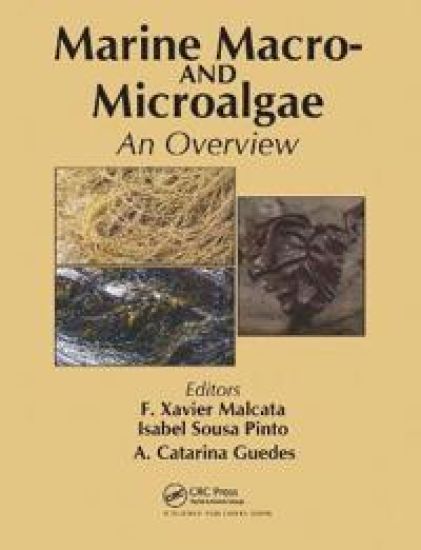
Marine Macro- and Microalgae
The marine environment accounts for most of the biodiversity on our planet, while offering a huge potential for the benefit and wellbeing of mankind. Its extensive resources already constitute the basis of many economic activities – but many more are expected in coming years. This book covers current knowledge on uses of marine algae to obtain bulk and fine chemicals, coupled with optimization of the underlying production and purification processes. Major gaps and potential opportunities in this field are discussed in a critical manner.The currrent trends pertaining to marine macro- and microalgae are explained in a simple and understandable writing style. This book covers a wide variety of topics, and as such it will be appropriate as both student text and reference for advances researchers in the field.
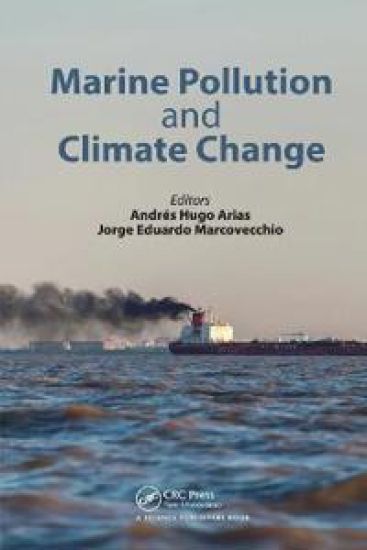
Marine Pollution and Climate Change
This book presents a broad overview of pollution issues facing climatic, economic, and legal globalization. Topics include changes in oceans from ancient times to the present, the importance of marine currents and changing climates, marine pollution linked to climate change (fossil fuels, global carbon dioxide, heavy metals, pesticides, plastics, emerging pollutants, and marine debris), global shipping and species invasion, global climate change in the Arctic and Antarctic environments, and regulatory responses to mitigate pollution and climate change in oceans.
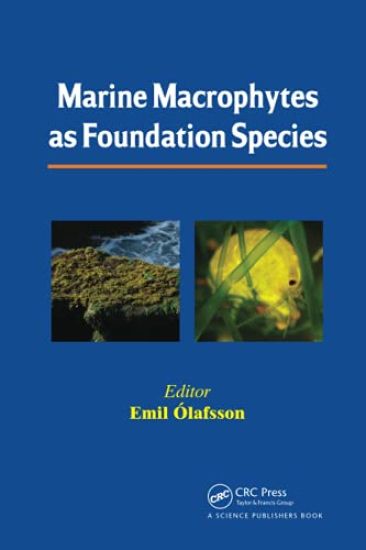
Marine Macrophytes as Foundation Species
Marine macrophytes (macroalgae, seagrasses, and mangroves) comprise thousands of species distributed in shallow water areas along the world’s coastlines. They play a key role in marine ecosystems regarding biodiversity and energy flow. A large proportion of macrophyte species can be characterised as ecosystem engineers—organisms that directly or indirectly affect the availability of resources to other species by modifying, maintaining, and creating habitats. This book is divided into three main themes:• Marine macroalgae and seagrasses as sources of biodiversity gives an overview of the diversity of the main organisms associated with macrophytes, and their functional role and interactions within their hosts.• Primary and secondary production of Macrophytes synthesizes research on food web structures derived from/or associated with, macrophytes and the transfer of macrophytic primary and secondary production from one ecosystem to another.• Threats to macrophytic ecosystem engineers addresses human-induced effects including eutrophication, physical destruction, invasive species, and global warming. The book is among the first one to concentrate on the value of macrophytes for the well-being of marine habitats. The book is aimed at academics but may be useful for students, policy makers, and laymen alike.
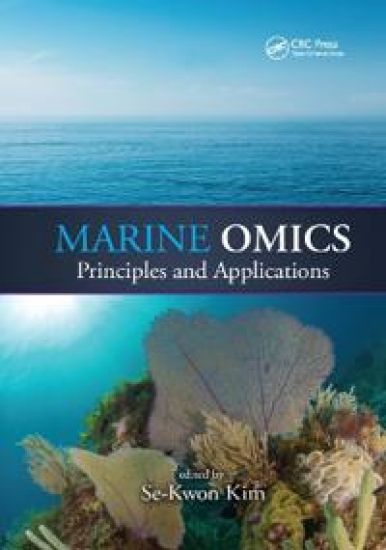
Marine OMICS

Marine OMICS

CRC Press
2019
nidottu
This book provides comprehensive coverage on current trends in marine omics of various relevant topics such as genomics, lipidomics, proteomics, foodomics, transcriptomics, metabolomics, nutrigenomics, pharmacogenomics and toxicogenomics as related to and applied to marine biotechnology, molecular biology, marine biology, marine microbiology, environmental biotechnology, environmental science, aquaculture, pharmaceutical science and bioprocess engineering.
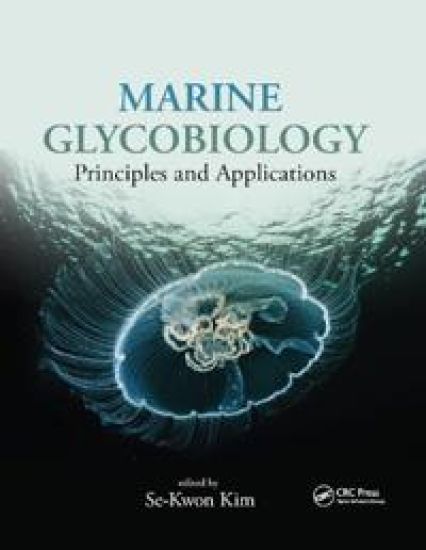
Marine Glycobiology
Marine glycobiology is an emerging and exciting area in the field of science and medicine. Glycobiology, the study of the structure and function of carbohydrates and carbohydrate-containing molecules, is fundamental to all biological systems and represents a developing field of science that has made huge advances in the last half-century. This book revolutionizes the concept of marine glycobiology, focusing on the latest principles and applications of marine glycobiology and their relationships.
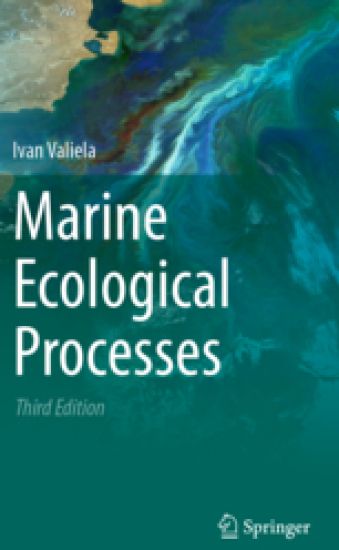
Marine Ecological Processes

Marine Ecological Processes

Ivan Valiela

Springer-Verlag New York Inc.
2016
sidottu
The oceans represent a vast, complex and poorly understood ecosystem. Marine Ecological Processes is a modern review and synthesis of marine ecology that provides the reader with a lucid introduction to the intellectual concepts, approaches, and methods of this evolving discipline. Comprehensive in its coverage, this book focuses on the processes controlling marine ecosystems, communities, and populations and demonstrates how general ecological principles--derived from terrestrial and freshwater systems as well--apply to marine ecosystems.Global warming and increased eutrophication and wetland destruction in recent years has made the study of ecological processes even more important for the preservation of marine environments. This thoroughly updated and expanded edition will provide students of marine ecology, marine biology, and oceanography with numerous illustrations, examples, and references which clearly impart to the reader the current state of research in thisfield: its achievements as well as unresolved controversies.
Marine Fish Culture

Marine Fish Culture

John W. Tucker Jr.

Chapman and Hall
1998
sidottu
4 Water Sources ........................................ 149 Criteria ............................................. 149 Major types .. . . . . . . . . . . . . . . . . . . . . . . . . . . . . 150 . . . . . . . . . . . . Summary ............................................ 152 5 Water Treatment ...................................... 155 Requirements . . . . . . . . . . . . . . . . . . . . . . . . . . . . . 155 . . . . . . . . . . . . Materials ............................................ 155 Treatment options . . . . . . . . . . . . . . . . . . . . . . . . . . . 156 . . . . . . . . . . . System design ........................................ 169 System monitoring and control . . . . . . . . . . . . . . . . . . . . . 172 . . . . . . . . Environmental considerations .............................. 174 Summary ............................................ 174 6 Culture Units ......................................... 175 Considerations in choosing culture units ...................... 175 Characteristics of culture units . . . . . . . . . . . . . . . . . . . . . 175 . . . . . . . . Applications of culture units .............................. 191 Hatchery design " . . . . . . . . . . . . . . . . . . . . . . . . . . 208 . . . . . . . . . . . Summary ............................................ 210 7 Obtaining Fish for Stocking . ............................. 211 Stock from the wild .................................... 211 Stock from the hatchery ................................. 211 Spermatogenesis (sperm formation) ....................... 232 Oogenesis (egg formation) ............................. 232 Oocyte maturation ................................... 233 Endocrine control of oocyte maturation and ovulation .......... 237 fuduced ovulation . . . . . . . . . . . . . . . . . . . . . . . . . . 238 . . . . . . . . . . Timing and egg quality . . . . . . . . . . . . . . . . . . . . . . . 257 . . . . . . . . . Artificial fertilization ................................. 265 Care ofeggs ....................................... 267 Storage of gametes ................. ' .................. 269 Natural ovulation . . . . . . . . . . . . . . . . . . . . . . . . . . 270 . . . . . . . . . . Care of broodfish . . . . . . . . . . . . . . . . . . . . . . . . . . 289 . . . . . . . . . . Egg collection .. . . . . . . . . . . . . . . . . . . . . . . . . . . 290 . . . . . . . . . . fuduced vs natural ovulation ............................ 290 Broodfish adaptability . . . . . . . . . . . . . . . . . . . . . . . . . 291 . . . . . . . . . . Examples ............................................ 291 Genetic considerations . . . . . . . . . . . . . . . . . . . . . . . . . 295 . . . . . . . . . . Hybridization . . . . . . . . . . . . . . . . . . . . . . . . . . . . . 296 . . . . . . . . . . . . Sex control .......................................... 296 Summary . . . . . . . . . . . . . . . . . . . . . . . . . . . . . . . 298 . . . . . . . . . . . . . vi 8 Nutrition of Larval Fish . .. . . . . . . . . . . . . . . . . . . . . 299 . . . . . . . . . . Feeding criteria ....................................... 299 Choice and culture of foods . . . . . . . . . . . . . . . . . . . . . . 307 . . . . . . . . . General feeding practices . . . . . . . . . . . . . . . . . . . . . . . 336 . . . . . . . . . . Specific feeding practices ................................ 352 General methods used in our hatchery . . . . . . . . . . . . . . . . . 372 . . . . . . . Industrial-scale larval food processing in Italian hatcheries ......... 373 Summary ............................................ 374 9 Nutrition of Juvenile and Adult Fish ...................... 375 ............................. 375 Requirements and components Broodstock nutrition .................................... 407 Nutritional disorders .................................... 408 Environmental considerations . . . . . . . . . . . . . . . . . . . . . 411 . . . . . . . . . Feed studies . . . . . . . . . . . . . . . . . . .. . . . . . . . . . . 411 . . . . . . . . . . . . Suggested feed formulas ................................. 460 Making and storing feeds ................................ 461 Feeding methods ...................................... 464 Summary ............................................ 467 10 Energetics ............................................ 469 Energy budget components and influencing factors . . . . . . . . . . . 469 . . . .
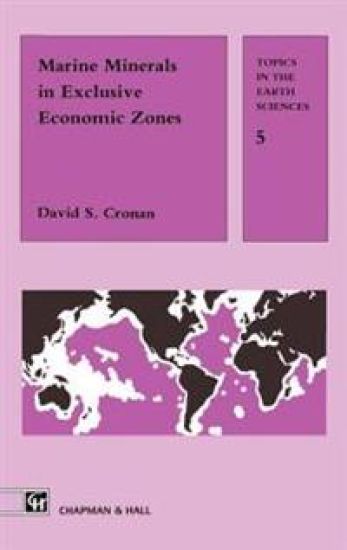
Marine Minerals in Exclusive Economic Zones
In the last ten years offshore mineral exploration programmes have increasingly concentrated on the 200 mile Exclusive Economic Zones adjacent to coastal states. This book gives an integrated treatment of the various mineral types occuring in these zones, their genesis, distribution and economic importance. The book opens with a broad overview of the subject and discusses the legislative issues relevant to marine and mineral exploitation. Chapters then deal in turn with aggregates, placers, precious coral, phosphorites, manganese nodules, cobalt-rich manganese crusts and hydrothermal deposits. An international set of case studies illustrates each type of deposit, many studies based on the author's own experience in marine mineral evaluation programmes around the world during the past 25 years. This book should be of interest to economic and mining geologists, marine geologists and mineral economists.
Marine Interstitial Ciliates

Marine Interstitial Ciliates

P. Carey

Chapman and Hall
1991
sidottu
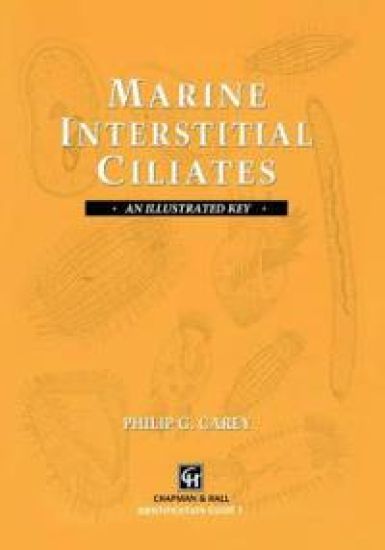
The ciliated protozoa are important members of the interstitial biotope by virtue of their numbers and biomass. These single celled organisms form complex communities in the spaces between sandgrains in many marine sediments. Despite their important role in benthic ecology, there has been a lack of detailed studies on this large and fascinating group. Although difficult and demanding to work with, the most important aspect that has hampered research on these fragile organisms has been the lack of a suitable identification guide. This book describes all the specialized techniques necessary for the collection and transport and covers in detail many laboratory procedures that have been developed for these organisms. The bulk of the book is taken up by an identification guide to all species inhabiting marine sands worldwide. Diagnostic keys to 67 families, together with 179 generic descriptions are followed by keys to all 937 species considered valid. Detailed species descriptions are given, many in English for the first time, together with all essential diagrams in a total of 108 plates. The keys are easy to interpret and there is a glossary of specialist terms. There is a list of references and a systematic index to all species and their synonyms. A diagnostic key to species is a useful prerequisite to further studies of the ciliates, consequently this key has been eagerly awaited by many workers in marine life sciences. This guide should enable both specialist and non-specialist to identify to species level and should be fundamental to future meiobenthic research. This book should be of interest to research and professional marine biologists, ecologists and marine microbiologists.
Marine Protected Areas

Marine Protected Areas

Chapman and Hall
1995
sidottu
Marine protected areas (MPAs) have an important role in marine conserva­ tion programmes around the world. Although most have been established relatively recently when compared with protected areas on land, there is considerable expertise on their identification, setting up and management. Some techniques have been adapted from those used on land. Others are novel, and unique to marine conservation. The chapters in this book give an insight into this fast developing field where experiment and innovation work alongside techniques which have been tried and tested. The guiding princi­ ples behind key stages in the setting up and management of MP As are described, and case studies illustrate how they have worked. While it is most encouraging to read about the successes, the case studies also point to difficulties which have been encountered. Not all of the examples are new or recent but, together, they illustrate what is happening in this field.
Marine Permian of England

Marine Permian of England

D.B. Smith

Chapman and Hall
1994
sidottu
This book is concerned almost wholly with a diverse suite of carbonate rocks that were formed near the margins of shallow tropical seas during the last 5-7 million years of the Permian period (300-251 Ma). These unique rocks, collectively known as the Magnesian Limestone, have been studied for more than 160 years and the names of some of the early workers - Geinitz, Murchison, Phillips, Sedgwick, Sorby - would grace any geological hall of fame. Despite this formidable assault, and the efforts of a host of later workers, the Magnesian Limestone still retains many of its secrets. Permian marine rocks crop out on both sides of the Pennines, but those of the Zechstein Sea to the east are by far the thicker and more varied, and in these lie all but one of the sites selected for special protection. Detailed accounts of the rocks in 26 such sites form about half of this book and the normal and special features of these sites are compared, contrasted and placed in their mutual context in the remainder of the book. The sites were selected according to a range of criteria, including uniqueness, representativeness, historical importance and suitability for teaching purposes and research; most are inland quarries but a few are in the unrivalled coastal cliffs of classical County Durham where the main difficulty lies in deciding what not to select.
Marine Structures Engineering: Specialized Applications
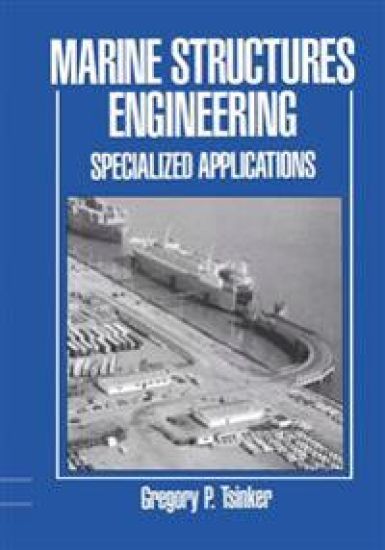
Marine Structures Engineering is designed to help engineers meet the growing worldwide demand for construction of new ports and the modernization of existing ports and terminals. It provides an authoritative guide to the design, construction, rehabilitation, repair, and maintenance of port and harbor structures. Each chapter is self-contained, allowing readers to access specific information. The Author draws on his extensive experience in offshore structure and port engineering to demonstrate evaluation, rehabilitation, repair, and maintenance of in-service marine structures. Also covered in detail are state-of-the-art approaches to: *marine structures in cold regions, with special attention to the role of ice loads, permafrost, and other ice effects *shiplifts, marine railways, shipways, and dry docks *offshore moorings *floating breakwaters *marinas *structures that protect bridge piers from ship impact. Offering practical information on all aspects of marine structures, this book serves as an indispensable resource to all engineers and professionals involved in design, construction, maintenance, and modernization of ports and harbors.
Marine Mineral Resources

Marine Mineral Resources

Fillmore C. F. Earney

Routledge
1989
sidottu
During the past century, scientists, world statesmen, and international entrepreneurs have become increasingly aware of the potential of the oceans as a source of minerals. This book provides an authoritative picture of the current state of marine mineral extraction. A major work of reference, it will be essential reading for both those engaged in maritime studies and for professional organisations involved in the extraction of underwater minerals.
Marine Management in Disputed Areas

Marine Management in Disputed Areas

Robin Churchill; Geir Ulfstein

Routledge
1992
sidottu
As world natural resources diminish and the necessity of protecting our environment becomes critical, the need for efficient marine management increases. However, marine boundaries are not easily defined and in disputed areas the prospect of sound management is difficult. The Barents Sea is a perfect example of this. Despite being rich in living resources, the area remains under developed and its eco-system is under growing threat. This inefficient management is largely due to two legal disputes, both of which involve the USSR. Marine Management in Disputed Areas examines the complicated management of the Barents Sea, as well as offering a detailed analysis of two highly sensitive legal disputes.
Marine Electronic Navigation

Marine Electronic Navigation

Stephen F. Appleyard

Routledge
1988
sidottu
A classic reference text for both nautical students and for all who have a professional involvement with marine electronic navigation systems, this second edition has been substantially enlarged to include all of the electronic systems now encountered by navigation / communication personnel.
Marine Tourism

Marine Tourism

Mark Orams

Routledge
1998
nidottu
Marine Tourism examines both successful and unsuccessful tourism in coastal and marine environments. The author provides an overview of the history, development and growth of marine tourism and describes the characteristics of 'marine tourists' and the 'vendors' of these tourist activities. The book includes case studies of specific types of tourism including:* the cruise ship industry, * whale and dolphin watching,* yachting - the America's Cup,* personal water crafts and other water sports* and maritime museums and festivals. in locations including Brighton, UK, the Florida Keys and Hawaii, USA Caribbean islands, New Zealand and Australia's Great Barrier Reef. The final section examines tourism impacts on marine ecosystems and coastal communities and explores management techniques aimed at reducing negative impacts and maximizing the benefits of marine tourism.
Marine Tourism

Marine Tourism

Mark Orams

Routledge
1998
sidottu
Marine Tourism examines both successful and unsuccessful tourism in coastal and marine environments. The author provides an overview of the history, development and growth of marine tourism and describes the characteristics of 'marine tourists' and the 'vendors' of these tourist activities. The book includes case studies of specific types of tourism including:* the cruise ship industry, * whale and dolphin watching,* yachting - the America's Cup,* personal water crafts and other water sports* and maritime museums and festivals. in locations including Brighton, UK, the Florida Keys and Hawaii, USA Caribbean islands, New Zealand and Australia's Great Barrier Reef. The final section examines tourism impacts on marine ecosystems and coastal communities and explores management techniques aimed at reducing negative impacts and maximizing the benefits of marine tourism.