Kirjahaku
Etsi kirjoja tekijän nimen, kirjan nimen tai ISBN:n perusteella.
1000 tulosta hakusanalla Mark David
Going Dirty is a history of negative campaigning in American politics and an examination of how candidates and political consultants have employed this often-controversial technique. The book includes case studies on notable races throughout the television era in which new negative campaign strategies were introduced, or existing tactics were refined and amplified upon. Strategies have included labeling opponents from non-traditional political backgrounds as dumb or lightweight, an approach that got upended when a veteran actor and rookie candidate named Ronald Reagan won the California governorship in 1966, setting him on a path to the White House. The negative tone of campaigns has also been ratcheted up dramatically since the terrorist attacks of September 11, 2001: Campaign commercials now routinely run pictures of international villains and suggest, sometimes overtly, at other times more subtly, that political opponents are less than resolute in prosecuting the war on terror. The book also outlines a series of races in which negative campaigning has backfired, because the charges were not credible or the candidate on the attack did not understand the political sentiments of the local electorate they were trying to persuade. The effect of newer technologies on negative campaigning is also examined, including blogs and Web video, in addition to tried and true methods like direct mail.
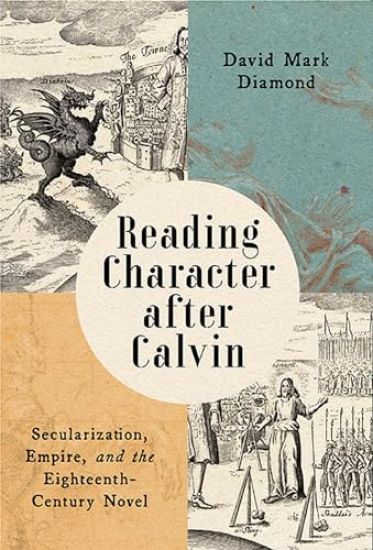
How Calvinist theology helps us read characters in the early British novel, shedding new light on the origins of modern secularism The strangeness of fictional characters in the eighteenth-century novel has been well documented. They are two-dimensional yet complex; they suggest unstable correspondences between the external and the internal. In Reading Character after Calvin, David Mark Diamond traces the religious genealogy of such figures, arguing that two-dimensionality reproduces through form a model of interpretation that originates in Calvinist Protestant theology. In Calvin’s teachings, every person possessed a spiritual status as saved or damned, and their external features ostensibly reflected this inward condition. This belief, however, was always haunted by the possibility of a discrepancy between the two. Diamond shows how Calvinism survives in the pages of early novels as a guide to discerning religious hypocrisy and, eventually, distinctions related to imperial race-making. He tracks the migration of Calvinist character detection from its original, sectarian contexts to the worlds of eighteenth-century fiction, revealing the process by which religion came unbound from doctrinal orthodoxy and was grafted onto the ambition of racialized global dominion. Analyzing a diverse set of texts, Diamond offers a fresh account of both how literary character worked and how it works to naturalize, question, or critique the violence of empire.
This work has been selected by scholars as being culturally important and is part of the knowledge base of civilization as we know it.This work is in the public domain in the United States of America, and possibly other nations. Within the United States, you may freely copy and distribute this work, as no entity (individual or corporate) has a copyright on the body of the work.Scholars believe, and we concur, that this work is important enough to be preserved, reproduced, and made generally available to the public. To ensure a quality reading experience, this work has been proofread and republished using a format that seamlessly blends the original graphical elements with text in an easy-to-read typeface.We appreciate your support of the preservation process, and thank you for being an important part of keeping this knowledge alive and relevant.
Virgil and Artis Tucker are brothers growing up in a small Georgia town, traveling through life on different paths. After their father died when they were young, Virgil buckled down, worked hard, earned a law degree and returned to Jonesville to be the local district attorney, making his mother proud. Artis struggles to find his way - barely getting through high school, drifting from one dead-end job to another, making people angry and frustrating his brother all the way. But Virgil won't turn his back on his family, and is always there to pick Artis up when he falls. And now, one of the town's shadier characters has turned up dead, and even though nobody will miss Bobby Arnold, the local sheriff knows he has to find the killer. As the investigation progresses, Artis's name turns up more and more, and it begins to look like he's involved in something that even Virgil might not be able to fix.
Deep in the Syrian Desert, American and Israel intelligence is convinced Jihad terrorists are backing Dr. Daoud Hakim's research in some biological weapon. Yet who could infiltrate this dangerous situation to determine the true nature of the threat? Given an option, it would not be Dr. Wilson Meadows, a noted Viral Immunologist, who has already defeated a neo-Nazi plot and been targeted by the Mossad for his efforts in the past. But Wilson's options become either face this danger or loss all his funding from the American coalition behind his research. Wilson and his Angie contact his ex-college acquaintance Dr. Hakim, hoping to get the required information and end their involvement. But when Wilson realizes the fate of the free world is threatened by Hakim's devious and undetectable method to spread the Bubonic Plague, he and Angie are forced into action. With Mossad still on their heels and the Syrian Islamic Jihadists and Hamas terrorist organizations all bent on killing them, will their efforts stop this madman come in time?
Little Mermaids Piano Lesson Activity Book 1
David Mark Bignell
Independently Published
2019
pokkari
Come and learn to play with Mermaid Alisha in a collection of simple Piano songs arranged in traditional notation with corresponding fingering diagrams and activity pages including colouring in, quizzes and challenges. This book can accelerate your child's learning with our fingering diagram system which allows them to play and perform easily.
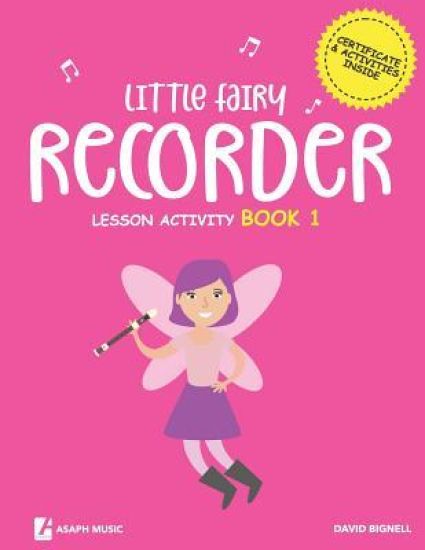
Little Fairy Recorder Lesson Activity Book 1
David Mark Bignell
Independently Published
2019
pokkari
Come and learn to play with Fairy Alisha in a collection of simple recorder songs arranged in traditional notation with corresponding fingering diagrams and activity pages including colouring in, quizzes and challenges. This book can accelerate your child's learning with our fingering diagram system which allows them to play and perform easily.
Considered a classic by an entire generation of Mac programmers, this popular guide has been updated for Mac OS X. Don't know anything about programming? No problem! Acclaimed author Dave Mark starts out with the basics and takes you through a complete course in programming C using Apple's free Xcode tools. This book is perfect for beginners learning to program. It includes Mac OS X examples! Provides best practices for programming newbies Written by the expert on C–programming for the Mac Presents all the basics with a pragmatic, Mac OS X-flavored approachIncludes updated source code which is fully compatible with Xcode 4
The Cocoa frameworks are some of the most powerful frameworks for creating native desktop applications available on any platform today, and Apple gives them away, along with the Xcode development environment, for free! However, for a first-time Mac developer, just firing up Xcode and starting to browse the documentation can be a daunting task. The Objective-C class reference documentation alone would fill thousands of printed pages, not to mention all the other tutorials and guides included with Xcode. Where do you start? Which classes are you going to need to use? How do you use Xcode and the rest of the tools? This book answers these questions and more, helping you find your way through the jungle of classes, tools, and new concepts so that you can get started on the next great Mac OS X application today. Jack Nutting is your guide through this forest; he's lived here for years, and he'll show you which boulder to push, which vine to chop, and which stream to float across in order to make it through. You will learn not only how to use the components of this rich framework, but also which of them fit together, and why. Jack Nutting's approach, combining pragmatic problem-solving with a deep respect for the underlying design philosophies contained within Cocoa, stems from years of experience using these frameworks. He'll show you which parts of your application require you to jump in and code a solution, and which parts are best served by letting Cocoa take you where it wants you to go. The path over what looks like a mountain of components and APIs has never been more thoroughly prepared for your travels. With Jack's guidance, the steep learning curve becomes a pleasurable adventure. There is still much work for the uninitiated, but by the time you're done, you will be well on your way to becoming a Cocoa master.
iPhone Advanced Projects
David Mark; Dylan Bruzenak; Joachim Bondo; Owen Goss; Peter Honeder; Ray Kiddy; Steve Finkelstein; Tom Harrington; Jonathan Saggau; Noel Llopis; Ben Smith; Joe Pezzillo; Florian Pflug; Roderick Smith
APress
2009
nidottu
As the fourth book in our series of iPhone Projects based on the work and experiences of iPhone, this volume takes on the more advanced aspects of iPhone development. The first generation of iPhone applications has hit the App Store, and now it's time to optimize performance, streamline the user interface, and make every successful iPhone app just that much more sophisticated. Paired with Apress's bestselling Beginning iPhone Development: Exploring the iPhone SDK, you'll have everything you need to create the next great iPhone app that everyone is talking about. Optimize performance. Streamline your user interface. Do things with your iPhone app that other developers haven't attempted. Along with series editor Dave Mark, your guides for this exploration of the next level of iPhone development, include: Ben “Panda” Smith, discussing particle systems using OpenGL ES Joachim Bondo, demonstrating his implementation of correspondence gaming in the most recent version of his chess application, Deep Green. Tom Harrington implementing streaming audio with Core Audio, one of many iPhone OS 3 APIs. Owen Goss debugging those pesky errors in your iPhone code with an eye toward achieving professional-strength results. Dylan Bruzenak building a data-driven application with SQLite. Ray Kiddy illustrating the full application development life cycle with Core Data. Steve Finkelstein marrying an offline e-mail client to Core Data. Peter Honeder and Florian Pflug tackling the challenges of networked applications in WiFi environments. Jonathan Saggau improving interface responsiveness with some of his personal tips and tricks, including “blocks” and other esoteric techniques. Joe Pezzillo pushing thefrontiers of APNS, the new in iPhone OS 3 Apple Push Notification Service that makes the cloud the limit for iPhone apps. Noel Llopis taking mere programmers into a really advanced developmental adventure into the world of environment mapping with OpenGL ES.
Interested in iPhone development? Want to learn more? Whether you’re a self-taught iPhone development genius or have just made your way through the pages of Beginning iPhone 3 Development, we have the perfect book for you. More iPhone 3 Development: Tackling iPhone SDK 3 digs deeper into Apple’s latest SDK. Best-selling authors Dave Mark and Jeff LaMarche explain concepts as only they can, covering topics like Core Data, peer-to-peer networking using GameKit and network streams, working with data from the web, MapKit, in-application e-mail, and more. All the concepts and APIs are clearly presented with code snippets you can customize and use, as you like, in your own apps. If you are going to write a professional iPhone app, you’ll want to get your arms around Core Data, and there’s no better place to do so than in the pages of this book. The book continues right where Beginning iPhone 3 Development left off with a series of chapters devoted to Core Data, the standard for persistence that Apple introduced to iPhone with SDK 3. Jeff and Dave carefully step through each of the Core Data concepts and show you techniques and tips specifically for writing larger applications—offering a breadth of coverage you won't find anywhere else. The Core Data coverage alone is worth the price of admission. But there's so much more. This book covers a variety of networking mechanisms, from GameKit’s relatively simple BlueTooth peer-to-peer model, to the addition of Bonjour discovery and network streams, through the complexity of accessing files via the web. Dave and Jeff will also take you through coverage of concurrent programming and some advanced techniques for debugging your applications. Whether you are a relative newcomer to iPhone development or an old hand looking to expand your horizons, there’s something for everyone in More iPhone 3 Development. Note: Afew of the apps in this book demonstrate technologies not yet supported by the simulator. To run them on your iPhone or iPod touch, you'll need to join one of Apple's paid iPhone developer programs.
Beginning iPhone 4 Development is here! The authors of the bestselling Beginning iPhone 3 Development are back, with the same excellent material completely updated for iOS 4 and written from the ground up using the latest version of Apple's Xcode 3. All source code has been updated to use the latest Xcode templates and current APIs, and all-new screenshots show Xcode 3 in action. Beginning iPhone 4 Development is a complete course in iOS 4 apps development. You’ll master techniques that work on iPhone, iPad, and iPod touch. We start with the basics, showing you how to download and install the tools you'll need, and how to create your first simple application. Next you’ll learn to integrate all the interface elements iOS users have come to know and love, such as buttons, switches, pickers, toolbars, and sliders. You’ll master a variety of design patterns, from the simplest single view to complex hierarchical drill-downs. The confusing art of tablebuilding will be demystified, and you’ll learn techniques to save and retrieve your data using SQLite, iPhone’s built-in database management system and Core Data, the standard for persistence that Apple brought to iOS with the release of SDK 3. And there’s much more! You’ll learn to draw using Quartz 2D and OpenGL ES, add multitouch gestural support (pinches and swipes) to your applications, and work with the camera, photo library, accelerometer, and built-in GPS. You’ll discover the fine points of application preferences and learn how to localize your apps for multiple languages. You'll also learn how to use the new concurrency APIs included in iOS 4, and make robust multithreaded applications using Grand Central Dispatch. The iPhone 4 update to the best-selling and most recommended book for Cocoa touch developers Written in an accessible, easy-to-follow style Full of useful tips and techniques to help you become an iOS pro NOTE: For iPhone 4S or iOS 5 apps development, please instead check out the next edition of this book, Beginning iOS 5 Development - now available.
The team that brought you the bestselling Beginning iPhone 4 Development is back again for Beginning iOS 5 Development, bringing this definitive guide up-to-date with Apple's latest and greatest iOS SDK, as well as with the latest version of Xcode. There's coverage of brand new technologies, with chapters on storyboards and iCloud, for example, as well as significant updates to existing chapters to bring them in line with all the changes that came with the iOS 5 SDK. You'll have everything you need to create your very own apps for the latest iOS devices, including the iPhone 4S, iPad 2, and the latest iPod touch. Every single sample program in the book has been rebuilt from scratch using Xcode 4.2 and the latest iOS 5-specific project templates and designed to take advantage of the latest Xcode features. Assuming only a minimal working knowledge of Objective-C, and written in a friendly, easy-to-follow style, Beginning iOS 5 Development offers a complete soup-to-nuts course in iPhone, iPad, and iPod touch programming. The book starts with the basics, walking through the process of downloading and installing Xcode and the iOS 5 SDK, and then guides you though the creation of your first simple application. From there, you'll learn how to integrate all the interface elements Apple touch users have come to know and love, such as buttons, switches, pickers, toolbars, and sliders. You'll master a variety of design patterns, from the simplest single view to complex hierarchical drill-downs. The confusing art of table building will be demystified, and you'll learn how to save your data using the iPhone file system. You'll also learn how to save and retrieve your data using a variety of persistence techniques, including Core Data and SQLite. And there's much more! You'll learn to draw using Quartz 2D and OpenGL ES, add multitouch gestural support (pinches and swipes) to your applications, and work with the camera,photo library, accelerometer, and built-in GPS. You'll discover the fine points of application preferences and learn how to localize your apps for multiple languages. The iOS 5 update to the bestselling and most recommended book for Cocoa touch developers Packed full of tricks, techniques, and enthusiasm for the new SDK from a developer perspective Written in an accessible, easy-to-follow style
Interested in iPhone and iPad apps development? Want to learn more? Whether you’re a self-taught iPhone and iPad apps development genius or have just made your way through the pages of Beginning iOS 6 Development, we have the perfect book for you. More iOS 6 Development: Further Explorations of the iOS SDK digs deeper into Apple’s latest iOS 6 SDK. Bestselling authors Dave Mark, Alex Horovitz, Kevin Kim and Jeff LaMarche explain concepts as only they can—covering topics like Core Data, peer-to-peer networking using GameKit and network streams, working with data from the web, MapKit, in-application e-mail, and more. All the concepts and APIs are clearly presented with code snippets you can customize and use, as you like, in your own apps. If you are going to write a professional iPhone or iPad app, you’ll want to get your arms around Core Data, and there’s no better place to do so than in the pages of this book. The book continues right where Beginning iOS 6 Development leaves off, with a series of chapters devoted to Core Data, the standard for Apple persistence. Dave, Alex, Kevin and Jeff carefully step through each Core Data concept and show techniques and tips specifically for writing larger apps—offering a breadth of coverage you won't find anywhere else. The Core Data coverage alone is worth the price of admission. But there's so much more! More iOS 6 Development covers a variety of networking mechanisms, from GameKit’s relatively simple BlueTooth peer-to-peer model, to the addition of Bonjour discovery and network streams, through the complexity of accessing files via the web. Dave, Alex, Kevin, and Jeff will also take you through coverage of concurrent programming and some advanced techniques for debugging your applications. The enhanced multitasking, threading, memory management and more are important. Apps are getting moreand more complex, including sophisticated game apps that offer virtual or augmented reality experiences and new mapping views that take advantage of sensors and other APIs in the newest iOS 6 SDK. Whether you are a relative newcomer to iPhone and iPad or iOS development or an old hand looking to expand your horizons, there’s something for everyone in More iOS 6 Development.
Beginning iOS 6 Development
David Mark; Jack Nutting; Jeff LaMarche; Fredrik Olsson
APress
2013
nidottu
The team that brought you the bestselling Beginning iPhone Development is back again for Beginning iOS 6 Development, bringing this definitive guide up-to-date with Apple's latest and greatest iOS 6 SDK, as well as with the latest version of Xcode. There's coverage of brand new technologies, with chapters on storyboards and iCloud, for example, as well as significant updates to existing chapters to bring them in line with all the changes that came with the iOS 6 SDK. You'll have everything you need to create your very own apps for the latest iOS devices, including the iPhone 4S, iPad 2, and the latest iPod touch. Every single sample app in the book has been rebuilt from scratch using latest Xcode and the latest 64-bit iOS 6-specific project templates and designed to take advantage of the latest Xcode features. Assuming only a minimal working knowledge of Objective-C, and written in a friendly, easy-to-follow style, Beginning iOS 6 Development offers a complete soup-to-nuts course in iPhone, iPad, and iPod touch programming. The book starts with the basics, walking through the process of downloading and installing Xcode and the iOS 6 SDK, and then guides you though the creation of your first simple application. From there, you’ll learn how to integrate all the interface elements Apple touch users have come to know and love, such as buttons, switches, pickers, toolbars, and sliders. You’ll master a variety of design patterns, from the simplest single view to complex hierarchical drill-downs. The confusing art of table building will be demystified, and you’ll learn how to save your data using the iPhone file system. You’ll also learn how to save and retrieve your data using a variety of persistence techniques, including Core Data and SQLite. And there’s much more! You’ll learn to draw using Quartz 2D and OpenGL ES, add multitouch gestural support (pinches and swipes) to yourapplications, and work with the camera, photo library, accelerometer, and built-in GPS. You’ll discover the fine points of application preferences and learn how to localize your apps for multiple languages. The iOS 6 update to the bestselling and most recommended book for Cocoa touch developers Packed full of tricks, techniques, and enthusiasm for the new SDK from a developer perspective Written in an accessible, easy-to-follow style
Considered a classic by an entire generation of Mac programmers, Dave Mark's Learn C on the Mac has been updated for you to include Mac OS X Mountain Lion and the latest iOS considerations. Learn C on the Mac: For OS X and iOS, Second Edition is perfect for beginners learning to program. It includes contemporary OS X and iOS examples! This book also does the following: • Provides best practices for programming newbies • Presents all the basics with a pragmatic, Mac OS X and iOS -flavored approach • Includes updated source code which is fully compatible with latest Xcode After reading this book, you'll be ready to program and build apps using the C language and Objective-C will become much easier for you to learn when you're ready to pick that up.