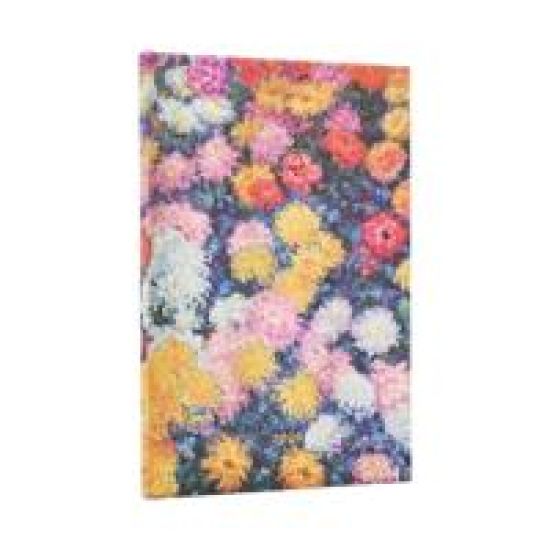
French artist Claude Monet, one of the founders of the Impressionist movement, was particularly fascinated with capturing the transient beauty of nature. In a virtuoso display of flowers, this 1897 work portrays a vibrant bed of chrysanthemums from his prized garden in Giverny.
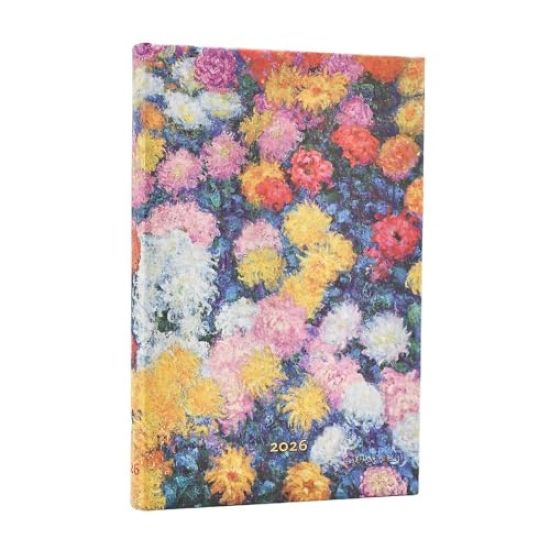
French artist Claude Monet, one of the founders of the Impressionist movement, was particularly fascinated with capturing the transient beauty of nature. In a virtuoso display of flowers, this 1897 work portrays a vibrant bed of chrysanthemums from his prized garden in Giverny.
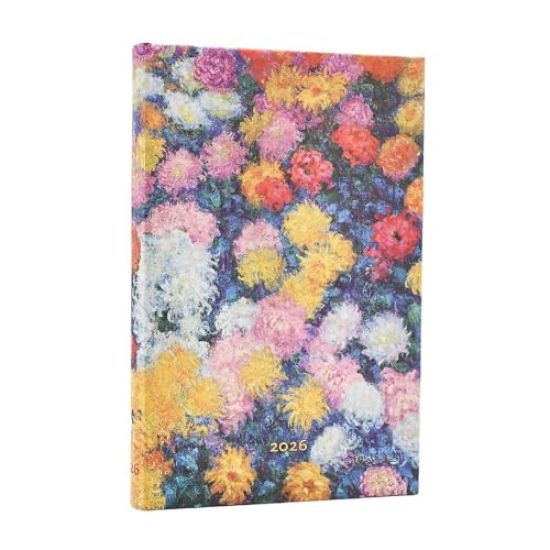
French artist Claude Monet, one of the founders of the Impressionist movement, was particularly fascinated with capturing the transient beauty of nature. In a virtuoso display of flowers, this 1897 work portrays a vibrant bed of chrysanthemums from his prized garden in Giverny.
French artist Claude Monet, one of the founders of the Impressionist movement, was particularly fascinated with capturing the transient beauty of nature. In a virtuoso display of flowers, this 1897 work portrays a vibrant bed of chrysanthemums from his prized garden in Giverny.
French artist Claude Monet, one of the founders of the Impressionist movement, was particularly fascinated with capturing the transient beauty of nature. In a virtuoso display of flowers, this 1897 work portrays a vibrant bed of chrysanthemums from his prized garden in Giverny.
French artist Claude Monet, one of the founders of the Impressionist movement, was particularly fascinated with capturing the transient beauty of nature. In a virtuoso display of flowers, this 1897 work portrays a vibrant bed of chrysanthemums from his prized garden in Giverny.
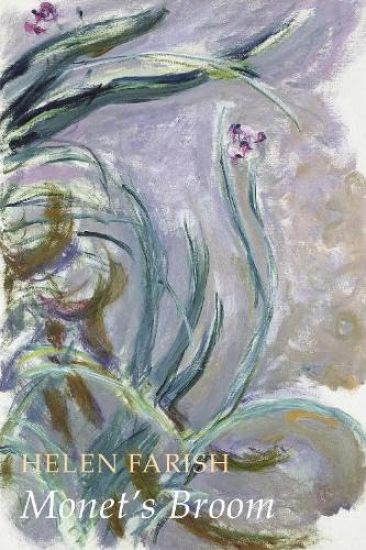
When Claude Monet died in 1926 he left behind over three thousand works of art, and in his last decade he was exploring as rigorously as in his early years what a painting could be. Helen Farish’s poems in Monet’s Broom emerge from a deep absorption in the work of this extraordinary artist who revered that most fragile and fleeting of things: the present moment. The inspiration for her collection is wide-ranging, drawing not only on the art itself, but also on the day Monet purchased the land which enabled him to create his water garden; or a photograph of the unvisited Musée de l’Orangerie in the 1930s; or an imagining of the trains which transported his painting materials during the First World War; or the voices of the grainstacks which stood in a field behind Monet’s house and which spoke to him of the ‘mournful kernel at the heart / of all human joy’. When life finally gave Monet ‘a place to bite into’, he moved to Giverny with Alice Horschedé whose powerful voice, along with that of his first wife, Camille Doncieux, threads the narrative together. Published in Monet's centenary year, this ambitious and immensely readable fifth collection from Helen Farish asks searching questions about the creative process and what it means to lead a fully creative life. Two of her previous collections were shortlisted for the T.S. Eliot Prize, including The Penny Dropping (2024).
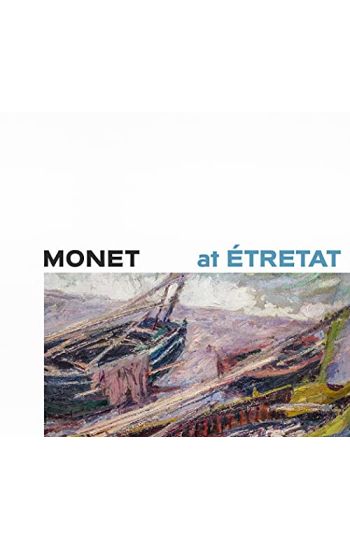
Places Monet’s intimate relationship with the Normandy coast within the context of his artistic evolution One understudied aspect of the life and works of Oscar-Claude Monet (1840–1926) is the artist’s engagement with the town of Étretat on the Normandy coast of France during the mid-1880s. Monet traveled there twice for extended painting sojourns and eventually created over eighty works, more than he painted of any other site away from his home. Through these visits, Monet witnessed Étretat’s shift from a quiet fishing village in a dramatic natural setting to a tourist destination. In this focused study, Chiyo Ishikawa places Monet’s Étretat works within the context of his artistic ambition and frustration at a key moment in his life and career. She also explores the changing relationship between society and landscape in late nineteenth-century France. The book features works by Monet and his contemporaries Gustave Courbet, Camille Corot, and Eugène Boudin, supplemented by photographs and ephemeral material to bring to life Monet’s experience in the region. The biographical context, in addition to the immersive visual experience, offers a vivid account of this significant aspect of Monet’s artistic progression.
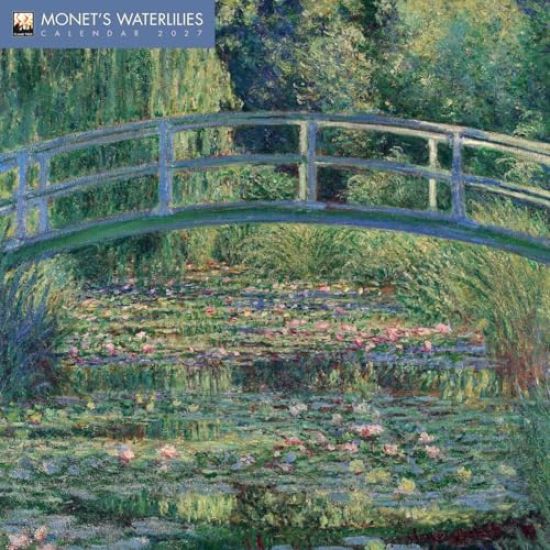
Considered a founder of Impressionism, Claude Monet was fascinated by the changing of light, and he repeatedly painted the same scenes in order to capture these subtle changes. His waterlily paintings are some of the most famous artworks in the world, and this exquisite calendar features 12 of these stunning works. Informative text accompanies each work and the datepad features previous and next month’s views. Printed on FSC-certified paper, with plastic-free packaging.
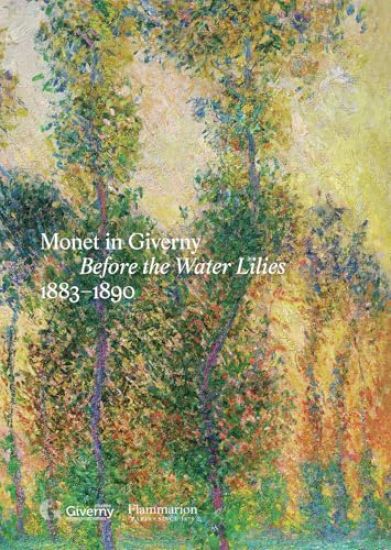
As one of the founders of French Impressionist painting, and one of the world’s most famous painters, Monet’s works fill the halls of the most frequented and esteemed museums across the world—from waterlilies to haystacks. The author of Monet’s Palate Cookbook and the writer and producer of the PBS documentary Monet’s Palate, Aileen Bordman has always been surrounded by the influence and beauty of Monet’s work. With direct access to Giverny through her mother, one of the stewards of the Giverny estate, and the head gardener, this book transports the reader to Monet's garden at Giverny—the third most visited site in France—in simple prose, beautiful photography, and how-to graphics. In EVERYDAY MONET, Aileen pulls from the impressions, the history, the palettes, and designs of Monet’s gardens and paintings to encapsulate a home and lifestyle inspired by Monet. This book gives the reader step-by-step instructions and photographs on how to grow a garden like Monet, preserve a waterlily inside your home, decorate a dining room table or a bathroom inspired by Monet’s aesthetic, and prepare foods that inspire your inner-Impressionist to bring a bit of Monet into your life and home. Filled with stunning photography—from the gardens of Giverny to the streets of Normandy—and images of Monet’s most famous paintings, this book is not only a keepsake for those who love Monet, but also a practical guide to finding ways to implement Monet’s beautiful designs into your home and garden, whether you live next to sprawling grass or in a city high-rise.
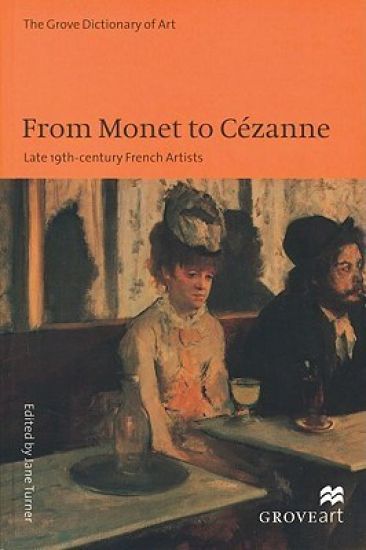
Describes the work of more than three hundred nineteenth century French artists, including Millet, Courbet, Manet, Monet, Renoir, Rodin, and Toulouse Lautrec.
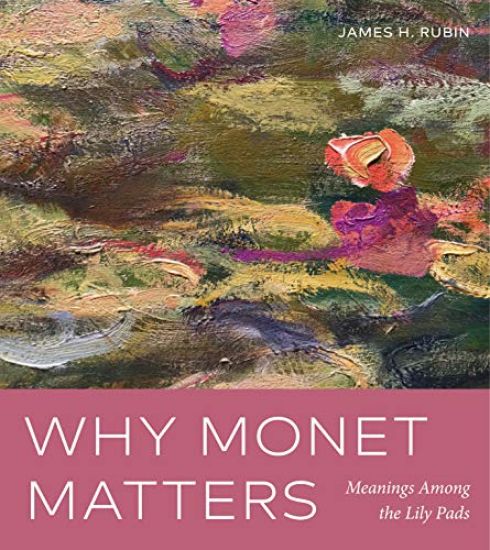
Claude Monet’s Water Lilies are widely recognized as a celebration of nature and a call to visual experience. The skilled brushwork, vivid color, and immersive quality of the paintings suspend thoughts of the outside world and its concerns. And yet, when one realizes that these works were made during a period of social and political turmoil—rapid changes of government, the Dreyfus Affair, and the destruction and devastation of World War I—questions arise about the personal, cultural, and historical contexts within which they were created. In this book, James H. Rubin explores these conditions and shows how Monet’s work—said to be a harbinger of abstraction—appeals not only to the eye but also to something deep in modern consciousness. The myth of Impressionism is that it was reviled and misunderstood, but by the 1890s Monet was rich by anyone’s standards, and his works were considered French cultural treasures. Monet was featured in a propaganda film in response to German militarism, and he was persuaded by Georges Clemenceau to donate a number of his Water Lilies paintings to the French nation following the Treaty of Versailles. Taking this into account, Rubin uncovers how the theme of floating lily pads could serve political ends, exposing relationships between Monet’s apparently subject-free art and its material circumstances in the modern world.Engagingly written, masterfully argued, and featuring more than 150 illustrations, Why Monet Matters is a major study of an artist who had the will and the talent to remain relevant to his time without conceding to its fashions. Scholars, students, and those who appreciate Monet and Impressionism will value and learn from this book.
Claude Monet’s Water Lilies are widely recognized as a celebration of nature and a call to visual experience. The skilled brushwork, vivid color, and immersive quality of the paintings suspend thoughts of the outside world and its concerns. And yet, when one realizes that these works were made during a period of social and political turmoil—rapid changes of government, the Dreyfus Affair, and the destruction and devastation of World War I—questions arise about the personal, cultural, and historical contexts within which they were created. In this book, James H. Rubin explores these conditions and shows how Monet’s work—said to be a harbinger of abstraction—appeals not only to the eye but also to something deep in modern consciousness. The myth of Impressionism is that it was reviled and misunderstood, but by the 1890s Monet was rich by anyone’s standards, and his works were considered French cultural treasures. Monet was featured in a propaganda film in response to German militarism, and he was persuaded by Georges Clemenceau to donate a number of his Water Lilies paintings to the French nation following the Treaty of Versailles. Taking this into account, Rubin uncovers how the theme of floating lily pads could serve political ends, exposing relationships between Monet’s apparently subject-free art and its material circumstances in the modern world.Engagingly written, masterfully argued, and featuring more than 150 illustrations, Why Monet Matters is a major study of an artist who had the will and the talent to remain relevant to his time without conceding to its fashions. Scholars, students, and those who appreciate Monet and Impressionism will value and learn from this book.
French artist Claude Monet, one of the founders of the Impressionist movement, was particularly fascinated with capturing the transient beauty of nature. In a virtuoso display of flowers, this 1897 work portrays a vibrant bed of chrysanthemums from his prized garden in Giverny.
French artist Claude Monet, one of the founders of the Impressionist movement, was particularly fascinated with capturing the transient beauty of nature. In a virtuoso display of flowers, this 1897 work portrays a vibrant bed of chrysanthemums from his prized garden in Giverny.
French artist Claude Monet, one of the founders of the Impressionist movement, was particularly fascinated with capturing the transient beauty of nature. In a virtuoso display of flowers, this 1897 work portrays a vibrant bed of chrysanthemums from his prized garden in Giverny.
French artist Claude Monet, one of the founders of the Impressionist movement, was particularly fascinated with capturing the transient beauty of nature. In a virtuoso display of flowers, this 1897 work portrays a vibrant bed of chrysanthemums from his prized garden in Giverny.