Kirjojen hintavertailu. Mukana 12 553 755 kirjaa ja 12 kauppaa.

Kirjahaku

Etsi kirjoja tekijän nimen, kirjan nimen tai ISBN:n perusteella.

1000 tulosta hakusanalla Peter Walker

Lost Tramways of England: Coventry

Lost Tramways of England: Coventry

Peter Waller

Graffeg Limited
2019
sidottu
The city of Coventry was to suffer devastating damage during World War II with much of its historic centre largely destroyed and amongst the casualties was the city’s small tramway network. This guide documents the history of the service stop by stop and provides fascinating visual insight into the city at the time of operation.
Lost Tramways of England: Bristol

Lost Tramways of England: Bristol

Peter Waller

Graffeg Limited
2019
sidottu
The city of Bristol once possessed an extensive electric tramway network with routes radiating out from the centre to places like Westbury-upon-Trym, Brislington, Hanham and Bedminster Downs. This volume documents its history and development and provides a fascinating visual insight into the city at its time of operation.
Lost Tramways of England: Nottingham

Lost Tramways of England: Nottingham

Peter Waller

Graffeg Limited
2019
sidottu
Now the proud possessor of one of the country’s second-generation tramways, the city of Nottingham had two traditional electric tramway operations – that of the corporation and that of the Notts & Derby company. This guide documents these first efforts stop by stop and provides fascinating visual insight into the city at the time of operation.
Lost Tramways of England: Southampton

Lost Tramways of England: Southampton

Peter Waller

Graffeg Limited
2019
sidottu
The Lost Tramways of England series documents the tram networks which were at the heart of many of Britain's growing towns and cities from the mid-19th century to the mid-20th century. Transport expert Peter Waller, author of numerous works on the regional tram systems of the UK, guides the reader along the route of the network and discusses its key features stop by stop. As well as rigorously detailed transport history, these volumes provide an intimate glimpse into life as it was lived during this period, and the recognizable streets which have been maintained or transformed through the decades. An informative, accessible, and portable resource for the tram enthusiast as well as the general reader, and a superb souvenir or gift for visitors past and present. Photo illustrated throughout, including many archive images which are appearing in print for the first time.
Lost Tramways of England: Brighton

Lost Tramways of England: Brighton

Peter Waller

Graffeg Limited
2019
sidottu
The Brighton fleet of 3ft 6in trams was to survive virtually until the outbreak of World War II, indeed replacement trams were still being constructed in the 1930s, but a joint traffic arrangement set up in conjunction with one of the local bus operators saw the trams replaced by trolleybus and bus. Alongside the trams, Brighton also played host to Volk’s Electric Railway – one of the world’s pioneering electric railways and still operational today.The Lost Tramways of England series documents the tram networks which were at the heart of many of Britain’s growing towns and cities from the mid-19th century to the mid-20th century.• Transport expert Peter Waller, author of numerous works on the regional tram systems of the UK, guides the reader along the route of the network and discusses its key features stop by stop.• As well as rigorously detailed transport history, these volumes provide an intimate glimpse into life as it was lived during this period, and the recognisable streets which have been maintained or transformed through the decades.• An informative, accessible and portable resource for the tram enthusiast as well as the general reader, and a superb souvenir or gift for visitors past and present.• Photo illustrated throughout, including many archive images which are appearing in print for the first time.
Lost Tramways of England: Birmingham South
The city of Birmingham possessed the country’s largest 3ft 6in gauge tramway; although the process of conversion to trolleybus or bus operation commenced in the 1920s – indeed Birmingham was the first operator in Britain to see a tram route converted to trolleybus operation – a significant operation survived into the post-war years and it was not until the summer of 1953 that the final trams operated.his volume is one of two that recall that era; focusing on the routes to the south of the city centre – to places like Rednal and Cotteridge – the book provides a graphic reminder that it is not only the historic trams that have been lost but also the streetscapes through which many of them operated have also largely disappeared.• The Lost Tramways of England series documents the tram networks which were at the heart of many of Britain’s growing towns and cities from the mid-19th century to the mid-20th century.• Transport expert Peter Waller, author of numerous works on the regional tram systems of the UK, guides the reader along the route of the network and discusses its key features stop by stop.• As well as rigorously detailed transport history, these volumes provide an intimate glimpse into life as it was lived during this period, and the recognisable streets which have been maintained or transformed through the decades.• An informative, accessible and portable resource for the tram enthusiast as well as the general reader, and a superb souvenir or gift for visitors past and present.• Photo illustrated throughout, including many archive images which are appearing in print for the first time.
Withered Arm

Withered Arm

Peter Waller

Unique Publishing Services Ltd
2021
pokkari
Southern Lines To The South West. Photo album featuring images of the Southerns railway lines in north Devon and Cornwall in the years after the end of World War II.
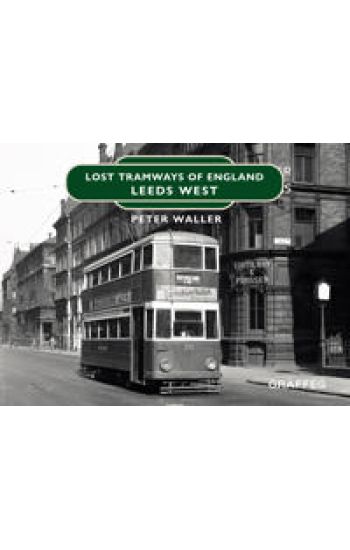
Lost Tramways of England: Leeds West

Lost Tramways of England: Leeds West

Peter Waller

Graffeg Limited
2020
sidottu
Lost Tramways of England: Leeds West is the first of two volumes in the series covering the history of trams in the city, from their origins in the late 19th century through to the final routes in November 1959. This volume examines in detail the early history of the tramways on the city's western side.• The Lost Tramways of England series documents the tram networks which were at the heart of many of Britain’s growing towns and cities from the mid-19th century to the mid-20th century.• Transport expert Peter Waller, author of numerous works on the regional tram systems of the UK, guides the reader along the route of the network and discusses its key features stop by stop.• As well as rigorously detailed transport history, these volumes provide an intimate glimpse into life as it was lived during this period, and the recognisable streets which have been maintained or transformed through the decades.• An informative, accessible and portable resource for the tram enthusiast as well as the general reader, and a superb souvenir or gift for visitors past and present.• Photo illustrated throughout, including many archive images which are appearing in print for the first time.
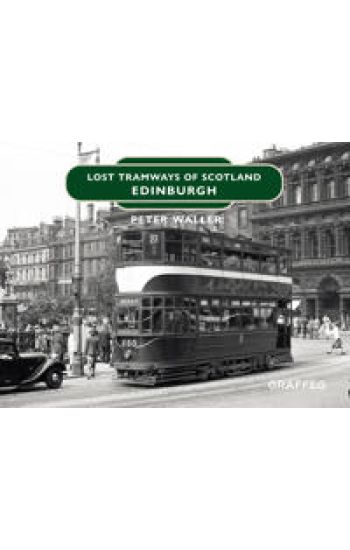
Lost Tramways of Scotland: Edinburgh

Lost Tramways of Scotland: Edinburgh

Peter Waller

Graffeg Limited
2020
sidottu
The Lost Tramways of Scotland series documents the tram networks which were at the heart of many of Britain’s growing towns and cities from the mid-19th century to the mid-20th century. An informative, accessible and portable resource for the tram enthusiast as well as the general reader, and a superb souvenir or gift for visitors past and present.Edinburgh played host to Scotland'd most significant cable tramway, although, by the early 1920s, electric trams had taken over. The system continued to grow until the late 1930s and new trams were built even after World War II. However, over less than a decade, all were swept away and the final trams operated in 1956. Also covered are the operations of Leith Corporation and Musselburgh & District.
Lost Tramways of Ireland: Belfast

Lost Tramways of Ireland: Belfast

Peter Waller

Graffeg Limited
2021
sidottu
The first volume in the ‘Lost Tramways of Ireland’ series features the history of the Belfast system, including its origins as a horse tramway in the 1870s, its conversion to electric traction in the early 20th century, its role in two World Wars, the conversion of the network to bus and trolleybus operation from the late 1940s and the system’s eventual demise in 1954. Amongst the locations featured are Glengormley, Greencastle and Bloomfield as well as York Road and Queen’s Quay railway stations.
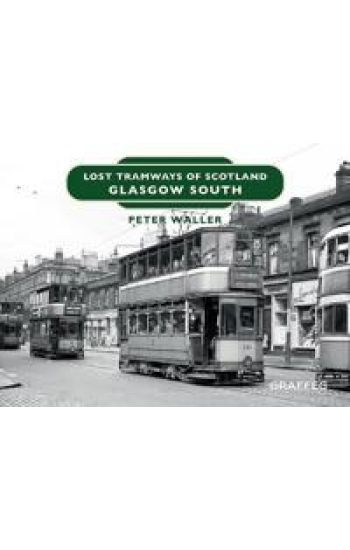
Lost Tramways of Scotland: Glasgow South

Lost Tramways of Scotland: Glasgow South

Peter Waller

Graffeg Limited
2021
sidottu
The first of two volumes covering the history of tramcar operation in Glasgow. The book narrates the story of the city’s impressive network from its origins as a horse tramway in the 1870s, through the early years of electrification and expansion during the first decades of the 20th century through to World War II. The book also focuses on locations in the southern half of the city, including South of the Clyde, Paisley, Mosspark and Burnside.
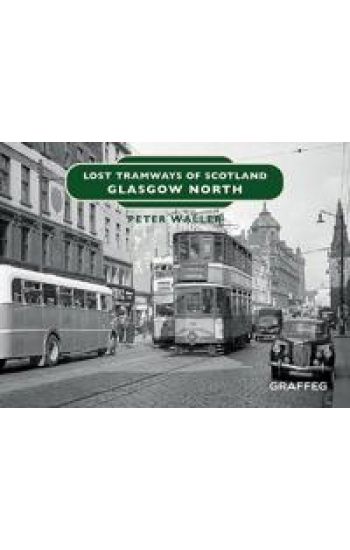
Lost Tramways of Scotland: Glasgow North

Lost Tramways of Scotland: Glasgow North

Peter Waller

Graffeg Limited
2021
sidottu
The second of two volumes covering the history of tramcar operation in Glasgow. The book narrates the story of the city’s impressive network from the immediate post-war years, when the system was regarded as one of the most secure in the country, through the 1950s, when a change of policy initially saw a limited conversion policy instituted before complete abandonment was adopted, to the early 1960s when the final services were operated. This volume focuses on locations in the northern half of the city including City Centre, Clydebank, University and Keppochhill Road.
Lost Tramways of England: Leeds East

Lost Tramways of England: Leeds East

Peter Waller

Graffeg Limited
2021
sidottu
Lost Tramways of England: Leeds East is the second of two volumes in the series covering the history of trams in the city, from their origins in the late 19th century through to the conversion of the final routes in November 1959. This volume examines in detail the later history of the system from the outbreak of war in September 1939 through the developments of the 1940s to the period of conversion from the early 1950s, as well as concentrating on routes that served the eastern side of the city, such as those to Temple Newsam, Middleton, Gipton and Hunslet.