Kirjojen hintavertailu. Mukana 11 244 527 kirjaa ja 12 kauppaa.

Kirjahaku

Etsi kirjoja tekijän nimen, kirjan nimen tai ISBN:n perusteella.

276 tulosta hakusanalla Sigrun Strunk

Salakamber

Salakamber

Sigrun Palsdottir

Kirjastus salv
2024
nidottu
Mida teha kui kõik, milles sa kindel olid, variseb äkitselt kokku? "Salakambri" minajutustaja õpib Oxfordis kunstiteadust ja kirjutab doktoritööd hiljuti leitud XVII sajandist pärit päeviku teemal. Vanu lehekülgi uurides avastab ta korraga midagi, mis võiks pealtnäha ümber kirjutada kogu kehtiva kunstiajaloo. Kui see näiline läbimurre osutub aga hooletusveaks, seisab noor teadlane äkitselt vastamisi keeruliste eetiliste dilemmadega, mis ähvardavad ta vaimselt laastada. Kuidas sellises olukorras iseendaks jääda ning kõige kiuste ikkagi väärikus säilitada?Sigrun Palsdottir on sündinud aastal 1967, õppinud ajalugu Islandi Ülikoolis ning kaitsnud selles vallas doktoritöö Oxfordi Ülikoolis aastal 2001. Alguses on ta saavutanud tunnustuse ajaloolasena ning muuhulgas toimetanud Islandi juhtivat ajalooteemalist akadeemilist ajakirja, alates tema debüütromaani "Salakamber" ilmumisest 2016 aga kogunud tunnustust ka kirjanikuna ning pälvinud Euroopa Liidu kirjandusauhinna aastal 2021."Salakamber" on sisekaemuslik romaan, aistiline ja detailirikas tekst, mis on algusest peale kergelt ebamugav, isegi pisut okkaline, sest tekitab rohkem küsimusi kui annab vastuseid. Mis on päriselt ja mis on peategelase hallutsinatsioonid? Mida tähendab ajalugu ja kui suures osas koosneb see meie tõlgendustest? Askur Alase oivaline tõlge kannab salakambri uksest sisse, ülejäänu on juba lugeja enda teha.- Carolina Pihelgas, kirjanikRomaanis avaneb kriitiline ja ehk isegi veidi irooniline vaade kinnismõtetele, mis võivad noore kunstiteadlase oma võimusesse haarata, aga ka kaastundlik pilk uurija üksiolekule tema akadeemilise teekonna alguses.- Krista Kodres, kunstiteadlane
Kritische Lebensereignisse Und Lebenskrisen: Vom Umgang Mit Den Schattenseiten Des Lebens
Kritische Lebensereignisse gehoren zum Erfahrungshorizont fast aller Menschen. Es gilt zu prazisieren, was Ereignisse als kritisch ausweist und welchen Platz sie jeweils im Leben (und auch in Lebenserinnerungen) einnehmen. Nicht selten fuhren solche Ereignisse zu tiefgreifenden Erschutterungen des Selbst- und Weltbildes, sie erzeugen Chaos im Kopf und drohen die Betroffenen in eine tiefe emotionale Krise zu sturzen. Inwieweit die Betroffenen daraus gestarkt hervorgehen oder in ihrer Handlungsfahigkeit nachhaltig beeintrachtigt sind, hangt wesentlich von ihrem Bewaltigungsverhalten ab. Dieses wird umfassend - als mentales wie auch als sozial interaktives Geschehen - beleuchtet. Abschliessend wird illustriert, wie Hilfe im Umfeld kritischer Ereignisse (v. a. Krisenintervention) gestaltet sein kann.
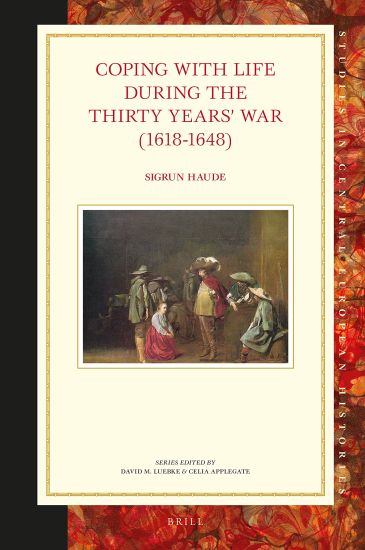
Coping with Life during the Thirty Years’ War (1618-1648)
At its core, Coping with Life during the Thirty Years’ War (1618–1648) explores how people tried to survive the Thirty Years’ War, on what resources they drew, and how they attempted to make sense of it. A rich tapestry of stories brings to light contemporaries’ trauma as well as women and men’s unrelenting initiatives to stem the war’s negative consequences. Through these close-ups, Sigrun Haude shows that experiences during the Thirty Years’ War were much more diverse and often more perplexing than a straightforward story line of violence and destruction can capture. Life during the Thirty Years’ War was not a homogenous vale of gloom and doom, but a multifaceted story that was often heartbreaking, yet, at times, also uplifting.
Ruined by Design

Ruined by Design

Inger Sigrun Brodey

Routledge
2012
nidottu
By examining the motif of ruination in a variety of late-eighteenth-century domains, this book portrays the moral aesthetic of the culture of sensibility in Europe, particularly its negotiation of the demands of tradition and pragmatism alongside utopian longings for authenticity, natural goodness, self-governance, mutual transparency, and instantaneous kinship. This book argues that the rhetoric of ruins lends a distinctive shape to the architecture and literature of the time and requires the novel to adjust notions of authorship and narrative to accommodate the prevailing aesthetic. Just as architects of eighteenth-century follies pretend to have discovered "authentic" ruins, novelists within the culture of sensibility also build purposely fragmented texts and disguise their authorship, invoking highly artificial means of simulating nature. The cultural pursuit of human ruin, however, leads to hypocritical and sadistic extremes that put an end to the characteristic ambivalence of sensibility and its unusual structures.
Ruined by Design

Ruined by Design

Inger Sigrun Brodey

Routledge
2008
sidottu
By examining the motif of ruination in a variety of late-eighteenth-century domains, this book portrays the moral aesthetic of the culture of sensibility in Europe, particularly its negotiation of the demands of tradition and pragmatism alongside utopian longings for authenticity, natural goodness, self-governance, mutual transparency, and instantaneous kinship. This book argues that the rhetoric of ruins lends a distinctive shape to the architecture and literature of the time and requires the novel to adjust notions of authorship and narrative to accommodate the prevailing aesthetic. Just as architects of eighteenth-century follies pretend to have discovered "authentic" ruins, novelists within the culture of sensibility also build purposely fragmented texts and disguise their authorship, invoking highly artificial means of simulating nature. The cultural pursuit of human ruin, however, leads to hypocritical and sadistic extremes that put an end to the characteristic ambivalence of sensibility and its unusual structures.
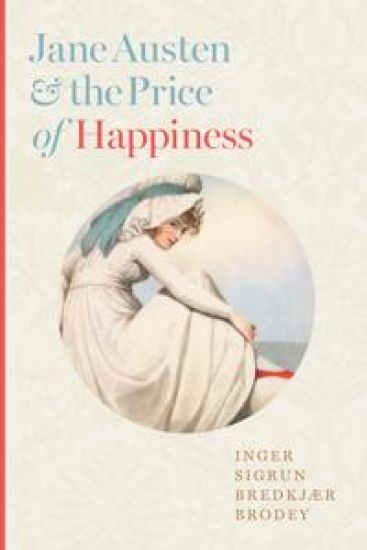
Jane Austen and the Price of Happiness

Jane Austen and the Price of Happiness

Inger Sigrun Bredkjær Brodey

Johns Hopkins University Press
2024
sidottu
Do Jane Austen novels truly celebrate—or undermine—romance and happy endings?How did Jane Austen become a cultural icon for fairy-tale endings when her own books end in ways that are rushed, ironic, and reluctant to satisfy readers' thirst for romance? In Jane Austen and the Price of Happiness, Austen scholar Inger Sigrun Bredkjær Brodey journeys through the iconic novelist's books in the first full-length study of Austen's endings. Through a careful exploration of Austen's own writings and those of the authors she read during her lifetime—as well as recent cultural reception and adaptations of her novels—Brodey examines the contradictions that surround this queen of romance.Brodey argues that Austen's surprising choices in her endings are an essential aspect of the writer's own sense of the novel and its purpose. Austen's fiercely independent and deeply humanistic ideals led her to develop a style of ending all her own. Writing in a culture that set a monetary value on success in marriage and equated matrimony with happiness, Austen questions these cultural norms and makes her readers work for their comic conclusions, carefully anticipating and shaping her readers' emotional involvement in her novels. Providing innovative and engaging readings of Austen's novels, Jane Austen and the Price of Happiness traces her development as an author and her convictions about authorship, novels, and the purpose of domestic fiction. In a review of modern film adaptions of Austen's work, the book also offers new interpretations while illustrating how contemporary ideas of marriage and happiness have shaped Austen's popular currency in the Anglophone world and beyond.
Jane Austen and the Price of Happiness

Jane Austen and the Price of Happiness

Inger Sigrun Bredkjær Brodey

Johns Hopkins University Press
2026
pokkari
Do Jane Austen novels truly celebrate—or undermine—romance and happy endings? How did Jane Austen become a cultural icon for fairy-tale endings when her own books end in ways that are rushed, ironic, and reluctant to satisfy readers' thirst for romance? In Jane Austen and the Price of Happiness, Austen scholar Inger Sigrun Bredkjær Brodey journeys through the iconic novelist's books in the first full-length study of Austen's endings. Through a careful exploration of Austen's own writings and those of the authors she read during her lifetime—as well as recent cultural reception and adaptations of her novels—Brodey examines the contradictions that surround this queen of romance. Brodey argues that Austen's surprising choices in her endings are an essential aspect of the writer's own sense of the novel and its purpose. Austen's fiercely independent and deeply humanistic ideals led her to develop a style of ending all her own. Writing in a culture that set a monetary value on success in marriage and equated matrimony with happiness, Austen questions these cultural norms and makes her readers work for their comic conclusions, carefully anticipating and shaping her readers' emotional involvement in her novels. Providing innovative and engaging readings of Austen's novels, Jane Austen and the Price of Happiness traces her development as an author and her convictions about authorship, novels, and the purpose of domestic fiction. In a review of modern film adaptions of Austen's work, the book also offers new interpretations while illustrating how contemporary ideas of marriage and happiness have shaped Austen's popular currency in the Anglophone world and beyond.