Kirjojen hintavertailu. Mukana 11 627 364 kirjaa ja 12 kauppaa.

Kirjahaku

Etsi kirjoja tekijän nimen, kirjan nimen tai ISBN:n perusteella.

11 tulosta hakusanalla "Black Enough"

Black Enough

Black Enough

June Sarpong

HarperCollins Children's Books
2019
nidottu
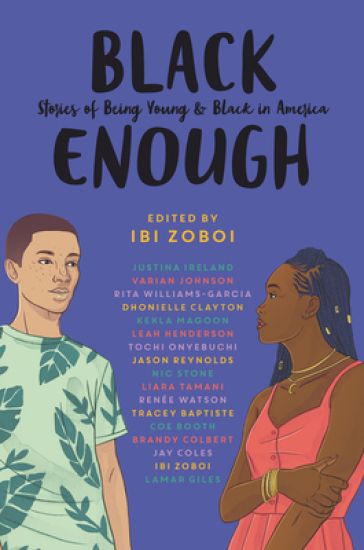
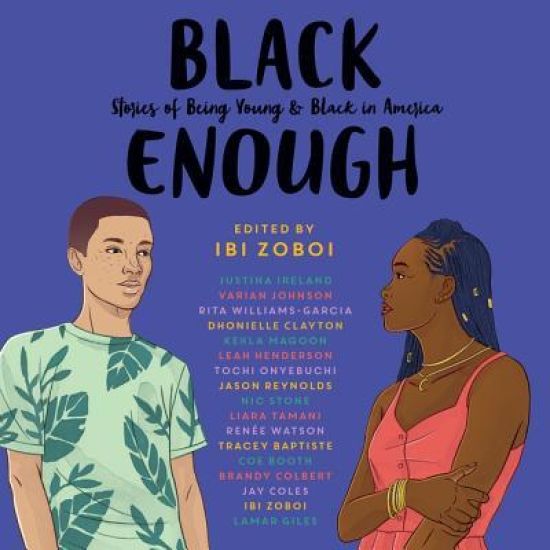
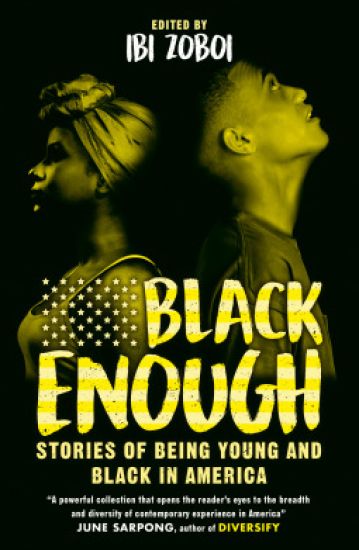
Edited by critically-acclaimed and New York Times bestselling author Ibi Zoboi, and featuring stories from writers including Jason Reynolds, Dhonielle Clayton and Justina Ireland, Black Enough is an essential collection of captivating stories about what it’s like to be young and Black. ‘A powerful collection that opens the reader’s eyes to the breadth and diversity of contemporary experience in America’ June Sarpong, author of DIVERSIFY Black is male, Black is female, Black is straight, Black is gay, Black is urban, Black is rural, Black is rich. And poor. Black is mixed-race, Black is immigrants, Black is more. There are countless ways to be BLACK ENOUGH. Featuring some of the most acclaimed bestselling American black authors writing for teens today, Black Enough is an essential collection of captivating stories about what it’s like to be young and black. Whether you are in America, the UK, or anywhere across the globe, this powerful collection of stories will remind you of our shared humanity. With an Introduction by June Sarpong Stories from: Renee Watson, Varian Johnson, Leah Henderson, Lamar Giles, Kekla Magoon, Jason Reynolds, Brandy Colbert, Tochi Onyebuchi, Liara Tamani, Jay Coles, Rita Williams-Garcia, Tracey Baptiste, Dhonielle Clayton, Justina Ireland, Coe Booth, Nic Stone and Ibi Zoboi
Black Enough

Black Enough

Zoboi Ibi; Baptiste Tracey; Coe Booth; Clayton Dhonielle; Brandy Colbert; Jay Coles; Lamar Giles; Henderson Leah; Ireland Justina; Johnson Varian; Magoon Kekla; Tochi Onyebuchi; Reynolds Jason; Nic Stone; Liara Tamani; Renée Watson; Williams-Garcia Rita

Balzer and Bray
2019
sidottu
A tour-de-force collection of stories about the black experience, by award-winning, bestselling, and emerging African American YA authors. Black is...two sisters navigating their relationship at summer camp in Portland, Oregon, as written by Renée Watson.Black is…Jason Reynolds writing about three guys walking back from the community pool talking about nothing and everything.Black is…Nic Stone’s bougie debutante dating a boy her momma would never approve of.Black is…two girls kissing in Justina Ireland’s story set in Maryland.Black is urban and rural, wealthy and poor, mixed race, immigrants, and more—because there are countless ways to be black enough. Edited by National Book Award finalist Ibi Zoboi, this is an essential collection of captivating stories about what it’s like to be young and black in America.
Black Enough: Stories of Being Young & Black in America

Black Enough: Stories of Being Young & Black in America

Ibi Zoboi; Tracey Baptiste; Coe Booth

Versify
2020
nidottu
Edited by National Book Award finalist Ibi Zoboi, and featuring some of the most acclaimed bestselling Black authors writing for teens today--Black Enough is an essential collection of captivating stories about what it's like to be young and Black in America. A selection of the Schomburg Center's Black Liberation Reading List.Black is...sisters navigating their relationship at summer camp in Portland, Oregon, as written by Ren e Watson.Black is...three friends walking back from the community pool talking about nothing and everything, in a story by Jason Reynolds.Black is...Nic Stone's high-class beauty dating a boy her momma would never approve of.Black is...two girls kissing in Justina Ireland's story set in Maryland.Black is urban and rural, wealthy and poor, mixed race, immigrants, and more--because there are countless ways to be Black enough. Contributors: Justina IrelandVarian JohnsonRita Williams-GarciaDhonielle ClaytonKekla MagoonLeah HendersonTochi OnyebuchiJason ReynoldsNic StoneLiara TamaniRen e WatsonTracey BaptisteCoe BoothBrandy ColbertJay ColesIbi ZoboiLamar Giles
Black Enough/White Enough: The Obama Dilemma

Black Enough/White Enough: The Obama Dilemma

Rickey Hendon

Third World Press
2009
nidottu
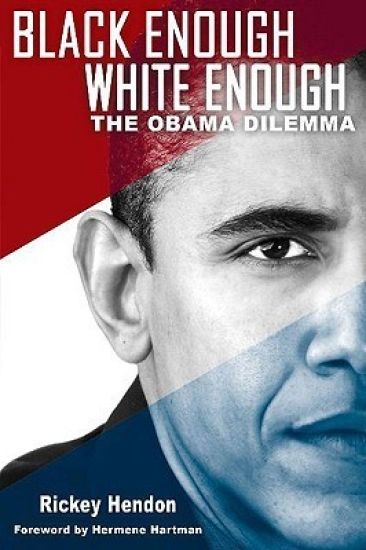
""Barack is caught between two worlds and struggles for acceptance by either side-Black enough? White enough? It's a fine line that he must walk,"" writes Illinois state Senator Rickey Hendon, in ""Black Enough/White Enough: The Obama Dilemma,"" a personal memoir of the historic 2008 presidential election. Hendon, an African American senator from Chicago's blighted West Side, was a veteran politico firmly aligned with other Black leaders when the man who would go on to become the golden presidential hopeful was an upstart balancing atop America's cultural fence in one the most notoriously segregated cities in the nation. This newcomer was of a different stock than Chicago's old guard, which boasted icons such as Rev. Jesse Jackson, late Mayor Harold Washington and Minister Louis Farrakhan, and was initially eyed with some suspicion-even by Hendon himself as the two served side by side in the Illinois state Senate. And as Hendon explains in this book, the phenomenon that became Barack Obama, the audacious presidential hopeful, was created not just by wooing America's whites, but also by winning acceptance by America's Blacks. Hendon begins ""Black Enough/White Enough: The Obama Dilemma"" with Obama's announcement of his presidential bid on February 10, 2007, and follows his entire campaign in a journal-like fashion, all the way to the November 4, 2008 election. This running account is peppered with Hendon's own observations, insights, inside information, and personal anecdotes of his long history with Barack Obama. Hendon pulls no punches and offers a warts-and-all look at how Obama's campaign tiptoed across a tightrope to gain the confidence of white Americans without angering African Americans-the latter not always being successful. Since the book was compiled from a journal that Hendon kept of events as they were unfolding during the marathon campaign, we find ourselves transported back to Super Tuesday to race endlessly against a tenacious Senator Hillary Clinton, dodge scandals involving ""militant"" pastors and ""terrorist friends,"" to play running mate roulette with Republican opponent Senator John McCain. Some of the discussion deals with issues and incidents that have long since been resolved, and perhaps even forgotten, however, the memory of the uncertainty, the tough choices, the curve balls, the dirty tricks, the surprise game changers, and most of all, the nail biting stress, is preserved just as we should all want to remember it-when we were there
Black Enough Man Enough

Black Enough Man Enough

Gee Smalls

Juan Gee Enterprises, LLC
2019
sidottu
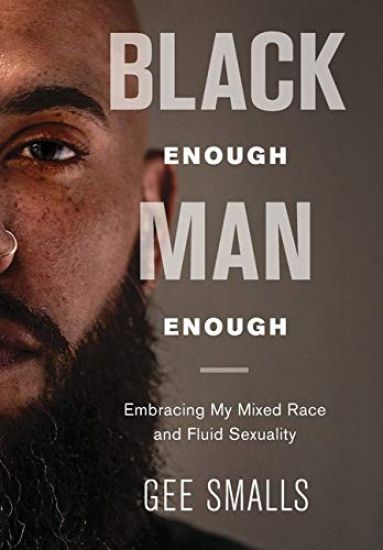
One man's riveting, contemporary journey through multiple comings-out to authentically live his unique identity.Black Enough, Man EnoughEmbracing My Mixed Race and Sexual FluidityI knew I was different, called 'faggot-ass half-breed, ' teased for my light bright skin, soft curly afro, freckly face, and feminine ways. Growing up the child of a black daddy and white momma in the black Gullah Geechee culture on James Island, South Carolina in the 80's, I was an outsider.My adolescent identity crisis of racial and sexual confusion lead to a trip down the aisle with my high school sweetheart, the joy of fatherhood, and then into the shadows of the down-low before divorce and a tumultuous custody battle. As I embraced all of who I am, I developed my voice, using it to speak out on the racial and LGBT equality movements, as well as to say 'I do' to marry the man I love and create a realistic 21st century blended family.
Black Enough Lib/E: Stories of Being Young & Black in America

Black Enough Lib/E: Stories of Being Young & Black in America

Ibi Zoboi; C. N. C.; Coleen Booth

Harpercollins
2019
cd
Edited by National Book Award finalist Ibi Zoboi, and featuring some of the most acclaimed bestselling Black authors writing for teens today--Black Enough is an essential collection of captivating stories about what it's like to be young and Black in America.Black is...sisters navigating their relationship at summer camp in Portland, Oregon, as written by Ren e Watson.Black is...three friends walking back from the community pool talking about nothing and everything, in a story by Jason Reynolds.Black is...Nic Stone's high-class beauty dating a boy her momma would never approve of.Black is...two girls kissing in Justina Ireland's story set in Maryland.Black is urban and rural, wealthy and poor, mixed race, immigrants, and more--because there are countless ways to be Black enough. Contributors: Justina IrelandVarian JohnsonRita Williams-GarciaDhonielle ClaytonKekla MagoonLeah HendersonTochi OnyebuchiJason ReynoldsNic StoneLiara TamaniRen e WatsonTracey BaptisteCoe BoothBrandy ColbertJay ColesIbi ZoboiLamar Giles
Black Enough: Stories of Being Young & Black in America

Black Enough: Stories of Being Young & Black in America

Ibi Zoboi; C. N. C.; Coleen Booth

Harpercollins
2019
cd
Edited by National Book Award finalist Ibi Zoboi, and featuring some of the most acclaimed bestselling Black authors writing for teens today--Black Enough is an essential collection of captivating stories about what it's like to be young and Black in America.Black is...sisters navigating their relationship at summer camp in Portland, Oregon, as written by Ren e Watson.Black is...three friends walking back from the community pool talking about nothing and everything, in a story by Jason Reynolds.Black is...Nic Stone's high-class beauty dating a boy her momma would never approve of.Black is...two girls kissing in Justina Ireland's story set in Maryland.Black is urban and rural, wealthy and poor, mixed race, immigrants, and more--because there are countless ways to be Black enough. Contributors: Justina IrelandVarian JohnsonRita Williams-GarciaDhonielle ClaytonKekla MagoonLeah HendersonTochi OnyebuchiJason ReynoldsNic StoneLiara TamaniRen e WatsonTracey BaptisteCoe BoothBrandy ColbertJay ColesIbi ZoboiLamar Giles
Am I Black Enough for You?

Am I Black Enough for You?

Todd Edward Boyd

Indiana University Press
1997
pokkari
The most creative moments of African American culture have always emanated from a lower class or "ghetto" perspective. In contemporary society, this ghetto aesthetic has informed a large segment of the popular marketplace from the incendiary nature of gangsta rap, through the choreographed violence of films like Menace II Society, to recurrent debates around the use of the word "nigga," and even the assertion of this perspective in professional basketball. In each case, most of the discussion around these cultural circumstances tends to be dismissive, if not completely uninformed. In analyzing the ranges of images from the O. J. Simpson trial to Snoop Doggy Dogg, Am I Black Enough for You looks at the way in which the nuances of ghetto life get translated into the politics of popular culture, and especially the way these politics have become such a profitable venture, for both the entertainment industry and the actual producers of these topical narratives. The book follows the widening generation gap represented by Bill Cosby's pristine "race man" image in the mid-80's, culminating in the proliferation of the hard-core sentiments associated with the nigga in the 1990's. The book argues for a historical understanding of these contemporary examples, which is rooted in the social policies of the Reagan/Bush era, the declining industrial base of urban communities and the increasing significance of the drug trade and gang culture. In addition, the book follows the evolution of gangster culture in twentieth century American popular culture and the shift from ethnicity to race that slowly begins to emerge over this time period. Contrary to mainstream conservative sentiment, Am I Black Enough for You suggests that the criticism of gangsta culture is a misguided attempt which reaffirms traditional views about Black culture. This criticism is articulated across race, so that in many cases, African Americans articulate the same sentiments as their white conservative counterparts. Am I Black Enough for You offers astute analysis of the liberating possibilities of representation that lie at the core of contemporary black popular culture.
Am I Black Enough for You?

Am I Black Enough for You?

Anita Heiss

University of Hawai'i Press
2014
nidottu
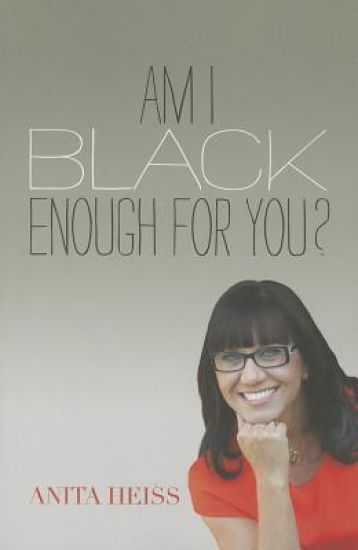
I'm Aboriginal. I'm just not the Aboriginal person a lot of people want or expect me to be.What does it mean to be Aboriginal? Why is Australia so obsessed with notions of identity? Anita Heiss, successful author and passionate campaigner for Aboriginal literacy, was born a member of the Wiradjuri nation of central New South Wales, but was raised in the suburbs of Sydney and educated at the local Catholic school. She is Aboriginal; however, this does not mean she likes to go barefoot and, please, don't ask her to camp in the desert. After years of stereotyping Aboriginal Australians as either settlement dwellers or rioters in Redfern, the Australian media have discovered a new crime to charge them with: being too ""fair-skinned"" to be Australian Aboriginal. Such accusations led to Anita's involvement in one of the most important and sensational Australian legal decisions of the 21st-century when she joined others in charging a newspaper columnist with breaching the Racial Discrimination Act. He was found guilty, and the repercussions continue.Am I Black Enough for You? is a deeply personal memoir, told in her distinctive, wry style, Anita Heiss gives a first-hand account of her experiences as a woman with an Aboriginal mother and Austrian father, and explains the development of her activist consciousness.Read her story and ask: what does it take for someone to be black enough for you?
America's Young Black Male 2000: Too Black, Not Black Enough

America's Young Black Male 2000: Too Black, Not Black Enough

Dameon Bledsoe

Createspace Independent Publishing Platform
2018
nidottu
A necessary perspective from a participant in a transitional generation, as part of one of the most underserviced groups, America's young black males. Growing alongside the commercialization of rap music & the hip hop culture, while adjusting to the tech boom brought on by the dot- com era, the many challenges and resulting problems that specifically plagued America's young black males in this moment are noted in detail from one of its' own. Through sports, education, parent alienation and economic hardships, Dameon Bledsoe's recounting of his own experience provides necessary perspective on a group largely misunderstood and misrepresented. Examining the involvements, trends, and tendencies of this volatile group provides discussion for this countrys outcasts. Discussion of limits based on color. Discussion of expectancies of a people encouraged and expected to fail. The discussion of being torn between the balance of being too black, or not black enough. Necessary discussion of how some destructive mindsets came to be, and thoughts on how we can grow healthily into the future, making this country great for us all calling it home.
Not White Enough, not Black Enough

Not White Enough, not Black Enough

Mohamed Adhikari

Ohio University Press
2005
pokkari
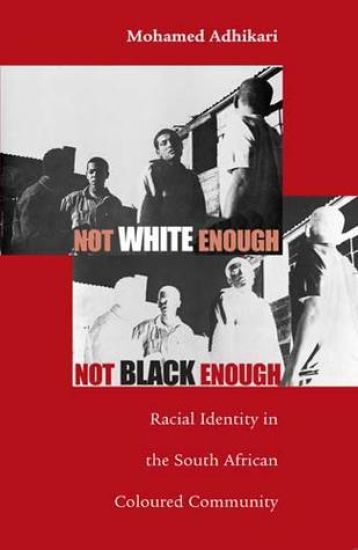
The concept of Colouredness—being neither white nor black—has been pivotal to the brand of racial thinking particular to South African society. The nature of Coloured identity and its heritage of oppression has always been a matter of intense political and ideological contestation. Not White Enough, Not Black Enough: Racial Identity in the South African Coloured Community is the first systematic study of Coloured identity, its history, and its relevance to South African national life. Mohamed Adhikari engages with the debates and controversies thrown up by the identity's troubled existence and challenges much of the conventional wisdom associated with it. A combination of wide-ranging thematic analyses and detailed case studies illustrates how Colouredness functioned as a social identity from the time of its emergence in the late nineteenth century through its adaptation to the postapartheid environment. Adhikari demonstrates how the interplay of marginality, racial hierarchy, assimilationist aspirations, negative racial stereotyping, class divisions, and ideological conflicts helped mold people's sense of Colouredness over the past century. Knowledge of this history, and of the social and political dynamic that informed the articulation of a separate Coloured identity, is vital to an understanding of present-day complexities in South Africa.