Genomics has transformed the biological sciences. From epidemiology and medicine to evolution and forensics, the ability to determine an organism's complete genetic makeup has changed the way science is done and the questions that can be asked of it. Its most celebrated achievement was the Human Genome Project, a technologically challenging endeavor that took thousands of scientists around the world 13 years and over 3 billion US dollars to complete. In this Very Short Introduction John Archibald explores the science of genomics and its rapidly expanding toolbox. Sequencing a human genome now takes only a few days and costs as little as $1,000. The genomes of simple bacteria and viruses can be sequenced in a matter of hours on a device that fits in the palm of your hand. The resulting sequences can be used to better understand our biology in health and disease and to 'personalize' medicine. Archibald shows how the field of genomics is on the cusp of another quantum leap; the implications for science and society are profound. ABOUT THE SERIES: The Very Short Introductions series from Oxford University Press contains hundreds of titles in almost every subject area. These pocket-sized books are the perfect way to get ahead in a new subject quickly. Our expert authors combine facts, analysis, perspective, new ideas, and enthusiasm to make interesting and challenging topics highly readable.
Written primarily for 16-19 year old students, this primer aims to extend students' knowledge and inspire them to take their school-level learning further. It explores topics that are familiar from the curriculum and also introduces new ideas, giving students a first taste of the study of biology beyond school-level and demonstrating how concepts frequently encountered at school are relevant to and applied in current research. This is the ideal text to support students who are considering making the transition from studying biology at school to university. This Oxford Biology Primer will introduce students to the field of genomics and its applications. From the early days of the Human Genome Project, sequencing technology has rapidly developed and is now cheaper and more accessible than ever before. The resulting pervasive nature of these technologies make them more likely to be experienced by people as patients, consumers and citizens. The primer introduces the basic principles of genomics and then uses these to consider human genetics, through examples of some of the rare diseases linked to single genes. The impact of these rare diseases is far-reaching and the knowledge gained through genome sequencing is proving invaluable in their diagnosis. Genome sequencing is revolutionising the diagnosis and treatment of cancer, and the primer introduces students to some of the key breakthroughs which have taken place in recent years. These include the identification of specific genes indicating cancer risk, and the sequencing of tumours throughout treatment to identify further mutations and modify treatment accordingly. The primer aims to address a number of the ethical issues which are raised by this rapidly-growing area of biology. Students are challenged to consider some of the decisions they may need to make relating to these technologies in their own lives, and are given opportunities to explore different aspects of these issues in a way which allows discussion to be both informed and meaningful. The study of infectious disease is also feeling the impact of genomics: the primer discusses the concept of pathogen genome sequencing, and illustrates the various ways in which this can be used - for example, enabling us to find different solutions to infections, to track outbreaks of disease to their source, and to identify and possibly ultimately combat antibiotic resistance. Many of the major diseases which impact the global population are caused by parasites, which come in a wide variety of shapes and sizes. The primer introduces students to the importance of understanding parasite genomes. Parasite genome sequencing makes it possible to develop both new medicines, and new treatments such as gene drive systems to wipe out disease-causing mosquito populations. For many years, our views of classification and evolution have been based on observational techniques going back to Darwin and Linnaeus. Focusing on human evolution, the primer will open students' eyes to the ways in which genome sequencing is being used to reveal evolutionary links that have never before been recognised, and to elucidate the way humans spread out of Africa across the world. Students are not always aware of the role technological developments play in enabling the progress of science. The final chapter delves into how genome sequencing technologies have developed, considering both the speed of change in the technology, its implications for usefulness, availability and cost, and the growing issue of big data and how it can be manipulated. The different technologies described in this chapter are referenced throughout the book.
Genomics research has made significant advances in recent years. In this book, a team of internationally-renowned researchers share the most up-to-date information in a field that has in recent years switched emphasis from gene identification to functional genomics and the characterization of genes and gene products. This volume approaches this complex subject with a broad perspective to supply the reader with a vital overview of genomics and its derivative fields, with a focus on pivotal issues such as data analysis. Expansive and current, this book is a comprehensive research guide that describes both the key new techniques and more established methods. Every chapter discusses the merits and limitations of the various approaches and then provides selected tried-and-tested protocols, as well as a plethora of good practical advice for immediate use at the bench. Key features: Provides a broad introduction to current practices and techniques for lab-based research in genomicsExplains clearly and precisely how to carry out selected techniques in addition to background information on the various approachesChapters are written by a leading international authorities in the field and cover both well-known and new, tried and tested, methods for working in genomicsIncludes troubleshooting guide and reviews of alternative techniquesAn essential laboratory manual for students and researchers at all levels
A unique exploration of the principles and methods underlying the Human Genome Project and modern molecular genetics and biotechnologyfrom two top researchers In Genomics, Charles R. Cantor, former director of the Human Genome Project, and Cassandra L. Smith give the first integral overview of the strategies and technologies behind the Human Genome Project and the field of molecular genetics and biotechnology. Written with a range of readers in mindfrom chemists and biologists to computer scientists and engineersthe book begins with a review of the basic properties of DNA and the chromosomes that package it in cells. The authors describe the three main techniques used in DNA analysishybridization, polymerase chain reaction, and electrophoresisand present a complete exploration of DNA mapping in its many different forms. By explaining both the theoretical principles and practical foundations of modern molecular genetics to a wide audience, the book brings the scientific community closer to the ultimate goal of understanding the biological function of DNA. Genomics features: *Topical organization within chapters for easy reference *A discussion of the developing methods of sequencing, such as sequencing by hybridization (SBH) in which data is read through words instead of letters *Detailed explanations and critical evaluations of the many different types of DNA maps that can be generatedincluding cytogenic and restriction maps as well as interspecies cell hybrids *Informed predictions for the future of DNA sequencing
Written by the successful author team of Sandy Primrose and Richard Twyman, Genomics: Applications in Human Biology is a topical book showing how the new science of genomics is adding impetus to the advances in human health provided by biotechnology. Written to provide the necessary overview of the subject, covering technological developments, applications and (where necessary) the ethical implications. Divided into three sections, the first section introduces the role of biotechnology and genomics in medicine and sets out some of the technological advances that have been the basis of recent medical breakthroughs. The second section takes a closer look at how biotechnology and genomics are influencing the prevention and treatment of different categories of disease. Finally the contribution of biotechnology and genomics to the development of different types of therapy is described, including conventional drugs, recombinant proteins and gene/cell therapies. References to appropriate sections in other two popular books, authored by Sandy Primrose and Richard Twyman, are included - Principles of Gene Manipulation and Principles of Gene Analysis and Genomics. Features several categories of boxed text, including history boxes (describing the origins and development of particular technologies or treatments), molecular boxes (featuring the molecular basis of diseases or treatments in more detail) and ethic boxes (which discusses the ethical implications of technology development and new therapies).
This unique new text delivers a solid foundation for understanding the role of genomics in human health and in advances that promise to help improve the quality of human life. Unlike other works that focus mainly on toxicogenomic techniques, Genomics presents a thorough overview of the field in four major sections: 1) fundamentals of genes and genome structure, function, expression, variations, and genomic technology platforms; 2) applications of genomics in drug discovery and drug development, safety evaluation, genomic database maintenance, mining, and analysis, food safety monitoring, and translational toxicogenomics; 3) how regulatory agencies such as the FDA and EPA use genomic data in their safety evaluation; and 4) a summary of the current state and the future prospect of the science of genomics.With an international perspective and practical case studies, Genomics is the first resource to present essential discussion of theory and application for: eukaryotic genomesepigenomicstranslational genomics and biomarker development
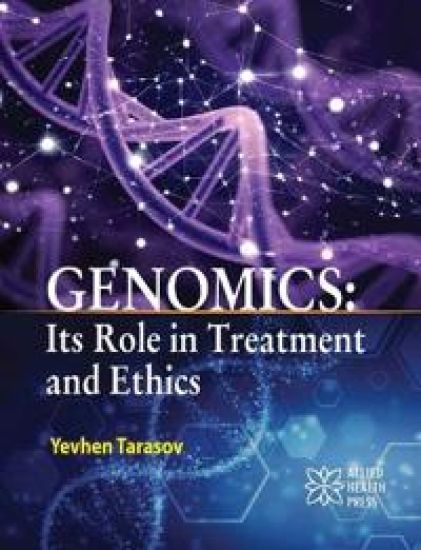
Examining the intersection of genomics, healthcare, and ethics, this book explores the impact of genomic research on disease prevention, diagnosis, and personalized medicine. It covers genomic technologies, bioinformatics tools, and ethical implications of genetic testing and counseling. It also illustrates genomic applications in oncology, pharmacogenomics, and rare genetic disorders, fostering a critical understanding of genomic medicine's promises and challenges.
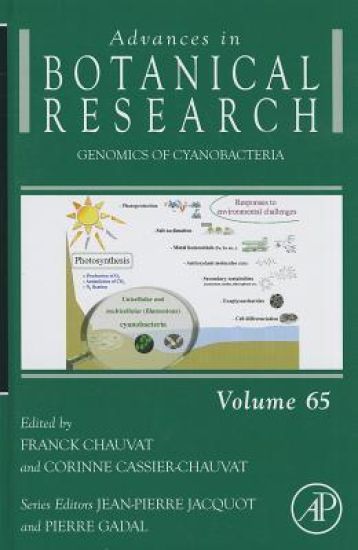
Advances in Botanical Research publishes in-depth and up-to-date reviews on a wide range of topics in plant sciences. The series features a wide range of reviews by recognized experts on all aspects of plant genetics, biochemistry, cell biology, molecular biology, physiology and ecology. This thematic volume features reviews on The Genomics of Cyanobacteria.
Genomics and Society; Ethical, Legal-Cultural, and Socioeconomic Implications is the first book to address the vast and thorny web of ELSI topics identified as core priorities of the NHGRI in 2011. The work addresses fundamental issues of biosociety and bioeconomy as the revolution in biology moves from research lab to healthcare system. Of particular interest to healthcare practitioners, bioethicists, and health economists, and of tangential interest to the gamut of applied social scientists investigating the societal impact of new medical paradigms, the work describes a myriad of issues around consent, confidentiality, rights, patenting, regulation, and legality in the new era of genomic medicine.
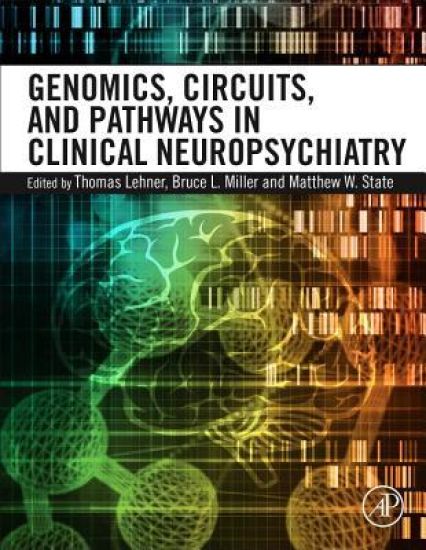
This foundational work comprehensively examines the current state of the genetics, genomics and brain circuitry of psychiatric and neurological disorders. It consolidates discoveries of specific genes and genomic regions associated with these conditions, the genetic and anatomic architecture of these syndromes, and addresses how recent advances in genomics are leading to a reappraisal of the biology underlying clinical neuroscience. In doing so, it critically examines the promise and limitations of these discoveries toward treatment, and to the interdisciplinary nature of understanding brain and behavior. Coverage includes new discoveries regarding autism, epilepsy, intellectual disability, dementias, movement disorders, language impairment, disorders of attention, schizophrenia, and bipolar disorder. Genomics, Circuits, and Pathways in Clinical Neuropsychiatry focuses on key concepts, challenges, findings, and methods in genetics, genomics, molecular pathways, brain circuitry, and related neurobiology of neurologic and psychiatric disorders.
Genomics in Food Safety, written by leading experts in the field, is a vital resource in understanding the impact of genomics on food safety. This volume defines the role of next generation sequencing (NGS), from the perspective of food science, genome sequencing technologies, and applications to provide a context for the power of genomics in food borne illnesses and outbreak detection and analysis. Topics covered include pathogen diagnostics, antibiotic resistance, traceability, rapid detection methods using NGS, regulation, surveillance, and the most current issues and technologies in research today.
Genomics in Aquaculture is a concise, must-have reference that describes current advances within the field of genomics and their applications to aquaculture. Written in an accessible manner for anyone—non-specialists to experts alike—this book provides in-depth coverage of genomics spanning from genome sequencing, to transcriptomics and proteomics. It provides, for ease of learning, examples from key species most relevant to current intensive aquaculture practice. Its coverage of minority species that have a specific biological interest (e.g., Pleuronectiformes) makes this book useful for countries that are developing such species. It is a robust, practical resource that covers foundational, functional, and applied aspects of genomics in aquaculture, presenting the most current information in a field of research that is rapidly growing.
Physiology, Behavior, Genomics of Social Insects provides comprehensive information on the social insect groups described, including new and unique reviews on emerging model social organisms. The book's interdisciplinary approach integrates behavior, genomics, and physiology, providing readers with great insights into the present state of a rapidly expanding area of research. It also discusses areas where new research tools will bring hope to longstanding problems.
Genomics and Biotechnological Advances in Veterinary, Poultry, and Fisheries is a comprehensive reference for animal biotechnologists, veterinary clinicians, fishery scientists, and anyone who needs to understand the latest advances in the field of next generation sequencing and genomic editing in animals and fish. This essential reference provides information on genomics and the advanced technologies used to enhance the production and management of farm and pet animals, commercial and non-commercial birds, and aquatic animals used for food and research purposes. This resource will help the animal biotechnology research community understand the latest knowledge and trends in this field.
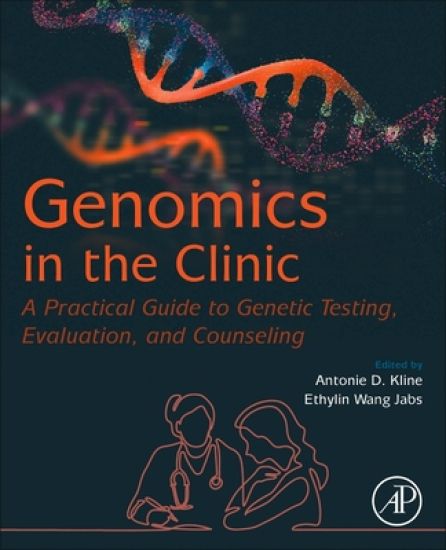
**Selected for 2025 Doody’s Core Titles® in Clinical Genetics** Genomics in the Clinic: A Practical Guide to Genetic Testing, Evaluation, and Counseling illustrates the current scope of the practice of genetics for healthcare professionals, so they can understand principles applicable to genetic testing and consultation. Written by an authoritative well-balanced team, including experienced clinical geneticists, genetic counselors, and medical subspecialists, this book adopts an accessible, easy-to-follow format. Sections are dedicated to basic genetic principles; clinical genetic and genomic testing; prenatal, clinical and cancer genetic diagnosis and counseling; and ethical and social implications in genomic medicine. Over 100 illustrative cases examine a range of prenatal, pediatric and adult genetic conditions and testing, putting these concepts and approaches into practice. Genomics in the Clinic: A Practical Guide to Genetic Testing, Evaluation, and Counseling is important for primary care providers, as patient care evolves in the current genomic-influenced world of precision medicine.
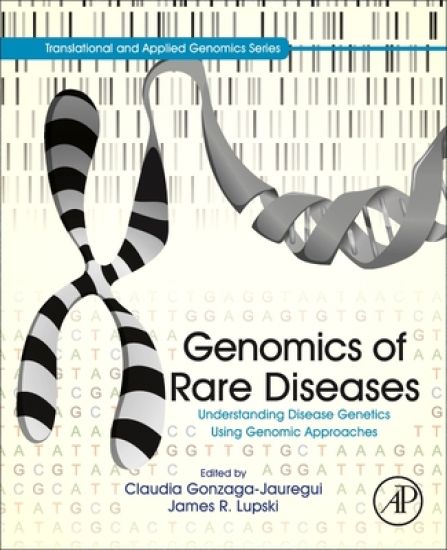
Genomics of Rare Diseases: Understanding Disease Genetics Using Genomic Approaches, a new volume in the Translational and Applied Genomics series, offers readers a broad understanding of current knowledge on rare diseases through a genomics lens. This clear understanding of the latest molecular and genomic technologies used to elucidate the molecular causes of more than 5,000 genetic disorders brings readers closer to unraveling many more that remain undefined and undiscovered. The challenges associated with performing rare disease research are also discussed, as well as the opportunities that the study of these disorders provides for improving our understanding of disease architecture and pathophysiology. Leading chapter authors in the field discuss approaches such as karyotyping and genomic sequencing for the better diagnosis and treatment of conditions including recessive diseases, dominant and X-linked disorders, de novo mutations, sporadic disorders and mosaicism.
In 2001 the Human Genome Project succeeded in mapping the DNA of humans. This landmark accomplishment launched the field of genomics, the integrated study of all the genes in the human body and the related biomedical interventions that can be tailored to benefit a person's health. Today genomics, part of a larger movement toward personalized medicine, is poised to revolutionize health care. By cross-referencing an individual's genetic sequence -- their genome -- against known elements of "Big Data," elements of genomics are already being incorporated on a widespread basis, including prenatal disease screening and targeted cancer treatments. With more innovations soon to arrive at the bedside, the promise of the genomics revolution is limitless. This entry in the What Everyone Needs to Know series offers an authoritative resource on the prospects and realities of genomics and personalized medicine. As this science continues to alter traditional medical paradigms, consumers are faced with additional options and more complicated decisions regarding their health care. This book provides the essential information everyone needs.
In 2001 the Human Genome Project succeeded in mapping the DNA of humans. This landmark accomplishment launched the field of genomics, the integrated study of all the genes in the human body and the related biomedical interventions that can be tailored to benefit a person's health. Today genomics, part of a larger movement toward personalized medicine, is poised to revolutionize health care. By cross-referencing an individual's genetic sequence -- their genome -- against known elements of "Big Data," elements of genomics are already being incorporated on a widespread basis, including prenatal disease screening and targeted cancer treatments. With more innovations soon to arrive at the bedside, the promise of the genomics revolution is limitless. This entry in the What Everyone Needs to Know series offers an authoritative resource on the prospects and realities of genomics and personalized medicine. As this science continues to alter traditional medical paradigms, consumers are faced with additional options and more complicated decisions regarding their health care. This book provides the essential information everyone needs.
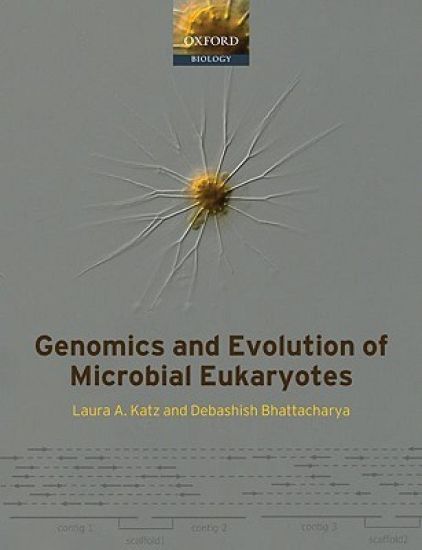
Genomics and Evolution of Eukaryotic Microbes synthesizes the rapidly emerging fields of eukaryotic diversity and genome evolution. Eukaryotes (cells with nuclei) evolved as microbes and have existed on Earth for approximately two billion years. The tremendous diversity of eukaryotic microbes (protists) is often overlooked by those who study the macroscopic eukaryotic lineages: plants, animals, and fungi. Yet, eukaryotic microbes are of critical importance to ecosystems, human health, and our desire to understand biodiversity on Earth. By bringing together groundbreaking data from genome studies of diverse eukaryotic microbes, this book elucidates the many novelties among eukaryotic genomes and provides a single resource for otherwise widely dispersed information. Eukaryotic microorganisms impact both our health and our environment. These organisms include some of the deadliest known pathogens such as Plasmodium falciparum, a causative agent of malaria, and Entamoeba histolytica an agent of dysentery. Eukaryotic microbes also play a significant role in environments through their involvement in global biogeochemical cycles. Such roles are perhaps best exemplified by the coccolithophores, including the species Emiliania huxleyi, which can create 'blooms' in the oceans that are visible from outer space (i.e. as large as the state of Alaska). Despite the great importance and breadth of eukaryotic microbes (the vast majority of major ukaryotic lineages are microbial, with plants, animals and fungi representing just three of an estimated 60-200 major lineages), our understanding of their diversity and phylogeny is only now rapidly expanding, in part bolstered by genomic studies. This book presents analyses and interpretations from experts in the field. Recent advances, particularly in DNA sequencing technologies, have made eukaryotic microbes more accessible to genome analyses. Unravelling the wealth of information on eukaryotic genomes will invariably revolutionize our understanding of eukaryotes, including their physiology, systematics, and ecology.
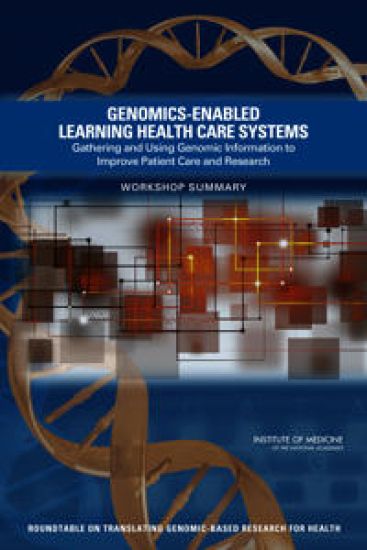
The inclusion of genomic data in a knowledge-generating health care system infrastructure is one promising way to harness the full potential of that information to provide better patient care. In such a system, clinical practice and research influence each other with the goal of improving the efficiency and effectiveness of disease prevention, diagnosis, and treatment. To examine pragmatic approaches to incorporating genomics in learning health care systems, the Institute of Medicine Roundtable on Translating Genomic-Based Research for Health hosted a workshop which convened a variety of stakeholder groups, including commercial developers, health information technology professionals, clinical providers, academic researchers, patient groups, and government and health system representatives, to present their perspectives and participate in discussions on maximizing the value that can be obtained from genomic information. The workshop examined how a variety of systems are capturing and making use of genomic data to generate knowledge for advancing health care in the 21st century. It also sought to evaluate the challenges, opportunities, and best practices for capturing or using genomic information in knowledge-generating health care systems. Genomics-Enabled Learning Health Care Systems summarizes the presentations and discussion of the workshop. Table of Contents Front Matter 1 Introduction and Themes of the Workshop 2 Advancing Patient Care and Research with Genomic Information 3 Translation of Genomics for Patient Care and Research 4 Genomics and the EHR in a Learning Health Care System 5 Representing Genomic Information in the EHR Ecosystem 6 Possible Next Steps References Appendix A: Workshop Agenda Appendix B: Speaker Biographical Sketches Appendix C: Statement of Task Appendix D: Registered Attendees