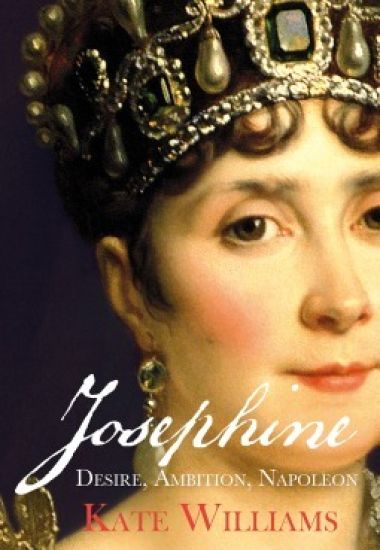
In this triumphant biography, Kate Williams tells Josephine�s searing story, of sexual obsession, politics and surviving as a woman in a man�s world. Abandoned in Paris by her aristocratic husband, Josephine's future did not look promising.
Michael McClure's Josephine: The Mouse Singer, a play in verse, is based on a story of Franz Kafka's, "Josephine the Singer, or the Mouse Folk." Kafka and McClure? And yet the combination is bound to work, for in essence both writers in their different ways ponder the trials of the artist in an arbitrary universe. McClure's exuberant, inspired adaptation, in fact, reminds us of the bizarre whimseys Kafka's tales were originally intended to be. The first New York production of Josephine: The Mouse Singer, in November 1978 at the WPA Theatre, received The Village Voice's prestigious Obie award for the Best Play of the Year. "As so often happens Off-Off-Broadway," the Voice's citation reads. "it is a play that was performed for only three weekends, but it is a play of extraordinary wit and grace and wisdom, at once utterly charming and almost unbearably painful, a play which tells us that the relationship between artists and their society is often intolerable, but which also tells us that for a society to endure without its artists is impossible."
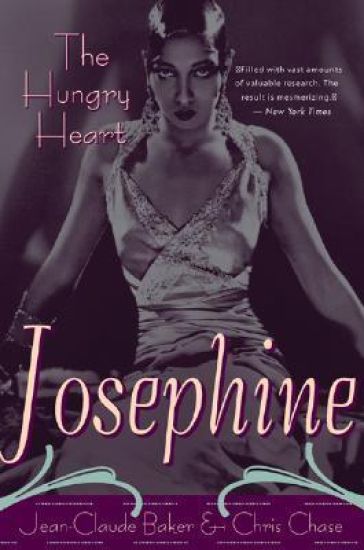
Based on twenty years of research and thousands of interviews, this authoritative biography of performer Josephine Baker (1906-1975) provides a candid look at her tempestuous life. Born into poverty in St. Louis, the uninhibited chorus girl became the sensation of Europe and the last century's first black sex symbol. A heroine of the French Resistance in World War II, she entranced figures as diverse as de Gaulle, Tito, Castro, Princess Grace, two popes, and Martin Luther King, Jr. Yet Josephine was also, as one critic put it, 'a monster who made Joan Crawford look like the Virgin Mary.' Jean-Claude Baker's book also reveals her outbursts that resulted in lasting feuds, her imperious treatment of family and entourage members, and her ambivalent attitudes concerning her ethnic background. Reconciling Josephine's many personas--Jazz-age icon, national hero of France, proponent of Civil Rights, mother of children from across the globe--Josephine: The Hungry Heart gives readers the inside story on a star unlike any other before or since.
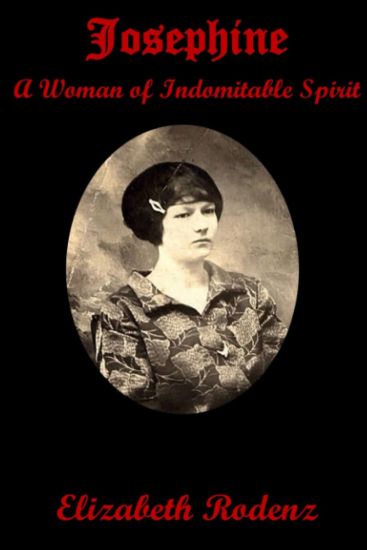
Josephine is a saga about greed, power, servitude, and survival, balanced against the misery of living in a western Pennsylvania coal patch. Timeless, poignant with flawed, unforgettable characters and set during a most prosperous time for the few, Josephine's efforts to shape a life that sets her afire are thwarted time and time again by forces around her. Although she rebuffs society's mandates and wants to carve out her own path, circumstances compel her to marry Joseph, one of the many miners battling for his dignity and welfare. Josephine and her friends, Annie and Emma, struggle to survive and help other women to do the same as heartache reaches into every home. They are pushed and pulled by tragedies, the constant threat of poverty, and by a society of imposed limitations. Although Josephine's story does not end tied up in a pretty bow with the reader saying she slayed the dragon, they can say she had an indomitable spirit; she tackled the challenges that came her way; and made opportunities for herself, her family, and the women around her.
Every cat deserves a collection of poems written in her honor, but few are fortunate enough to have so eloquent a laureate as Laurence Avery. Josephine's self-described "attendant" chronicles with wit and warmth the details of her life in both indoor and outdoor worlds. Avery sets the tone from the very first line of the opening poem: "She's in the class of things I dote on..." then reveals in the final poem how Josephine acquired her regal name. Patricia Lockwood Davis' beautiful illustrations pair perfectly with the verse to reflect the many sides of Josephine's personality.Josephine is Avery's second collection of poetry.
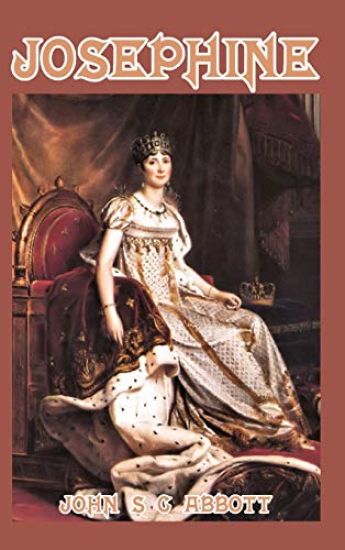
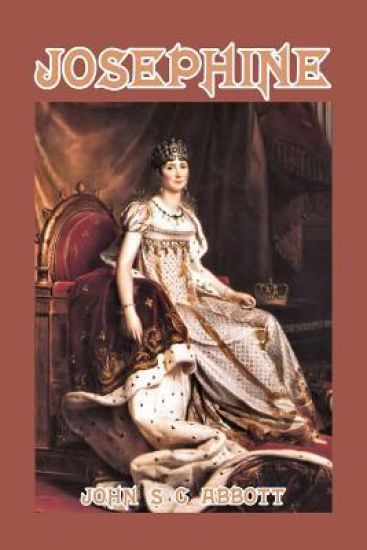
"Know the woman, and you will know the man" is a proverb oft-repeated, and nowhere is it proved truer than in this highly insightful biography of Josephine de Beauharnais (1763-1814), first wife of Napoleon Bonaparte and famous in her own right. With his usual masterful flair, John S. C. Abbott provides the reader with a detailed description of Josephine's dramatic life: her birth into a wealthy French colonial family on the island of Martinique, her first marriage into the noble de Beauharnais family-and of her first spouse's execution during the Reign of Terror which accompanied the French Revolution. Josephine herself was only spared the guillotine after the overthrow of Robespierre, and a day before her own scheduled execution. She met Napoleon in 1795, and although six years his senior, soon became his lover. Within two years they were married, and her rise in society accompanied that of her husband. Starting as wife of the First Consul of France, her fame and beauty became even more widespread when, in 1804, she was proclaimed Empress of France by Napoleon at a grand ceremony in the Notre Dame Cathedral. This book does not however concentrate on her husband's exploits, but instead focuses on aspects of Josephine's life, activities, and interactions with the public which led her to become one of France's most loved figures. Included are revelations about her influence over her husband-which extended to matters of state-and also their domestic arrangements, which became strained over time with Napoleon's increasingly wide-ranging military adventures. Finally, the book provides the details of Napoleon's decision to divorce Josephine to marry the daughter of the Austrian emperor-driven by the need to produce an heir which Josephine could not fulfil. Napoleon's regret at this action-and the heartbreak it caused Josephine-are fully documented, and her death only four years later saw her last recorded words being his name.
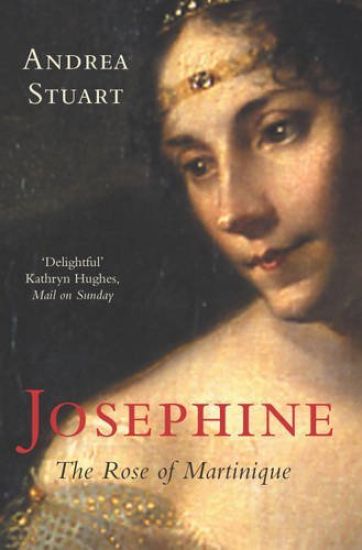
‘It’s a story worthy of a blockbuster novel, and it’s all true. Oodles of sex, passion, adultery, media hype, decadence, plots, murder, mayhem, anguish and betrayal fill these pages . . . an enjoyable, well-researched book; I didn’t want to reach the end’ Edwina Currie, New Statesman Books of the Year One of the most potent icons of female sexuality, Josephine has largely been reduced to an empty cipher, wife to her more famous husband and the butt of one of the oldest jokes around. Yet as Andrea Stuart shows, the girl who grew up on the beautiful island of Martinique endured Caribbean slave revolts, an arranged marriage, and the threat of the guillotine before she even met the man who made her Empress of France. In the grip of turbulent times, Josephine used her intelligence and her allure to forge her way in a Paris that raged and fought and danced its way through revolution and empire. This is the thrilling story of her strength, survival and ultimate transformation.
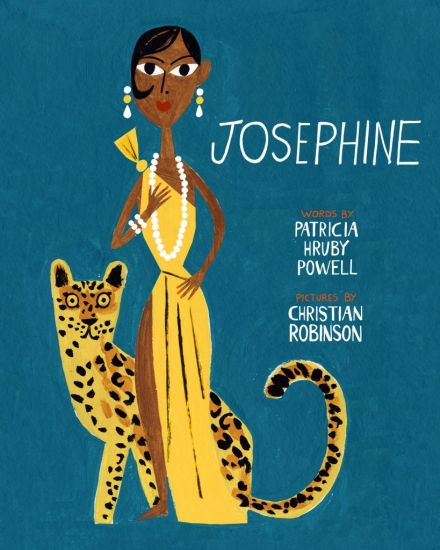
An emotionally powerful biography told in verse of a dancer, singer, comedienne, and enduring figure - Josephine Baker - from her birth in the slums, her fantastic success, and her fight against racial prejudice.
"Know the woman, and you will know the man" is a proverb oft-repeated, and nowhere is it proved truer than in this highly insightful biography of Josephine de Beauharnais (1763-1814), first wife of Napoleon Bonaparte and famous in her own right. With his usual masterful flair, John S. C. Abbott provides the reader with a detailed description of Josephine's dramatic life: her birth into a wealthy French colonial family on the island of Martinique, her first marriage into the noble de Beauharnais family-and of her first spouse's execution during the Reign of Terror which accompanied the French Revolution. Josephine herself was only spared the guillotine after the overthrow of Robespierre, and a day before her own scheduled execution.She met Napoleon in 1795, and although six years his senior, soon became his lover. Within two years they were married, and her rise in society accompanied that of her husband. Starting as wife of the First Consul of France, her fame and beauty became even more widespread when, in 1804, she was proclaimed Empress of France by Napoleon at a grand ceremony in the Notre Dame Cathedral.This book does not however concentrate on her husband's exploits, but instead focuses on aspects of Josephine's life, activities, and interactions with the public which led her to become one of France's most loved figures. Included are revelations about her influence over her husband-which extended to matters of state-and also their domestic arrangements, which became strained over time with Napoleon's increasingly wide-ranging military adventures.Finally, the book provides the details of Napoleon's decision to divorce Josephine to marry the daughter of the Austrian emperor-driven by the need to produce an heir which Josephine could not fulfil. Napoleon's regret at this action-and the heartbreak it caused Josephine-are fully documented, and her death only four years later saw her last recorded words being his name. A marvelous sweeping story of high drama, and intense emotions which will leave no reader unmoved.ContentsChapter I: Life in MartiniqueChapter II: The Marriage of JosephineChapter III: Arrest of M. Beauharnais and JosephineChapter IV: Scenes in PrisonChapter V: The Release from PrisonChapter VI: Josephine in ItalyChapter VII: Josephine at MalmaisonChapter VIII: Josephine the Wife of the First ConsulChapter IX: Developments of CharacterChapter X: The CoronationChapter XI: Josephine an EmpressChapter XII: The Divorce and Last Days
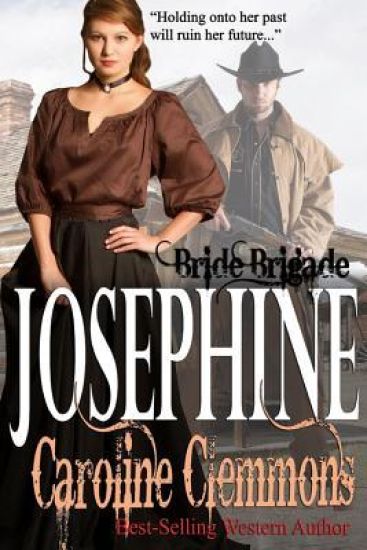
A desperate escape. A new beginning in Texas. Can trust and love blossom after a lifetime of fear?Josephine Nailor will do anything to protect herself and her best friend from the oppressive fathers who control their lives. When a newspaper ad offers hope, the two young women seize the chance to flee their tiny hometown for Richmond, and ultimately, a new life in Tarnation, Texas. With the help of the wealthy and kind-hearted Lydia Harrison, Josephine and six other women join the Bride Brigade, each hoping for safety and a fresh start.Michael Buchanan, mayor and owner of the local mercantile, is proud of his growing town but longs for a partner to share his life. When he meets Josephine, he's immediately drawn to her spirit and beauty. But Josephine's painful past has left her wary-especially of men in power. As attraction grows between them, Josephine must decide if she can let go of old fears and embrace the happiness she deserves.Will Josephine's mistrust keep her from a future with Michael, or will love help her find the courage to claim her place in Tarnation?Perfect for readers who love western historical romance, mail order bride romance, Texas frontier romance, strong heroine stories, small town romance series, second chance at happiness, and found family romance.