Kirjojen hintavertailu. Mukana 11 699 587 kirjaa ja 12 kauppaa.

Kirjahaku

Etsi kirjoja tekijän nimen, kirjan nimen tai ISBN:n perusteella.

5 tulosta hakusanalla "Managing Tourette Syndrome"

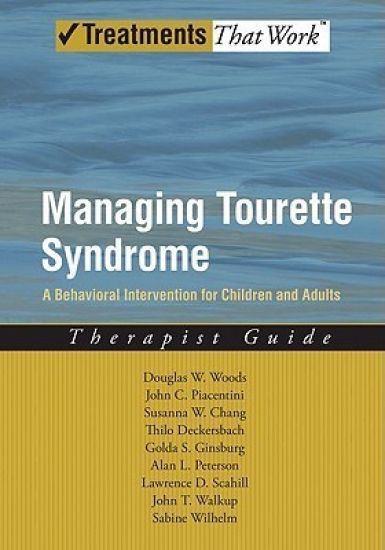
Managing Tourette Syndrome

Managing Tourette Syndrome

Douglas W Woods; John Piacentini; Susanna Chang; Thilo Deckersbach; Golda Ginsburg; Alan Peterson; Lawrence D Scahill; John T Walkup; Sabine Wilhelm

Oxford University Press Inc
2008
nidottu
In 2002, the Tourette Syndrome Association formed the TS Behavioral Sciences Consortium (BSC). The charge of the BSC was to develop and test nonpharmacological treatment options for individuals, both children and adults with Tourette Syndrome. This manual is the result of their work, and represents the most scientifically effective behavioral treatment for Tourette Syndrome available today. The treatment program uses Habit Reversal Training (HRT) for children and adults with chronic tic disorder. Individual treatment is based at its core on awareness training, the development of a specific competing response for each tic, and the use of functionally-based strategies for the elimination of tic-exacerbating antecedent and consequent variables. In addition, individual treatment includes techniques designed to enhance patient compliance, including social support and an inconvenience review, as well as scheduled time for the therapist and client to discuss areas of functioning that individuals with TS may find difficult, such as social/familial difficulties and disruptive/anger/rage behavior. Each week, clients are given homework assignments, to be done 4-5 times per week, consisting of 20 to 30 minutes of awareness and competing response training to tics addressed in session. The client will be encouraged to keep tally marks to monitor tic behavior. Home-based monitoring and competing response training are reviewed at each session. All homework assignments will be available in the companion workbook.
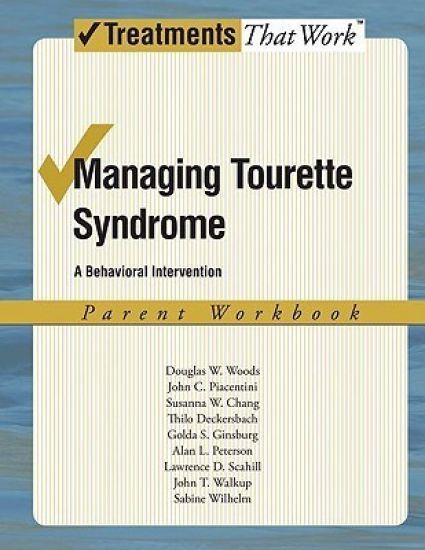
Managing Tourette Syndrome

Managing Tourette Syndrome

Douglas W Woods; John Piacentini; Susanna Chang; Thilo Deckersbach; Golda Ginsburg; Alan Peterson; Lawrence d Scahill; John T Walkup; Sabine Wilhelm

Oxford University Press Inc
2008
nidottu
In 2002, the Tourette Syndrome Association formed the TS Behavioral Sciences Consortium (BSC). The charge of the BSC was to develop and test nonpharmacological treatment options for individuals, both children and adults with Tourette Syndrome. This manual is the result of their work, and represents the most scientifically effective behavioral treatment for Tourette Syndrome available today. The treatment program uses Habit Reversal Training (HRT) for children and adults with chronic tic disorder. Individual treatment is based at its core on awareness training, the development of a specific competing response for each tic, and the use of functionally-based strategies for the elimination of tic-exacerbating antecedent and consequent variables. In addition, individual treatment includes techniques designed to enhance patient compliance, including social support and an inconvenience review, as well as scheduled time for the therapist and client to discuss areas of functioning that individuals with TS may find difficult, such as social/familial difficulties and disruptive/anger/rage behavior. Each week, clients are given homework assignments, to be done 4-5 times per week, consisting of 20 to 30 minutes of awareness and competing response training to tics addressed in session. The client will be encouraged to keep tally marks to monitor tic behavior. Home-based monitoring and competing response training are reviewed at each session. All homework assignments will be available in the companion workbook.
Managing Tourette Syndrome

Managing Tourette Syndrome

Douglas W Woods; John Piacentini; Susanna Chang; Thilo Deckersbach; Golda Ginsburg; Alan Peterson; Lawrence D Scahill; John Walup; Sabine Wilhelm

Oxford University Press Inc
2008
nidottu
In 2002, the Tourette Syndrome Association formed the TS Behavioral Sciences Consortium (BSC). The charge of the BSC was to develop and test nonpharmacological treatment options for individuals, both children and adults with Tourette Syndrome. This manual is the result of their work, and represents the most scientifically effective behavioral treatment for Tourette Syndrome available today. The treatment program uses Habit Reversal Training (HRT) for children and adults with chronic tic disorder. Individual treatment is based at its core on awareness training, the development of a specific competing response for each tic, and the use of functionally-based strategies for the elimination of tic-exacerbating antecedent and consequent variables. In addition, individual treatment includes techniques designed to enhance patient compliance, including social support and an inconvenience review, as well as scheduled time for the therapist and client to discuss areas of functioning that individuals with TS may find difficult, such as social/familial difficulties and disruptive anger/rage behavior. Each week, clients are given homework assignments, to be done 4-5 times per week, consisting of 20 to 30 minutes of awareness and competing response training to tics addressed in session. The client will be encouraged to keep tally marks to monitor tic behavior. Home-based monitoring and competing response training are reviewed at each session. All homework assignments will be available in this companion workbook.
Managing Tourette Syndrome TG

Managing Tourette Syndrome TG

Douglas W. Woods; John C. Piacentini; Alan L. Peterson; Lawrence D. Scahill; John T. Walkup

OXFORD UNIVERSITY PRESS INC
2025
nidottu
This therapist guide addresses the treatment of Tourette syndrome (TS) in children and adults. The goal of this 11-session program is to teach the patient effective tic management skills rather than to cure the tic disorder. Complete with step-by-step instructions for running sessions, as well as lists of materials needed, session outlines, and copies of forms necessary for treatment, this therapist guide provides all the information needed to successfully treat tic disorders. Now into its second edition, this well-established treatment protocol is now recognized as a first-line treatment for tics in individuals across the world and outlines the protocol for the Comprehensive Behavioral Intervention for Tics (CBIT). Written by the treatment developers, this book provides not only the technical knowledge of how the treatment can be effectively implemented, but also includes the collected wisdom from nearly 20 years of treating patients with the protocol. This updated protocol is a must have for anyone treating individuals with tic disorders. Also available is an updated and revised corresponding workbook for parents and their children, as well as the original workbook designed specifically for adolescent and adult clients.
Managing Tourette Syndrome Parent WB

Managing Tourette Syndrome Parent WB

Douglas W. Woods; John C. Piacentini; Alan L. Peterson; Lawrence D. Scahill; John T. Walkup

OXFORD UNIVERSITY PRESS INC
2025
nidottu
This Parent Workbook addresses the treatment of Tourette syndrome (TS) in children and adults. The goal of this 11-session program is to teach the patient effective tic management skills rather than to cure the tic disorder. Children, alongside parents, will be taught how to become aware of tics, how to substitute other behaviors to manage tics when they start to appear, and how to avoid factors that may make tics worse, as well as relaxation techniques to reduce stress and relapse prevention strategies. The workbook provides user-friendly forms for tracking symptoms and monitoring tic severity. Now into its second edition, this well-established treatment protocol is recognized as a first-line treatment for tics in individuals across the world and outlines the protocol for the Comprehensive Behavioral Intervention for Tics (CBIT). Written by the treatment developers, this book provides not only the technical knowledge of how the treatment can be effectively implemented, but also includes the collected wisdom from nearly 20 years of treating patients with the protocol. This updated protocol is a must have for anyone trying to manage tic disorder. Also available is an updated and revised corresponding therapist guide, as well as the original workbook designed specifically for adolescent and adult clients.