From attempting to inform us about current events to entertaining us with imagined worlds, the media has a primary influence upon how we conceive the world, ourselves, and others. Consequently, the moral complexities, dilemmas, and duties that arise in relation to journalism and the media are difficult to negotiate. Critically developing a philosophical approach to conceptualizing the aim of journalism; the nature of good, impartial reporting; and moral restrictions concerning lies, deceit, violence, and censorship, this book argues for substantive positions concerning what we should, rationally, hold as the moral rights and duties of journalists and the media.
From attempting to inform us about current events to entertaining us with imagined worlds, the media has a primary influence upon how we conceive the world, ourselves, and others. Consequently, the moral complexities, dilemmas, and duties that arise in relation to journalism and the media are difficult to negotiate. Critically developing a philosophical approach to conceptualizing the aim of journalism; the nature of good, impartial reporting; and moral restrictions concerning lies, deceit, violence, and censorship, this book argues for substantive positions concerning what we should, rationally, hold as the moral rights and duties of journalists and the media.
Media Ethics brings together philosophers, academics and media professionals to debate pressing ethical and moral questions for journalists and the media and to examine basic notions such as truth, virtue, privacy, rights, offence, harm and freedom which are used in answering them.
Media Ethics brings together philosophers, academics and media professionals to debate pressing ethical and moral questions for journalists and the media and to examine basic notions such as truth, virtue, privacy, rights, offence, harm and freedom which are used in answering them.
Through original case studies and analyses of real-life media experiences, Media Ethics challenges readers to think analytically and critically about ethical situations in mediated communication.This textbook provides a comprehensive introduction to the theoretical principles of ethical philosophies, facilitating awareness and critical reflection of ethical issues. In each chapter, the authors examine case studies spanning several continents and geopolitical and cultural contexts. To provide a framework for analyzing the cases and exploring the steps in moral reasoning, the book introduces the Potter Box, a powerful tool for moral analysis. Focusing on a wide range of ethical issues faced by media practitioners and news organizations, the cases in this new twelfth edition include the most prominent concerns in journalism, broadcasting, advertising, public relations, and entertainment today. It explores new topics such as the use of ChatGPT in newsrooms, the privacy implications of biometric technologies, the role of public relations in political campaigns, and advertisers’ approach to sustainability and climate change.This core textbook is ideal for classes in media and communication ethics, journalism, public relations, advertising, entertainment media, and popular culture.Online instructor and student resources, including video introductions to each chapter, PowerPoint slides, sample discussion and exam questions, and links to further resources, are available at www.routledgelearning.com/mediaethics.
Media Ethics: Readings on Critical Thinking and Cyber Dynamics highlights the importance of ethical communication and media practices to the preservation of contemporary social constructs and the continued support of human endeavor. The anthology examines the phenomenology of media ethics, critical thinking, digital revolution, social values, and the dynamics of culture and civilization over time.The text is divided into four parts. Part I introduces the overarching concept of ethical principles, featuring readings that define ethics, explain why we need ethics policies and guidelines, and present scenarios where contemporary ethics come into play. In Part II, students read a selection of case studies that explore modern issues in ethics, including crowdfunding, access to the internet, and social media, blogging, and advertising. Part III presents select articles on social media, media ethics, and reputation and brand management. The final part addresses global challenges related to media ethics, including Wikileaks and issues in whistle blowing, phone hack scandals, China's internet search market, and media ethics in Africa.Timely and highly contemporary, Media Ethics is an ideal resource for undergraduate and graduate-level courses in communication and media ethics.
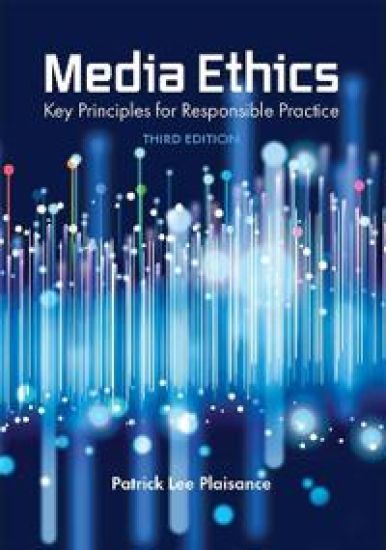
Media Ethics: Key Principles for Responsible Practice equips students with the knowledge and critical skill sets they need to develop a solid foundation in ethical thinking and responsible media behavior. The text balances ethics theory with case studies to explain key ethical principles and their application in real-world media practice.The book introduces classical and contemporary ethics theory and helps students develop a greater understanding of and appreciation for the deliberative process required for responsible media practice. Dedicated chapters address key ethical principles including transparency, justice, harm, autonomy, privacy, and community. Case studies throughout the book provide examples of media behaviors that have posed real-life dilemmas. These contemporary examples underscore the need for ethical media practice and also set the stage for lively debate and reflection.The third edition includes up-to-date case studies, media research, and ethics theory applications to media technologies. Three new chapters address moral decision-making in everyday life, the key factors involved in being a responsible media consumer, and ethical and policy questions surrounding Big Data and our data-driven media system.Developed to foster ethical thought and decision-making, Media Ethics is the ideal textbook for courses dealing with ethics in journalism, public relations, advertising, strategic communication, and media marketing.
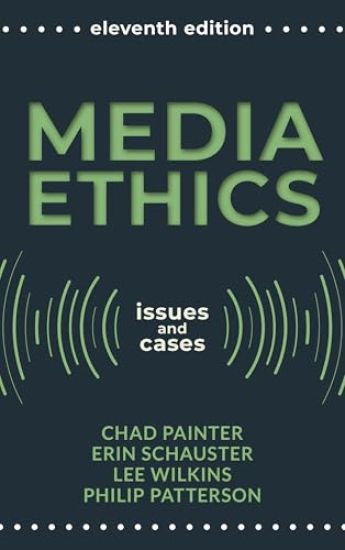
The eleventh edition of this authoritative book focuses on the most pressing media ethics issues, including coverage of the 2024 elections and the emergence of AI. Enabling students to make ethical decisions in an increasingly complex environment, the book focuses on practical ethical theory for use across the media curriculum.Twenty-three new cases address events from the Israel-Hamas war, AI-generated authors, privacy for underage influencers, Fox News election fraud claims, social media whistleblowers, threats to student-run media outlets, police posing as journalists, the Bud Light transgender ad uproar, the use of generative AI in advertising, the publication of graphic war images (focusing on the Ukraine-Russia and Israel-Hamas wars), deep fakes in sexually explicit media, the impact of Taylor Swift on the NFL, video games requiring in-game purchases to win, and more. Additional Features:· Each case has pedagogical questions that expand outward from the specifics of the case itself to ever-larger issues suggested by the case.· Chapters in such areas as social justice, media and democracy, and loyalty, discuss all types of media rather than segmenting the text by medium.· An introductory chapter in moral philosophy begins the text and a final chapter in moral development concludes it.· Text addresses the implications of digital content throughout multiple media industries and platforms. Online material for students and instructors includes all cases from previous editions, lecture slides, essay questions, and suggested classroom activities.
All of us form some kind of idea about what we see, hear or read in the media, not only about the content of the reports but also about the way in which they are presented and their relevance. We judge the reports as good or bad for this or that reason. And yet most people remain convinced that 'media ethics' has nothing to do with them. The term 'media ethics' leaves many people with the false impression that it refers to an exclusive specialist discipline for professionally trained experts. Ethics is not a field like biochemistry or ancient history : ethics has more to do wit the skill of being able to distinguish good institutions, actions and ideas from ones that are not so good, a skill everybody needs to exercise, certainly in this age where media are so influential. It is important for the well-being of our societies and democracies that the questions about good media are on the top of the agenda of everyone involved in it : producers, broadcasters, journalists, politicians, internet providers and media users. In this volume, well known ethicists and social scientists present their introduction to this question from various perspectives and different points of departure. With their contributions they hope to open a balanced social dialogue that will prevail over commercial and rhetorical violence.
Certain films seem to encapsulate perfectly the often abstract ethical situations that confront the media, from truth-telling and sensationalism to corporate control and social responsibility. Using these movies—including Ace in the Hole, All the President's Men, Network, and Twelve Angry Men—as texts, authors Howard Good and Michael Dillon demonstrate that, when properly framed and contextualized, movies can be a powerful lens through which to examine media practices.Moreover, cinema can present human moral conduct for evaluation and analysis more effectively than a traditional case study can. By presenting ethical dilemmas and theories within a dramatic framework, Media Ethics Goes to the Movies offers a unique perspective on what it means for media professionals to be both technically competent and morally informed.
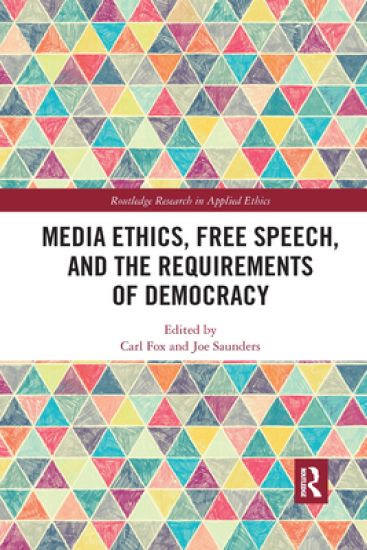
How we understand, protect, and discharge our rights and responsibilities as citizens in a democratic society committed to the principle of political equality is intimately connected to the standards and behaviour of our media in general, and our news media in particular. However, the media does not just stand between the citizenry and their leaders, or indeed between citizens and each other. The media is often the site where individuals attempt to realise some of the most fundamental democratic liberties, including the right to free speech.Media Ethics, Free Speech, and the Requirements of Democracy explores the conflict between the rights that people exercise in, and through, the modern media and the responsibilities that accrue on account of its awesome and increasing power. The individual chapters—written by leading scholars from the US, UK, and Australia—address several recent events and controversial developments in the media, including Brexit, the rise of Trump, Lynton Crosby, Charlie Hebdo, dog-whistle politics, fake news, and political correctness. This much-needed philosophical treatment is a welcome addition to the recent literature in media ethics. It will be of interest to scholars across political and social philosophy, applied ethics, media and communication studies, and political science who are interested in the important issues surrounding the media and free speech and democracy.
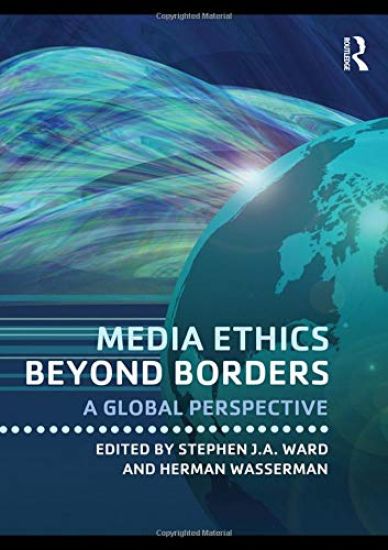
This volume explores the construction of an ethics for news media that is global in reach and impact. Essays by international media ethicists provide leading theoretical perspectives on major issues and applies the ideas to specific countries, contexts and problems, addressing such questions as: Are there universal values in journalism? How would a global media ethics do justice to the cultural, political, and economic differences around the world? Can a global ethic based on universal principles allow for diversity of media systems and cultural values? What should be the principles and norms of practice of global media ethics? The result is a rich source of ethical thought and analysis on questions raised by contemporary global media.
This volume explores the construction of an ethics for news media that is global in reach and impact. Essays by international media ethicists provide leading theoretical perspectives on major issues and applies the ideas to specific countries, contexts and problems, addressing such questions as: Are there universal values in journalism? How would a global media ethics do justice to the cultural, political, and economic differences around the world? Can a global ethic based on universal principles allow for diversity of media systems and cultural values? What should be the principles and norms of practice of global media ethics? The result is a rich source of ethical thought and analysis on questions raised by contemporary global media.
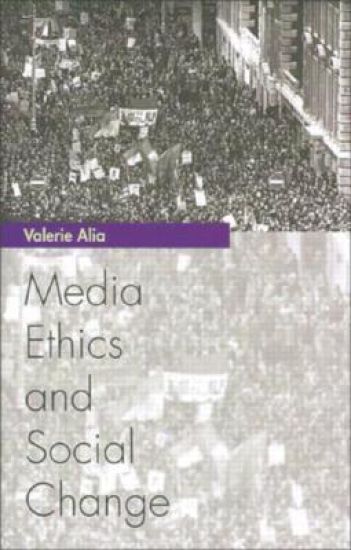
This book introduces students to the challenges of media ethics and socially responsible media practice. Using US and international case studies based on real-life experiences of journalists, newsmakers, policy makers, and consumers, Valerie Alia invites readers to examine the pressing ethical and moral questions faced by the media and develop strategies for ethical problem solving and decision-making.
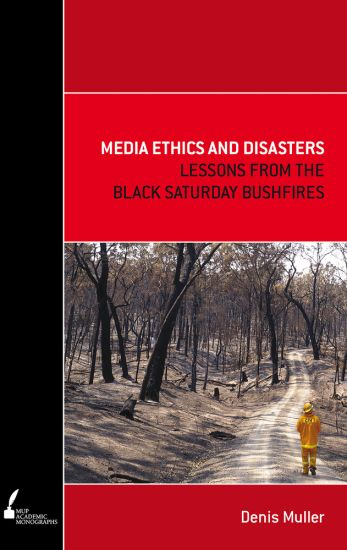
Journalists do not often get the chance to reflect on the ethical side of their work, and the public they serve knows little about it. What the public sees is often negative- intrusive cameras, shouted questions, rude and aggressive behaviour. But journalists tend to go from one story to the next with little time to think deeply about the impact their work has on the people they cover, or how their professional practices might be refined. Written in collaboration with the Centre for Advanced Journalism at the University of Melbourne, Media Ethics and Disasters- Lessons from the Black Saturday Bushfires gives journalists the chance to reflect on the ethical issues that arose during coverage of the Black Saturday bushfires in Victoria in February 2009, and by doing so to contribute to their professional education. It presents-mostly in their own words-what journalists said about how they responded to the many dilemmas that confronted them and provides insight into the reasons for their actions. For the public this is new territory. The book illustrates the range of ethical problems that journalists confronted at the fire ground. There were good decisions an