Kirjojen hintavertailu. Mukana 11 244 527 kirjaa ja 12 kauppaa.

Kirjahaku

Etsi kirjoja tekijän nimen, kirjan nimen tai ISBN:n perusteella.

1000 tulosta hakusanalla Alan R. Fleischman

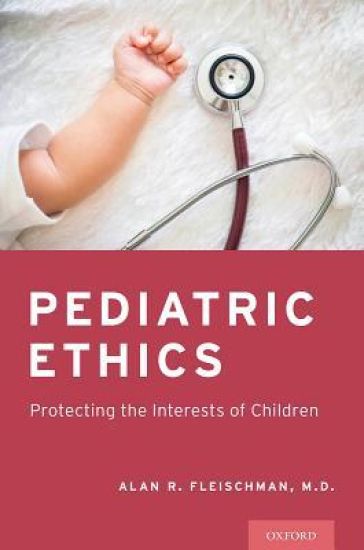
Pediatric Ethics

Pediatric Ethics

Alan R. Fleischman

Oxford University Press Inc
2016
nidottu
This book examines the many ethical issues related to health and health care in children. It describes the field of Pediatric ethics, a unique and important aspect of the discipline of bioethics, the study of moral conduct in health care and the rational process for determining the best course of action in the face of conflicting choices. The book begins with an exploration of what it means to be a child in America and the unique kinship relationships and obligations engendered by the decision of parents to have a child, and it examines ethical principles and professional obligations related to the care of children. Each of the chapters in the book focuses on important ethical concerns. It begins with ethical issues in creating babies using reproductive technologies, and then continues with an analysis of the ethical issues in labor and delivery of a child. The book continues with an in depth analysis of the many hard choices faced by families and clinicians in the care of critically ill neonates, and then goes on to describe current controversies in caring for older children who are dying and their families, as well as ethical issues concerning adolescents, research ethics as it relates to children, issues concerning genetic testing, screening and biobanking, and surgical and medical enhancement of children. Each chapter has case examples to illustrate the real life concerns of patients, families and clinicians. The book is intended for students in pediatrics and ethics, as well as for practicing clinicians, and interested families.
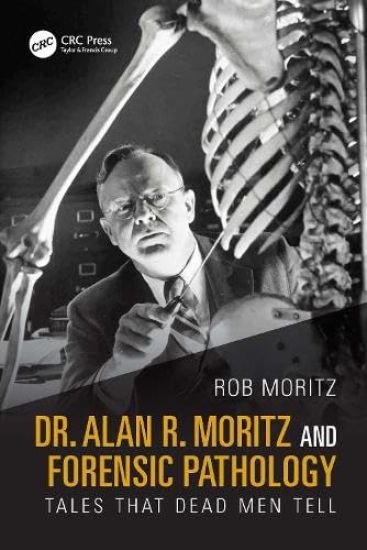
Dr. Alan R. Moritz and Forensic Pathology

Dr. Alan R. Moritz and Forensic Pathology

Rob Moritz

TAYLOR FRANCIS LTD
2025
nidottu
Forensic science has become a mainstay of popular culture on television, in movies, books, and podcasts. Dr. Alan R. Moritz (1899-1986) was a highly influential figure in the development of the field of forensic science as we know it today.Dr. Alan R. Moritz and Forensic Pathology: Tales that Dead Men Tell, written by Dr. Moritz’s journalist grandson Rob Moritz, recounts his life and career from personal papers and correspondence, interviews, newspaper accounts and other sources, including archived materials from Harvard Medical School, the Rockefeller Foundation, Case Western Reserve University and the University Hospitals of Cleveland. Chapters chronicle more than a half-century of ground-breaking research and high-profile investigations, including some of the 20th century’s most infamous cases. This includes the assassination of President John F. Kennedy, the Sam Shepherd case, the Cocoanut Grove nightclub fire, the Attica prison riots and the Texas Tower sniper, as well as his contributions to the well-known Nutshell Studies of Unexplained Death. Dr. Moritz, the inspiration for the first on-screen forensic scientist, is credited with being one of the most prominent pioneers of the last century, helping to move forensic medicine from the political jurisdiction of untrained local coroners to a respected scientific discipline that fascinates the public.The book also details Dr. Moritz’s travels, during which he experienced some of society’s darkest chapters. This includes an infamous lynching during the “Red Summer” of 1919, the rise of Nazi Germany and the degradation of apartheid in South Africa, all of which influenced and shaped his worldview. Highlights of Dr. Moritz’s work, recounted in detail, include career stops at Case Western Reserve University in Cleveland and Harvard Medical School in Boston. Coverage details his most salient and well-known research—as well as insightful anecdotes and stories that demonstrate Dr. Moritz’s character and the development and evolution of his scientific views over the years.This book:Profiles the life of a well-known and impactful figure in the advancement of forensic pathology’s public perception and practices in the United States.Provides background on Dr. Moritz’s seminal work, the article Classical Mistakes in Forensic Pathology Is of interest to medical practitioners, history of science buffs, and forensic practitioners interested in the early history and development of forensic pathology as a disciplineDr. Alan R. Moritz and Forensic Pathology fills in a missing chapter on the life, research, and lasting legacy of Dr. Moritz, providing insight into the development of modern forensic pathology practice by examining the momentous contributions and character of one of its true pioneers.
Dr. Alan R. Moritz and Forensic Pathology

Dr. Alan R. Moritz and Forensic Pathology

Rob Moritz

TAYLOR FRANCIS LTD
2025
sidottu
Forensic science has become a mainstay of popular culture on television, in movies, books, and podcasts. Dr. Alan R. Moritz (1899-1986) was a highly influential figure in the development of the field of forensic science as we know it today.Dr. Alan R. Moritz and Forensic Pathology: Tales that Dead Men Tell, written by Dr. Moritz’s journalist grandson Rob Moritz, recounts his life and career from personal papers and correspondence, interviews, newspaper accounts and other sources, including archived materials from Harvard Medical School, the Rockefeller Foundation, Case Western Reserve University and the University Hospitals of Cleveland. Chapters chronicle more than a half-century of ground-breaking research and high-profile investigations, including some of the 20th century’s most infamous cases. This includes the assassination of President John F. Kennedy, the Sam Shepherd case, the Cocoanut Grove nightclub fire, the Attica prison riots and the Texas Tower sniper, as well as his contributions to the well-known Nutshell Studies of Unexplained Death. Dr. Moritz, the inspiration for the first on-screen forensic scientist, is credited with being one of the most prominent pioneers of the last century, helping to move forensic medicine from the political jurisdiction of untrained local coroners to a respected scientific discipline that fascinates the public.The book also details Dr. Moritz’s travels, during which he experienced some of society’s darkest chapters. This includes an infamous lynching during the “Red Summer” of 1919, the rise of Nazi Germany and the degradation of apartheid in South Africa, all of which influenced and shaped his worldview. Highlights of Dr. Moritz’s work, recounted in detail, include career stops at Case Western Reserve University in Cleveland and Harvard Medical School in Boston. Coverage details his most salient and well-known research—as well as insightful anecdotes and stories that demonstrate Dr. Moritz’s character and the development and evolution of his scientific views over the years.This book:Profiles the life of a well-known and impactful figure in the advancement of forensic pathology’s public perception and practices in the United States.Provides background on Dr. Moritz’s seminal work, the article Classical Mistakes in Forensic Pathology Is of interest to medical practitioners, history of science buffs, and forensic practitioners interested in the early history and development of forensic pathology as a disciplineDr. Alan R. Moritz and Forensic Pathology fills in a missing chapter on the life, research, and lasting legacy of Dr. Moritz, providing insight into the development of modern forensic pathology practice by examining the momentous contributions and character of one of its true pioneers.
Handbook of Heterocyclic Chemistry

Handbook of Heterocyclic Chemistry

Alan R. Katritzky; A.F Pozharskii; Christopher A. Ramsden; John A. Joule; Viktor V. Zhdankin

Academic Press Inc.(London) Ltd
2000
sidottu
Heterocyclic chemistry is the largest of the classical divisions of organic chemistry. Heterocyclic compounds are widely distributed in Nature, playing a vital role in the metabolism of living cells. Their practical applications range from extensive clinical use to fields as diverse as agriculture, photography, biocide formulation and polymer science. The range of known compounds is enormous, encompassing the whole spectrum of physical, chemical and biological properties. This book provides a balanced, concise and informative account of heterocyclic chemistry that will be suitable for graduate or advanced undergraduate students and a convenient reference book for research workers, for both specialists int he field and those whose expertise lies in other areas but who nevertheless need information on heterocylic chemistry. The Handbook of Heterocyclic Chemistry is illustrated throughout with thousands of clearly drawn chemical structures. The highly systematic coverage given to the subject makes this the most authoritative one-volume account of modern heterocyclic chemistry available.
Handbook of Heterocyclic Chemistry

Handbook of Heterocyclic Chemistry

Alan R. Katritzky; Christopher A. Ramsden; John A. Joule; Viktor V. Zhdankin

Elsevier / The Lancet
2010
nidottu
Heterocyclic compounds play a vital role in the metabolism of living cells. Their practical applications range from extensive clinical use to fields as diverse as agriculture, photography, biocide formulation and polymer science. Written by leading scholars and industry experts, the Handbook of Heterocyclic Chemistry is thoroughly updated with over 50% new content. It has been rewritten with a new expanded author team, who have carefully distilled essential information on the reactivity, structure and synthesis of heterocycles from the 2008 major reference work Comprehensive Heterocyclic Chemistry III. To bring the work up to date the author team have also added new synthetic examples and structures, key applications and new references from 2008-2010. Contains more than 1500 clearly drawn structures and reactions. The highly systematic coverage given to the subject makes this one of the most authoritative single-volume accounts of modern heterocyclic chemistry available and should be useful reference for those teaching a heterocyclic course.
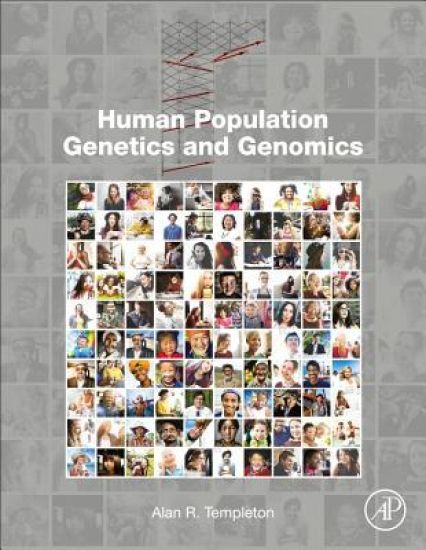
Human Population Genetics and Genomics

Human Population Genetics and Genomics

Alan R. Templeton

Academic Press Inc
2018
sidottu
Human Population Genetics and Genomics provides researchers/students with knowledge on population genetics and relevant statistical approaches to help them become more effective users of modern genetic, genomic and statistical tools. In-depth chapters offer thorough discussions of systems of mating, genetic drift, gene flow and subdivided populations, human population history, genotype and phenotype, detecting selection, units and targets of natural selection, adaptation to temporally and spatially variable environments, selection in age-structured populations, and genomics and society. As human genetics and genomics research often employs tools and approaches derived from population genetics, this book helps users understand the basic principles of these tools. In addition, studies often employ statistical approaches and analysis, so an understanding of basic statistical theory is also needed.
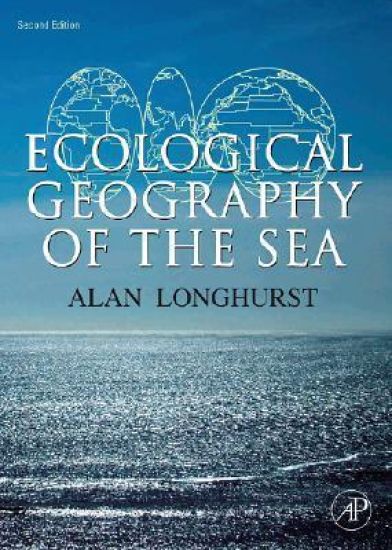
Ecological Geography of the Sea

Ecological Geography of the Sea

Alan R. Longhurst

Academic Press Inc
2006
nidottu
This book presents an in-depth discussion of the biological and ecological geography of the oceans. It synthesizes locally restricted studies of the ocean to generate a global geography of the vast marine world.Based on patterns of algal ecology, the book divides the ocean into four primary compartments, which are then subdivided into secondary compartments.
American Government: Myths and Realities, 2016 Election Edition

American Government: Myths and Realities, 2016 Election Edition

Alan R. Gitelson; Robert L. Dudley; Melvin J. Dubnick

Oxford University Press
2017
nidottu
We just experienced a historic election--driven more by common political myths and less by its realities--that will impact our political and personal lives for years to come. Rather than dismissing those myths as outright falsehoods, American Government: Myths and Realities, 2016 Election Edition, encourages students to confront their preconceived notions in order to think critically about government and politics. Clearly and distinctively woven into each chapter, the myths-and-realities theme provides a pedagogical framework that engages students with interesting questions while effectively covering the core concepts of American government. Priced at only $79.95, this affordable best seller provides students with definitive coverage of American government while laying out the foundation for today's generation to have a more sophisticated appreciation for our complex, yet exciting, system of governance.
Inca Apocalypse

Inca Apocalypse

Alan R. Covey

OXFORD UNIVERSITY PRESS INC
2023
nidottu
A major new history of the Spanish conquest of the Inca Empire, set in a larger global context than previous accounts Previous accounts of the fall of the Inca empire have played up the importance of the events of one violent day in November 1532 at the highland Andean town of Cajamarca. To some, the "Cajamarca miracle"-in which Francisco Pizarro and a small contingent of Spaniards captured an Inca who led an army numbering in the tens of thousands-demonstrated the intervention of divine providence. To others, the outcome was simply the result of European technological and immunological superiority. Inca Apocalypse develops a new perspective on the Spanish invasion and transformation of the Inca realm. Alan Covey's sweeping narrative traces the origins of the Inca and Spanish empires, identifying how Andean and Iberian beliefs about the world's end shaped the collision of the two civilizations. Rather than a decisive victory on the field at Cajamarca, the Spanish conquest was an uncertain, disruptive process that reshaped the worldviews of those on each side of the conflict.. The survivors built colonial Peru, a new society that never forgot the Inca imperial legacy or the enduring supernatural power of the Andean landscape. Covey retells a familiar story of conquest at a larger historical and geographical scale than ever before. This rich new history, based on the latest archaeological and historical evidence, illuminates mysteries that still surround the last days of the largest empire in the pre-Columbian Americas.
Music, evolution, and the harmony of souls

Music, evolution, and the harmony of souls

Alan R. Harvey

Oxford University Press
2017
sidottu
Music is central to human cultural and intellectual experience. It is vitally important for the welfare of human society and - this book argues - should become more widely accepted in our community as a mainstream educational and therapeutic tool.This book explores the importance of music throughout human evolution, and its continued relevance to modern-day human society. Throughout, the emphasis is on the origin of music and how (and where) it is processed in our brains, exploring in detail the genetic and cultural evolution of modern, loquacious humans, how we may have evolved with unique neural and cognitive architecture, and why two complementary but distinct communication systems - language and music - remain a human universal. In addition the book explores, in some depth, the different theories that have been put forward to explain why musical communication was (and remains) advantageous to our species, with a particular emphasis on the role of music and dance in enhancing altruistic and prosocial behaviours. The author suggests that music, and the social harmonization it brings, was of vital importance in early humans as we became more and more individualized by the emergence of modern language and the modern mind,and the realization that we are mortal. 'Music, Evolution, and the Harmony of Souls' demonstrates the evolutionary sociobiological importance of music as a driver of cooperative and interactive behaviour throughout human existence, and what this evolutionary imperative means to twenty-first century humanity and beyond, from social and medical/neurological perspectives
The Evidence for Evolution

The Evidence for Evolution

Alan R. Rogers

University of Chicago Press
2011
sidottu
According to polling data, most Americans doubt that evolution is a real phenomenon. And it's no wonder that so many are skeptical: many of today's biology courses and textbooks dwell on the mechanisms of evolution - natural selection, genetic drift, and gene flow - but say little about the evidence that evolution happens at all. How do we know that species change? Has there really been enough time for evolution to operate? With "The Evidence for Evolution", Alan R. Rogers provides an elegant, straightforward text that details the evidence for evolution. Rogers covers different levels of evolution, from within-species changes, which are much less challenging to see and believe, to much larger ones, say, from fish to amphibian, or from land mammal to whale. For each case, he supplies numerous lines of evidence to illustrate the changes, including fossils, DNA, and radioactive isotopes. His comprehensive treatment stresses recent advances in knowledge but also recounts the give and take between skeptical scientists who first asked 'how can we be sure' and then marshaled scientific evidence to attain certainty. "The Evidence for Evolution" is a valuable addition to the literature on evolution and will be essential to introductory courses in the life sciences.
The Evidence for Evolution

The Evidence for Evolution

Alan R. Rogers

University of Chicago Press
2011
nidottu
According to polling data, most Americans doubt that evolution is a real phenomenon. And it's no wonder that so many are skeptical: many of today's biology courses and textbooks dwell on the mechanisms of evolution - natural selection, genetic drift, and gene flow - but say little about the evidence that evolution happens at all. How do we know that species change? Has there really been enough time for evolution to operate? With "The Evidence for Evolution", Alan R. Rogers provides an elegant, straightforward text that details the evidence for evolution. Rogers covers different levels of evolution, from within-species changes, which are much less challenging to see and believe, to much larger ones, say, from fish to amphibian, or from land mammal to whale. For each case, he supplies numerous lines of evidence to illustrate the changes, including fossils, DNA, and radioactive isotopes. His comprehensive treatment stresses recent advances in knowledge but also recounts the give and take between skeptical scientists who first asked 'how can we be sure' and then marshaled scientific evidence to attain certainty. "The Evidence for Evolution" is a valuable addition to the literature on evolution and will be essential to introductory courses in the life sciences.
Restoring the Classic in Sociology

Restoring the Classic in Sociology

Alan R. How

Palgrave Macmillan
2016
sidottu
This book demonstrates that classical sociology is essential to cutting-edge debates in the contemporary social sciences. It has become fashionable to play down the importance of the classic text in sociology and critique the ideas of Weber, Marx and Durkheim as ideologically outdated. The author mounts a strong challenge to this view, criticising such notions as de-traditionalization, structuration and postmodernism, emphasizing instead the relevance of habit, re-traditionalization, and social integration across time. Arguing that sociology has eliminated the importance of the past, history, and tradition in favour of the transience of the present, he revisits the Habermas-Gadamer debate to argue that tradition is the ground of the classic, and the classic something that must prove itself anew in subsequent situations. He uses the work of Durkheim, Simmel and Weber to illustrate this process. Making a distinction between ‘classic’ and ‘canon’ which parallels that between ‘agency’ and‘structure’, he allows the reader to appreciate the separate value of both. This major contribution to the field is essential reading for scholars and students of sociology and social theory.
Confocal Microscopy for Biologists

Confocal Microscopy for Biologists

Alan R. Hibbs

Kluwer Academic/Plenum Publishers
2004
sidottu
There has been a great upsurge in interest in light microscopy in recent years due to the advent of a number of significant advances in microscopy, one of the most important of which is confocal microscopy. Confocal microscopy has now become an important research tool, with a large number of new fluorescent dyes becoming available in the past few years, for probing your pet structure or molecule within fixed or living cell or tissue sampies. Many of the people interested in using confocal microscopy to further their research do not have a background in microscopy or even cell biology and so not only do they find considerable difficulty in obtaining satisfactory results with a confocal microscope, but they may be mislead by how data is being presented. This book is intended to teach you the basic concepts ofmicroscopy, fluorescence, digital imaging and the principles of confocal microscopy so that you may take full advantage ofthe excellent confocal microscopes now available. This book is also an excellent reference source for information related to confocal microscopy for both beginners and the more advanced users. For example, do you need to know the optimal pinhole size for a 63x 1. 4 NA lens? Do you need to know the fluorescence emission spectrum of Alexa 568? Access to the wealth of practical information in this book is made easier by using both the detailed index and the extensive glossary.
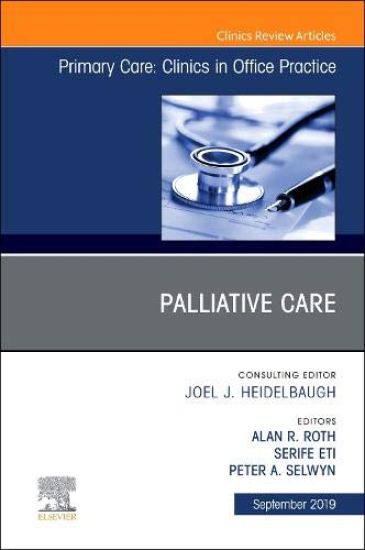
Palliative Care, An Issue of Primary Care: Clinics in Office Practice

Palliative Care, An Issue of Primary Care: Clinics in Office Practice

Alan R. Roth; Peter A. Selwyn; Serife Eti

Elsevier - Health Sciences Division
2019
sidottu
This issue of Primary Care: Clinics in Office Practice, guest edited by Drs. Alan R. Roth, Peter A. Selwyn, and Serife Eti, is devoted to Palliative Care. Articles in this important issue include: Introduction to Hospice and Palliative Care; Hospice for the Primary Care Physician; Pain Assessment and Management; Non-Pain Symptom Management; Communication Skills: Delivering Bad News, Conducting a Goals of Care Family Meeting, and Advance Care Planning; Psychosocial Issues and Bereavement; Ethical and Legal Considerations in End of Life Care; Cultural, Religious, and Spiritual Issues in Palliative Care; Palliative Care Approach to Chronic Diseases (CHF/COPD/ESLD/ESRD); Palliative Care in HIV/AIDS; Palliative Care in the Elderly (Dementia, Neurodegenerative Disorders, Functional Decline/Frailty); and Pediatric Palliative Care.