Kirjojen hintavertailu. Mukana 11 244 527 kirjaa ja 12 kauppaa.

Kirjahaku

Etsi kirjoja tekijän nimen, kirjan nimen tai ISBN:n perusteella.

1000 tulosta hakusanalla Aleksandr Astrogor

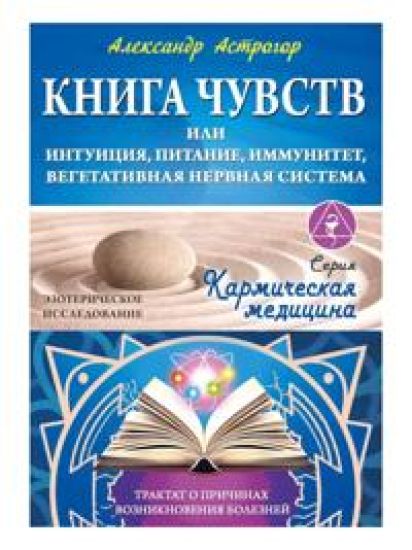
Kniga chuvstv ili intuitsija, pitanie, immunitet, vegetativnaja nervnaja sistema. Traktat o prichinakh boleznej
"Kniga chuvstv", predstavlennaja chitatelju, javljaetsja vtoroj knigoj Aleksandra Astrogora v serii "Karmicheskaja meditsina", posvjaschjonnoj prichinam vozniknovenija boleznej i metodam ikh preduprezhdenija. S pervoj knigoj "Energeticheskij vampirizm" mnogie chitateli uzhe znakomy. "Kniga chuvstv" - eto nastavlenie o tom, kak rabotajut nashi chuvstva. Kakoj energeticheskij fon oni sozdajut vnutri organizma i za ego predelami. Kak snjat, izmenit ili usilit chuvstva, chtoby izbavit organizm ot vnutrennego diskomforta, ot boleznej. Kak usilit immunnuju i uravnovesit vegetativnuju sistemy, chtoby plotskie chuvstva pererozhdalis v dukhovnye. Kniga rasschitana na shirokij krug chitatelej.
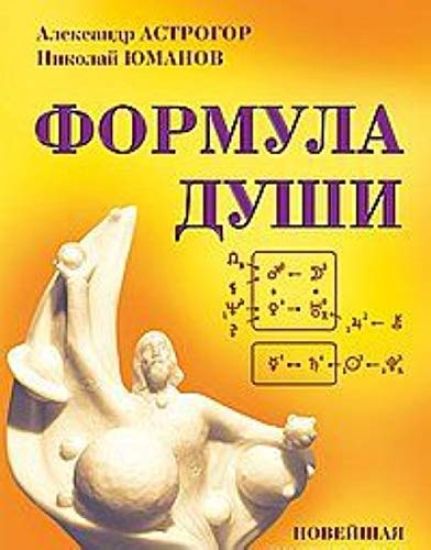
Formula dushi. Novejshaja kosmicheskaja psikhologija
V knige prostym i ponjatnym jazykom polnostju izlozhena tekhnologija raboty s formuloj dushi. Formula dushi - inymi slovami, eto zvezdnaja karta cheloveka, kotoraja pokazyvaet, kakimi sposobnostjami nadelen chelovek i kakoj put emu predopredelen. Formula dushi - ochen tochnyj instrument. Obladaja informatsiej, neobkhodimoj dlja rascheta formuly, vy smozhete ochen tochno opisat kharakter cheloveka, dazhe esli vy ni razu s nim ne vstrechalis. Pri etom ne stoit zabyvat, chto ljuboj chelovek nadelen svobodoj voli i, znaja svoi slabye storony i vozmozhnye neblagoprijatnye sobytija, na kotorye ukazyvaet formula dushi, mozhet s opredelennoj dolej uporstva korrektirovat svoju sudbu i dostigat ljubykh vysot. V knige dana polnaja i glubokaja informatsija po postroeniju zvezdnoj karty cheloveka, uchebnik ne trebuet dopolnitelnykh spravochnykh materialov ili prokhozhdenija kursov.Itak, vy khotite uznat, kakaja u vas dusha, iz chego ona sostoit? Chto obedinjaet i razedinjaet ljudej, v chem individualnost kazhdogo cheloveka, kak i chemu uchit rebenka, kak my vybiraem svoju professiju? Obo vsem etom i mnogom drugom rasskazhet etot uchebnik. On stanet nezamenimym spravochnikom chelovecheskikh dush. Vy uznaete o fizicheskoj, psikhicheskoj i energeticheskoj suschnosti ljubogo cheloveka, o zakodirovannykh boleznjakh v ego organizme. A otsjuda budut ponjatny ego mysli, chuvstva, postupki i zhelanija. Vy nauchites vyvodit formulu dushi, formulu sudby ljubogo sobytija, predvidja ikh razvitie i napravljaja ikh v nuzhnoe kachestvo. Zdes sobrano 700 formul izvestnykh ljudej, kotorye uskorjali vremja i razdvigali prostranstvo. I pochti vse oni povlijali na razvitie nauchnogo, tekhnicheskogo i tvorcheskogo preobrazovanija na planete, mnogie iz nikh izmenili khod istorii. Vy ubedites, chto v analize formul tsarstvuet vlast fakta.Kniga rasschitana na astrologov, psikhologov, vrachej, uchitelej, pedagogov, narodnykh tselitelej.Khudozhnik: Basova Sofja Gennadevna, Klindukhov Svjatoslav Viktorovich
Sila Formuly dushi. Uchebnoe posobie k knige "Formula dushi"
Praktika primenenija metodik i tekhnologij issledovanija psikhologicheskoj struktury lichnosti i individuuma, ejo soderzhanija i individualnoj spetsifiki imeet bolshoe znachenie vo vsekh sferakh chelovecheskoj dejatelnosti, osobenno, na sovremennom etape razvitija obschestva. Otlichitelnoj chertoj etogo protsessa javljaetsja innovatsionnost sredstv, form i metodov, primenjaemykh v psikhologicheskikh, pedagogicheskikh, sotsiologicheskikh issledovanijakh.Metodika "Formula dushi" nashla shirokoe primenenie v praktike izuchenija spetsifiki i suschnosti individualnosti cheloveka v obrazovanii, vospitanii, meditsinskoj i sportivnoj dejatelnosti, kosmonavtike, kadrovom menedzhmente i t.d.Formula dushi - eto Bozhe poruchenie cheloveku. My nosim v sebe programmu nashego buduschego, otkryvajuschego put k Sovershenstvu.
Aleksandr Nikolaevich Engelgardt's Letters from the Country, 1872-1887

Aleksandr Nikolaevich Engelgardt's Letters from the Country, 1872-1887

Aleksandr Nikolaevich Engelgardt

Oxford University Press Inc
1993
nidottu
From the rye field and the threshing barn to the local gentry and the village court, A.N. Engelgardt's Letters painted the most lively, entertaining, and insightful portrait of Imperial Russia's rural countryside. Now translated into English for the first time, judiciously abridged, and fully annotated for the modern reader, Engelgardt's account stands revealed both as a major primary source on nineteenth-century Russia and as an ever-more-timely analysis of a peasant culture in the wake of reform. A distinguished chemist at the St. Petersburg Agricultural Institute, Engelgardt was also an eloquent spokesman for liberty and reform, especially on behalf of Russia's peasant majority. Accused of conspiratorial activities by the Tsarist government, he was exiled in 1871 to his modest estate in impoverished Smolensk province, where, under police surveillance, he wrote his Letters for publication in St. Petersburg. With scientific precision, Engelgardt produced the first comprehensive eye-witness account of the peasant's daily affairs and environment, with detailed descriptions of land reform and collectivization, reflections on the role of peasant women and the effects of emancipation, discussions of local agriculture and the economy, and vivid accounts of peasant attitudes about everything from the Russo-Turkish War to anti-semitism. With an extensive introduction and copious notes, this translation is ideal for anyone interested in Russian history and peasant studies.
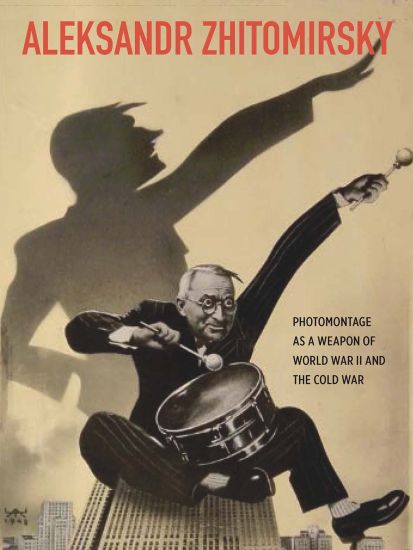
Aleksandr Zhitomirsky

Aleksandr Zhitomirsky

Erika Wolf

Yale University Press
2017
sidottu
The first comprehensive study in English of the Soviet propaganda artist Aleksandr Zhitomirsky, who conceived and deployed his striking photomontages as a political weapon The leading Russian propaganda artist Aleksandr Zhitomirsky (1907–1993) made photomontages that were airdropped on German troops during World War II. He later worked for Pravda and other leading publications, satirizing American politics and finance from the Truman through the Reagan eras and educating his public about Egypt, South Africa, Vietnam, and Nicaragua as well. Zhitomirsky favored the grotesque and the eye-catching. His villainous menagerie included Reichsminister Joseph Goebbels as a distorted simian and an airborne scorpion outfitted with an Uncle Sam hat. In this comprehensive, image-driven account of Zhitomirsky’s long career, Erika Wolf explores his connections to and long friendship with the German artist John Heartfield, whose work inspired his own. Wolf also examines more than 100 of Zhitomirsky’s photomontages and translates excerpts from his one published book, The Art of Political Photomontage: Advice for the Artist (1983). In an era when satirical photomontage thrives on the Internet and propaganda has reasserted itself in America and Russia alike, this study of a once-prominent yet internationally undiscovered artist is more than timely.Distributed for the Art Institute of ChicagoExhibition Schedule:Art Institute of Chicago (09/03/16–01/10/17)
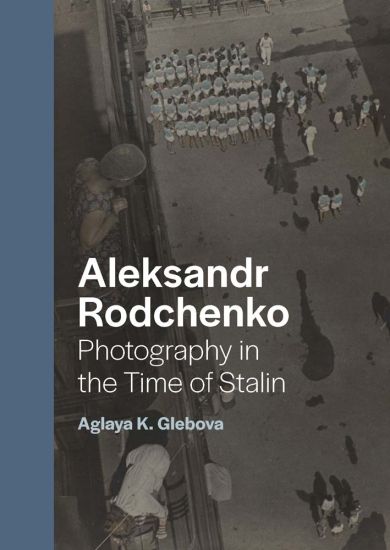
Aleksandr Rodchenko

Aleksandr Rodchenko

Aglaya K. Glebova

YALE UNIVERSITY PRESS
2022
sidottu
Through the lens of Aleksandr Rodchenko’s photography, a new and provocative understanding emerges of the troubled relationship between technology, modernism, and state power in Stalin’s Soviet Union “Glebova’s book is a valuable addition to the literature on this remarkable and always relevant figure.”—Peter Lowe, Russian Art + Culture Tracing the shifting meanings of photography in the early Soviet Union, Aglaya K. Glebova reconsiders the relationship between art and politics during what is usually considered the end of the critical avant-garde. Aleksandr Rodchenko (1891–1956), a versatile Russian artist and one of Constructivism’s founders, embraced photography as a medium of revolutionary modernity. Yet his photographic work between the late 1920s and the end of the 1930s exhibits an expansive search for a different pictorial language. In the context of the extreme transformations carried out under the first Five-Year Plans, Rodchenko’s photography questioned his own modernist commitments. At the heart of this book is Rodchenko’s infamous 1933 photo-essay on the White Sea–Baltic Canal, site of one of the first gulags. Glebova’s careful reading of Rodchenko’s photography reveals a surprisingly heterodox practice and brings to light experiments in adjacent media, including the collaborative design work he undertook with Varvara Stepanova, Rodchenko’s partner in art and life.
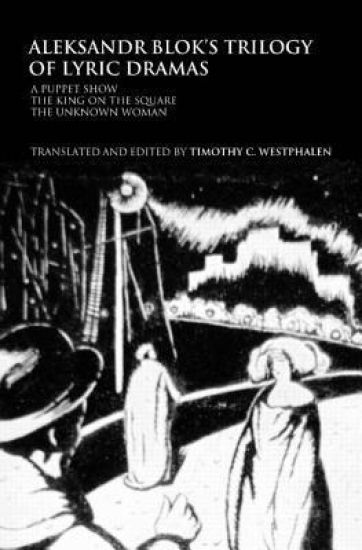
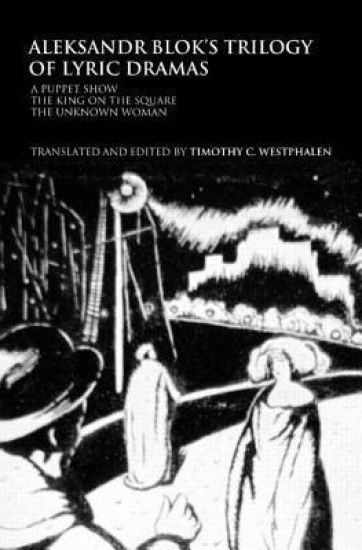
Aleksandr Blok's Trilogy of Lyric Dramas
Aleksandr Blok's Trilogy of Lyric Dramas gathers together for the first time in English translation the first three plays by Aleksandr Blok, the pre-eminent poet of Russian Symbolism and one of the greatest poets of the twentieth century. The three plays that constitute the trilogy - A Puppet Show, The King on the Square and The Unknown Woman - are pivotal documents in the development of modernist drama. In his productions of A Puppet Show; and The Unknown Woman, Meyerhold first began to work the basic tenets of his approach to grotesque and constructivist theatre. Moreover, A Puppet Show provided the inspiration and much of the foundation for Meyerhold's theoretical writings. As a result, these plays are indispensable to any student of Meyerhold or modernist theatre. The plays are presented in the context of the poetry from which they issued in order to suggest how Blok developed the themes and motifs of the plays in other genres.
Aleksandr Blok's Trilogy of Lyric Dramas
Aleksandr Blok's Trilogy of Lyric Dramas gathers together for the first time in English translation the first three plays by Aleksandr Blok, the pre-eminent poet of Russian Symbolism and one of the greatest poets of the twentieth century. The three plays that constitute the trilogy - A Puppet Show, The King on the Square and The Unknown Woman - are pivotal documents in the development of modernist drama. In his productions of A Puppet Show; and The Unknown Woman, Meyerhold first began to work the basic tenets of his approach to grotesque and constructivist theatre. Moreover, A Puppet Show provided the inspiration and much of the foundation for Meyerhold's theoretical writings. As a result, these plays are indispensable to any student of Meyerhold or modernist theatre. The plays are presented in the context of the poetry from which they issued in order to suggest how Blok developed the themes and motifs of the plays in other genres.
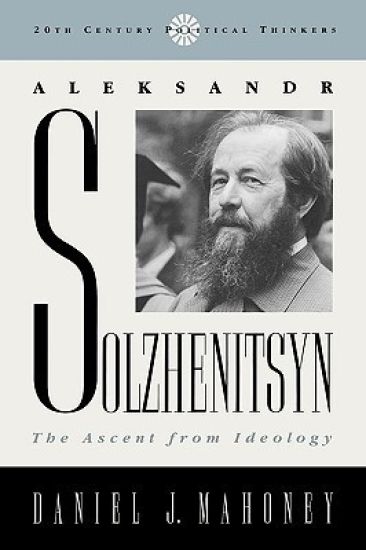
Aleksandr Solzhenitsyn

Aleksandr Solzhenitsyn

Daniel J. Mahoney

Rowman Littlefield Publishers
2001
nidottu
In Aleksandr Solzhenitsyn, Daniel Mahoney presents a philosophical perspective on the political condition of modern man through an exegesis and analysis of Solzhenitsyn's work. Mahoney demonstrates the tremendous, yet often unappreciated, impact of Solzhenitsyn's writing on twentieth century thinking through an examination of the writer's profoundly important critique of communist totalitarianism in a judicious and original mix of western and Russian, Christian and classical wisdom.
Aleksandr Pushkin's 'The Tales of Belkin'

Aleksandr Pushkin's 'The Tales of Belkin'

Sang Hyun Kim

University Press of America
2008
nidottu
Sang Hyun examines Aleksander Pushkin's artistic intention in his masterpiece and most well-known prose work, The Tales of Belkin (1831). The author explores the trajectories of the puzzle Pushkin created in the Belkin cycle by identifying and elucidating autobiographical, folklorist, and thematic elements. Drawing on both formalist and structuralist approaches to a literary work, Kim's analysis demonstrates how the five tales in the Belkin cycle are interwoven structurally and thematically. Kim's interpretation should help future readers understand the enigmatic meaning of Pushkin's stories created in the Belkin cycle.