
Kirjahaku
Etsi kirjoja tekijän nimen, kirjan nimen tai ISBN:n perusteella.
51 tulosta hakusanalla Alpo Noponen

Alkuper isen j ljenn s. Kustannusyhti Megali on erikoistunut historiallisten teosten painamiseen suurikokoisina, jotta n k vammaisten olisi helpompi lukea niit .

Alkuper isen j ljenn s. Kustannusyhti Megali on erikoistunut historiallisten teosten painamiseen suurikokoisina, jotta n k vammaisten olisi helpompi lukea niit .
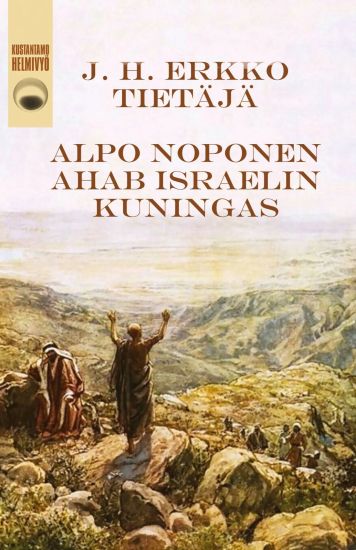
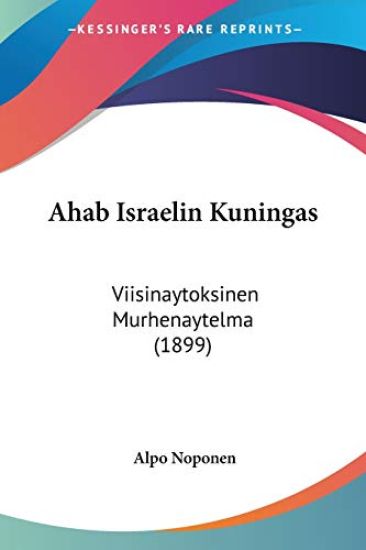
J. H. Erkon Tietäjä vuodelta 1887 on aatedraama, jossa Erkko käyttää Vanhasta testamentista tuttua profeetta Bileamin tarinaa tutkaillakseen omana aikanaan ilmenneitä kansallisia piirteitä. Alpo Noposen Ahab Israelin kuningas vuodelta 1899 puolestaan kuvaa Jumalansa hylkäävää Ahabia ja tämän vaimoa Iisebeliä ja heidän taisteluaan aramilaisia vastaan. Tietäjän ja Ahab Israelin kuninkaan yhteislaitos jatkaa Helmivyön pientä Raamattu-sarjaa, jossa julkaistaan Raamattuun perustuvia teoksia. Aiemmin sarjassa ovat ilmestyneet novelliantologia Belsazarin pidot ja Mattias Salamniuksen runoelma Ilo-laulu Jesuxesta sekä Aleksis Kiven Lean ja Johannes Linnankosken Jeftan tyttären yhteislaitos. Kirjassa on Juri Nummelinin esipuhe, ja lisäksi mukana on Nummelinin kokoama suomalaisen Raamattu-kirjallisuuden bibliografia, uusilla löydöillä päivitettynä.
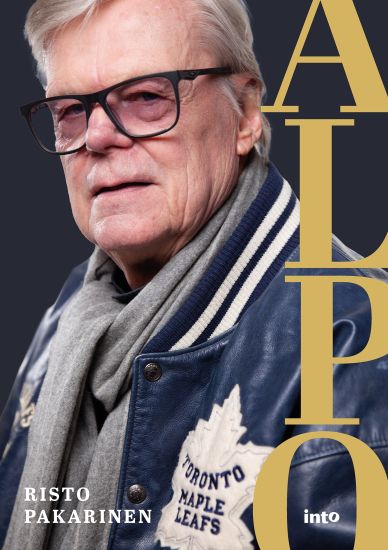
Jääkiekon kauhukakara, kosmopoliitti, mestarivalmentaja, kulttuurivaikuttaja, seikkailija ja aikaansa edellä ollut pelin filosofi – Alpo Suhonen.Alpo Suhonen on poikkeuksellinen huippu-urheilun johtaja ja valmentaja. Ennätysmäisen menestynyttä Suhosta on vaikea määritellä. Leijonien entinen päävalmentaja ja NHL:n ensimmäinen eurooppalainen päävalmentaja on myös teatteriohjaaja, joka johti Turun kaupunginteatteria ja Pori Jazzia. Lisäksi hän kirjoittaa kirjoja ja nauttii kuvataiteesta.Mutta olipa Suhonen jäähallissa, teatterissa tai galleriassa, hän on aina ihmisen puolella, oikeudenmukaisesti ja moniarvoisesti. 50-vuotisen uransa aikana Suhosen näkemykset ovat saaneet osakseen kritiikkiäkin, mutta jälkikäteen on voitu todeta, että hän on ollut aikaansa edellä.ALPO kertoo Suhosen kiehtovan tarinan ja yrittää selvittää, mitä rauhaton sielu on etsinyt koko elämänsä. Samalla tarkkaillaan suomalaisen jääkiekkoilun kasvun vuosia, kiistoja ja Suhosen vaikeita päätöksiä sekä pohditaan syytä sille, miksi häntä on arvostettu enemmän Suomen ulkopuolella kuin Suomessa.
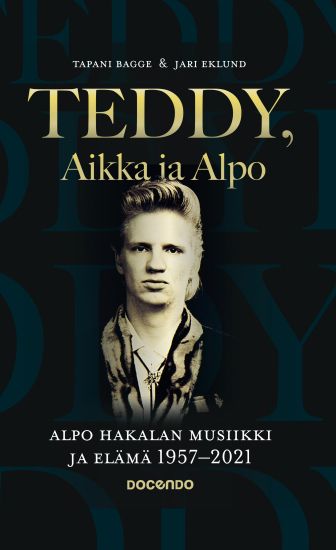
Ujon pojan nousu suomalaisen rockmaailman huipulle.Parikymppinen Alpo “Teddy” Hakala niitti 70-luvun lopullahuikeaasuosiota Suomen ykkösbändi Teddy & The Tigersin kanssa. Mitä sitten tapahtui? Entä sitä ennen?Alpo oli hiljainen putkimiehen poika Keravalta, joka nousi rocktähteyteen Teddy & The Tigersin johtohahmona. Tigersin jälkeen hänestä tuli Aikka ja uudesta bändistä Bad Sign. Rockabilly vaihtui rhythm'n'bluesiin mutta keikkoja riitti. Väliin Alpo kokeili muita töitä, raittiutta ja perhe-elämää.Alpo kertoo oman tarinansa, jota perhe, ystävät, bändikaverit, roudarit sekäkeikkamyyjät täydentävät. Myös managerit, fanitja levytuottajat saavat sanansijan.Tapani Bagge on pitkän linjan kirjailija, joka tunnetaan etenkin dekkareista ja historiallisista romaaneista. Jari Eklund on valokuvataiteilija, joka on kirjoittanut kirjat Syntyneet rokkaamaan ja Tiger Twist. Yhdessä he ovat tehneet kirjan Prosenttimies – Bikerin tarina. Kumpikin on kotoisinKeravalta.

Crack, Rap and Murder: The Cocaine Dreams of Alpo and Rich Porter Hip-Hop Folklore from the Streets of Harlem
Seth Ferranti
Gorilla Convict Publications
2015
nidottu
This book provides new and exceptional interpretations in regard to the post-World War 2 history of the East-West conflict and calls for interdisciplinary approaches in analyzing international relations. The systematic and political processes are undoing the division of Europe and restoring an 'organically' interdependent continent. The events of 1989 in Eastern Europe are but a harbinger of a new security order in Europe and, for the first time since the Treaty of Westphalia of 1648 Europe tries to look beyond state-centered concepts of security.
Alpo Rusi provides a broad vision of the strategic landscape for the coming century, warning against dangers inherent in the emerging world order. He predicts a more complexand potentially hostilemultipolar system based on four or five rival trading blocs. Despite the centrality of trade rivalries, the role of military force will not vanish. Although he considers superpower conflict unlikely, he expects that lower-level conflicts will become more prevalent. Consequently, Rusi believes that the trading blocs will have to actively pursue security arrangements that will safeguard the traditional role of the nation-state. }Examining the international system from a geopolitical and geoeconomic perspective, Alpo Rusi provides a broad vision and bold forecast of the emerging strategic landscape for the coming century. An asymmetrical world system is emerging. The United States is now the sole true world power; it forms the core of a unipolar order characterized by an uneven division of world power and economic resources. Rusi argues, however, that this postCold War order will not survive into the next century.Rusi suggests that the power vacuum in the former Soviet empire will be filled by China in Asia and by the European Union in Eastern Europe, Russias disintegration and decline in world power status will continue but may have reached its bottom line economically, and Islam will gain strength in various parts of the world, embracing a new international role. He also predicts that the world will be split into four or five distinct trading blocs: A European bloc formed around the European Union; an East Asian bloc, potentially strong, interventionist, and even aggressive, formed around China and the Singapore economic region; Japan, as a strong and still competitive economic power; and a Pan-American bloc, also strong but potentially isolationist, formed around the United States. One of the question marks will be the future ability of an orthodox Russia to facilitate conditions for an economic space. According to Rusi, these trading blocs will develop new political or geopolitical interests. For example, the European bloc will extract fossil fuels from the former Soviet Union instead of the Middle East, thereby changing the existing global trade system. Each bloc will have certain internal problemsthe Europeans will be linked to the unstable successors to the Soviet Union, the East Asian Bloc will have to contemplate whether Chinas economic growth and geopolitical expansions will create a new bipolar world in the early twenty-first century, and the Pan-American bloc will struggle with continuing political and economic instability in South and Central America.Finally, Rusi warns that it is crucial for the European and Pan-American blocs to build upon the traditional Euro-Atlantic relationship. Without it, he argues, a truly polarizedand potentially hostilebloc system will take root, most likely lining the Western pan-regions against Chinas expansiveness. }
Alpo Rusi provides a broad vision of the strategic landscape for the coming century, warning against dangers inherent in the emerging world order. He predicts a more complexand potentially hostilemultipolar system based on four or five rival trading blocs. Despite the centrality of trade rivalries, the role of military force will not vanish. Although he considers superpower conflict unlikely, he expects that lower-level conflicts will become more prevalent. Consequently, Rusi believes that the trading blocs will have to actively pursue security arrangements that will safeguard the traditional role of the nation-state. }Examining the international system from a geopolitical and geoeconomic perspective, Alpo Rusi provides a broad vision and bold forecast of the emerging strategic landscape for the coming century. An asymmetrical world system is emerging. The United States is now the sole true world power; it forms the core of a unipolar order characterized by an uneven division of world power and economic resources. Rusi argues, however, that this postCold War order will not survive into the next century.Rusi suggests that the power vacuum in the former Soviet empire will be filled by China in Asia and by the European Union in Eastern Europe, Russias disintegration and decline in world power status will continue but may have reached its bottom line economically, and Islam will gain strength in various parts of the world, embracing a new international role. He also predicts that the world will be split into four or five distinct trading blocs: A European bloc formed around the European Union; an East Asian bloc, potentially strong, interventionist, and even aggressive, formed around China and the Singapore economic region; Japan, as a strong and still competitive economic power; and a Pan-American bloc, also strong but potentially isolationist, formed around the United States. One of the question marks will be the future ability of an orthodox Russia to facilitate conditions for an economic space. According to Rusi, these trading blocs will develop new political or geopolitical interests. For example, the European bloc will extract fossil fuels from the former Soviet Union instead of the Middle East, thereby changing the existing global trade system. Each bloc will have certain internal problemsthe Europeans will be linked to the unstable successors to the Soviet Union, the East Asian Bloc will have to contemplate whether Chinas economic growth and geopolitical expansions will create a new bipolar world in the early twenty-first century, and the Pan-American bloc will struggle with continuing political and economic instability in South and Central America.Finally, Rusi warns that it is crucial for the European and Pan-American blocs to build upon the traditional Euro-Atlantic relationship. Without it, he argues, a truly polarizedand potentially hostilebloc system will take root, most likely lining the Western pan-regions against Chinas expansiveness. }
Thaimaan kuninkaan Adulyadej Bhumibol'in ja kuningatar Sirikitin muotokuvat maalannut Alpo Tuomisto kertoo kuvien maalaamisesta ja siitä miten teokset hyväksyttiin Thaimaan hoviin. Hän on myös maalannut Suomen huomattavimpien taiteilijoiden muotokuvia. Pääasiallisimpina tilaajina ovat olleet pankit, kaupungit, kunnat, sähkölaitokset, koululaitokset ja erilaiset liikelaitokset, sekä tietenkin yksityishenkilöt. Tuomisto kertoo miten muotokuva syntyy ja millaisia elämäntarinoita hän on saanut työnsä ohessa kuulla.
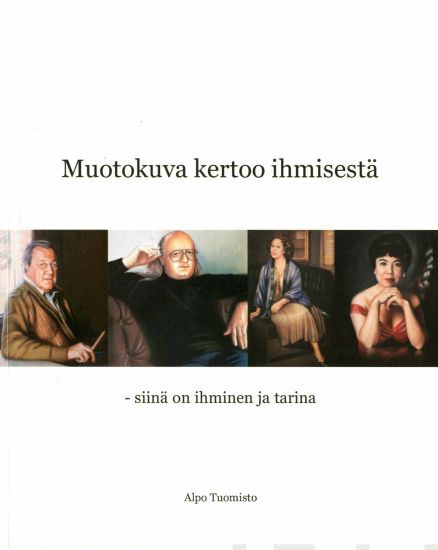
Thaimaan kuninkaan Adulyadej Bhumibol'in ja kuningatar Sirikitin muotokuvat maalannut Alpo Tuomisto kertoo kuvien maalaamisesta ja siitä miten teokset hyväksyttiin Thaimaan hoviin. Hän on myös maalannut Suomen huomattavimpien taiteilijoiden muotokuvia. Pääasiallisimpina tilaajina ovat olleet pankit, kaupungit, kunnat, sähkölaitokset, koululaitokset ja erilaiset liikelaitokset, sekä tietenkin yksityishenkilöt. Tuomisto kertoo miten muotokuva syntyy ja millaisia elämäntarinoita hän on saanut työnsä ohessa kuulla.
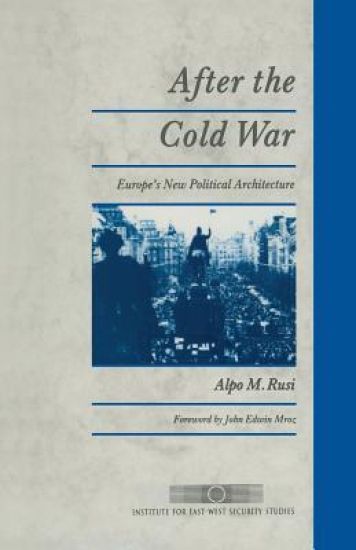
This book provides new and exceptional interpretations in regard to the post-World War 2 history of the East-West conflict and calls for interdisciplinary approaches in analyzing international relations. The systematic and political processes are undoing the division of Europe and restoring an 'organically' interdependent continent. The events of 1989 in Eastern Europe are but a harbinger of a new security order in Europe and, for the first time since the Treaty of Westphalia of 1648 Europe tries to look beyond state-centered concepts of security.
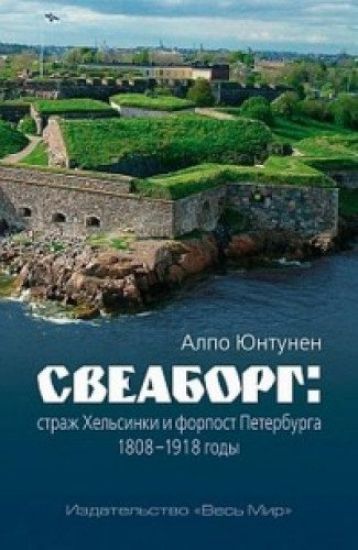
Original: Sveaborg: Helsingin suoja ja Pietarin etuvartio 1808-1918
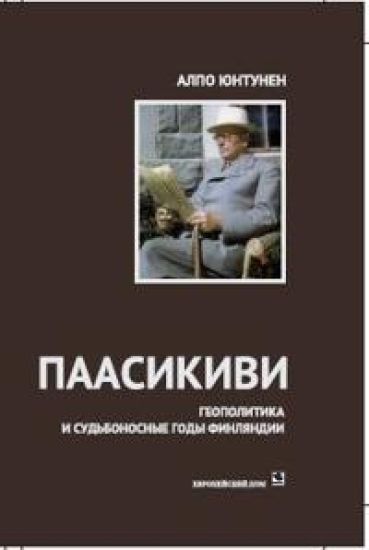
Jukho-Kusti Paasikivi - krupnejshij politicheskij dejatel Finljandii: pervyj premer-ministr nezavisimoj Finljandii, poslannik v Stokgolme i Moskve i prezident strany.Gody zhizni Paasikivi byli vremenem ogromnykh gosudarstvennykh i obschestvennykh peremen. Istorija i zakony priuchili Paasikivi chetko sledovat idejnomu razvitiju epokhi, sostavnoj chastju kotorogo byla geopolitika. Memuarist Paasikivi pishet o nauke nemnogo, no blagodarja svoemu obucheniju i opytu on rassmatrival polozhenie Finljandii kak geostrategicheskuju problemu. On schital geografiju osnovnym politicheskim faktorom, i ego mozhno nazvat pervym finskim geopolitikom.Perevod s finskogo Aleksandra Rupasova