Kirjojen hintavertailu. Mukana 11 244 527 kirjaa ja 12 kauppaa.

Kirjahaku

Etsi kirjoja tekijän nimen, kirjan nimen tai ISBN:n perusteella.

1000 tulosta hakusanalla Andreas Reckwitz

The Invention of Creativity

The Invention of Creativity

Andreas Reckwitz

Polity Press
2017
sidottu
Contemporary society has seen an unprecedented rise in both the demand and the desire to be creative, to bring something new into the world. Once the reserve of artistic subcultures, creativity has now become a universal model for culture and an imperative in many parts of society.In this new book, cultural sociologist Andreas Reckwitz investigates how the ideal of creativity has grown into a major social force, from the art of the avant-garde and postmodernism to the ‘creative industries’ and the innovation economy, the psychology of creativity and self-growth, the media representation of creative stars, and the urban design of ‘creative cities’. Where creativity is often assumed to be a force for good, Reckwitz looks critically at how this imperative has developed from the 1970s to the present day. Though we may well perceive creativity as the realization of some natural and innate potential within us, it has rather to be understood within the structures of a very specific culture of the new in late modern society. The Invention of Creativity is a bold and refreshing counter to conventional wisdom that shows how our age is defined by radical and restrictive processes of social aestheticization. It will be of great interest to those working in a variety of disciplines, from cultural and social theory to art history and aesthetics.
The Invention of Creativity

The Invention of Creativity

Andreas Reckwitz

Polity Press
2017
nidottu
Contemporary society has seen an unprecedented rise in both the demand and the desire to be creative, to bring something new into the world. Once the reserve of artistic subcultures, creativity has now become a universal model for culture and an imperative in many parts of society.In this new book, cultural sociologist Andreas Reckwitz investigates how the ideal of creativity has grown into a major social force, from the art of the avant-garde and postmodernism to the ‘creative industries’ and the innovation economy, the psychology of creativity and self-growth, the media representation of creative stars, and the urban design of ‘creative cities’. Where creativity is often assumed to be a force for good, Reckwitz looks critically at how this imperative has developed from the 1970s to the present day. Though we may well perceive creativity as the realization of some natural and innate potential within us, it has rather to be understood within the structures of a very specific culture of the new in late modern society. The Invention of Creativity is a bold and refreshing counter to conventional wisdom that shows how our age is defined by radical and restrictive processes of social aestheticization. It will be of great interest to those working in a variety of disciplines, from cultural and social theory to art history and aesthetics.
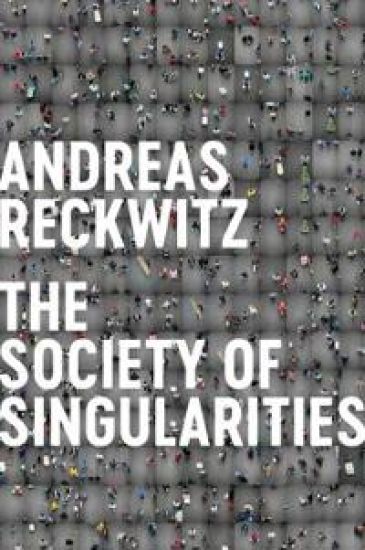
Society of Singularities

Society of Singularities

Andreas Reckwitz

Polity Press
2020
sidottu
Our contemporary societies place more and more emphasis on the singular and the unique. The industrial societies of the early 20th century produced standardized products, cities, subjects and organizations which tended to look the same, but in our late-modern societies, we value the exceptional - unique objects, experiences, places, individuals, events and communities which are beyond the ordinary and which claim a certain authenticity. Industrial society’s logic of the general has been replaced by late modernity’s logic of the particular. In this major new book, Andreas Reckwitz examines the causes, structures and consequences of the society of singularities in which we now live. The transformation from industrial to cultural capitalism, the rise of digital technologies and their ‘culture machine’ and the emergence of an educated, urban new middle class form a powerful engine for the singularization of the social. In late modernity, what is singular is valorized and stirs the emotions, while what is general has to remain in the background, and this has profound social consequences. The society of singularities systematically produces devaluation and inequality: winner-takes-all markets, job polarization, the neglect of rural regions and the alienation of the traditional middle class. The emergence of populism and the rise of aggressive forms of nationalism which emphasize the cultural authenticity of one’s own people thus turn out to be the other side of singularization. This prize-winning book offers a new perspective on how modern societies have changed in recent decades and it will be of great value to anyone interested in the forces that are shaping our world today.
The End of Illusions

The End of Illusions

Andreas Reckwitz

Polity Press
2021
sidottu
We live in a time of great uncertainty about the future. Those heady days of the late twentieth century, when the end of the Cold War seemed to be ushering in a new and more optimistic age, now seem like a distant memory. During the last couple of decades, we’ve been battered by one crisis after another and the idea that humanity is on a progressive path to a better future seems like an illusion. It is only now that we can see clearly the real scope and structure of the profound shifts that Western societies have undergone over the last 30 years. Classical industrial society has been transformed into a late-modern society that is molded by polarization and paradoxes. The pervasive singularization of the social, the orientation toward the unique and exceptional, generates systematic asymmetries and disparities, and hence progress and unease go hand in hand. Reckwitz examines this dual structure of singularization and polarization as it plays itself out in the different sectors of our societies and, in so doing, he outlines the central structural features of the present: the new class society, the characteristics of a postindustrial economy, the conflict about culture and identity, the exhaustion of the self resulting from the imperative to seek authentic fulfillment, and the political crisis of liberalism. Building on his path-breaking work The Society of Singularities, this new book will be of great interest to students and scholars in sociology, politics, and the social sciences generally, and to anyone concerned with the great social and political issues of our time.
The End of Illusions

The End of Illusions

Andreas Reckwitz

Polity Press
2021
nidottu
We live in a time of great uncertainty about the future. Those heady days of the late twentieth century, when the end of the Cold War seemed to be ushering in a new and more optimistic age, now seem like a distant memory. During the last couple of decades, we’ve been battered by one crisis after another and the idea that humanity is on a progressive path to a better future seems like an illusion. It is only now that we can see clearly the real scope and structure of the profound shifts that Western societies have undergone over the last 30 years. Classical industrial society has been transformed into a late-modern society that is molded by polarization and paradoxes. The pervasive singularization of the social, the orientation toward the unique and exceptional, generates systematic asymmetries and disparities, and hence progress and unease go hand in hand. Reckwitz examines this dual structure of singularization and polarization as it plays itself out in the different sectors of our societies and, in so doing, he outlines the central structural features of the present: the new class society, the characteristics of a postindustrial economy, the conflict about culture and identity, the exhaustion of the self resulting from the imperative to seek authentic fulfillment, and the political crisis of liberalism. Building on his path-breaking work The Society of Singularities, this new book will be of great interest to students and scholars in sociology, politics, and the social sciences generally, and to anyone concerned with the great social and political issues of our time.
Illusionernes undergang

Illusionernes undergang

Andreas Reckwitz

Gyldendal
2021
nidottu
Indtil for få år siden syntes vestlige samfund at bevæge sig fremad i en ukuelig tro på sociale fremskridt: Den verdensomspændende triumf for demokrati og markedsøkonomi virkede ustoppelig; liberalisering og frigørelse, informationssamfund og pluralisering af livsstil så ud til at være ledende principper for fremtiden. Inden for de senere år er den samfundsmæssige optimisme dog punkteret – blandt andet med valget af Donald Trump og Brexit – og en ny desillusion er opstået. I Illusionernes undergang viser Andreas Reckwitz os, at det først er nu, at omfanget af samfundets strukturændring er blevet synligt: at det gamle industrielle samfund er blevet erstattet af en senmoderne tidsalder, der er præget af nye polariseringer og paradokser – og her er fremskridt og angst uløseligt sammenflettet. I en række essays kortlægger Andreas Reckwitz nutidens centrale strukturelle karakteristika: det nye klassesamfund, en post-industriel økonomi, konflikter inden for kultur og identitet, den træthed, der opstår som følge af imperativet om selvrealisering, og liberalismens krise. Andreas Reckwitz, f. 1970, er professor i social teori og kultursociologi ved Humboldt Universitet, Berlin. Hans bog Singulariteternes samfund fra 2017 blev tildelt Bayerischer Buchpreis. I 2019 modtog han en Leibniz-Preis, og Reckwitz betragtes som en førende stemme blandt vor tids tyske sociologer.
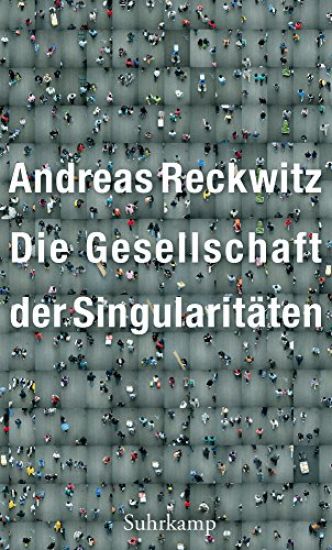
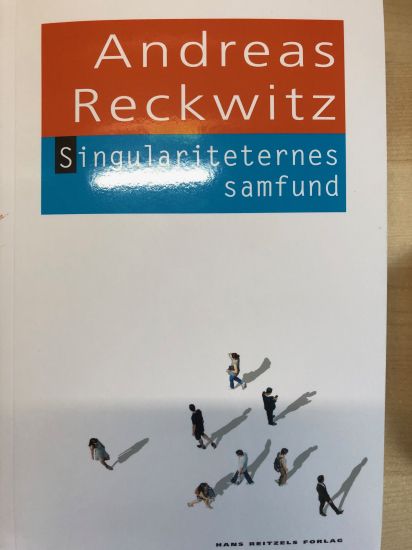
Singulariteternes samfund

Singulariteternes samfund

Andreas Reckwitz

Gyldendal
2019
nidottu
Det særegne trumfer alt, det enestående belønnes, mens det almindelige og standardiserede nærmest virker kedeligt. Gennemsnitsmennesket med sit gennemsnitsliv mistænkes for at være konformt. Den nye målestok for alting er ikke blot de autentiske subjekter med originale interesser og “kuraterede” biografier, men også de unikke varer og events, fællesskaber og byer. Senmoderne samfund dyrker det singulære. Med udgangspunkt i denne diagnose udforsker Andreas Reckwitz den singulariseringsproces, der i begyndelsen af 2000-tallet foregår inden for økonomien, i arbejdsverdenen, i den digitale teknologi, på livsstilsområdet og i det politiske liv. I et forsøg på at opstille en ny teori om moderniteten viser han, hvor tæt sammenvævet denne proces er med kulturaliseringen af det sociale, hvor modsigelsesfuld en dynamik den rummer, og hvordan dens vrangside ser ud. Singulariseringens samfund kan nemlig ikke kun opvise prægtige vindere, men producerer også sine helt egne uligheder, paradokser og tabere. Andreas Reckwitz er professor i kultursociologi ved Europa-Universität Viadrina i Frankfurt an der Oder og har begået en banebrydende og retningsanvisende bog om den samtid, vi lever i.
Kreativitetens opfindelse

Kreativitetens opfindelse

Andreas Reckwitz

Gyldendal
2020
nidottu
Vær Kreativ! I nutidens samtid er kravet og ønsket om at være kreativ og skabe noget nyt udbredt på en måde, som ikke er set tidligere. Hvor kreativitet før var forbeholdt subkulturelle kunstnere og kunstneriske miljøer, er det nu blevet et almengyldigt krav – et imperativ – at være kreativ! Andreas Reckwitz undersøger i denne bog, hvordan kreativitet er blevet forceret op gennem det 20. århundrede. Det gælder i avantgarde- og postmoderne kunst, i kreative industrier og innovationsøkonomi, i kreativiteten- og selvudviklingens psykologi, i mediernes præsentation af kreative stjerner og kreativ byplanlægning. Det viser sig, at tiden i dag er præget af radikale krav om social æstetisering der hæfter sig til økonomisk udvikling. At kravet om kreativitet er blevet så udbredt er en overskridelse af den ånd som hører til den smalle kunst. Andreas Reckwitz peger på både fordele og ulemper ved denne udvikling og peger også på faren for pervertering af kreativiteten, når den kobler sig til institutioner og de økonomiske systemers indre logik om profit og standardisering. Kreativitet er senmodernitetens motor, stoffet til kapitalismens hemmelige drømme, eller som Reckwitz siger. Æstetisk kreativitet er samtidens socialiseringens modus og kreativiteten forbinder nu subjekt og system. Denne forbindelse gør bl.a. at kreativiteten er overgået fra en sakral til en profan sfære. Andreas Reckwitz bog ” Die Erfindung der Kreativität” fik stor omtale i sit hjemland, da den udkom i 2012 og bogen danner fundament for hans senere udgivelse ”Singulariteternes samfund” som blev udgivet på dansk i 2019. Bogen udgives med et eksklusivt efterord af Reckwitz, hvor han reflekterer over de to bøgers sammenhæng. Andreas Reckwitz er professor i socialteori og kultursociologi ved Humboldt Universitet.
Tab

Tab

Andreas Reckwitz

Gyldendal
2025
nidottu
Andreas Reckwitz’ banebrydende bog Tab – et grundproblem i moderniteten præsenterer en omfattende analyse af de sociale og kulturelle strukturer, der præger vores forhold til tab. Gletsjere smelter, hele arbejdsverdener forsvinder, ordener bryder sammen. Omfanget af sociale og kulturelle tab presser de vestlige samfund. Tab tvinger folk ud på gaden, ind i terapeuters praksisser og i populisternes arme. Tab sætter tonen for vores tid. Bearbejdningen af tab har forandret sig, alt imens erfaringer med tab og angst for tab eskalerer yderligere. Hvordan kan det forklares? Og hvad betyder det for fremtiden? Fremskridtsfortællingen har mistet sin troværdighed, og tab kan ikke længere gøres usynlige. Det fører til et af det 21. århundredes eksistentielle spørgsmål: Kan samfund forblive moderne og samtidig produktivt forholde sig til tab? ANDREAS RECKWITZ er professor i sociologi ved Humboldt Universitet og fik sit internationale gennembrud med bogen Singulariteternes samfund, som udkom på dansk i 2019.