Kirjojen hintavertailu. Mukana 12 016 292 kirjaa ja 12 kauppaa.

Kirjahaku

Etsi kirjoja tekijän nimen, kirjan nimen tai ISBN:n perusteella.

1000 tulosta hakusanalla Andrew Linzey; Dan Cohn-Sherbok

After Noah

After Noah

Andrew Linzey; Dan Cohn-Sherbok

Mowbray
1997
nidottu
A comprehensive study of Jewish and Christian teaching about animals, this text argues that the treatment of animals is not only a moral issue, but also a theological and spiritual one. The authors show how Jews and Christians have often failed to promote a compassionate and sensitive regard for animals. The text argues that the way we treat animals is a benchmark of the kind of society we are, and that in recognizing the true, and biblically based, value of animals, we liberate ourselves from the idolatry which is to be found at the heart of much contemporary spirituality. It is addressed to all people of faith who believe that, in devaluing animals, we ultimately devalue ourselves and our own souls.
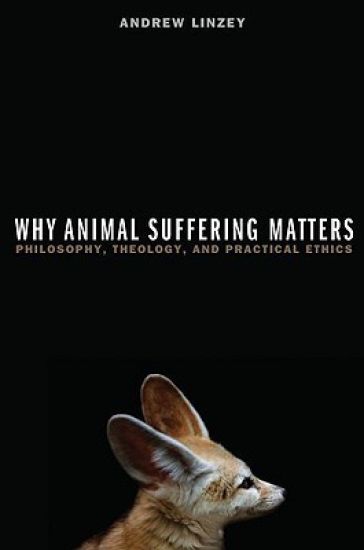
Why Animal Suffering Matters

Why Animal Suffering Matters

Andrew Linzey

Oxford University Press Inc
2009
sidottu
How we treat animals arouses strong emotions. Many people are repulsed by photographs of cruelty to animals and respond passionately to how we make animals suffer for food, commerce, and sport. But is this, as some argue, a purely emotional issue? Are there really no rational grounds for opposing our current treatment of animals? In Why Animal Suffering Matters, Andrew Linzey argues that when analyzed impartially the rational case for extending moral solicitude to all sentient beings is much stronger than many suppose. Indeed, Linzey shows that many of the justifications for inflicting animal suffering in fact provide grounds for protecting them. Because animals, the argument goes, lack reason or souls or language, harming them is not an offense. Linzey suggests that just the opposite is true, that the inability of animals to give or withhold consent, their inability to represent their interests, their moral innocence, and their relative defenselessness all compel us not to harm them. Andrew Linzey further shows that the arguments in favor of three controversial practices--hunting with dogs, fur farming, and commercial sealing--cannot withstand rational critique. He considers the economic, legal, and political issues surrounding each of these practices, appealing not to our emotions but to our reason, and shows that they are rationally unsupportable and morally repugnant. In this superbly argued and deeply engaging book, Linzey pioneers a new theory about why animal suffering matters, maintaining that sentient animals, like infants and young children, should be accorded a special moral status.
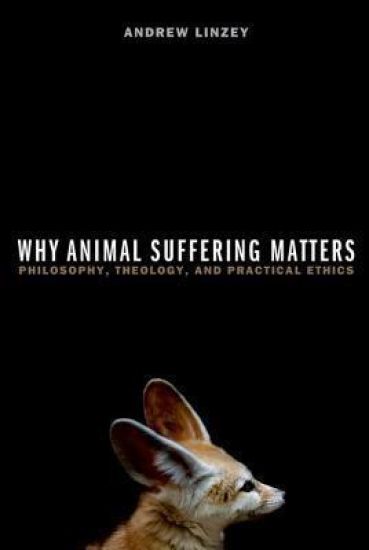
Why Animal Suffering Matters

Why Animal Suffering Matters

Andrew Linzey

Oxford University Press Inc
2013
nidottu
How we treat animals arouses strong emotions. Many people are repulsed by photographs of cruelty to animals and respond passionately to how we make animals suffer for food, commerce, and sport. But is this, as some argue, a purely emotional issue? Are there really no rational grounds for opposing our current treatment of animals? In Why Animal Suffering Matters, Andrew Linzey argues that when analyzed impartially the rational case for extending moral solicitude to all sentient beings is much stronger than many suppose. Indeed, Linzey shows that many of the justifications for inflicting animal suffering in fact provide grounds for protecting them. Because animals, the argument goes, lack reason or souls or language, harming them is not an offense. Linzey suggests that just the opposite is true, that the inability of animals to give or withhold consent, their inability to represent their interests, their moral innocence, and their relative defenselessness all compel us not to harm them. Andrew Linzey further shows that the arguments in favor of three controversial practices--hunting with dogs, fur farming, and commercial sealing--cannot withstand rational critique. He considers the economic, legal, and political issues surrounding each of these practices, appealing not to our emotions but to our reason, and shows that they are rationally unsupportable and morally repugnant. In this superbly argued and deeply engaging book, Linzey pioneers a new theory about why animal suffering matters, maintaining that sentient animals, like infants and young children, should be accorded a special moral status.
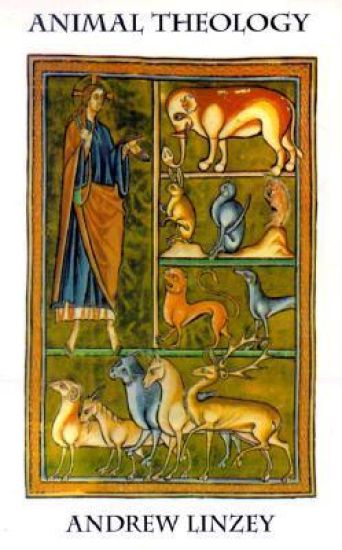
Animal Theology

Animal Theology

Andrew Linzey

University of Illinois Press
1995
nidottu
“What are we to say of a theology which has so proceeded on the basis of a moral neglet of God’s creatures?” asks Andrew Linzey. In Animal Theology, he seeks ways in which doctrine can help morally motivated Christians to perceive meaning in animal suffering. In Linzey’s view, animal rights is synonymous with animal theology. Linzey argues that historical theology, creatively defined, must reject humanocentricity. Questioning the assumption that if theology is to speak on this issue, “it must only do so on the side of the oppressors,” Linzey investigates not only the abstractions of theory, but also the realities of hunting, animal experimentation, and genetic engineering. His is a pioneering, vital, and unequivocally Christian voice advocating on behalf of the countless creatures who share our world and our lives but cannot speak for themselves.
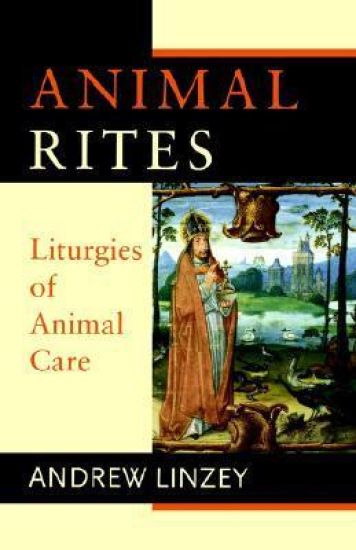
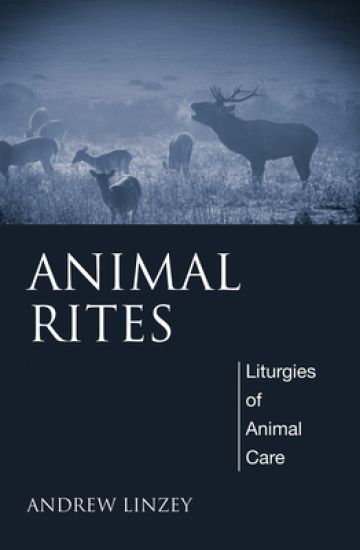
Animal Rites

Animal Rites

Andrew Linzey

SCM PR
2000
pokkari
Provides liturgies which are animal-friendly and animal-inclusive. Includes services of celebration for animal companionship, services for animal welfare, healing liturgies, eucharistic prayers and animal burial services.
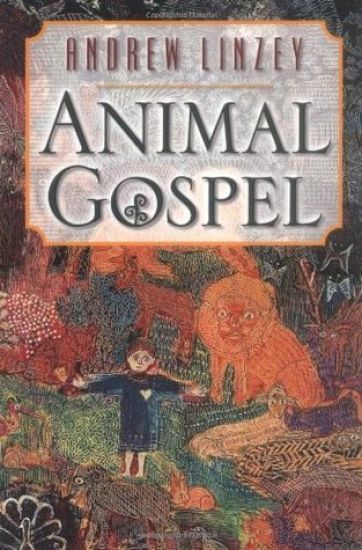
Animal Gospel

Animal Gospel

Andrew Linzey

Westminster/John Knox Press,U.S.
1999
nidottu
Our treatment of animals is a gospel issue, Andrew Linzey contends, because those individuals and institutions that could have become the voice of God's most vulnerable creatures have instead justified cruelty and oppression. He offers an inspiring personal account of the gospel truths that have sustained his commitment to the cause of animals for more than twenty-five years.
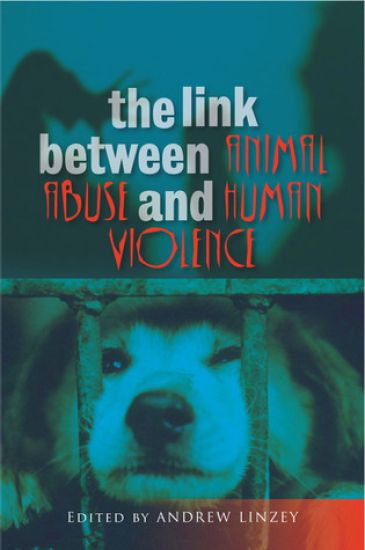
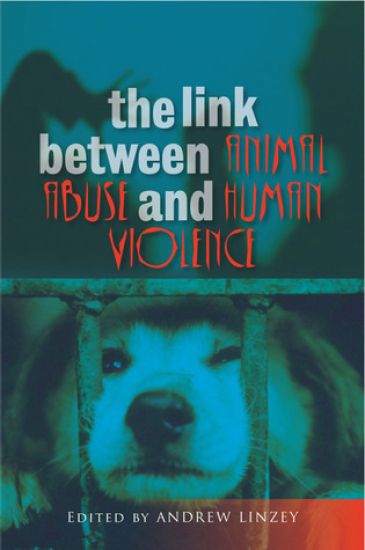
The Link Between Animal Abuse and Human Violence

The Link Between Animal Abuse and Human Violence

Andrew Linzey

LIVERPOOL UNIVERSITY PRESS
2009
sidottu
Many philosophers, including Aquinas, Locke, Schopenhauer and Kant, have assumed that there is a link between cruelty to animals and violence to people. During the last 40 years, evidence for this view has steadily accumulated as a result of statistical, psychological, and medical investigations, and there is now a substantial body of supporting empirical evidence. "The Link Between Animal Abuse & Human Violence" brings together international experts from seven countries to examine in detail the relationships between animal abuse and child abuse, the emotional development of the child, family violence, and serial murder. It considers the implications for legal and social policy, and the work of key professionals. Sections include critical overviews of existing research, discussion of ethical issues, and a special focus on the abuse of wild animals. This book is essential reading for all those who have a stake in the debate, either because their academic work relates to the issues involved, or because their professional role involves contact with the abused or the abusers, both human and animal, including child care officers, community carers, law enforcement officers, health visitors, veterinarians, anti-cruelty inspectors, animal protection officers, social scientists, lawyers, psychologists, and criminologists. This is the most up-to-date, authoritative, and comprehensive volume on the link between animal abuse and human violence.
The Link Between Animal Abuse and Human Violence

The Link Between Animal Abuse and Human Violence

Andrew Linzey

LIVERPOOL UNIVERSITY PRESS
2009
nidottu
Many philosophers, including Aquinas, Locke, Schopenhauer and Kant, have assumed that there is a link between cruelty to animals and violence to people. During the last 40 years, evidence for this view has steadily accumulated as a result of statistical, psychological, and medical investigations, and there is now a substantial body of supporting empirical evidence. "The Link Between Animal Abuse & Human Violence" brings together international experts from seven countries to examine in detail the relationships between animal abuse and child abuse, the emotional development of the child, family violence, and serial murder. It considers the implications for legal and social policy, and the work of key professionals. Sections include critical overviews of existing research, discussion of ethical issues, and a special focus on the abuse of wild animals. This book is essential reading for all those who have a stake in the debate, either because their academic work relates to the issues involved, or because their professional role involves contact with the abused or the abusers, both human and animal, including child care officers, community carers, law enforcement officers, health visitors, veterinarians, anti-cruelty inspectors, animal protection officers, social scientists, lawyers, psychologists, and criminologists. This is the most up-to-date, authoritative, and comprehensive volume on the link between animal abuse and human violence.
An Ethical Critique of Fur Factory Farming

An Ethical Critique of Fur Factory Farming

Andrew Linzey; Clair Linzey

Springer International Publishing AG
2022
sidottu
The fur trade is a multi-million-dollar industry. It is estimated that over 100 million animals are killed in fur farms worldwide annually. This book provides an in-depth analysis of the state of fur factory farming worldwide, and an ethical critique of the main arguments propounded by the fur industry. Consideration is also given to an attempt to justify fur farming through the concept of “Welfur." Andrew Linzey and Clair Linzey argue that from any ethical perspective, fur factory farming fails basic moral tests.
Gays and the Future of Anglicanism

Gays and the Future of Anglicanism

Richard Kirker; Andrew Linzey

John Hunt Publishing
2005
nidottu
The Anglican Communion stands at a crossroads. Some want Anglicanism to be exclusive of gays, especially gay priests and bishops. The Windsor Report is seen as the means of achieving this by centralising the Anglican Communion, and bringing wayward provinces, like ECUSA, to heel. In this collection of essays, distinguished academics from the UK and the US offer lively, thoughtful and scholarly critiques of the Windsor Report. What unites this collection is the view that Windsor does not provide a way forward for Anglicanism. Contributors write from a variety of standpoints, including justice for gays, opposition to centralisation, and/or the need for legitimate moral diversity within Anglicanism. This timely collection offers a means of grappling with what has become one of the most controversial issues within Anglicanism, and also a way of reflecting on the future shape of the Church, and how inclusive that Church is going to be. CONTRIBUTORS: Marilyn McCord Adams is Regius Professor of Divinity at the University of Oxford and Canon of Christ Church, Oxford. Thomas Breidenthal has been Dean of Religious Life and of the Chapel at Princeton University since January 2002. Anthony M. Coxon is currently Honorary Professorial Fellow at the University of Edinburgh and Emeritus Professor of Sociological Research Methods, University of Wales. Robin Gill is the Michael Ramsey Professor of Modern Theology in the University of Kent. Sean Gill is Senior Lecturer in Theology and Religious Studies at the University of Bristol. Elaine Graham is the Samuel Ferguson Professor of Social and Pastoral Theology at the University of Manchester. Rowan A. Greer is Professor of Anglican Studies Emeritus at Yale Divinity School. Charles Hefling is a Faculty Member of the Theology Department and the Honours Programme at Boston College, Massachusetts; Editor of the Anglican Theological Review; and the Examining Chaplain to the Bishop of Massachusetts. Carter Heyward is the Howard Chandler Robbins Professor of Theology at Episcopal Divinity School in Cambridge, Massachusetts. Lisa Isherwood is Professor of Feminist Liberation Theologies at the College of St Mark & St John, Plymouth. Gareth Jones studied Theology at Cambridge University, completing his PhD on Bultmann in 1988. Philip Kennedy studied music at the University of Melbourne before joining the Dominican Order in 1977. Richard Kirker is Director of the Lesbian and Gay Christian Movement, a post held since 1979. Christopher Lewis is Dean of Christ Church, Oxford. Andrew Linzey is a member of the Faculty of Theology in the University of Oxford, and Senior Research Fellow of Blackfriars Hall, Oxford. George Pattison is Lady Margaret Professor of Divinity in the University of Oxford. Carolyn J. Sharp is Assistant Professor of Old Testament at Yale Divinity School. Vincent Strudwick is currently Chamberlain of Kellogg College and Associate Chaplain of Corpus Christi College, Oxford. Adrian Thatcher taught Theology at the College of St Mark & St John, Plymouth, from 1977 until his retirement in August 2004.
The Ethics of Predator Control

The Ethics of Predator Control

Katie Javanaud; Clair Linzey; Andrew Linzey

TAYLOR FRANCIS LTD
2025
sidottu
This book offers a timely contribution to the ethical discourse on predator control, particularly in the context of Scottish moor management. It provides a detailed examination of the moral arguments surrounding animal welfare and conservation, engaging with contemporary debates in environmental ethics, wildlife management, and animal rights. Organised into two parts, part one comprises a report by the Oxford Centre for Animal Ethics on the ethics of predator control for members of the Scottish Parliament. The central argument critically assesses the morality of predator control, aligning with broader discussions on sentience, suffering, and human responsibilities toward nonhuman animals. Part one also proposes the promulgation of a new charter for free-living animals. This legislation should begin with the recognition of sentiency and enshrine in law the value and dignity of free-living animals such that their right to live unmolested is respected. Part two contains detailed rebuttals of subsequent criticisms of the report. Over 120 scholars worldwide have endorsed the report. Given the growing interest in rewilding, biodiversity conservation, and ethical hunting debates, this book has the potential to be a significant resource for scholars, policymakers, and advocacy groups. It will also be of interest to students and academics in the fields of ethics, conservation, philosophy, ecology, and animal law.
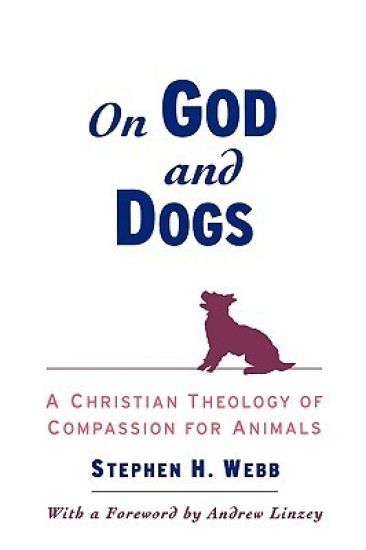
On God and Dogs

On God and Dogs

Stephen H. Webb; Andrew Linzey

Oxford University Press Inc
2002
nidottu
Many of us keep pet animals; we rely on them for companionship and unconditional love. For some people their closest relationships may be with their pets. In the wake of the animal rights movement, some ethicists have started to re-examine this relationship, and to question the rights of humans to "own" other sentient beings in this way. In this engaging and thought-provoking book, Stephen Webb brings a Christian perspective to bear on the subject of our responsibility to animals, looked at through the lens of our relations with pets--especially dogs. Webb argues that the emotional bond with companion animals should play a central role in the way we think about animals in general, and--against the more extreme animal liberationists--defends the intermingling of the human and animal worlds. He tries to imagine what it would be like to treat animals as a gift from God, and indeed argues that not only are animals a gift for us, but they give to us; we need to attend to their giving and return their gifts appropriately. Throughout the book he insists that what Christians call grace is present in our relations with animals just as it is with other humans. Grace is the inclusive and expansive power of God's love to create and sustain relationships of real mutuality and reciprocity, and Webb unfolds the implications of the recognition that animals too participate in God's abundant grace. Webb's thesis affirms and persuasively defends many of the things that pet lovers feel instinctively--that their relationships with their companion animals are meaningful and important, and that their pets have value and worth in themselves in the eyes of God. His book will appeal to a broad audience of thoughtful Christians and animal lovers.
Dictionary of Ethics, Theology and Society

Dictionary of Ethics, Theology and Society

Paul A. B. Clarke; Andrew Linzey

Routledge
1995
sidottu
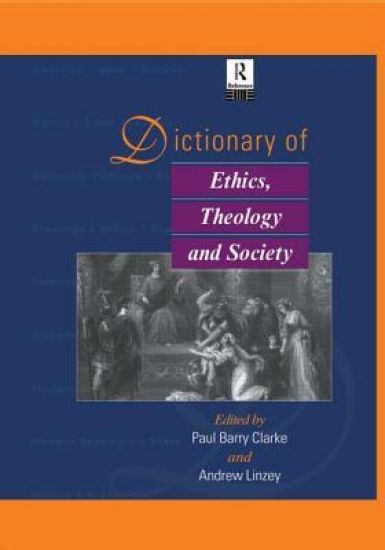
This Dictionary provides a unique and groundbreaking survey of both the historical and contemporary interrelations between ethics, theology and society. In over 250 separately-authored entries, a selection of the world's leading scholars from many disciplines and many denominations present their own views on a wide range of topics.Arranged alphabetically, entries cover all aspects of philosophy, theology, ethics, economics, politics and government. Each entry includes:* a concise definition of the term* a description of the principal ideas behind it* analysis of its history, development and contemporary relevance* a detailed bibliography giving the major sources in the fieldThe entire field is prefaced by an editorial introduction outlining its scope and diversity.Selected entries include:Animal Rights * Capital Punishment * Communism * Domestic Violence * Ethics * Evil * Government * Homophobia * Humanism * Liberation Theology * Politics * Pornography * Racism * Sexism * Society * Vivisection * Women's Ordination
Dictionary of Ethics, Theology and Society

Dictionary of Ethics, Theology and Society

Paul A. B. Clarke; Andrew Linzey

Routledge
2013
nidottu
This Dictionary provides a unique and groundbreaking survey of both the historical and contemporary interrelations between ethics, theology and society. In over 250 separately-authored entries, a selection of the world's leading scholars from many disciplines and many denominations present their own views on a wide range of topics.Arranged alphabetically, entries cover all aspects of philosophy, theology, ethics, economics, politics and government. Each entry includes:* a concise definition of the term* a description of the principal ideas behind it* analysis of its history, development and contemporary relevance* a detailed bibliography giving the major sources in the fieldThe entire field is prefaced by an editorial introduction outlining its scope and diversity.Selected entries include:Animal Rights * Capital Punishment * Communism * Domestic Violence * Ethics * Evil * Government * Homophobia * Humanism * Liberation Theology * Politics * Pornography * Racism * Sexism * Society * Vivisection * Women's Ordination
Teach Your Child About Money Through Play: 110] Games/Activities, Tips, and Resources to Teach Kids Financial Literacy at an Early Age
From money recognition to real estate investing, Andrea and Linsey, help parents and educators introduce kids to a variety of money topics in a fun, understandable, and engaging manner. Use the 110+ games/activities, tips, and resources to teach kids financial literacy at an early age.